British Columbia Cougar Season Dates
Trying to make sense of British Columbia's hunting regulations can feel like deciphering an ancient scroll, especially when you're looking for something as specific as cougar season dates. It's frustrating to sift through hundreds of pages of legal text just to find out when you can pursue these elusive predators. This comprehensive guide is designed to cut through that confusion, giving you a clear, detailed breakdown of British Columbia's cougar season dates, critical regulations, and practical advice to help you plan your next hunt.
Understanding British Columbia Cougar Seasons
Cougar hunting in British Columbia is a unique pursuit, offering a challenging and rewarding experience for those dedicated enough to master it. Unlike many other big game species, cougars often have extensive hunting seasons, reflecting their wide distribution and predatory nature. However, understanding the nuances of these seasons – from regional variations to specific rules around methods – is paramount to a successful and legal hunt.
The Unique Challenge of Cougar Hunting
Cougars, or mountain lions, are apex predators, incredibly adaptable and found across a vast array of habitats in British Columbia, from dense coastal rainforests to arid interior grasslands and rugged mountain ranges. Their solitary nature and stealth make them one of the most challenging animals to hunt. This wide distribution and the need for population management contribute to BC often having very long cougar seasons. These extended seasons allow hunters ample opportunity but also require them to be constantly aware of fluctuating snow conditions, prey availability, and shifting regulations. You might find yourself still-hunting through deep snow in February or calling from a dry ridge in November, depending on the region and the conditions. It's not a hunt for the faint of heart, demanding persistence, keen tracking skills, and a deep understanding of their behaviour.
General Open Seasons Versus Specific Zones
For cougars, British Columbia primarily utilizes what are known as "General Open Seasons" (GOS) across most of its numerous Management Units (MUs) and regions. This means that once the season opens, typically in early fall, it can run through the winter and well into the spring, sometimes until late June. While most species have relatively short, specific windows, cougars offer a much broader timeframe. However, even within GOS, there can be subtle but important differences. Some areas might have slight variations in start or end dates, or specific MUs might have additional restrictions or closures based on local population dynamics, human-wildlife conflict issues, or specific management objectives. It's crucial not to assume that a general provincial rule applies universally. Always double-check the specific Management Unit you plan to hunt, as even adjacent units can sometimes have minor but critical differences in their season dates or bag limits. This careful approach is similar to how one might approach hunting other predators; for example, understanding the intricacies of specific rules for Calling Wolves in British Columbia can mirror the need for detailed knowledge when targeting cougars.
Detailed Cougar Season Dates Across BC Regions
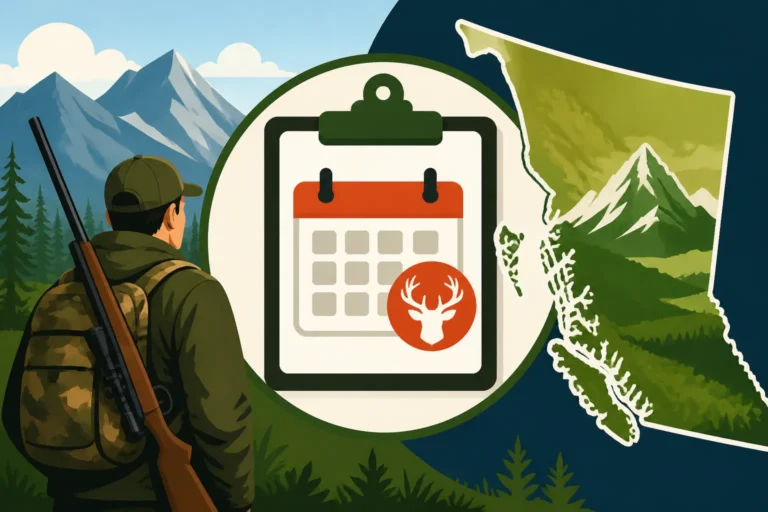
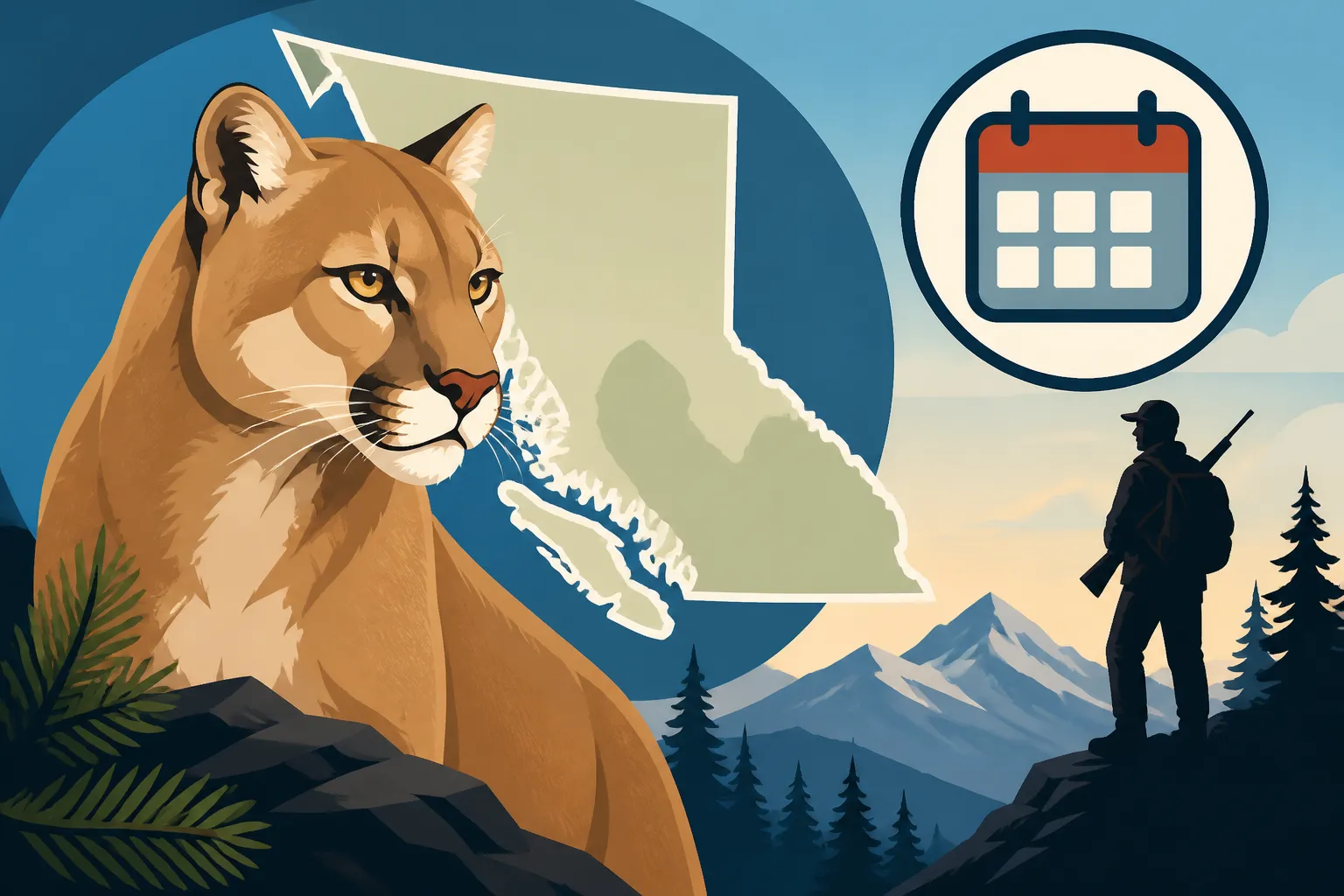
British Columbia is a vast province, divided into nine distinct hunting regions, each with its own ecological characteristics and, consequently, its own set of specific hunting regulations. Cougar seasons, while generally long, will show variations depending on where you are in the province. Always refer to the most current British Columbia Hunting and Trapping Synopsis, published every two years, for the definitive dates.
To give you a clearer picture, here's a general overview of cougar season dates by region, keeping in mind that these are subject to change and specific MUs within each region may have slight deviations. The table below illustrates the typical season structure for residents; non-resident alien hunters will typically require the services of a licensed guide outfitter.
| Region Number & Name | Typical Start Date | Typical End Date | Bag Limit (Residents) | Compulsory Inspection |
|---|---|---|---|---|
| 1 (Vancouver Island) | September 10 | June 15 | 2 | Yes |
| 2 (Lower Mainland) | September 10 | June 15 | 2 | Yes |
| 3 (Thompson/Okanagan) | September 1 | June 15 | 2 | Yes |
| 4 (Kootenays) | September 1 | June 15 | 2 | Yes |
| 5 (Cariboo) | September 1 | June 15 | 2 | Yes |
| 6 (Skeena) | September 1 | June 15 | 2 | Yes |
| 7 (Omineca/Peace) | September 1 | June 15 | 2 | Yes |
| 8 (Okanagan) | September 1 | June 15 | 2 | Yes |
| 9 (Kootenay North) | September 1 | June 15 | 2 | Yes |
Note: This table provides typical dates. Always consult the official BC Hunting & Trapping Synopsis for the most current and specific regulations for your chosen Management Unit.
Coastal Regions and Vancouver Island
Regions 1 (Vancouver Island) and 2 (Lower Mainland) often see cougar seasons open slightly later, around September 10th, and generally run through to June 15th. The dense forests and often wet conditions in these coastal areas mean tracking can be a different beast compared to the interior. Cougar populations here are robust, often preying on the abundant black-tailed deer. Hunters need to be prepared for diverse terrain, from logged-off second growth to rugged mountains and rain-soaked old growth. Understanding the seasonal movements of their prey, such as Black-Tailed Deer Hunting in British Columbia, can significantly influence your cougar hunting strategy in these regions.
Interior and Kootenay Regions
Regions 3 (Thompson/Okanagan), 4 (Kootenays), 5 (Cariboo), 8 (Okanagan), and 9 (Kootenay North) typically offer cougar seasons opening on September 1st and extending to June 15th. These areas encompass a huge variety of landscapes, from dry grasslands and sagebrush benches to vast pine forests, river valleys, and towering mountain ranges. Cougar populations here thrive on mule deer, white-tailed deer, and even elk. The winter months, particularly when snow cover is consistent, offer prime tracking opportunities. A hunter focused on Hunting British Columbia's October Rifle Opener for deer might also encounter cougar sign and consider pursuing them given the generous season lengths.
Northern BC Seasons
Regions 6 (Skeena) and 7 (Omineca/Peace) also generally see cougar seasons running from September 1st to June 15th. These northern expanses are truly wild, offering incredible opportunities but also presenting significant logistical challenges. Access can be limited, and the sheer scale of the landscape means cougars here often range over vast territories. Mule deer and moose are primary prey species, and understanding their distribution is key to finding cougars. Preparing for colder weather and potential deep snow is essential, often necessitating robust planning for access, whether it's via Jet Boat Access on British Columbia Rivers or extensive logging road networks.
Crucial Regulations for Cougar Hunters
Beyond just knowing when the season opens and closes, there are several other critical regulations that cougar hunters in British Columbia absolutely must understand and adhere to. Failing to do so can result in severe penalties, tarnishing an otherwise exciting hunt.
Licensing, Tags, and FWID Requirements
Before you even step foot in the woods, you need the correct paperwork. Every hunter in British Columbia, resident or non-resident, must possess a valid BC hunting licence. In addition, you'll need a specific "species licence" or "tag" for cougar. For residents, it's typically a straightforward purchase from a vendor or online. Non-residents, however, have stricter requirements; typically, you'll need to hunt with a licensed guide outfitter, or if you're a non-resident Canadian, you might be eligible for a Permit to Accompany, allowing you to hunt with a resident. All hunters must also have a Fish and Wildlife ID (FWID), which is your unique identification number within the BC hunting system. This FWID is tied to all your licences, tags, and hunting history. It's not enough to just buy a licence; ensure you understand the specific requirements for your residency status and have all necessary documents in hand before heading out. Information on how to acquire these can be found in resources like British Columbia Hunting Licences and Fees and Getting a British Columbia FWID.
Mandatory Inspection and Reporting
This is one of the most critical aspects of cougar hunting in BC. Once you harvest a cougar, both the hide (with proof of sex naturally attached) and the skull must be presented for compulsory inspection at a Fish and Wildlife office or designated inspection station. This inspection must occur within 72 hours of the kill. This isn't optional; it's a vital part of wildlife management, providing biologists with crucial data on age, sex, and health of the population. Failure to comply with the 72-hour inspection window is a serious offense. After inspection, you also have a mandatory harvest reporting requirement, typically within 30 days of the kill. This involves submitting details of your hunt online or through an authorized vendor. These reporting mechanisms are essential for monitoring cougar populations and ensuring sustainable hunting opportunities in the future, similar to the strict rules for other species requiring Compulsory Reporting Within Thirty Days.
Permissible Hunting Methods and Restrictions
British Columbia allows various methods for cougar hunting, but there are specific rules. The most common methods include still-hunting, calling, and hunting with the aid of trained hounds.
- Hunting with Hounds: Using dogs specifically trained to track and tree cougars is a very popular and effective method in BC. However, there are often specific seasons and regulations that apply to hound hunting. Ensure you understand these rules, which can include restrictions on dog training, number of dogs, and specific dates when hounds are permitted.
- Calling: Predator calls, both electronic and mouth-blown, can be highly effective for bringing in curious cougars, especially in areas where they are actively hunting deer or other prey.
- Still-Hunting/Stalking: This method involves patiently moving through cougar habitat, looking for tracks, scat, or other signs, and then carefully stalking an animal.
- Baiting: Generally, the use of bait for hunting cougars is not permitted in British Columbia. This is a common restriction for most big game and predator species in the province.
- Firearms: Legal firearms for cougar include rifles, shotguns (with slugs), and muzzleloaders. There are specific calibre and gauge restrictions that apply to all big game, which you should confirm in the synopsis.
- Bows and Crossbows: Archery hunting for cougars is also permitted, subject to minimum draw weight and arrow/broadhead requirements, similar to other big game species.
Always cross-reference your intended hunting method with the current synopsis to ensure you are operating within the legal framework for the specific Management Unit you are in.
Planning Your Successful British Columbia Cougar Hunt
Embarking on a cougar hunt in British Columbia is a serious undertaking that requires meticulous planning and preparation. These animals are incredibly intelligent and elusive, and success often hinges on how well you've done your homework before you even leave home.
Leveraging Tools for Scouting and Regulation Checks
In today's digital age, hunters have access to an incredible array of tools that can dramatically simplify the planning process. Gone are the days of relying solely on paper maps and word-of-mouth. Modern mapping applications and online resources are invaluable. Platforms like GoHunt offer detailed topographic maps, land ownership overlays, and, critically, up-to-date hunting unit boundaries and regulations specific to your location. This allows you to easily identify public access points, understand the terrain, and confirm that the Management Unit you're targeting is open for cougar hunting during your desired dates. You can zoom in on potential areas, identify pinch points, water sources, and likely bedding areas where a cougar might travel. Using such tools to scout an area virtually can save you countless hours of driving and hiking. Beyond mapping, always consult the official BC Hunting & Trapping Synopsis online. Many provinces, including BC, update their regulations synopsis regularly, so checking the digital version ensures you have the absolute latest information, especially before a trip. This detailed planning is similar to Scouting a British Columbia Management Unit Online for any other big game.
Navigating Weather, Terrain, and Access
British Columbia's diverse landscapes mean you'll encounter a wide range of weather and terrain conditions. Coastal regions bring rain and dense forests, while the interior offers everything from arid sagebrush to snowy mountains. Cougar hunting is often most productive when there's a fresh blanket of snow, as tracks become much easier to identify and follow. However, this also means contending with cold temperatures, deep snow, and potentially challenging access. Forest Service Roads, while providing access to vast tracts of Crown land, can quickly become impassable with heavy snow or rain, and some are seasonally deactivated. Having a reliable 4×4 vehicle, chains, and emergency recovery gear is non-negotiable. Always inform someone of your itinerary, expected return time, and carry satellite communication devices, especially when venturing into remote areas where cell service is non-existent. Understanding how to interpret weather forecasts specific to mountain regions and being prepared for sudden changes is critical for both success and safety. The challenges of accessing remote areas are a recurring theme for many BC hunts, from Hunting Moose Off a British Columbia Forest Road to accessing high-alpine sheep country.
Prioritizing Safety and Ethical Hunting Practices
Cougar hunting, like all hunting, demands a high degree of responsibility and adherence to ethical practices. First and foremost, hunter safety is paramount. Always handle firearms or bows responsibly, know your target and what's beyond it, and follow all established safety protocols. When hunting with hounds, ensure your dogs are well-trained and that you follow all regulations regarding their use. Beyond safety, ethical considerations are vital. This includes making clean, humane shots, minimizing tracking time, and ensuring you comply with all compulsory inspection and reporting requirements. Respect for the animal extends to avoiding waste; ensure you understand the regulations regarding Wasting Game Meat in British Columbia. Cougar hunting often involves long hours and difficult conditions, but maintaining a high ethical standard ensures the future of this challenging sport. Be prepared for bear encounters, particularly in areas with healthy grizzly populations; understanding Bear Safety While Hunting in British Columbia is essential for any hunter in the province.
Disclaimer
The information provided in this guide is for general informational purposes only and is subject to change. Hunting regulations, season dates, and licensing requirements in British Columbia are complex and can be updated at any time. Hunters are legally responsible for consulting and adhering to the most current British Columbia Hunting and Trapping Synopsis, available on the BC government's official website, before planning or engaging in any hunting activities.