British Columbia Outfitter Auctions and Tag Sales
It’s a common frustration for hunters, especially those of us from outside British Columbia, to look at the hunting regulations and feel like the most coveted tags are always just out of reach. The dream of chasing a giant Stone's sheep or a majestic moose in some of the province's wildest country often feels reserved for a lucky few. This guide is all about demystifying one of the less-understood avenues for securing those exceptional British Columbia hunting opportunities: outfitter auctions and direct tag sales.
The Foundation: How British Columbia's Outfitter System Works
Before we dive into the world of special tags, it's crucial to understand the underlying framework of hunting in British Columbia, particularly for non-residents. This system directly impacts why outfitter auctions and tag sales even exist and why they are so valuable.
Non-Resident Requirements and Outfitter Roles
If you’re not a resident of British Columbia, the regulations are pretty clear: you cannot hunt big game in this province without either being accompanied by a licensed British Columbia resident who holds a valid Permit to Accompany Explained or engaging the services of a licensed guide outfitter. This isn't just a suggestion; it's a legal requirement. For many non-resident hunters, especially those looking for truly remote or specific species experiences, the guide outfitter route is the most practical, if not the only, way to make that dream hunt a reality.
The reason for this rule is complex, touching on conservation, economic benefits, and management of hunting pressure. Guide outfitters are professionals who know the land, the animals, and the regulations intimately. They operate within specific British Columbia's Guide Outfitter Territories, areas where they have exclusive rights to guide non-resident hunters for certain species. This structured approach helps ensure responsible hunting practices and contributes significantly to the province's wildlife management efforts. Understanding this foundational requirement is the first step in appreciating the value of an outfitter-secured tag.
How Outfitters Get Their Allocation
So, how do these guide outfitters actually get the tags they offer to their clients? It's not a free-for-all. Guide outfitters are allocated a certain number of species licences (often referred to as "tags") by the provincial government, based on the historical harvest rates within their designated territory and the overall health of the local wildlife populations. These allocations are specific to species – deer, elk, moose, bear, sheep, goat, etc. – and often to particular seasons.
This allocation process is part of British Columbia's comprehensive wildlife management strategy. It allows the province to control non-resident hunting pressure, ensuring sustainable populations for all. The outfitter then uses these allocated tags to offer guided hunt packages. These tags are distinct from the general open season or Limited Entry Hunting (LEH) tags that residents apply for. For a non-resident, buying a hunt from a guide outfitter means you're buying access to one of these allocated tags, along with the services of the guide and all the logistical support that comes with it. It's a key part of how British Columbia manages British Columbia's Species Licences and Tags for its non-resident hunters.
Beyond the Draw: Exploring Outfitter Auctions and Tag Sales
While most guided hunts involve an outfitter using their standard allocation, there's another, more exclusive tier of tags that often becomes available through auctions or direct sales. These tags represent unique opportunities, often for highly sought-after species or areas, and they come with a story and a purpose all their own.
Conservation Fund Auctions: What They Are and Why They Matter
One of the most significant ways to acquire a special British Columbia tag is through conservation fund auctions. Here's how it generally works: the provincial government, in partnership with various conservation organizations (like the Wild Sheep Foundation or the British Columbia Wildlife Federation), will issue a limited number of special hunting permits. These permits, sometimes called "governor's tags" or "minister's tags," are then donated to these conservation groups. The organizations, in turn, auction them off, often at large conventions or online.
The allure of these tags is immense. They frequently come with extended seasons, allowing hunters to pursue animals outside the regular hunting window, or access to areas that might otherwise be highly restricted or even closed. More importantly, every dollar raised from these auctions goes directly back into wildlife habitat enhancement, research, and conservation efforts right here in British Columbia. So, while you're securing a hunt of a lifetime, you're also making a substantial contribution to the future of the very wildlife you're pursuing. It’s a win-win, albeit one that comes with a significant financial commitment. These tags are often for species like Stone's sheep or mountain goats, known for their incredible trophy quality and challenging hunts. Why sheep hunting is the hardest pack out is a testament to the dedication these hunts require.
Direct Outfitter Tag Sales and Exclusive Opportunities
Beyond the big conservation auctions, individual guide outfitters occasionally have specific tags available for direct sale, or they might partner with other outfitters to offer tags outside their immediate territory or specialty. This can happen for a few reasons: an outfitter might have a unique opportunity in their territory that doesn't fit a standard package, or they might have an allocated tag that was previously booked but became available due to a cancellation.
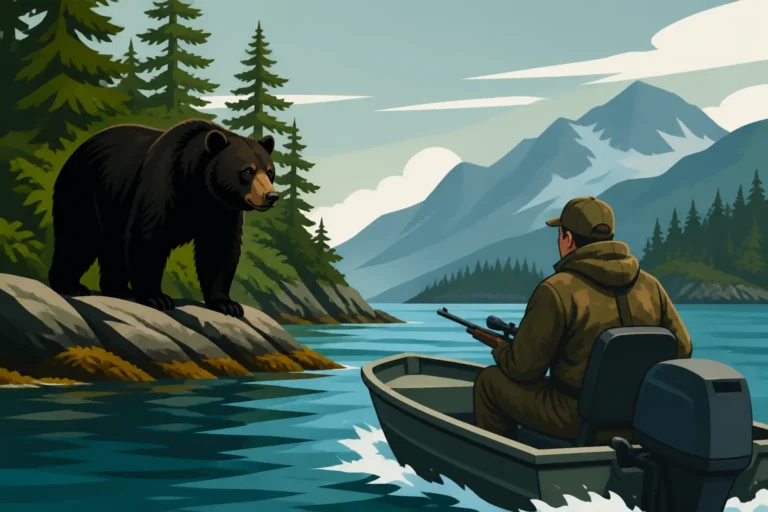
These direct sales are often advertised through hunting forums, outfitter websites, or through specialized booking platforms. For example, some hunters might look on platforms like BookYourHunt, which aggregates listings from various outfitters, or GoHunt, which often highlights special tag opportunities. These platforms act as a marketplace, connecting hunters with available hunts and tags, though it's always critical to do your due diligence and communicate directly with the outfitter. These tags can range from specific species like a large bull moose in the Interior to a black bear hunt on a coastal estuary. Hunting Guides and Outfitters in British Columbia often list these unique openings.
What makes these direct sales attractive is the potential for flexibility. While not as "exclusive" as an auctioned conservation tag, they can still offer prime dates, specific species in specific regions, or even combination hunts that aren't typically advertised. It's like finding a hidden gem in the vast landscape of British Columbia hunting opportunities.
Practicalities of Acquiring and Using Special Tags
Now that you know what these tags are and where they come from, let's talk about the nitty-gritty of actually getting one and planning your hunt around it. It's not just about having the funds; it's about making smart decisions.
Vetting Opportunities and Due Diligence
Whether you're eyeing an auction tag or a direct sale, the importance of vetting the opportunity cannot be overstated. This isn't a small investment, and you want to ensure you're getting exactly what's advertised.
Here's what you should consider:
- Understand the Specifics of the Tag: Is it for a specific species, region, and season? Does it have any special conditions, like an extended season or a particular management unit? For instance, a British Columbia's Four-Point Antler Restriction might apply to a deer tag, even an auction one. Make sure you understand all the nuances before committing.
- Research the Outfitter: If the tag comes with a guided hunt, thoroughly research the guide outfitter. Check their reputation, ask for references, and review their success rates. You can often find reviews on platforms like BookYourHunt or through hunting communities on GoHunt. Are they known for the species you're pursuing? Do they operate ethically? What kind of experience do they offer? This due diligence is critical for Choosing the Right British Columbia Outfitter.
- Read the Fine Print: For auction tags, understand the terms of the auction – payment deadlines, cancellation policies, what's included in the hunt package that accompanies the tag (e.g., camp, food, transportation, additional species), and what isn't (e.g., flights, taxidermy, gratuities). For direct sales, get everything in writing from the outfitter.
Table: Key Considerations for Special Tag Acquisition
| Feature | Auction Tag | Direct Outfitter Sale |
|---|---|---|
| Origin | Donated by province to conservation groups | Outfitter's standard allocation or special situation |
| Availability | Limited, specific events (e.g., conventions) | Varies, can be listed online or direct |
| Exclusivity | Often highly exclusive (extended season, unique area) | Can be unique dates/areas, less exclusive than auction |
| Contribution | Significant funds to conservation | Supports outfitter business and local economy |
| Vetting | Research auction house & associated outfitter | Thoroughly vet individual outfitter |
| Cost Expectation | Premium, often very high | Can vary, but typically higher than standard LEH |
The Investment and Conservation Impact
Let's be realistic: acquiring one of these special British Columbia tags, especially through an auction, is a significant financial investment. We're talking about figures that can range from several thousand dollars for a unique bear tag to well into the tens or hundreds of thousands for a coveted sheep or moose tag. This isn't your everyday hunting expense, but the value goes far beyond just the opportunity to harvest an animal.
The substantial funds generated by conservation auctions directly fuel critical wildlife management and habitat restoration projects across British Columbia. This might mean funding research into declining caribou herds, improving winter range for elk, or supporting anti-poaching initiatives. When you participate in these auctions, you're not just buying a hunt; you're becoming a direct patron of conservation. It’s a powerful way to leave a legacy, knowing your investment is helping to ensure healthy wildlife populations for generations to come. This aligns with the larger goals of organizations dedicated to sustaining British Columbia's wild places and the animals that call them home.
Planning Your Hunt with an Auctioned or Purchased Tag
Once you've secured one of these special tags, the real planning begins. This isn't a typical draw hunt where you wait for results; you've got a specific opportunity, and you need to maximize it.
- Communicate Constantly with Your Outfitter: If the tag comes with a guided hunt, your outfitter is your most valuable resource. Discuss logistics, gear requirements, fitness expectations, and what kind of hunt experience you're looking for. Are you Booking a British Columbia Sheep Hunt or a coastal bear adventure? The planning will differ significantly.
- Physical Preparation: Many of these special tag hunts, particularly for mountain species like sheep or goats, demand peak physical conditioning. Start training well in advance. British Columbia's terrain can be unforgiving, whether it's the steep alpine of the north or the dense coastal rainforest. Think about how you'll handle Packing Out of British Columbia's Steep Country.
- Gear Selection: Invest in high-quality gear appropriate for British Columbia's varied and often challenging weather conditions. This includes reliable optics, durable rain gear for coastal hunts, and insulated clothing for alpine expeditions. Your outfitter can provide a detailed gear list, but don't skimp on essentials.
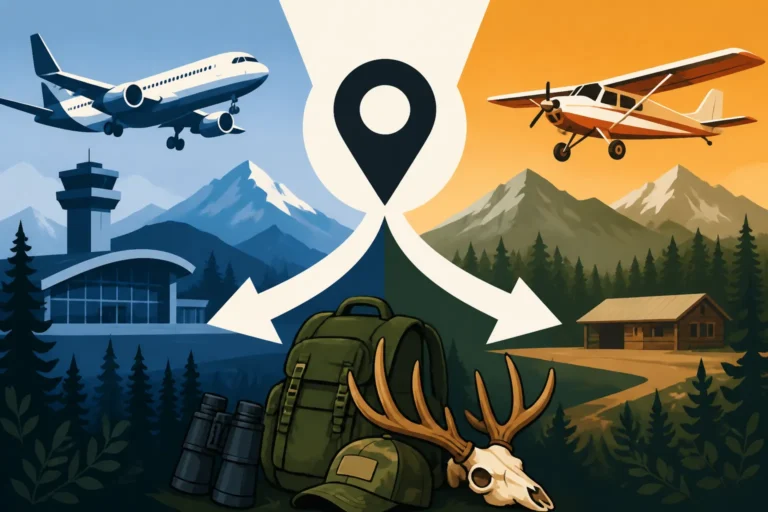
- Travel Logistics: Consider how you’ll get to the jumping-off point for your hunt. British Columbia is a vast province, and many of these premier hunting areas are remote. You might be flying into a northern hub like Prince George or using a float plane to access a remote lake. Always account for potential travel delays and have contingency plans.
- Compulsory Reporting and Inspection: Remember that even with a special tag, all British Columbia hunting regulations apply. This includes British Columbia's Compulsory Reporting Rules and potential compulsory inspection requirements for certain species, like sheep or mountain goats. Ensure you understand these obligations to avoid any issues after a successful hunt.
These opportunities are truly once-in-a-lifetime for many hunters, offering access to some of the most sought-after big game animals in North America. They require significant commitment, both financial and personal, but the experience, the challenge, and the contribution to conservation make them incredibly rewarding.
Disclaimer
This article is for general informational purposes only and does not constitute professional advice. Laws, prices and regulations vary by location and change over time. Consult a qualified professional for guidance on your specific situation.