British Columbia Bear Hunt Prices
It's completely understandable to feel a bit overwhelmed when you start looking into the cost of a guided bear hunt in British Columbia. You’re not just paying for the chance to pursue a magnificent animal; you're also investing in an experience, the expertise of a professional, and access to incredible wild places. This guide is here to help you unpack the different factors that influence British Columbia bear hunt prices, so you can budget realistically and understand what your hard-earned money is truly buying.
Understanding What Influences British Columbia Bear Hunt Prices
The cost of a guided bear hunt in British Columbia isn't a single, flat rate. It's a spectrum, shaped by a multitude of factors, much like buying a vehicle – a basic model gets you from A to B, but a luxury SUV with all the bells and whistles costs significantly more. When you start researching, you’ll quickly see that what seems like a simple "bear hunt" can vary wildly in its offerings and, consequently, its price.
Spring Versus Fall Bear Hunts
The time of year you choose to hunt black bears in British Columbia plays a significant role in the cost. Spring bear hunts, typically from April through June, are immensely popular. During this season, bears are just emerging from hibernation, often found feeding on green-up in open areas like logging cutblocks, avalanche chutes, and coastal estuaries. This can make for some fantastic spot-and-stalk opportunities, as the bears are focused on foraging after a long winter fast.
Fall bear hunts, running from September through November in many regions, offer a different experience. Bears are often concentrated on berry crops in the alpine or lower-elevation areas, or on salmon streams further west. The dense vegetation of summer can make spotting more challenging, but the chance of encountering bears actively fattening up for winter can be excellent. Often, fall bear hunts are combined with other species, like deer or elk, as a combo hunt, which naturally affects the overall package price. A dedicated spring bear hunt might be a simpler, more focused offering, while a fall hunt might weave into a larger adventure. Hunting Fall Bears on British Columbia Berry Slopes will give you more insight into that season.
Coastal Versus Interior Hunts and Logistics
British Columbia is a vast province, stretching from the Pacific Ocean to the Rocky Mountains, and the terrain varies dramatically. A hunt on the rugged, rain-soaked coast, often involving boat access to remote inlets and estuaries, presents a different logistical challenge and cost structure than an interior hunt that might rely on four-wheel drive vehicles, ATV trails, or even horseback.
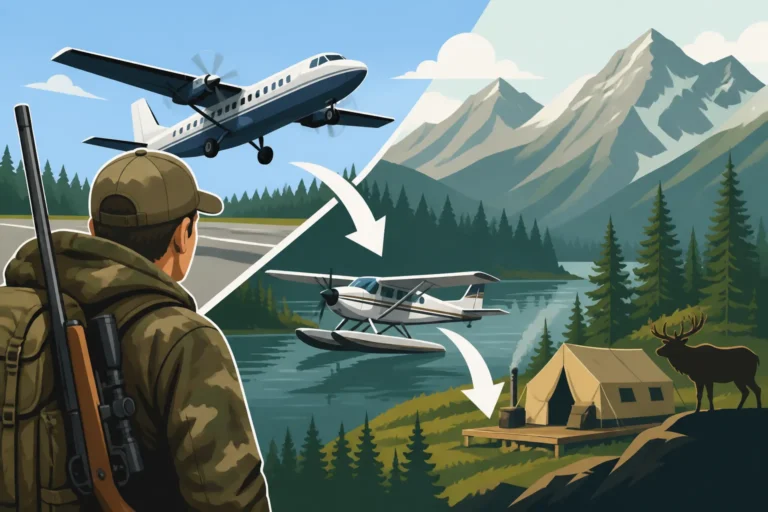
Coastal hunts might involve specialized boats, a captain, and the inherent costs of operating in a marine environment. Imagine cruising through a misty fjord, glassing the shores for bears. The equipment, fuel, and specialized knowledge for navigating these waters are all factored into the price. In contrast, an interior hunt might involve extensive driving on British Columbia's Forest Service Road Network, followed by hiking or ATV travel. The remoteness of the hunting area also adds to the price. Accessing truly wild and unpressured areas often requires bush planes, helicopters, or long horseback rides into the backcountry. These are premium services that significantly increase the overall investment, but they also get you into places very few people ever see.
Length of the Hunt and Services Included
Most guided bear hunts in British Columbia are sold as packages covering a certain number of hunting days, typically ranging from 5 to 7 days, though shorter or longer options exist. The longer the hunt, the higher the overall cost, simply because you're utilizing the outfitter's resources, guides, and camp facilities for a longer period.
What's included in the package also varies widely. A comprehensive package will generally cover:
- Guide services: The expertise and time of your licensed guide(s).
- Accommodations: This could range from comfortable lodge settings with hot showers to rustic tent camps or even spike camps in the alpine.
- Meals: Often, meals are provided and cooked by camp staff.
- In-field transportation: From trucks and ATVs to boats, horses, or even bush plane flights to get you into the hunting area.
- Field preparation of game: Skinning, quartering, and caping your bear.
- Basic trophy care: Salting and freezing the hide and skull for transport.
However, many "hidden" costs are typically not included. These usually involve your hunting license and species tags, which can be purchased online or through independent vendors. For non-residents, a guide or a British Columbia's Permit to Accompany is mandatory, and these requirements are part of the overall cost structure. British Columbia Hunting Licences and Fees will give you a detailed breakdown of those official costs. Other exclusions often include:
- Travel to and from the outfitter’s meeting point.
- Gratuities for guides and camp staff.
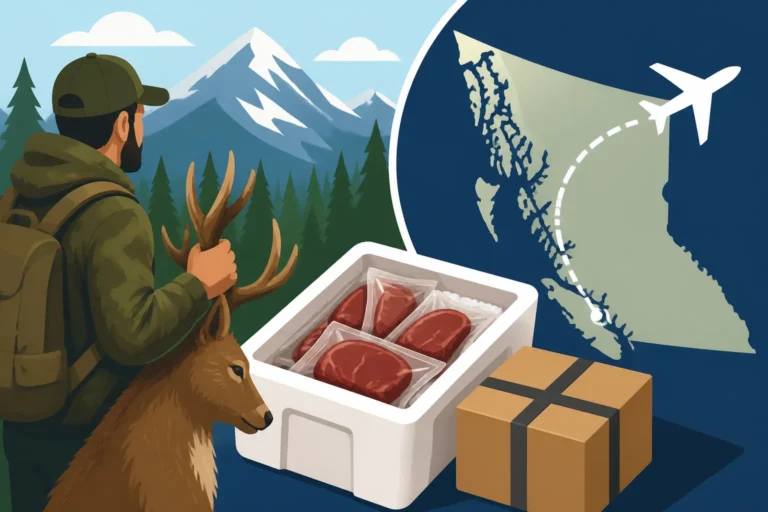
- Meat processing and shipping.
- Taxidermy services.
- Personal hunting gear and optics.
- Alcoholic beverages.
It's crucial to get a detailed breakdown from any outfitter you consider, so there are no surprises when it comes to the final tally.
Typical Price Ranges and What They Include
When you’re trying to understand British Columbia bear hunt prices, it helps to think in tiers, based on the type of experience and the level of service you’re seeking. Remember, I won't be giving exact numbers as these change constantly, but I can describe the general scope and what you'd expect at each level. Always check directly with outfitters for their current rates.
Entry-Level and Budget-Friendly Options
These hunts are designed to be more accessible, often focusing solely on black bear and providing a straightforward experience. You might find these opportunities for a shorter duration, perhaps 5 hunting days. Access might be primarily via logging roads and hiking, without the need for specialized equipment like boats or aircraft.
What to expect:
- Focus: Black bear only, usually spring season.
- Access: Drive-in camps, often using trucks and ATVs on well-established British Columbia's Forest Service Road Network.
- Accommodations: Could be comfortable wall tents, small cabins, or basic lodge rooms.
- Guide Ratio: Often 1:1 or 2:1 (one guide for one or two hunters), with 2:1 being more common to manage costs.
- Inclusions: Guide, basic camp, meals, initial field prep.
- Exclusions: All licenses, tags, travel, tips, processing, taxidermy.
These hunts are fantastic for a first-time guided experience or for hunters prioritizing the pursuit itself over luxury amenities. They offer a legitimate chance at a good bear without breaking the bank.
Mid-Range and Standard Guided Hunts
This is where the majority of guided bear hunts fall, offering a balance of quality, experience, and value. You'll find a wider variety of options here, including dedicated spring or fall hunts, and potentially the option for a second bear if available and legal.
What to expect:
- Focus: Black bear, with potential for combo additions (like wolf or coyote) if regulations allow. Both spring and fall options.
- Access: Could be a mix of road access, more extensive ATV travel, or boat-based hunts in specific coastal areas. The camps might be more remote, requiring a bit more effort to reach.
- Accommodations: Comfortable lodges, well-equipped tent camps, or even remote cabins. More amenities are usually present.
- Guide Ratio: Primarily 1:1 (one guide per hunter) for a more personalized experience.
- Inclusions: Professional guide, comfortable camp with better amenities, quality meals, extensive field prep, and perhaps initial transport from a local hub.
- Exclusions: Same as above – licenses, tags, travel, tips, processing, taxidermy.
These packages offer a solid hunting adventure with a good level of comfort and personalized attention. Outfitters in this range often have a strong reputation for consistent success and client satisfaction. Many operators listed on platforms like BookYourHunt or GoHunt will fall into this category, allowing you to compare options.
Premium and Specialty Hunts
At the higher end, you're looking at truly immersive and often remote experiences. These hunts might target specific types of bears (e.g., extremely large boars, unique colour phases), offer longer durations, or involve highly specialized access methods. Think fly-in alpine hunts or multi-species adventures.
What to expect:
- Focus: Trophy-class black bear, potentially unique colour phases like a blonde or cinnamon bear, or combined with other big game species.
- Access: Fly-in camps, remote horseback expeditions, extensive boat-based trips into very secluded areas.
- Accommodations: Deluxe remote lodges, high-end tent camps with all the comforts, or specialized boat-based accommodations.
- Guide Ratio: Almost exclusively 1:1, often with additional support staff (cooks, wranglers, boat captains).
- Inclusions: Top-tier guides, premium camps, gourmet meals, all field prep, initial trophy transport, and sometimes charter flights from a regional airport.
- Exclusions: Again, licenses, tags, travel to the charter point, tips, processing, taxidermy, and any additional animals desired beyond the package.
These hunts are for hunters seeking a truly unforgettable, high-success-rate experience in some of British Columbia's most pristine and remote wilderness. They are a significant investment, but often deliver on unparalleled adventure and trophy potential. Booking a British Columbia Bear Hunt often involves considering these different tiers.
Breaking Down the Value: What You're Really Paying For
When you see the price tag for a guided British Columbia bear hunt, it’s natural to feel a bit of sticker shock. But it’s not just about the animal; it’s about the comprehensive service, safety, and expertise that makes a successful and memorable hunt possible. Understanding this value helps contextualize the cost.
Expert Local Knowledge and Access
One of the most valuable aspects of a guided hunt is the outfitter's intimate knowledge of their guiding territory. These individuals spend countless hours Scouting a British Columbia Management Unit, monitoring game movements, understanding feeding patterns, and knowing exactly where bears are likely to be at different times of the season. They've seen the What Wildfire Has Done to British Columbia Game and know how to adapt. This isn’t knowledge you can gain in a weekend; it’s built over years, even decades, of living and working in these remote areas.
Furthermore, outfitters often have legitimate access to prime hunting areas that would be incredibly difficult, if not impossible, for the average hunter to reach independently. This could be through private land leases, specialized vehicle access permits, or simply the logistical capability to run camps in truly remote Crown Land. This access alone can be worth the investment, putting you in areas with less pressure and potentially higher-quality animals.
Safety, Logistics, and Equipment
British Columbia's wilderness is vast, rugged, and unforgiving. Safety is paramount, and a reputable outfitter provides a critical layer of protection. They have:
- Emergency plans: What happens if someone gets injured? How do you get out of a remote location quickly? Outfitters have established protocols, satellite communication devices, and first aid training to handle emergencies.
- Navigation expertise: Navigating dense forests, mountain ranges, or intricate coastal waterways requires specific skills and equipment. Guides ensure you don’t get lost or stranded.
- Proper equipment: From reliable vehicles and boats to comfortable camp setups, the outfitter provides all the necessary infrastructure. Imagine the cost and effort of buying, transporting, and maintaining all that gear yourself for just one hunt!
- Bear Safety: Being in bear country means understanding Bear Safety While Hunting in British Columbia. Your guide is experienced in reading bear behaviour and carrying appropriate deterrents and firearms for protection.
All of this logistical planning, risk mitigation, and equipment provision is a substantial undertaking, and it’s a huge part of what you’re paying for.
The "Permit to Accompany" Advantage for Non-Residents
For non-residents looking to hunt big game in British Columbia, the law requires you to either hunt with a licensed guide outfitter or be accompanied by a resident under a "Permit to Accompany." The Permit to Accompany is a fantastic option for those with resident friends or family, but it comes with its own set of rules and limitations. For many, especially those without established local connections, a guided hunt is the only practical way to experience hunting British Columbia’s big game. Why Non-Residents Need a Guide in British Columbia explains this in detail. This legal requirement solidifies the guide outfitter's role as the primary avenue for non-resident big game hunting, and their services are priced accordingly.
Guide Experience and Reputation
Just like any profession, not all guides are created equal. A highly experienced guide with a long track record of successful and safe hunts will command a higher rate, and rightly so. You're paying for their honed skills in tracking, calling, field judging a What a Coastal Black Bear Weighs or a Judging a Boar From a Sow With Cubs, and their ability to put you in the right place at the right time.
When researching, look for outfitters with positive references, clear communication, and a transparent approach to their operations. Websites like GoHunt or BookYourHunt often feature reviews and detailed outfitter profiles, which can be invaluable. Don't be shy about asking an outfitter for past client references – any reputable operation will be happy to provide them. A good guide isn't just a hunter; they're an educator, a coach, and often, a new friend.
How to Research and Budget for Your British Columbia Bear Hunt
Planning a guided bear hunt in British Columbia is an exciting endeavour, but a solid research and budgeting strategy is key to ensuring a successful and stress-free experience. Don't rush this part – it's an investment!
Step-by-Step Research
- Define Your Hunt Type: First, decide what kind of bear hunt you're after. Are you looking for a spring spot-and-stalk adventure, or a fall hunt that could be combined with other species? Do you prefer a lodge experience or a more rustic backcountry camp? Knowing your priorities will help narrow down your search.
- Explore Outfitter Directories: Start by browsing reputable online directories and hunting platforms. Websites like BookYourHunt and GoHunt offer extensive listings of British Columbia outfitters, often with details on their packages, available dates, and sometimes even initial pricing estimates. These platforms can be a great starting point to get a feel for the market.
- Contact Multiple Outfitters: Don't just pick the first one you find. Reach out to several outfitters whose offerings align with your interests. Ask for detailed package breakdowns, including what is and isn't included, British Columbia Bear Season Dates, guide-to-hunter ratios, and camp logistics.
- Ask for References: This is crucial. Ask potential outfitters for a list of recent clients you can contact. Speaking directly with past hunters will give you invaluable insight into the outfitter's operation, the guide's competency, camp conditions, and overall client satisfaction.
- Verify Licensing and Insurance: Always ensure the outfitter and their guides are properly licensed in British Columbia. Reputable outfitters should also carry appropriate insurance. You can often check this through provincial hunting associations. Checking a British Columbia Guide Licence is a must.
Budgeting Beyond the Package Price
Once you have a clear idea of the outfitter's package price, it’s time to factor in all the additional costs that can quickly add up.
- Licence and Tags: As a non-resident, you'll need a basic hunting license and a specific tag for black bear. These are mandatory and typically purchased separately from the outfitter's package.
- Travel Costs: How will you get to the outfitter's meeting point? Factor in flights, vehicle rental, fuel, and potentially overnight stays before and after your hunt. Many hunts require travel to smaller regional airports, which can sometimes be pricier.
- Gratuities (Tips): Tipping your guide and camp staff is customary and a significant part of their income. A general guideline is to budget a certain percentage of the hunt cost for your guide, and a smaller amount for other camp staff. Ask your outfitter for their recommendations on Tipping a British Columbia Guide.
- Meat and Trophy Care: While field dressing is usually included, processing your meat (cutting, wrapping, freezing) and shipping it home is often an additional expense. The same goes for taxidermy – if you plan to mount your bear, factor in the cost of the taxidermist and any export fees.
- Personal Gear: Make sure your gear is up to snuff for British Columbia's diverse weather and terrain. High-quality rain gear, sturdy boots, and appropriate layers are essential. What to Bring on a British Columbia Guided Hunt is a good resource here. Don't forget optics, a reliable rifle or bow, and ammunition.
- Contingency Fund: Always build in a buffer for unexpected costs or delays, like extra nights in a hotel due to weather, or unforeseen gear repairs.
By meticulously researching and accounting for all these elements, you can approach your British Columbia bear hunt with confidence, knowing you’ve prepared thoroughly for the adventure ahead.
| Hunt Component | Typically Included in Package | Typically Excluded (Extra Cost) |
|---|---|---|
| Guide Services | Professional guide (1:1 or 2:1 ratio) | Gratuities/Tips for guides and staff |
| Accommodations | Lodge, cabin, or tent camp (based on package) | Pre/post-hunt hotel stays |
| Meals | All meals in camp | Alcoholic beverages, snacks for travel |
| In-field Transportation | Trucks, ATVs, boats, horses (within hunting area) | Airfare/driving to meeting point, charter flights (unless specified) |
| Game Preparation | Field dressing, skinning, caping, initial salting/freezing | Professional meat processing, taxidermy, shipping game/trophy home |
| Licenses & Tags | None | British Columbia Resident/Non-Resident hunting license, bear tag |
| Personal Gear | None | Hunting clothing, boots, optics, rifle/bow, ammunition |
| Contingency | None | Emergency funds for unforeseen delays, extra expenses |
This article is for general informational purposes only and does not constitute professional advice. Laws, prices and regulations vary by location and change over time. Consult a qualified professional for guidance on your specific situation.