Timing a British Columbia Spring Bear Hunt
Deciding exactly when to hit the woods for a British Columbia spring bear hunt can feel like trying to catch smoke. You’ve got your gear ready, the excitement is building, but knowing the precise window when those big bruins will be out and actively feeding, not just emerging from their dens, is a challenge many hunters grapple with. This guide will walk you through the nuances of timing your spring bear hunt in BC, from understanding regional season dates to deciphering the environmental cues that dictate peak bear activity.
Understanding British Columbia's Spring Bear Season Dates
The first step in planning any hunt, especially for spring bears, is to thoroughly understand the regulatory framework. British Columbia's hunting regulations are comprehensive, and spring bear season dates can vary significantly depending on the specific Management Unit (MU) you plan to hunt in. This isn't a one-size-fits-all scenario, and getting it wrong could cost you a valuable tag or worse.
General Season Openers and Closures
Generally, British Columbia's spring black bear season kicks off in mid-April in some southern coastal and interior regions, extending well into June in northern and higher elevation zones. While you might see some bears stir earlier, the huntable season typically begins once they've fully emerged and started actively foraging. It's not just about when you can hunt, but when it's most effective to hunt. For instance, the coastal areas often see earlier bear activity due to milder temperatures and a quicker green-up. You'll find specific details on these timelines within the official provincial hunting synopsis, which changes every two years. Always cross-reference your planned MU and species with the current regulations to ensure you're compliant. For a deep dive into these specifics, check out our guide on British Columbia Spring Bear Season Dates.
Regional and Management Unit Variations
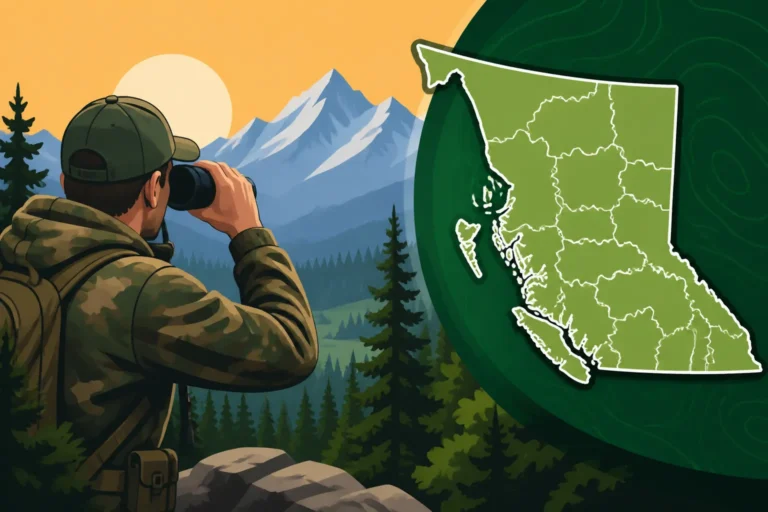
The province is vast and incredibly diverse, divided into nine administrative regions, each with numerous Management Units. This means a spring bear hunt on Vancouver Island will have a vastly different timeline and set of environmental factors than one in the Peace River region or the Kootenays. Some regions might have continuous seasons from April through June, while others might have staggered openings or even earlier closures in specific units.
For example, coastal regions like Region 1 (Vancouver Island) and Region 2 (Lower Mainland/Sunshine Coast) often open for black bears in early April and run through to June 15th, sometimes even later in certain MUs. These areas benefit from milder temperatures and rapid vegetation growth along estuaries and lower elevation logging roads. In contrast, the northern regions, such as Region 6 (Skeena) or Region 7 (Omineca/Peace), might see their seasons open later in April or even May, and run closer to June 30th or even into July in some areas, accounting for the delayed snowmelt and vegetation growth at higher latitudes and elevations. Don't make the mistake of assuming all "spring bear" hunts are the same; regional knowledge is paramount.
Key Environmental Factors Influencing Optimal Timing
Beyond the legal opening and closing dates, the true "timing" of a successful spring bear hunt in British Columbia hinges entirely on environmental factors. Bears are creatures of opportunity, and their movements are dictated by food availability and comfortable weather. Missing these crucial cues means you might be hunting empty woods.
Snow Melt and Elevation Dynamics
This is arguably the most critical factor. Black bears, like many ungulates, follow the green-up. As winter snows begin to melt, the first tender shoots of vegetation emerge at lower elevations, often in south-facing aspects where the sun hits hardest. These are the natural magnets for bears emerging from their dens. Early in the spring, bears will concentrate in these lower valleys, on old logging roads, and along river bottoms.
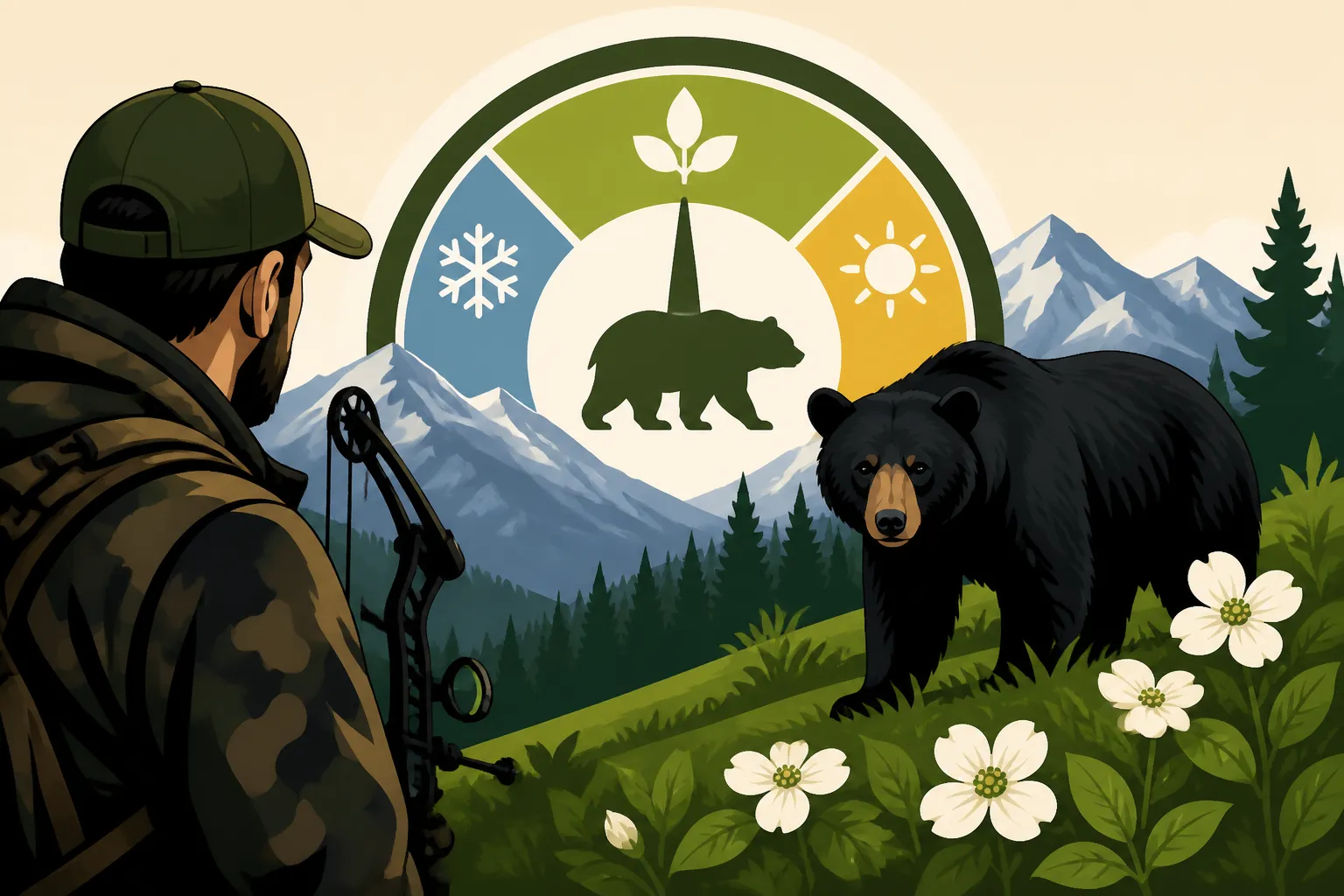
As the season progresses and the snowline retreats up the mountainsides, bears will follow that green wave, moving higher and higher in elevation to access new growth. This "following the green" phenomenon is why a bear hunt in late April might focus on valley bottoms, while a late May or early June hunt could find bears actively foraging in subalpine meadows or on newly melted Hunting an Avalanche Path in Spring. Understanding this vertical migration is key to knowing where to focus your glassing efforts. Keep an eye on local snowpack reports and recent weather to anticipate these shifts.
Emergent Food Sources and Foraging Habits
Black bears are omnivores, but in the spring, their diet is largely driven by fresh, nutritious vegetation. They're looking for easily digestible carbohydrates and proteins after months of hibernation. Common early spring food sources include:
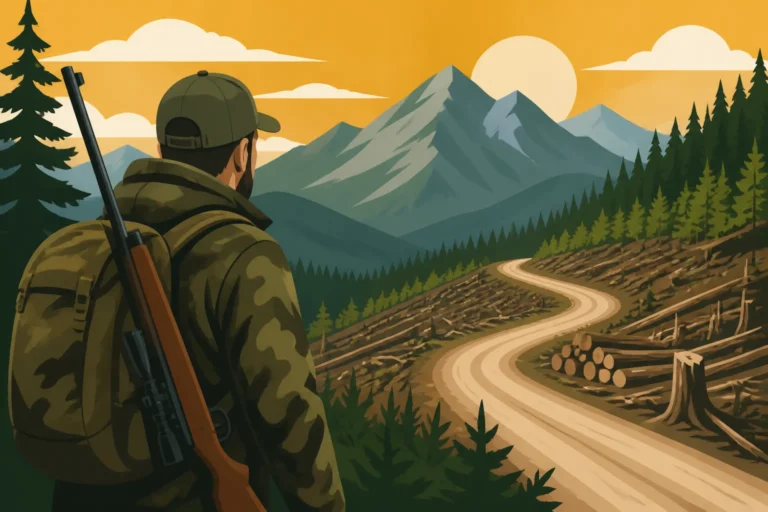
- Green Grass and Forbs: Dandelions, clover, cow parsnip, and various grasses are among the first plants to emerge and are highly sought after by bears. These often pop up first along sun-exposed logging roads, clearcuts, and south-facing slopes. This makes Glassing Logging Roads for Spring Bears a highly effective strategy.
- Skunk Cabbage: In moist, boggy areas, especially on the coast, skunk cabbage is a crucial early food source. These vibrant green plants signal prime feeding grounds. You'll often find bears tearing apart the large leaves for the nutritious inner stalks. Our guide on What Bears Eat on a Coastal Estuary delves into this unique coastal foraging.
- Buds and Shoots: As deciduous trees and shrubs begin to bud, bears will browse on the new growth, particularly on aspen, willow, and various berry bushes.
- Winter Kill: While less predictable, bears will also scavenge on any animals that didn't survive the winter, such as deer or elk carcasses.
The presence and abundance of these food sources are direct indicators of where bears will be. If an area hasn't "greened up" yet, bears are unlikely to be there in large numbers, regardless of the calendar date.
Weather Patterns and Temperature Swings
Weather plays an enormous role in bear activity. Bears generally prefer stable, mild conditions.
- Warm, Sunny Days: These are often excellent for spring bear hunting, especially after a cold snap. Bears love to bask in the sun to warm up, and it promotes vegetation growth. South-facing slopes that catch the most sun will become hot spots.
- Cool, Overcast, or Drizzly Days: These conditions can also be surprisingly good. Bears are less likely to overheat or be bothered by insects, and they feel more secure in lower light. A light drizzle can be ideal, as it softens their fur and makes them less visible against wet vegetation.
- Cold Snaps or Heavy Rain/Snow: Severe weather can push bears back into temporary dens or dense cover, making them extremely difficult to locate. A late spring snowstorm, while beautiful, can shut down bear activity for days.
- Wind: High winds make it difficult to spot bears and for bears to scent danger, but it also makes it harder for hunters to hear and stalk. Moderate wind is manageable, but strong gusts can send bears seeking shelter.
Experienced hunters know that while a specific date might be "open," the weather in a given week can make or break a hunt. Staying flexible and watching the forecast is essential for maximizing your chances.
Regional Differences for Spring Bear Hunts in British Columbia
British Columbia's immense geographical diversity means that what works in one region for spring bear timing might be completely ineffective in another. It's like comparing apples to oranges, or rather, rainforests to arid grasslands.
Coastal vs. Interior Bear Emergence
The distinction between coastal and interior regions is paramount for timing your hunt.
- Coastal Bears (Regions 1 & 2, parts of 6): The milder, wetter climate of the coast typically means an earlier spring. Bears along the Pacific coast often emerge from their dens in late March or early April. Their initial food sources are often found along estuaries, beaches, and lower elevation clearcuts where skunk cabbage and green grasses flourish. Coastal black bears, known for their impressive size and diverse colour phases, are accustomed to the wet climate. Our article on What a Coastal Black Bear Weighs provides some interesting insights into these magnificent animals.
- Interior Bears (Regions 3, 4, 5, 7, 8): In contrast, the interior of BC experiences harsher winters and later springs. Bear emergence here is directly tied to the melting snowline and the subsequent green-up in valley bottoms and on sun-exposed hillsides. Hunts typically kick off later, usually late April into May, focusing on logging roads, burns, and lower slopes. As the snow recedes, they follow the green higher into the mountains. The interior has a mix of forest types, from dense timber to open ponderosa pine stands, influencing where bears might be found.
This table highlights the general differences in spring bear timing across British Columbia's diverse landscapes:
| Region Type | General Timing (Peak) | Key Indicators | Primary Foraging Areas |
|---|---|---|---|
| Coastal (South) | Mid-April to Mid-May | Early green-up, skunk cabbage, mild weather | Estuaries, beaches, lower logging roads, river deltas |
| Southern Interior | Early May to Late May | Valley bottom green-up, dandelions, snowmelt | Logging roads, clearcuts, south-facing slopes, grassland edges |
| Northern Interior | Mid-May to Early June | Snowline retreat, new grass, warmer temps | Logging roads, recent burns, riparian zones |
| High Elevation | Late May to Mid-June (+later) | Alpine green-up, avalanche chutes, exposed rock | Subalpine meadows, avalanche paths, high clearcuts |
Northern vs. Southern Regions
Even within the interior, latitude plays a significant role. The farther north you go, the later the spring and the later the bears will emerge.
- Southern Regions (Kootenays, Okanagan, Thompson-Nicola): These areas generally experience earlier springs and therefore earlier bear activity. Hunters might find success starting in late April or early May in these areas, particularly on low-elevation, south-facing slopes.
- Northern Regions (Omineca, Peace, Skeena): Spring arrives much later here. Hunters might not see consistent bear activity until mid-May or even early June. The season also extends later into the summer in some northern MUs. Planning a hunt in these areas requires a later calendar window and a focus on where the snow is receding and green feed is emerging.
Understanding these regional distinctions is crucial. Don't book a hunt for early May in the far north expecting the same conditions you'd find on the coast or in the southern interior. Using tools like GoHunt's satellite imagery can help you visualize snowpack and green-up progression in your chosen area.
Planning Your Hunt Around Peak Activity
Successfully timing a British Columbia spring bear hunt isn't about picking a single date; it's about understanding the progression of spring and being adaptable. It's a dynamic process that rewards careful observation and flexibility.
Pre-Season Scouting and Observation
The legwork you put in before the season opens is invaluable. While you can't be in the field every day, you can use technology and local knowledge to your advantage.
- Satellite Imagery: Platforms like GoHunt provide invaluable satellite imagery that can show snowpack levels, the extent of green-up, and potential travel corridors or feeding areas from previous seasons. Look for south-facing slopes, creek drainages, and areas with historical activity.
- Road Conditions: Many spring bear hunts in British Columbia involve extensive driving on logging roads. Use online resources to check for road closures, deactivations, or recent snow accumulation. An otherwise perfect spot might be inaccessible if the road is washed out or still snowed in.
- Local Intel: If possible, talk to locals, forest service workers, or other hunters who might have observed early spring conditions. They can provide real-time insights into snowmelt and early green-up.
- Trail Cameras: While not always feasible for distant backcountry, if you have access to areas you plan to hunt, trail cameras can provide actual dates of bear emergence and activity.
Remember, bears are constantly moving to find new food. Your pre-season scouting should identify areas that are likely to hold bears, rather than just specific spots. This prepares you for a flexible approach.
Flexibility and Adaptability in Your Schedule
This cannot be stressed enough: rigidity is the enemy of the spring bear hunter. If you can, plan for a window of several days, or even a couple of trips, rather than a single weekend.
- Weather Windows: Watch the long-range forecast. A string of warm, sunny days after a period of rain or cold is often a prime hunting window. Similarly, a couple of consistently overcast, mild days can also be highly productive.
- Multiple Locations: Have backup plans. If your primary low-elevation spot isn't producing, be ready to move higher or shift to a different aspect (e.g., from a south-facing slope to an east-facing one) where conditions might be more favourable.
- Go Later, Not Earlier: If you're unsure, err on the side of going slightly later in the season for your chosen area. While bears will be out earlier, waiting a bit longer often means more consistent feeding activity and bears spread across a wider range of elevations, not just those first few green patches. This also increases your chances of encountering those larger boars that might be later to emerge or those that are more active after the initial emergence. For tips on distinguishing a boar from a sow, our guide on Judging a Boar From a Sow With Cubs is very helpful.
Combining Factors for the Ideal Window
The absolute sweet spot for a British Columbia spring bear hunt is when all the stars align:
- Consistent Mild Weather: Not too hot, not too cold, ideally a mix of sun and cloud with minimal wind.
- Active Snowmelt: The snowline is visibly receding, exposing new ground daily.
- Widespread Green-up: Tender, new vegetation is abundant in your target elevation band.
- Accessible Roads: Your preferred hunting areas are reachable, and you can cover ground safely.
When these conditions converge, bears will be actively out of their dens, foraging consistently, and often visible. This is when you'll find them focused on Spring Bear Hunting British Columbia's Logging Roads or patrolling avalanche chutes, providing excellent glassing opportunities. Always prioritize bear safety when in the field, as these animals are coming out of hibernation and can be unpredictable. Reviewing resources like Bear Safety While Hunting in British Columbia is always a good idea.
Once you harvest a bear, proper meat and hide care are critical, especially in the variable temperatures of spring. Knowing how to quickly cool and preserve your harvest, as discussed in Cooling a Bear Hide in Warm Weather, will ensure your efforts aren't wasted. And don't forget the necessary license and tags; understanding the British Columbia Black Bear Species Licence Cost is part of the upfront planning.
Ultimately, timing a British Columbia spring bear hunt is a blend of regulatory compliance, environmental observation, and good old-fashioned adaptability. By understanding the intricate dance between snowmelt, green-up, and weather, and by leveraging modern scouting tools, you can significantly increase your chances of a successful and memorable hunt.
Disclaimer
Hunting in British Columbia carries inherent risks, and conditions can change rapidly. Always prioritize safety, adhere to all provincial and federal regulations, and obtain the necessary licenses and tags. This guide provides general information and should not replace official government resources or professional guidance. It is the hunter's responsibility to understand and comply with all current hunting regulations.