Best British Columbia Ground for Bear
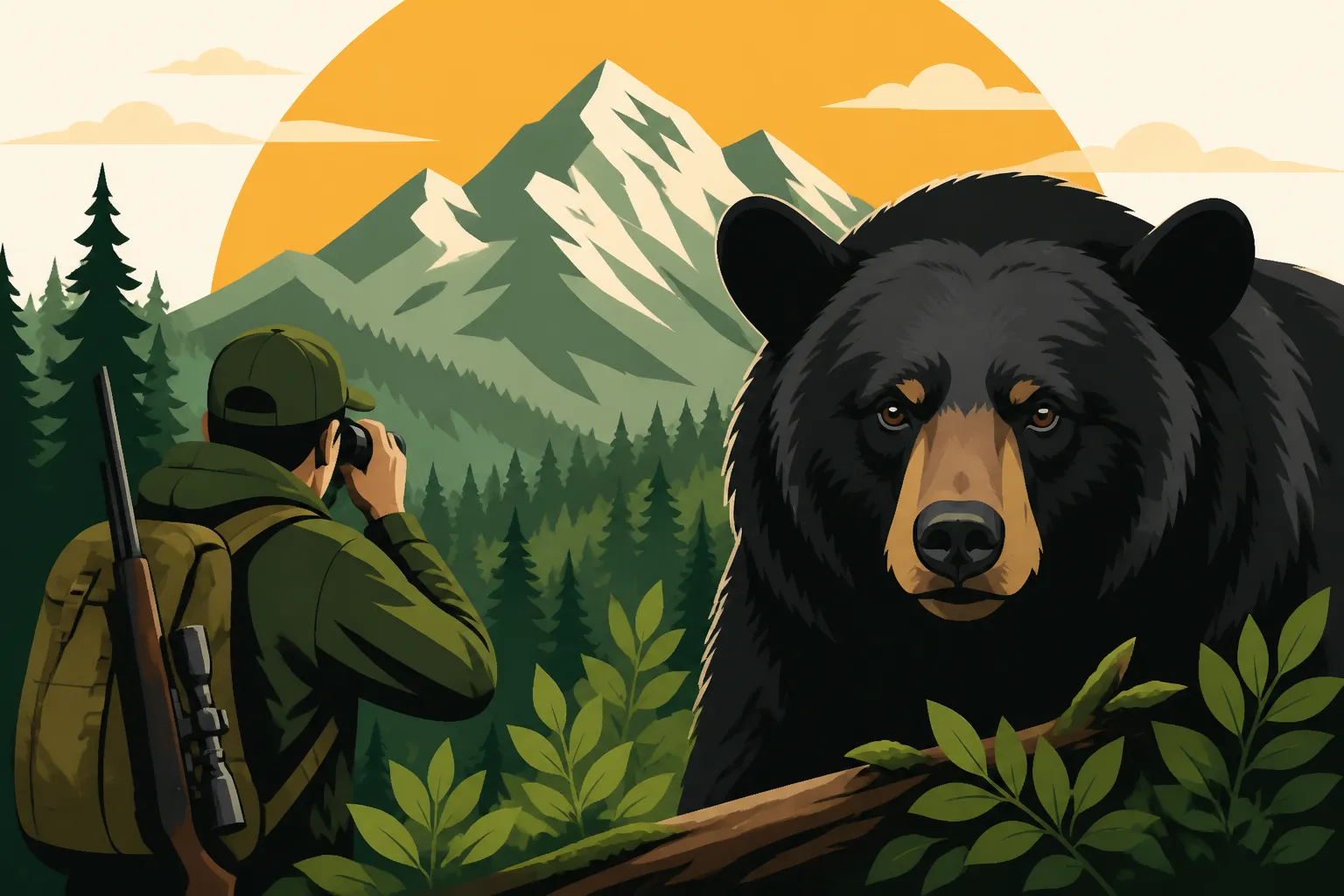
For many hunters, the thought of pursuing a bear in British Columbia conjures images of vast wilderness and challenging terrain. It's an intimidating prospect, trying to pinpoint where these elusive animals truly live and thrive across such a massive and diverse landscape. This guide aims to demystify the process, helping you understand the prime habitats where British Columbia's bears, particularly black bears, spend their time, and how to focus your efforts to find them.
Understanding British Columbia's Diverse Bear Habitats
British Columbia is a land of incredible ecological variety, and its bear populations reflect this diversity. While grizzly bears are present across much of the province, hunting for them is no longer permitted, so our focus here will be squarely on black bears. These adaptable animals occupy an enormous range of habitats, from the rugged Pacific Coast to the arid interior grasslands and the expansive northern forests. Understanding the fundamental differences in these regions is the first step to finding where they thrive.
Coastal Bear Hotspots
The coastal regions of British Columbia are legendary for their dense forests, abundant rainfall, and rich marine ecosystems. This environment creates a perfect storm of resources that black bears absolutely adore. You'll often find these bears concentrated in specific areas that offer both ample food and security cover.
Think about the long, winding inlets and river estuaries that characterize much of the Pacific coast. These areas are magnets for bears, especially during the spring and fall. In the spring, fresh green growth, like sedges and grasses, emerges early on the flats and mudflats, providing a crucial food source after denning. As the season progresses into late summer and fall, these same river systems become teeming with salmon, drawing bears down from the hillsides in large numbers. Bears will patrol the riverbanks, fish in the shallow pools, and even scavenge on spawned-out carcasses. These coastal estuaries are often prime locations. Beyond the estuaries, vast expanses of second-growth timber and recent clearcuts also draw bears. The regenerating growth in these areas provides a smorgasbord of berries and new plant shoots, especially on sun-drenched slopes. Keep an eye on edges where new growth meets dense timber, as these transition zones offer both food and quick escapes.
Interior Bear Country
Moving inland, the habitat shifts dramatically, but the principles of finding bears remain the same: look for food, water, and cover. British Columbia's Interior Plateau, encompassing regions like the Cariboo, Thompson-Okanagan, and Kootenays, offers a different set of opportunities. Here, bears are often found in areas that have seen recent disturbances, such as forest fires or logging activities, as these create ideal foraging conditions.
Recent burns, particularly those from a few years prior, are absolute goldmines for interior bears. The fire clears out dense canopy, allowing sunlight to reach the forest floor, which in turn causes an explosion of berry bushes like huckleberries and blueberries, as well as succulent forbs and grasses. Bears will spend countless hours foraging in these areas, especially on south-facing slopes which warm up faster in the spring and offer extended sun exposure for berry growth. Similarly, cutblocks – logged areas – that are a few years into regeneration also provide excellent feed. The fresh growth, berries, and insect activity in rotting wood are all attractive to bears. As you scout, think about where sunlight will hit, encouraging that lush growth, and how a bear might move between feeding areas and secure bedding cover. Hunters often find success glassing these open areas at first light or last light. You can learn more about finding these areas by reading Hunting a Burn on a South Slope.
Key Indicators of Prime Bear Ground
When you're trying to figure out where to focus your bear hunting efforts, it’s not just about broad regions; it’s about dialing into the specific features within those regions that scream "bear habitat." Bears, like all wildlife, are driven by their basic needs: food, cover, and water. Understanding how these elements present themselves across British Columbia's varied landscape is crucial for success.
Abundant Food Sources
Bears are opportunistic omnivores with a powerful drive to put on fat, especially before denning. Their diet shifts dramatically with the seasons, and knowing what they’re eating and when is arguably the most important piece of the puzzle.
In spring, as bears emerge from their dens, they're desperate for easily digestible greens. Look for early green-ups in low-lying areas, south-facing slopes, and along roadsides and clearcut edges. Fresh grasses, sedges, and young shoots are primary targets. As the spring progresses, skunk cabbage in wet, marshy areas is a huge draw, particularly in coastal and moist interior zones. Later into spring and early summer, flowering plants and various roots become more important. This is when Glassing Logging Roads for Spring Bears becomes particularly effective, as bears will often be roadside seeking those first green shoots.
By summer and fall, berries become king. British Columbia is flush with a variety of berries, including huckleberries, blueberries, salmonberries, thimbleberries, and saskatoons. Bears will gorge themselves on these, and finding a productive berry patch can be like striking gold. These patches are often found in regenerating clearcuts, old burns, avalanche chutes, and open forest edges. In late summer and fall, along the coast and major river systems, the salmon runs are a monumental feast. Bears will congregate along rivers and estuaries, feasting on migrating salmon, both live and spawned-out. This is a critical time, and understanding What Salmon Runs Do to Bear Behaviour can be a game-changer for coastal hunters.
Strategic Cover and Bedding Areas
Bears need places to feel safe, to rest, and to escape danger. While they spend a lot of time in open areas foraging, they rarely stray far from thick cover. This cover can take many forms: dense stands of mature timber, thickets of regenerating trees in a clearcut, impenetrable brush along a creek bottom, or areas with significant blowdowns.
When you're scouting, identify the feeding areas (berry patches, green-ups, salmon streams) and then look for the nearest, densest cover. This is likely where bears will bed down during the day, particularly after a morning of feeding, or where they'll retreat if disturbed. Old-growth forest fringes, deep draws, and areas with lots of downed timber provide excellent thermal cover and security. In areas with significant hunting pressure, bears become even more reliant on these escape routes and bedding sanctuaries. A good map, like one from onX Hunt, can help you identify these contrasting habitat types, showing you open feeding areas next to dense timber blocks.
Reliable Water Sources
While less of a limiting factor in the perpetually damp coastal rainforest, water is still essential for bears. In the drier interior, especially during hot summer and early fall months, reliable water sources can concentrate bears. Look for creeks, springs, small ponds, and even swampy areas.
Bears will use water not just for drinking, but also for cooling off, especially during warmer parts of the day. Mud wallows, while more commonly associated with ungulates, can also be used by bears. When you're glassing a large hillside or a burn, don't overlook areas where you can see evidence of water flow or where vegetation is particularly lush due to subsurface moisture. These spots provide both hydration and often attract the green growth or berries that bears seek. In many interior areas, river systems and their feeder creeks serve as natural travel corridors and provide essential water.
Seasonal Movements and Strategic Scouting
Bears are not static creatures; their movements are dictated by the availability of food, the weather, and their reproductive cycle. Understanding these seasonal shifts is fundamental to being in the right place at the right time.
Spring Bear Locales
When spring arrives in British Columbia, bears are emerging from their dens, often lean and hungry. Their primary goal is to find easily digestible, high-energy food. This means they will move to the lowest elevations where green-up first occurs.
Look for areas that receive a lot of sunlight, such as south-facing slopes, old avalanche chutes, and open logging roads. These areas warm up faster, melting snow and promoting early plant growth. Along the coast, estuaries and river deltas are prime, as new grasses and sedges become available. In the interior, newly sprouted grasses and dandelions along the edges of logging roads, clearcuts, and recent burns are highly attractive. Bears will often be seen walking these roads and edges, diligently grazing. This makes Spring Bear Hunting British Columbia's Logging Roads a very popular and effective method. Using tools like onX Hunt can help you identify these south-facing slopes and logging road networks on a topographic map before you even leave home, allowing you to prioritize your scouting efforts.
Summer and Fall Transitions
As spring turns to summer, bears begin to move higher in elevation, following the receding snowline and the progression of green vegetation. Their diet shifts to include a wider variety of plants and, crucially, berries.
Summer is prime time for bears to be up in the subalpine and alpine regions, feasting on huckleberries, blueberries, and other mountain berries. Look for old burns or clearings at higher elevations that are teeming with these plants. This is a more challenging hunt, often requiring significant hiking and glassing. As fall approaches, bears become singularly focused on hyperphagia – eating as much as possible to build up fat reserves for winter. Their movements will again shift, often back to lower elevations. If you're on the coast, this means the salmon rivers become central. In the interior, if the berry crop was good at higher elevations, they may remain there longer, but eventually, they'll seek out any remaining food sources before denning. Hunting Fall Bears on British Columbia Berry Slopes can be incredibly productive during this period, but it often means you're competing with a hungry bear for the same resources!
Using Mapping Tools for Bear Hunting
In today's hunting world, advanced mapping tools are indispensable for breaking down British Columbia's vast landscape into manageable, scoutable chunks. Services like onX Hunt allow you to do an incredible amount of "e-scouting" right from your computer or phone.
Here’s how you can leverage these tools for bear hunting:
- Identify Habitat Features: Use satellite imagery to pick out recent clearcuts, older burns, and natural openings. Look for changes in vegetation density that might indicate berry patches or dense cover.
- Topographic Analysis: Utilize topographic layers to find south-facing slopes, which are crucial for early spring growth and berry production. Identify saddles, draws, and ridges that bears might use as travel corridors between feeding and bedding areas.
- Water Sources: Locate creeks, rivers, and ponds. While not always a primary indicator for bears, they are vital for all wildlife and often correspond to lush vegetation growth.
- Access Routes: Map out logging road networks, distinguishing between active and deactivated roads. This helps plan your approach and identify potential hike-in zones.
- Mark Bear Sign: Once you’re in the field, use the app to mark tracks, scat, rub trees, and feeding areas. Over time, this creates a valuable database of bear activity in your chosen management unit.
Using these digital tools allows you to be much more efficient with your time in the field, focusing on areas with the highest potential rather than wandering aimlessly. For a first-time hunter in BC, this type of preparation is invaluable.
Accessing British Columbia's Bear Country
British Columbia offers an incredible amount of public land for hunting, but knowing how to access it effectively is key, especially when targeting bears in their varied habitats. The vast network of logging roads and opportunities for backcountry travel are your best friends.
Navigating the Forest Service Road Network
British Columbia is crisscrossed by an extensive system of Forest Service Roads (FSRs) that were built primarily for logging operations. These roads often provide the easiest access into otherwise remote bear country. However, they come with their own set of considerations.
Many FSRs are active logging roads, meaning you'll need to be extremely cautious, drive with your headlights on, and often carry a radio to communicate with industrial traffic on designated channels. It's not uncommon for these roads to be gated on weekdays and only open on weekends. Others are deactivated, meaning they are no longer maintained and may have cross-ditches or washouts, requiring a high-clearance 4×4 or even foot travel. Deactivated roads can be fantastic for bear hunting, as they often lead to older clearcuts and provide quiet walking access away from vehicular traffic. Always check local road conditions and closures before heading out. Finding Open Forest Roads in British Columbia and Driving a Deactivated Logging Road are essential skills to master for any BC hunter.
Backcountry and Boat Access
For those willing to put in the effort, accessing more remote areas can often lead to less pressured bear hunting opportunities. This could mean leaving the truck behind at the end of a deactivated road and striking out on foot for several kilometers, or using a boat to access coastal inlets and river systems.
Backpacking into areas above timberline or into vast burns can be incredibly rewarding, offering solitude and the chance to find bears that see very little human presence. This kind of hunt requires proper gear, navigation skills, and a solid understanding of bear safety. On the coast, a boat – whether it's a small aluminum jet boat for shallow rivers or a larger vessel for coastal inlets – opens up entirely new possibilities. You can access countless estuaries, beaches, and cutbanks that are otherwise unreachable, putting you right into prime coastal bear habitat. Understanding Jet Boat Access on British Columbia Rivers and Hunting From a Boat on the Coast can really expand your hunting horizons. Regardless of your chosen method, always prioritize safety, communicate your plans, and be prepared for the unexpected in British Columbia's wild landscapes.
Here's a quick comparison of typical bear habitat features:
| Feature | Coastal Black Bear Habitat | Interior Black Bear Habitat |
|---|---|---|
| Primary Terrain | Steep, heavily forested mountains; dense undergrowth | Varied: valleys, plateaus, rolling hills, mountains, burns |
| Key Food Sources | Salmon, sedges, skunk cabbage, salmonberries, huckleberries | Berries (huckleberry, blueberry), green-ups, roots, insects, carrion |
| Water Abundance | Very high (rain, rivers, ocean) | Moderate to high (rivers, creeks, springs); can be dry in late summer |
| Preferred Cover | Thick old-growth timber, dense second growth, riparian brush | Conifer forests, thickets in regenerating cutblocks, blowdowns |
| Typical Elevations | Sea level to mid-mountain (often lower) | Valleys to alpine (wide range, seasonally driven) |
| Access Methods | Boat (ocean/river), logging roads (often gated), foot travel | Extensive logging roads (active/deactivated), foot, ATV in some zones |
Disclaimer
This article is for general informational purposes only and does not constitute professional advice. Laws, prices and regulations vary by location and change over time. Consult a qualified professional for guidance on your specific situation.