British Columbia Posted Land Rules
It's an all-too-common scenario: you're out hunting in beautiful British Columbia, following a game trail or glassing a distant hillside, only to be stopped dead in your tracks by a "No Trespassing" sign or a sturdy gate. That sudden knot in your stomach is a real feeling, the fear of unknowingly crossing a boundary and breaking the law. Navigating British Columbia's complex land ownership can feel like a minefield, but understanding the rules around "posted land" is absolutely crucial for any responsible hunter. This guide is here to demystify British Columbia's posted land rules, helping you hunt legally and confidently.
What "Posted Land" Actually Means in British Columbia
When you see a "No Trespassing" sign, or even just a fence and a locked gate in British Columbia, it's not always immediately clear what that signifies for a hunter. Is it private property? Can you just walk around it? The simple answer is that "posted land" generally refers to private property where access is restricted, and understanding the nuances is key.
The Legal Foundation of Posted Land
In British Columbia, the concept of "posted land" primarily falls under the Trespass Act. This legislation is designed to protect private property rights, making it an offence to enter or be present on private property without the consent of the owner or occupier. Unlike some jurisdictions where land must be explicitly posted to be considered private, in British Columbia, all private land is considered private by default. A "No Trespassing" sign simply serves as an additional, clear warning and reinforces the owner's intent to restrict access. However, even without a sign, if the land is private, you need permission. This is a fundamental difference from the vast expanses of British Columbia's Crown Land Access, where general open seasons apply unless specific regulations dictate otherwise. For instance, you might be driving a public forest service road and see a new fence line that clearly delineates private ranch land from the Crown land you were just on. That fence, even without a sign, signals a boundary you cannot cross without permission.
Signs, Fences, and Implied Permission
While "No Trespassing" signs explicitly state the owner's desire to keep people out, fences, gates, and even crop fields or well-maintained pastures can also clearly indicate private land. There's no such thing as "implied permission" to hunt on private land in British Columbia. If you haven't spoken directly with the landowner or received explicit permission, you should assume access is not allowed. Imagine a situation where you're hunting in the Okanagan, pursuing a mule deer buck. The buck dips into a draw that looks wild and remote. But as you follow, you notice the landscape changes – suddenly there are irrigation lines, signs of active grazing, and then, a well-maintained barbed wire fence. Even if there's no "No Trespassing" sign on that fence, the evidence of private agricultural use is undeniable. Crossing that fence without permission would be a violation of the British Columbia Trespass and Private Land Law, regardless of whether a sign was present. Always err on the side of caution.
Navigating the Maze: Identifying Private and Crown Land
One of the biggest challenges for hunters in British Columbia is accurately identifying land ownership boundaries in the field. The province is a patchwork of Crown land, private holdings (ranches, farms, residential properties), private forest lands, and even First Nations reserves, and these boundaries aren't always marked clearly on the ground.
Tools for Scouting and Boundary Identification
Thankfully, modern technology has made this task significantly easier than it used to be. Digital mapping tools have become indispensable for pre-hunt scouting and in-field navigation. Platforms like onX Hunt and GoHunt offer incredibly detailed overlays that show property lines, land ownership (Crown vs. private), and even management unit boundaries right on your phone or GPS device. You can see precisely where a parcel of private land begins and ends, allowing you to plan your approach routes and understand where you can legally hunt. Before you even leave home, you can spend hours Scouting a British Columbia Management Unit Online to identify potential access points, anticipate private land obstacles, and trace property lines. For instance, if you're planning to hunt elk in the Kootenays, a quick check on onX Hunt might reveal that a promising-looking clearcut on the edge of your hunting area is actually part of a private timber block, even though it appears to blend seamlessly with adjacent Crown land. These apps allow you to toggle different map layers, view satellite imagery, and identify topographic features that might correspond to property boundaries. Using onX for British Columbia Crown Land can literally save you from accidentally trespassing.
The Importance of Due Diligence Before You Hunt
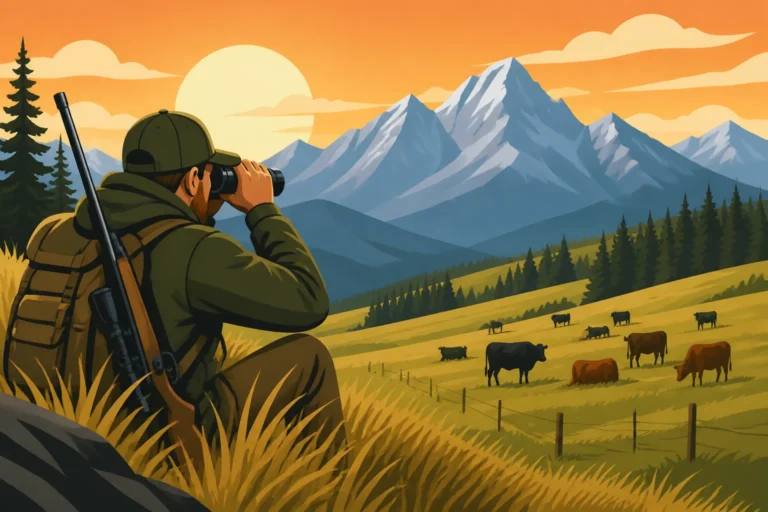
While digital tools are incredibly helpful, they are just that – tools. They should complement, not replace, thorough due diligence. Always cross-reference information with official sources where possible, and understand that land ownership can change. Physical maps, especially those from government agencies, can also provide valuable insights. The biggest pitfall is simply assuming that because an area looks wild, it's public. This is a common mistake, particularly in regions with historical settlement or large-scale resource development. Think about the sprawling ranches in the Cariboo or Okanagan. From a distance, they might appear to be open grasslands, but they are very much private property. Ignorance of a boundary is never an excuse for trespassing. Before you head out, make it a habit to check the maps for your chosen Finding a British Columbia Management Unit Map area. Look for those thin lines that delineate private holdings. When you're driving into an area, pay attention to signage, fences, and the general character of the land. If you're unsure, assume it's private until proven otherwise.
Seeking Permission: The Right Way to Access Private Land
The vast majority of British Columbia's hunting opportunities are on Crown land, but sometimes, accessing certain areas or following game requires crossing or hunting on private property. When this happens, seeking permission is not just a courtesy; it's a legal requirement and a fundamental aspect of ethical hunting.
How to Approach Landowners for Access
Asking for permission can feel intimidating, but a respectful, well-timed approach often yields positive results. The key is to remember that you are asking for a privilege, not asserting a right.
- Timing is Everything: Don't show up on opening day. Try to contact landowners well in advance of the season, perhaps a few weeks or even months prior. This shows respect for their time and planning.
- Presentation Matters: Be presentable, polite, and articulate. State your intentions clearly: what you want to hunt, where, and when.
- Offer to Help: Sometimes, offering to help with a small chore (e.g., fixing a fence, moving some wood) can go a long way in building goodwill.
- Respect Their Answer: If a landowner says no, accept it gracefully. Thank them for their time and move on. Pushing or arguing will only burn bridges for yourself and other hunters. Many landowners are receptive to Asking a British Columbia Rancher for Access, especially if you're respectful and come prepared. They might have specific areas they want you to avoid, or times when they prefer no hunting, and being flexible can make all the difference. Building these relationships is incredibly valuable and can unlock access to some fantastic hunting areas.
Private Forest Land and Controlled Access Areas
Beyond individual farms and ranches, British Columbia has substantial tracts of private forest land owned by timber companies. These lands are often managed for resource extraction and may have active logging operations, making access a safety concern. Many of these companies have specific rules regarding public access, which can range from entirely closed gates to permit systems. For example, some large timber companies on Vancouver Island might have a policy that requires hunters to obtain a free or paid access permit online before entering their lands, and they might open and close gates seasonally or based on logging schedules. Failing to adhere to these rules can result in charges under the British Columbia Trespass and Access Law or simply being banned from the property. Always check the websites of major landholders in your target area. Some areas might have physical gates that are locked; Getting Onto Private Forest Land in British Columbia usually means understanding who owns the land and what their specific policies are. It's not uncommon to need to visit a local office or apply online for a permit, demonstrating that you understand the rules. For certain areas, there might even be a specific fee involved, hence the need to research Buying a Private Forest Land Access Permit beforehand.
| Land Type | Access Requirements | Key Considerations |
|---|---|---|
| Crown Land (General Open) | Generally accessible for hunting | Check specific MU regulations, road closures, and wildlife management areas. |
| Crown Land (Managed) | May have restrictions (e.g., parks, WMAs) | Always verify rules for specific areas. Some areas may prohibit hunting. |
| Private Farm/Ranch Land | Explicit permission always required from landowner | Respect property, livestock, and homes. Best to ask in person, well in advance. |
| Private Forest Land | Often requires specific permits or gates may be open | Managed by timber companies; check their websites for access policies and permits. |
| First Nations Reserve | Explicit permission required from Band Council | Respect Indigenous rights and protocols. Access can be complex. |
Consequences and Responsibilities: What Happens If You Trespass
Trespassing, whether intentional or accidental, carries real consequences for hunters in British Columbia. It's not just about potentially souring relationships with landowners; there are legal repercussions that can impact your hunting future.
Legal Repercussions and Penalties
Under British Columbia's Trespass Act, entering or being on private property without permission is an offence. Penalties can include significant fines. More importantly for hunters, a trespassing conviction can sometimes lead to the suspension or loss of hunting privileges. The Conservation Officer Service (COS) takes these matters seriously, and they have the authority to investigate complaints and lay charges. Imagine you're caught trespassing on a private woodlot while Hunting British Columbia's October Rifle Opener. Not only could you face a hefty fine, but your hunting licence could be revoked, and any game you harvested while trespassing could be confiscated. The Penalties for a Hunting Violation are designed to deter illegal activity and protect the rights of landowners. It’s not a situation you ever want to find yourself in.
Retrieving Game from Posted Land
This is perhaps one of the most stressful scenarios a hunter can face: you've made a good shot on an animal, but it runs onto private land. Your immediate instinct might be to follow, but you absolutely must not cross that property line without permission. Doing so turns a legal hunt into an act of trespassing, potentially jeopardizing your harvest and leading to legal trouble. The correct procedure is to contact the landowner immediately, explain the situation calmly and respectfully, and request permission to retrieve your game. If you cannot reach the landowner, or if they deny permission, your next step is to contact the BC Conservation Officer Service (COS). They are the authority that can often mediate in such situations, sometimes even accompanying you onto the land, or retrieving the animal themselves. Do not attempt to retrieve game without permission. This specific scenario is covered under Retrieving Game From Private Land in British Columbia. It's a tough pill to swallow if permission is denied, but respecting property rights is paramount. Reporting concerns or issues you see in the field, even if not directly related to your hunt, can often be done through avenues like The Report All Poachers and Polluters Line. Being a responsible hunter means upholding these ethical and legal standards, even when it's difficult.
Disclaimer
This article is for general informational purposes only and does not constitute professional advice. Laws, prices and regulations vary by location and change over time. Consult a qualified professional for guidance on your specific situation.