What an LEH Application Costs
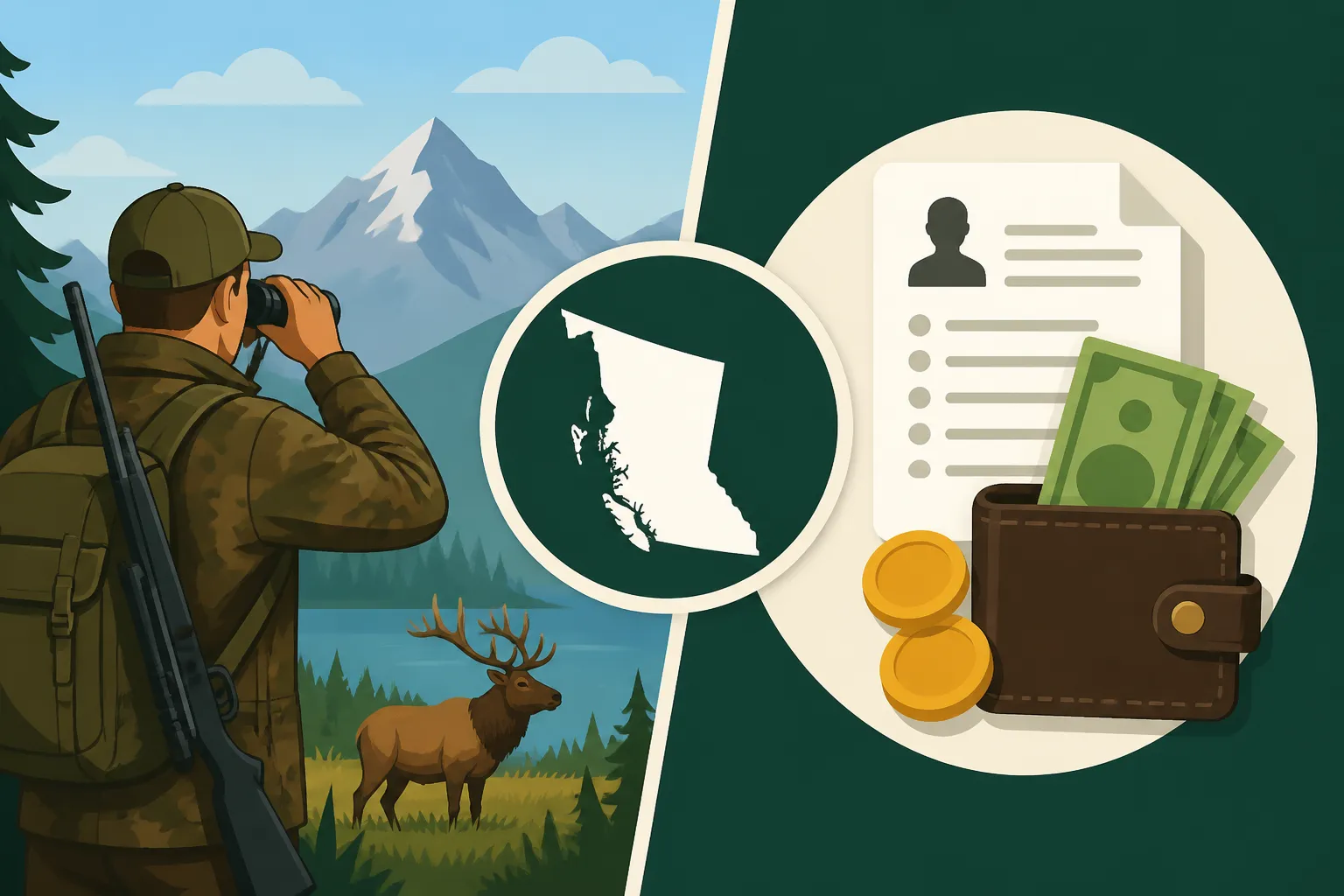
One of the most common questions I hear from fellow hunters, especially those new to the British Columbia scene or those looking to expand their hunting horizons, often revolves around the cost of applying for a Limited Entry Hunting (LEH) authorization. It can feel like a bit of a labyrinth, with different fees, deadlines, and the inherent uncertainty of the draw itself. This guide aims to clear up exactly what an LEH application costs and help you understand the full financial picture so you can plan your hunting adventures wisely.
Understanding British Columbia's Limited Entry Hunting System
Before we dive into the nitty-gritty of dollars and cents, it's really helpful to grasp what the LEH system is all about. It's not just another permit; it's a fundamental part of how British Columbia manages its incredible wildlife resources, ensuring sustainable hunting opportunities for sought-after species or in popular areas.
The Basics of LEH and Why It Exists
British Columbia is truly blessed with an abundance of game, from massive moose to elusive mountain goats. However, without careful management, certain species or specific areas could face undue hunting pressure. That's where the Limited Entry Hunting (LEH) system comes in. It's essentially a lottery system designed to allocate hunting opportunities for species or within Management Units (MUs) where demand outweighs supply, or where precise harvest quotas are necessary for conservation.
Instead of a general open season where anyone with a valid species tag can hunt, LEH areas or species require you to apply for a chance to draw an authorization. If you're successful in the draw, you get the exclusive opportunity to hunt that specific species in a designated area during a defined season. This system ensures fair access for residents, helps manage animal populations, and allows for quality hunting experiences by limiting the number of hunters in certain zones. If you're curious about the mechanics, a deep dive into British Columbia's Limited Entry Hunting Draws can really shed some light on the overall structure.
The Role of the FWID
Before you can even think about applying for any LEH draw, or even purchasing a basic hunting licence in British Columbia, you absolutely need a Fish and Wildlife ID (FWID). Think of your FWID as your unique hunter's identifier in the province. It's a mandatory requirement for all hunters, both resident and non-resident.
Getting your FWID is a one-time process, and it's free. You can apply for it online through the BC government's hunting and fishing licensing website. Once you have it, this number will be associated with all your hunting activities, including your licences, species tags, and, of course, your LEH applications. It's essentially your passport to hunting in BC, and without it, you're not going anywhere. It’s the first, fundamental step in your journey, even before considering what an LEH application costs. For more information on this crucial step, you can look into Getting a British Columbia FWID.
Breaking Down the LEH Application Cost
Now, let's get to the question that brought you here: what exactly does an LEH application cost? It's often less than people initially expect, but it's important to understand what that fee covers and what it doesn't.
The Application Fee Itself
For British Columbia residents, the cost of submitting a single LEH application is surprisingly modest. As of the most recent regulations, you're looking at $7.00 per application for residents. This fee is non-refundable, regardless of whether you draw a tag or not. It's simply the cost to enter the draw for a particular hunting opportunity.
What does "per application" mean? It means if you want to apply for a moose LEH in Management Unit 5-13, and also a mule deer LEH in Management Unit 3-30, you'll pay $7.00 for each of those applications. You can apply for as many different LEH opportunities as you wish, but each one will incur that individual $7.00 fee. So, if you're feeling ambitious and want to try for ten different draws, your application costs would be $70.00.
It's also worth noting that while the $7.00 is the base fee, there might be a small processing or transaction fee added by the online licensing system, usually just a dollar or two. It's a minor addition, but something to be aware of. For non-residents, the LEH application fee is significantly higher, often around $100 per application, underscoring the priority given to resident hunters in this system.
Beyond the Application – Tags and Licences
Here's where some hunters can get tripped up: the $7.00 (or slightly more with transaction fees) only covers the application itself. It does not include your basic hunting licence, nor does it include the actual species tag you'd need if you are successful in the draw.
Think of it like this:
- FWID (Free): Your essential hunter ID.
- Basic Hunting Licence: This is your foundational permit to hunt in BC. For residents, this typically costs around $32 (plus the Habitat Conservation Trust Foundation surcharge). You must purchase this before you can buy any species tags or validate any LEH authorizations. This is where British Columbia Resident Licence Cost comes into play.
- Species Tag: If you are successful in the LEH draw, you will then need to purchase the appropriate species tag. For example, a resident moose tag typically costs around $80, a mule deer tag around $30, and a mountain goat tag can be much more substantial. This tag is what legally allows you to harvest the animal. You'll only pay for this after you know you've drawn an LEH authorization. This is part of Buying Species Licences by Animal.
- LEH Application Fee: The $7.00 we've been discussing, paid upfront to enter the draw.
So, while the application fee is small, the total cost of actually going hunting if you draw an LEH involves your annual hunting licence, the species tag itself, and any associated surcharges like the federal migratory bird permit if you're applying for waterfowl LEH.
Considering Draw Odds and Your Investment
It's easy to get excited and apply for every LEH draw that catches your eye, especially with the low individual application fee. However, a crucial part of the LEH strategy is understanding the draw odds. Some hunts, particularly those for trophy animals or in highly accessible areas, can have abysmal odds – sometimes less than 1%. Others, for more common species or in more remote units, might offer significantly better chances.
Your $7.00 application fee is an investment, even a small one. It's worth putting some thought into where you apply. Are you willing to spend $7.00 on a 1 in 500 chance, or would you prefer to concentrate your applications on hunts with, say, a 1 in 20 chance? Tools and resources, including those from organizations like GoHunt, provide invaluable data on historical draw odds, application trends, and other metrics that can help you make more informed decisions about where to apply. Understanding Reading LEH Odds Before You Apply is a cornerstone of intelligent LEH planning.
Table: Typical British Columbia Resident Hunting Costs (Approximate)
| Item | Initial Cost (Pre-Hunt) | Post-Draw Cost (If Successful) | Notes |
|---|---|---|---|
| FWID | Free | N/A | Mandatory, one-time registration |
| Basic Hunting Licence | ~$32 | N/A | Annual requirement for all hunting |
| Habitat Conservation Surcharge | ~$17 | N/A | Included with licence or first tag purchase |
| LEH Application Fee | $7.00 per application | N/A | Non-refundable, paid for each draw entry |
| Mule Deer Species Tag | N/A | ~$30 | Purchased only if LEH drawn OR for General Open Seasons |
| Moose Species Tag | N/A | ~$80 | Purchased only if LEH drawn OR for General Open Seasons |
| Elk Species Tag | N/A | ~$40 | Purchased only if LEH drawn OR for General Open Seasons |
| Mountain Goat Species Tag | N/A | ~$75 | Purchased only if LEH drawn |
| Black Bear Species Tag | N/A | ~$40 | Purchased only if LEH drawn OR for General Open Seasons |
| Transaction Fee | ~$1-$2 | ~$1-$2 | Applied per transaction (licence, tags, application batch) |
Note: All costs are approximate and subject to change. Always check the official BC Hunting & Trapping Regulations Synopsis for the most current fees.
Maximizing Your LEH Strategy Without Breaking the Bank
Given that each application has a cost, however small, it makes sense to approach the LEH system strategically. You want to make those $7.00 investments count, rather than just throwing darts at a map.
Researching Opportunities and Regional Priorities
The first step to a successful LEH strategy is thorough research. Don't just pick random MUs because they sound good. Dive deep into the British Columbia Hunting & Trapping Regulations Synopsis. It's a treasure trove of information, detailing which species are available in which MUs, the specific season dates, and any antler point restrictions.
Consider the regions. Are you looking to hunt elk in the Kootenays, moose in the Omineca, or perhaps a blacktail deer on Vancouver Island? Each region and management unit has its unique characteristics, challenges, and opportunities. You might find that some areas have higher draw odds due to remoteness or tougher hunting conditions, which could increase your chances without increasing your application cost. Websites like GoHunt provide excellent filtering tools that let you sort LEH opportunities by region, species, and draw odds, making this research phase much more efficient. Don't forget that understanding British Columbia's Management Units and Regions is key to targeted applications.
Strategic Party Applications
Did you know you can apply for LEH as a party? This is a fantastic way to potentially increase your group's overall odds. When you apply as a party, if one member draws, the entire party draws. This means you and your hunting buddies can pool your chances, essentially multiplying your individual entries without multiplying your costs beyond the individual application fees.
However, there's a catch: the party's application goes into the draw at the lowest priority of any member. So, if you're an experienced hunter with a few preference points (if applicable to the specific draw system, as BC's LEH primarily relies on random draw with some nuances), but your buddy is a first-timer, your party application will effectively draw at the first-timer's priority. This is an important consideration. Applying as a party is a great way to guarantee a shared hunting experience, but it requires coordination and an understanding of everyone's eligibility. Detailed information on Applying as an LEH Party can help you navigate this option.
Planning for Success After the Draw
Once the LEH results are released, typically in June or July, the real planning begins for successful applicants. Drawing an LEH authorization is just the beginning; the actual hunt requires significant preparation, from scouting to gear to logistics.
If you draw a coveted tag, immediately start planning your trip. This includes physical conditioning, gear preparation, understanding the specific terrain of your Management Unit, and potentially even Scouting a British Columbia Management Unit Online. You'll also need to ensure you have your basic hunting licence and the appropriate species tag purchased. Don't wait until the last minute! The excitement of drawing a tag can make you forget the practicalities, but solid planning is what turns an authorization into a successful hunt.
Essential Tools and Resources for LEH Hunters
Navigating the LEH system can feel complex, but there are numerous resources available to help you make informed decisions and get the most out of your application fees.
Official Government Resources
Your primary source for all rules, regulations, and official LEH information should always be the British Columbia government's hunting and fishing licensing website (WildBC) and the annual British Columbia Hunting & Trapping Regulations Synopsis. These documents provide the definitive word on season dates, bag limits, Management Unit boundaries, and the specific rules for each LEH opportunity.
Here you'll find:
- LEH Application Deadlines: Crucial dates you absolutely cannot miss.
- Draw Results: Where to check if you were successful.
- Detailed MU Maps: Essential for understanding where you can hunt.
- Species-Specific Regulations: Information pertinent to the animal you're pursuing.
Always make it a habit to review the synopsis each year, as regulations can and do change. This is especially true for understanding specific season dates like When British Columbia's Archery Season Opens or When British Columbia's October Rifle Opener.
Utilizing Third-Party Hunting Analytics
While official government resources are indispensable, third-party platforms like GoHunt can supercharge your LEH strategy. These services gather and analyze vast amounts of data, presenting it in user-friendly formats that help you predict draw odds, identify high-potential units, and understand trends that aren't immediately obvious in the raw data.
GoHunt, for example, offers detailed insights into historical draw success rates, application numbers, and harvest statistics. This kind of analytical power allows you to make data-driven decisions on where to spend your $7.00 application fees. Instead of guessing, you can apply with a clearer understanding of your chances. They often provide tools that filter LEH opportunities based on your personal preferences, target species, and even desired success rates, helping you prioritize your applications effectively. This kind of detailed analysis can be particularly useful when you're trying to figure out Which Species Are LEH Only or how your How LEH Points Carry Over might influence your chances in certain draws. Using such tools is an investment of time that can save you frustration and ensure your application fees are put to the best possible use.
Disclaimer
This guide is intended for informational purposes only and does not constitute legal advice. Hunting regulations, fees, and seasons in British Columbia are subject to change. Always consult the official British Columbia Hunting & Trapping Regulations Synopsis and the BC government's hunting and fishing licensing website for the most current and accurate information before planning any hunting activity.