Taking the CORE Exam in British Columbia
Feeling a bit overwhelmed by the thought of tackling the CORE exam to get your hunting license in British Columbia? You're not alone. Many aspiring hunters find the process a bit daunting, wondering what it entails, how to study, and what to expect on test day. This comprehensive guide is designed to demystify the British Columbia Conservation and Outdoor Recreation Education (CORE) exam, providing you with all the realistic, practical information you need to prepare confidently and earn your certification.
What Exactly is the CORE Exam and Why Do You Need It?
The CORE exam isn't just another hoop to jump through; it's the fundamental cornerstone of responsible hunting and outdoor recreation in British Columbia. Think of it as your entry ticket to understanding not only how to hunt safely, but also why we hunt, what our ethical obligations are, and how we contribute to conservation. It’s about ensuring that every individual carrying a firearm or bow in the field understands the profound responsibilities that come with that privilege.
Understanding the Purpose of CORE Certification
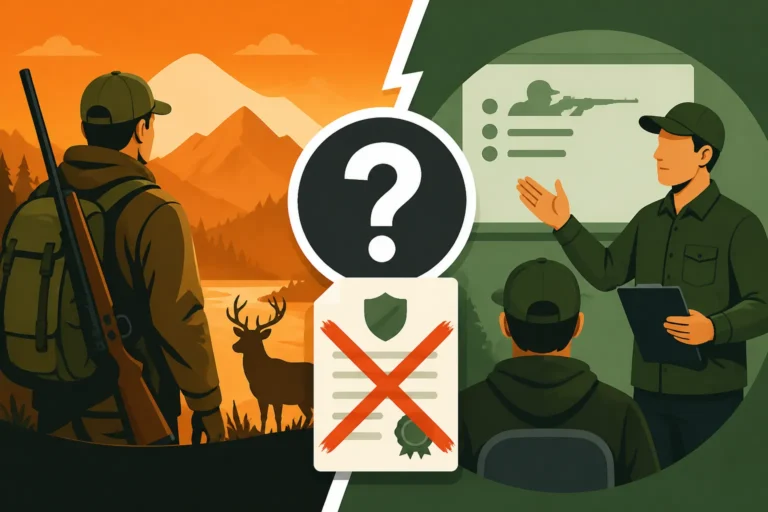
At its heart, CORE certification is about safety, ethics, and conservation. The provincial government mandates this training to ensure that anyone who wants to hunt in British Columbia possesses a baseline knowledge of safe firearm handling, wildlife identification, hunting regulations, and ethical conduct. It's designed to protect not only the hunter but also other outdoor enthusiasts, the public, and the wildlife we cherish. Without this certification, you simply cannot obtain a BC Resident Hunting Licence or purchase any species tags. It truly forms the bedrock of responsible hunting in our province. It also acts as a crucial complement to your federal Canadian Firearms Safety Course (CFSC), making sure you're not only safe with your equipment but also knowledgeable about the specific provincial hunting laws and conservation efforts that shape our local traditions.
Who Needs to Take the CORE Exam?
Almost everyone planning to hunt in British Columbia needs to successfully complete the CORE exam. This applies to all new resident hunters, regardless of age, who wish to obtain their first hunting licence. If you're new to the province or new to hunting entirely, CORE is mandatory. There are specific provisions for youth hunters, as the minimum age to hunt in British Columbia is 10 years old, but they still need to pass CORE. While a valid CFSC is required to possess most non-restricted firearms in Canada, it does not exempt you from the CORE requirement for hunting. Similarly, non-residents who plan to hunt without a guide under a Permit to Accompany also need to satisfy CORE requirements or show equivalent hunter education from their home jurisdiction that is recognized by BC. Essentially, if you want to pull a tag for deer, moose, bear, or any other game animal, the CORE certificate is your essential starting point.
Preparing for Your CORE Exam Success
The idea of taking an exam can feel pretty high-stakes, especially when it's tied to something you're passionate about like hunting. But with the right approach and resources, preparing for your CORE exam doesn't have to be a source of stress. It's more like a dedicated study session for a deeply rewarding hobby. Think of it as building a robust foundation for all your future adventures in the BC wilderness.
Essential Study Materials and Resources
Your primary resource, and one you absolutely cannot skip, is the official BC Conservation and Outdoor Recreation Education (CORE) Manual. This manual covers everything you need to know for the exam, from ethical hunting practices to wildlife identification and provincial regulations. You can typically purchase a physical copy from most BC Wildlife Federation (BCWF) affiliated rod and gun clubs, some outdoor retailers, or directly from the BCWF website. Seriously, don't just skim it; read it thoroughly, highlight key points, and make notes.
Beyond the manual, consider these valuable aids:
- CORE Courses: Many local rod and gun clubs across the province offer in-person CORE courses taught by certified instructors. These courses often run over a weekend or several evenings and provide invaluable interactive learning, Q&A sessions, and hands-on practice for the practical component. For instance, clubs in communities from Vernon to Prince George often host these classes. This direct instruction can clarify confusing points and give you a chance to network with experienced hunters.
- Online Practice Tests: The BCWF, as well as various third-party websites, offer practice quizzes and full-length mock exams. These are fantastic for testing your knowledge, identifying areas where you need more study, and getting comfortable with the exam format. Use them repeatedly until you consistently score well above the passing mark.
- Provincial Hunting Regulations Synopsis: While the CORE Manual covers general regulations, it's always a good idea to familiarize yourself with the current British Columbia's Two-Year Regulations Synopsis. You'll primarily be tested on the general principles within the CORE manual, but understanding where the current regs fit in will enhance your overall knowledge. Platforms like GoHunt can also be extremely helpful for navigating and understanding specific provincial regulations and season dates.
Key Topics Covered on the Exam
The CORE exam covers a broad range of topics designed to equip you with comprehensive knowledge for hunting responsibly in British Columbia. It's structured to test both your theoretical understanding and your practical ability.
- Wildlife Identification: You'll need to identify various game species found in British Columbia, including big game like moose, elk, and deer (both mule deer and black-tailed deer), as well as different species of game birds such as grouse and ptarmigan. Knowing the difference between similar species and understanding basic animal anatomy for ethical shot placement is crucial. You might be asked to differentiate between a white-tailed deer and a mule deer by antler configuration or tail colour, for example.
- Hunting Ethics and Responsibilities: This section delves into the moral and ethical considerations of hunting. It covers fair chase principles, respecting private property (something you'll want to review in detail for British Columbia Trespass and Private Land Law), minimizing wounding, meat care, and representing hunters positively. It’s about being a good steward of the land and respectful of both wildlife and other people.
- Firearms Safety: Even if you've taken the CFSC, CORE reinforces specific hunting-related firearm safety rules. This includes the four primary rules of firearm safety, safe handling in the field, proper transportation, storage requirements, and ammunition knowledge. For those who opt for archery, bow safety is covered too, including proper draw weight rules as outlined in Bow Draw Weight Rules in British Columbia. Remember, safety is paramount.
- Conservation Principles: Understanding the role of hunting in wildlife management and conservation is a major component. This includes topics like habitat preservation, funding for conservation efforts (like the Habitat Conservation Trust Foundation), population management, and the biological principles that underpin sustainable hunting. It teaches you how your actions contribute to the long-term health of British Columbia's wildlife populations.
- British Columbia Hunting Regulations: While the manual can't cover every nuance of every season, it provides the general framework of BC's hunting laws. This includes understanding general open seasons versus Limited Entry Hunting (LEH) draws, bag limits, compulsory inspection and reporting requirements for certain species, hunting restricted areas, and proper tagging procedures. Staying informed by regularly checking the latest British Columbia Big Game Season Dates and British Columbia Game Bird Seasons is key, and digital platforms similar to GoHunt can help organize this complex information.
Practice, Practice, Practice: Utilizing Online Tools
Once you've devoured the CORE Manual, the real test of your knowledge comes with practice exams. This is where online tools shine. Websites and apps offering CORE practice tests are invaluable for cementing your understanding and building confidence. They replicate the multiple-choice format of the written exam and often provide instant feedback on your answers.
Don't just take one practice test; take several. If you miss questions in a particular area, go back to your manual and review that section thoroughly before trying again. For instance, if you're struggling with differentiating between a Rocky Mountain bighorn sheep and a Stone's sheep, spend extra time on the wildlife identification chapters. The repetition helps you internalize the information and makes you more efficient at recalling it under pressure. Many people find that doing 10-15 practice tests, hitting scores in the high 80s or 90s consistently, puts them in a great position for the actual exam.
The CORE Exam Experience: What to Expect
Okay, you've studied, you've taken all the practice tests you can handle, and now it's time for the real deal. Stepping into the exam room can still bring on some jitters, but knowing what to expect on test day can really help calm your nerves. The CORE exam has both a written component and a practical assessment, so it’s not just about what you know, but also what you can demonstrate safely.
Finding a CORE Examiner and Booking Your Test
Unlike some exams, the CORE exam isn't administered in large, impersonal testing centres. Instead, it's typically conducted by certified CORE examiners. These individuals are often experienced hunters and volunteers, usually affiliated with local rod and gun clubs, conservation organizations, or even operate independently. The best way to find an examiner near you is to check the BC Wildlife Federation (BCWF) website, which usually has a searchable database or a list of contacts. You'll then need to contact an examiner directly to arrange a suitable time and location for your test. Be prepared for a bit of a wait, especially during peak seasons or in smaller communities, as examiners often fit these tests around their own schedules. When you connect with them, they'll usually confirm what you need to bring, such as photo ID, a pen, and the exam fee.
The Written and Practical Components
The CORE exam consists of two distinct parts:
The Written Exam
The written portion is a multiple-choice test designed to assess your knowledge of the CORE Manual's content. It covers all the key topics we discussed earlier: wildlife identification, regulations, ethics, safety, and conservation. You'll typically have a set amount of time to complete it, and a passing grade is usually 80% or higher. Read each question carefully, and don't rush. If you’ve diligently studied the manual and taken ample practice tests, you should feel well-prepared for this section. The questions are straightforward and come directly from the manual's content. Many examiners will go over any missed questions with you after grading, which is a great learning opportunity regardless of your score.
The Practical Exam
This is often the part that new hunters worry about the most, but it’s actually quite straightforward if you’ve paid attention to the safety sections of the manual. The practical component assesses your ability to safely handle common hunting firearms. Crucially, you will not be firing any live ammunition. This is purely a demonstration of safe handling. Your examiner will provide unloaded firearms (typically a rifle and/or a shotgun). You'll be asked to demonstrate things like:
- Proving a firearm safe: Checking the chamber, magazine, and ensuring the action is open.
- Carrying positions: Showing how to safely carry a firearm in different scenarios (e.g., trail carry, shoulder carry).
- Crossing obstacles: Demonstrating how to safely cross a fence or ditch with a firearm.
- Loading and unloading: Safely inserting and removing dummy rounds or demonstrating the process with an empty firearm.
- Basic storage and transport principles: Discussing how you would store or transport the firearm safely.
The examiner is looking for safe, confident handling, adherence to the four cardinal rules of firearm safety, and a clear understanding of muzzle control and trigger discipline. If you’ve followed the instruction in your manual, this will feel like a natural demonstration rather than a tricky test.
After the Exam: Getting Your FWID and Licence
Congratulations, you've passed! The examiner will provide you with a CORE certificate. This isn't your hunting licence yet, but it's the vital piece of paper that allows you to get one. Your next step is to acquire your Firearms and Hunter ID (FWID). You can do this online through the BC government's Wild Safe system. You'll need to create an account, upload a copy of your CORE certificate and sometimes your CFSC (if applicable), and once approved, you'll be issued a unique FWID number. This process usually takes a few business days. Need more details on this step? You can find a dedicated guide on Getting a British Columbia FWID.
Once you have your FWID, you can finally purchase your British Columbia Resident Hunting Licence. You'll also need to purchase individual species licences (tags) for the animals you intend to hunt, such as a British Columbia Deer Species Licence Cost or Moose Species Licence Cost. All of these can be purchased online through the Wild Safe system, or at various service BC locations and independent vendors. Remember, this FWID and licence system is the gateway to all your legal hunting pursuits in BC, from general open seasons to applying for British Columbia's Limited Entry Hunting Draws. Organizations like GoHunt provide excellent digital resources to help you keep track of all these dates and apply for tags effectively.
Understanding the CORE Process Steps
To help visualize the journey from aspiring hunter to certified participant, here's a breakdown of the key steps involved in completing your CORE certification and getting ready for your first hunt.
| Step | Description | Key Resources/Actions |
|---|---|---|
| 1. Acquire Study Material | Get your hands on the official BC Conservation and Outdoor Recreation Education (CORE) Manual. This is your primary source of all exam content. | Purchase CORE Manual from BCWF website, local rod & gun clubs, or outdoor retailers. |
| 2. Self-Study or Course | Thoroughly read and understand the CORE Manual. Consider enrolling in an in-person CORE course for guided instruction and hands-on practice. | Read Manual (multiple times if needed), take notes, attend BCWF-affiliated CORE course. |
| 3. Practice Exams | Test your knowledge using online practice quizzes and mock exams. Identify weak areas and review relevant sections of the manual. | BCWF website, third-party online CORE practice tests. Aim for consistent high scores. |
| 4. Find an Examiner | Locate a certified CORE examiner in your area to schedule your written and practical tests. | BCWF website's 'Find an Examiner' tool, contact local rod & gun clubs. |
| 5. Take the Exam | Complete the written multiple-choice exam (80% pass mark) and demonstrate safe firearm handling during the practical test. | Bring photo ID, exam fee, pen. Listen to examiner instructions. |
| 6. Obtain FWID | Once you pass, you will receive a CORE certificate. Use this to apply for your Firearms and Hunter ID (FWID) online through the BC government's Wild Safe system. | Create account on Wild Safe, upload CORE certificate copy. |
| 7. Purchase Licences/Tags | With your FWID, you can now purchase your Resident Hunting Licence and specific species tags for the animals you wish to hunt in British Columbia. | Purchase online via Wild Safe, Service BC, or authorized vendors. Refer to British Columbia Hunting Licences and Fees for cost details. |
Common Challenges and Tips for Success
Even with all the preparation, it's normal to encounter a few bumps along the road. The CORE exam process can feel like a lot of information, and British Columbia's specific regulations add another layer. Let's talk about some common challenges and how to overcome them, ensuring you step into the field with confidence and legality.
Overcoming Exam Anxiety
It’s completely normal to feel a bit of anxiety before any test, especially one that unlocks a passion like hunting. To combat this, remember that the CORE exam is designed to ensure safe, ethical, and knowledgeable hunters, not to trick you. Most examiners are also seasoned hunters who want to see you succeed.
- Preparation is Key: The more thoroughly you study the manual and take practice tests, the less anxious you’ll be. Confidence comes from competence.
- Simulate Exam Conditions: When doing practice tests, try to mimic the actual exam environment. Sit down without distractions, set a timer, and treat it seriously.
- Focus on the Practical: For the hands-on portion, visualize yourself performing the safety steps correctly beforehand. Practice with a dummy gun at home if you can. It's all about muscle memory and demonstrating safe habits.
- Breathe and Believe: On the day of the exam, take a few deep breaths. Remind yourself that you've done the work. The questions are based directly on the manual, so trust your knowledge.
Understanding British Columbia Specifics
Many people coming to hunting, even those with prior firearms experience from elsewhere, might underestimate the unique aspects of British Columbia's hunting regulations and wildlife. It's not enough to just know general hunting principles; you need to know BC's rules.
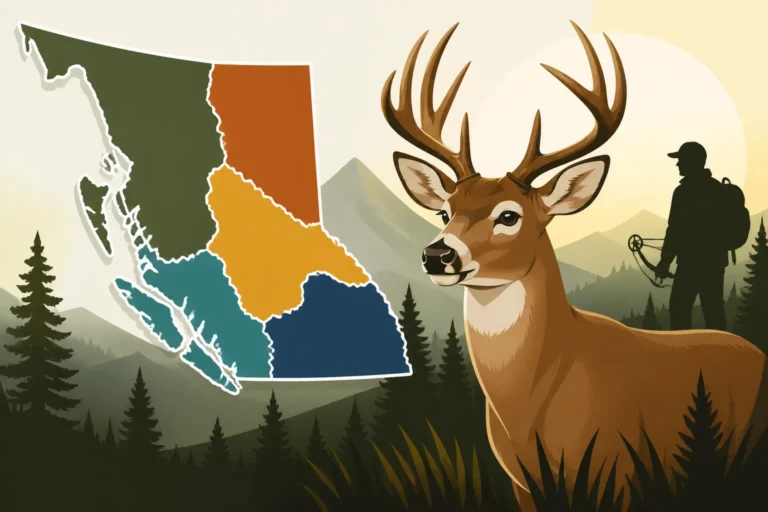
- Regional Differences: British Columbia is vast, with nine distinct hunting regions, each with potentially different season dates, bag limits, and specific regulations. While the CORE manual provides the foundation, always cross-reference with the most current British Columbia's Two-Year Regulations Synopsis for your specific hunting area.
- Species-Specific Rules: Don't assume all deer are hunted the same way. There are different rules for mule deer and black-tailed deer, and even antler point restrictions in certain zones, like British Columbia's British Columbia's Four-Point Antler Restriction. Similarly, moose hunting rules can vary widely, with many hunts being draw-only (LEH) for specific areas and times, as highlighted in Which Moose Hunts Are Draw Only.
- Compulsory Reporting and Inspection: Some species require compulsory reporting or inspection of the skull and hide. Missing these deadlines or procedures can lead to serious penalties. The CORE exam covers the basics, but you must know What Information a Harvest Report Needs and the Mandatory Reporting for Moose Licences for current seasons. This is where tools like GoHunt, with its detailed regulation overlays, can be incredibly beneficial for ongoing research and planning your hunts.
The Importance of Continuous Learning
Passing the CORE exam is a fantastic achievement, but it's just the beginning of your journey as a responsible hunter. The outdoors is constantly changing, and so too are regulations, wildlife populations, and best practices.
- Stay Updated on Regulations: Hunting regulations are dynamic. They are updated every two years, and sometimes even mid-season if critical changes are needed. Always review the current Synopsis before each hunting season. You can also often find detailed information when Scouting a British Columbia Management Unit Online or learning to navigate maps for reading a British Columbia MU map.
- Expand Your Knowledge: Look for opportunities to learn more about wildlife biology, tracking, meat care, and advanced hunting techniques. Joining a local rod and gun club is an excellent way to connect with experienced hunters and gain knowledge.
- Embrace Mentorship: Seek out experienced hunters to learn from. Nothing beats hands-on experience and wisdom passed down from those who know the land and its creatures. Consider participating in events or workshops hosted by organizations like the BCWF.
- Contribute to Conservation: Remember that hunters are critical conservationists. Support organizations that work to protect habitat and manage wildlife populations. The Habitat Conservation Trust Foundation, for example, is directly funded by hunters' licence fees and contributes immensely to wildlife projects in BC.
By taking the CORE exam, you're not just getting a licence; you're committing to a tradition of responsible outdoor stewardship. It's a journey of continuous learning, respect, and deep connection with British Columbia's incredible wild places. Welcome to the hunting community!
Disclaimer
The information provided in this guide is intended for general informational purposes only and does not constitute legal advice. Hunting regulations in British Columbia are complex and subject to change. It is the responsibility of every hunter to consult the most current British Columbia Hunting and Trapping Synopsis, available from the provincial government, and adhere to all applicable federal, provincial, and local laws and regulations before engaging in any hunting activities. Always prioritize safety and ethical conduct in the field.