British Columbia Resident Licence Cost
Trying to figure out exactly how much it costs to get started as a hunter in British Columbia can feel a bit like wading through thick brush with no clear trail. Between the core licence, various fees, and all the species-specific tags, it’s easy to get overwhelmed and wonder if you’ve budgeted enough. This guide aims to clear up all that confusion, walking you through the actual costs of a British Columbia resident hunting licence, so you can plan your season with confidence and fewer financial surprises.
Understanding the Foundation: Your BC Resident Hunting Licence
Every resident hunter in British Columbia needs to start with a foundational hunting licence. This isn't just a piece of paper; it's your official entry ticket into the world of legal hunting in our beautiful province. Without it, you can't even think about pursuing a species licence or participating in any season. It's the bedrock upon which all your hunting plans are built, and understanding its components is the first crucial step.
The Core Resident Hunting Licence Fee
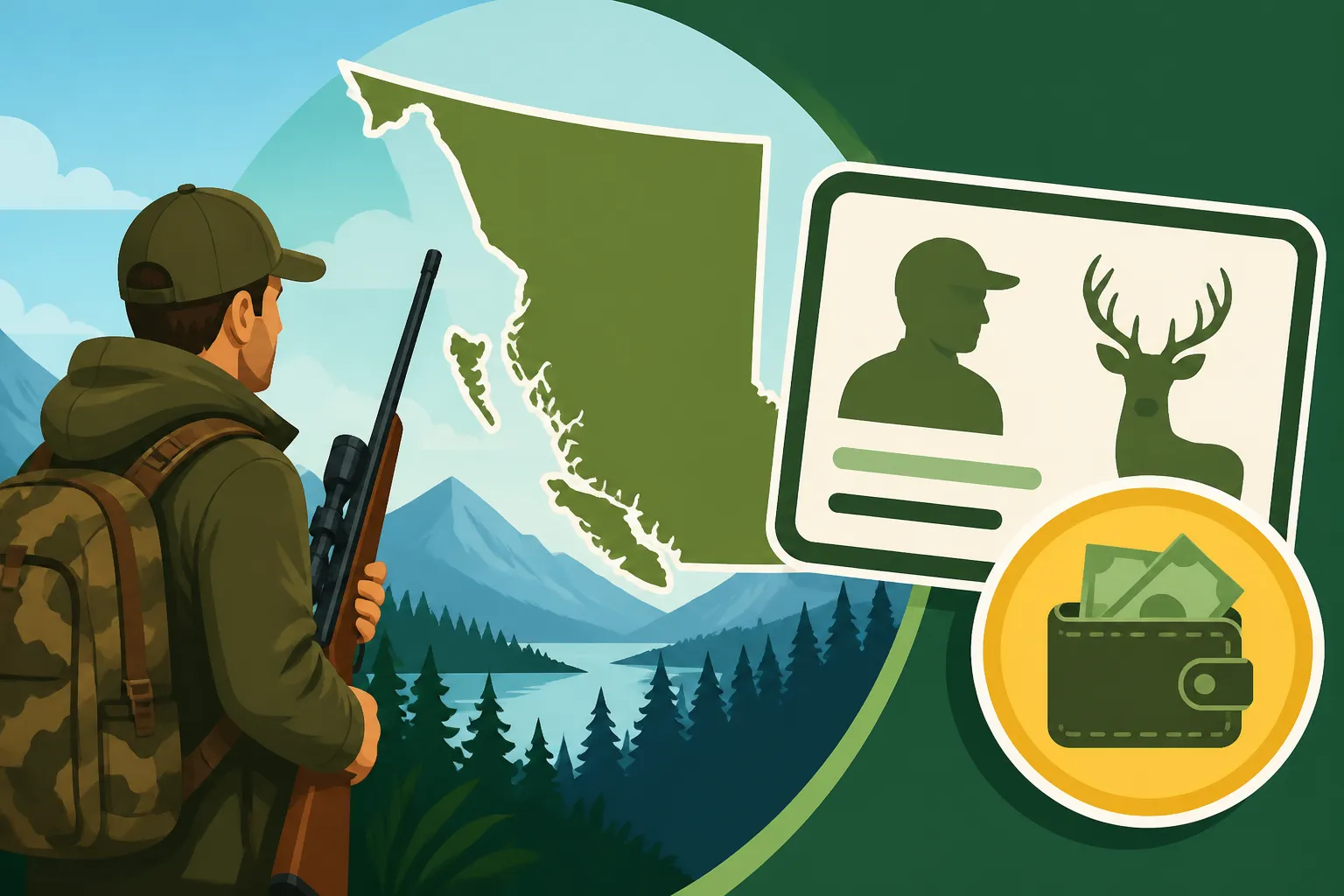
The first and most fundamental cost you’ll encounter is the base British Columbia Resident Hunting Licence fee. This is the universal starting point for anyone who calls B.C. home and wants to hunt. For the current licensing period, the fee for an adult resident hunting licence is quite reasonable, sitting at $32.00. This fee is subject to change with the two-year regulations cycle, so always double-check the latest synopsis when planning your season. This modest sum grants you the privilege to begin acquiring the specific permissions needed for various game species. It’s important to remember this isn't a "free pass" to hunt any animal; rather, it’s the general hunting authorization that then allows you to purchase additional species tags. Think of it like buying your annual fishing licence – it enables you to fish, but you still need to follow species-specific limits and regulations. It’s an investment in your outdoor pursuits for the entire licensing year, typically running from April 1st to March 31st of the following year.
The Mandatory Habitat Conservation Surcharge
Attached to every resident hunting licence, and indeed many other hunting-related purchases, is the Habitat Conservation Surcharge. This isn't an optional fee you can skip; it's a mandatory contribution that plays a vital role in ensuring the future of wildlife and their habitats across British Columbia. Currently, this surcharge is $19.00. It might seem like just another line item on a bill, but the funds generated from this surcharge are directed towards the Habitat Conservation Trust Foundation (HCTF). This independent organization then allocates these funds to a vast array of conservation projects.
These projects range from habitat restoration in critical areas to wildlife research, species reintroduction programs, and educational initiatives. Essentially, every time you pay this surcharge, you're directly contributing to tangible efforts that benefit the very wildlife you love to pursue and the landscapes they call home. It’s a way for hunters to give back and ensure that the wild places and robust game populations we cherish continue to thrive for generations to come. Many hunters feel a strong sense of pride knowing their dollars are directly supporting conservation, demonstrating that hunters are, and always have been, some of the most dedicated conservationists. For a deeper dive into where these funds go, you might find more information on What the Habitat Conservation Surcharge Pays For.
Eligibility and the FWID Requirement
Before you can even click "add to cart" for your resident hunting licence, you need to prove your eligibility. This primarily means possessing a valid Fish & Wildlife ID (FWID). The FWID is a unique identifier issued to all participants in B.C.'s fish and wildlife programs. It's a lifetime number, meaning once you have it, you'll use it for all future licence and tag purchases. If you're new to hunting in B.C., obtaining your FWID is one of your very first steps, second only to completing your hunter education.
To get an FWID, you generally need to be a resident of British Columbia and have completed the Conservation and Outdoor Recreation Education (CORE) program, or an equivalent hunter safety course recognized by B.C. The CORE exam covers crucial aspects of firearms safety, ethical hunting practices, wildlife identification, and an understanding of B.C.'s hunting regulations. It ensures that every new hunter has a foundational knowledge of responsible hunting. You can apply for your FWID online through the B.C. government's hunting and fishing licensing system. Once issued, your FWID acts as your digital key to accessing the entire licensing system. Without it, the system won't recognize you as an eligible hunter, and you won't be able to proceed with any purchases. This system helps maintain accurate records of all hunters in the province, ensuring compliance and contributing to effective wildlife management strategies. If you're just getting started, don't miss our guide on Getting a British Columbia FWID and also British Columbia's CORE Exam and FWID for more details.
Beyond the Basic Licence: Essential Add-Ons and Fees
Once you have your foundational resident hunting licence and have paid your habitat surcharge, you're halfway there. However, the basic licence doesn't actually allow you to hunt any specific animal. For that, you'll need to purchase species licences, and potentially consider applications for Limited Entry Hunts (LEH) or migratory bird permits, depending on your hunting aspirations. These additional costs are where your hunting budget really starts to take shape.
Species Licences: What They Are and Why You Need Them
Species licences, often referred to as "tags," are what grant you the legal right to hunt specific animals within designated seasons and management units. Each species you intend to pursue, whether it's a mule deer, black bear, or moose, requires its own separate species licence. These are purchased in addition to your basic resident hunting licence. The cost for species licences varies significantly depending on the animal. For example, a British Columbia resident might pay around $25.00 for a black bear licence, approximately $25.00 for a deer licence, and upwards of $50.00 for a moose licence. Elk tags also fall into a similar price range, typically around $40.00.
It's absolutely critical to purchase the correct species licence before you head out hunting. If you harvest an animal without the appropriate tag, you're facing serious fines and potential loss of hunting privileges. The regulations synopsis, which is updated every two years, details all species, season dates, bag limits, and specific regional requirements. A common mistake new hunters make is assuming one licence covers all deer, for instance. Instead, you'll need a "Deer" species licence that covers both Mule Deer and Black-Tailed Deer. For specific details on these, you can look into topics like British Columbia Deer and Elk Tags or British Columbia Moose and Bear Tags. Always verify the current costs and rules for each species through the official B.C. government website or the latest Hunting and Trapping Synopsis.
Limited Entry Hunting Application Costs
For many highly sought-after species or specific management units, the opportunity to hunt is allocated through a Limited Entry Hunting (LEH) draw system. This system is in place to manage harvest pressure on sensitive populations or in popular areas, ensuring sustainable hunting opportunities. Applying for an LEH authorization requires an application fee. Typically, each LEH application costs $7.00. This fee is non-refundable, regardless of whether you are successful in the draw or not. You can apply for multiple LEH draws in a single year, and each application will incur this fee.
For example, if you decide to apply for an LEH moose tag in the Omineca region and also an antlerless elk tag in the Kootenays, you'd pay $7.00 for each application. While it might seem like a small fee, if you apply for several draws across different species and regions, these costs can add up. It’s essential to research your odds and carefully select the draws you apply for. Tools like GoHunt can provide valuable insights into draw odds and help you make informed decisions, though always cross-reference with the official synopsis. Understanding How British Columbia's LEH System Works and paying close attention to British Columbia LEH Application Deadlines are crucial for any serious hunter looking to pursue draw-only species or specific trophy opportunities. If you are successful in an LEH draw, you will then be required to purchase the corresponding species licence in addition to your application fee.
Federal Migratory Game Bird Permits
If your hunting interests extend to waterfowl – ducks, geese, and other migratory game birds – you'll need to obtain a Federal Migratory Game Bird Hunting Permit in addition to your provincial resident hunting licence. This permit is a federal requirement across Canada, not just B.C., and it ensures compliance with international migratory bird conservation treaties. The permit typically costs $17.00 annually. Alongside this permit, you'll also need to purchase the Canadian Wildlife Habitat Conservation Stamp, which is usually integrated into the permit purchase and contributes further to wetland and waterfowl conservation efforts.
While the cost is relatively low, it's a non-negotiable item for any bird hunter. Forgetting this permit can lead to significant penalties, even if you have all your provincial licences in order. This federal permit allows you to hunt migratory game birds across Canada, subject to provincial and territorial regulations, which will dictate specific bag limits, shooting hours, and season dates for British Columbia. For more information, read up on The Federal Migratory Game Bird Permit. Always ensure you have both your provincial hunting licence and your federal migratory bird permit on your person when hunting waterfowl.
Table: Typical Resident Hunting Licence & Basic Tag Costs (Current Season Estimates)
| Item | Cost (CAD) | Notes |
|---|---|---|
| British Columbia Resident Hunting Licence | $32.00 | Required for all resident hunters. |
| Habitat Conservation Surcharge | $19.00 | Mandatory fee, supports the Habitat Conservation Trust Foundation. |
| Total Base Cost | $51.00 | Your minimum annual investment to be legally authorized to hunt. |
| Optional Species Licences | ||
| Black Bear Species Licence | $25.00 | Allows harvest of one black bear (check bag limits by region). |
| Deer Species Licence | $25.00 | Allows harvest of one deer (mule deer or black-tailed deer, check antler rules by region). |
| Moose Species Licence | $50.00 | Allows harvest of one moose (often LEH only, check rules). |
| Elk Species Licence | $40.00 | Allows harvest of one elk (often LEH only, check rules). |
| Cougar Species Licence | $25.00 | Allows harvest of one cougar. |
| Optional Additional Permits | ||
| LEH Application Fee (per application) | $7.00 | Non-refundable application fee for Limited Entry Hunting draws. |
| Federal Migratory Game Bird Permit | $17.00 | Required for hunting waterfowl and other migratory game birds. Includes Canadian Wildlife Habitat Stamp. |
Note: All costs are estimates for the current season and are subject to change. Always refer to the official B.C. Hunting and Trapping Synopsis for the most accurate and up-to-date information.
Navigating the Purchase Process and Online System
The days of heading to a specific vendor to buy your hunting licence are largely behind us. While some locations still offer in-person services, the vast majority of hunters now use the convenient online system. This digital platform streamlines the process, but it also comes with its own learning curve, especially for those who aren't tech-savvy. Understanding how to navigate this system correctly is key to a smooth and frustration-free experience.
Step-by-Step: Buying Your Licence Online
Purchasing your British Columbia resident hunting licence and associated tags online is designed to be straightforward, but a few key steps are essential to follow. First, you'll need access to the B.C. government's Fish and Wildlife online licensing system. You can usually find a direct link on the provincial government's hunting and fishing regulations pages. Once there, you'll be prompted to log in using your unique Fish & Wildlife ID (FWID) and a password you've set up. If it's your first time, you might need to create an account after obtaining your FWID.
After logging in, the system will typically present you with options to purchase licences, tags, or apply for LEH draws. You'll select "Resident Hunting Licence" first, and the mandatory Habitat Conservation Surcharge will automatically be added. Then, you can browse and add any desired species licences, such as a "Deer" tag or a "Black Bear" tag, to your cart. As you add items, the system will update your total cost. Before final checkout, always double-check your selections to ensure you haven't forgotten anything or accidentally added an incorrect item. Finally, you'll proceed to a secure payment gateway to complete your purchase using a credit card. Once the transaction is successful, you'll receive a confirmation email, and your licences will be available to print or save digitally to your mobile device. For a comprehensive guide, check out Buying a Licence Online in British Columbia. Remember, you must have your physical or digital licences with you while hunting.
The Importance of Your Fish & Wildlife ID FWID
Your Fish & Wildlife ID (FWID) isn't just a number; it's the central hub for all your hunting and fishing activities in British Columbia. It links all your licences, tags, LEH applications, and harvest reports to a single, permanent profile. This ensures accuracy in record-keeping for wildlife management purposes and also streamlines your own licensing process year after year. Every time you purchase a licence or tag, apply for an LEH, or submit a compulsory inspection report, your FWID is the key identifier.
Without an FWID, you simply cannot participate in regulated hunting or fishing activities in B.C. If you already have one, ensure all your personal details linked to it are up-to-date, especially your current residential address, as this can affect resident status. If you've forgotten your FWID or need to make changes, the online system usually provides options for retrieval or updates. Keeping your FWID secure and easily accessible (perhaps even memorized!) is a small but critical detail for any active B.C. hunter. It's the foundation of your digital interaction with the province's wildlife resources, so treat it with the importance it deserves.
When and Where to Buy Your Licences
Timing is everything when it comes to securing your hunting licences and applying for draws. British Columbia's hunting licences typically become available for purchase in early spring, usually around March or April, coinciding with the start of the new licence year on April 1st. It's always a good idea to purchase your general resident hunting licence and habitat surcharge early in the season. This ensures you're ready to go as soon as general open seasons begin and, crucially, allows you to apply for Limited Entry Hunting draws.
LEH application periods have strict deadlines. For example, the deadline for most LEH species is typically in late May or early June. Missing this window means you forfeit any chance of drawing a tag for those specific hunts that year. Species licences can generally be purchased any time throughout the season, as long as the season for that particular animal is open. However, it's always best to buy your species tags well in advance of your hunt. Imagine driving for hours into the backcountry only to realize you forgot to buy your deer tag! The primary "where" for purchasing is the online B.C. government licensing system. While a few service providers, like certain independent retailers or Service BC offices, might offer in-person purchases, the online platform is by far the most accessible and widely used method. Always consult the official British Columbia's Two-Year Regulations Synopsis for exact dates and availability each year.
The Long-Term Value and Where Your Dollars Go
When you hand over your hard-earned money for a hunting licence or species tag, it's easy to see it just as a necessary cost of doing your hobby. But in British Columbia, those dollars represent a much deeper investment. They're not just fees; they're contributions that fuel the conservation engine of the province, ensuring that the wild places and game populations we cherish continue to thrive. Understanding this bigger picture can add a profound sense of purpose to every dollar you spend.
Funding Conservation Through Licence Sales
It's a common misconception among the general public that hunters simply "take" from nature. In reality, hunters are the backbone of conservation funding in British Columbia, and indeed, across North America. Every dollar you spend on your resident hunting licence, habitat surcharge, and species tags directly contributes to the management and protection of wildlife and their habitats. The revenue generated from licence sales, particularly the Habitat Conservation Surcharge, is a primary source of funding for the Habitat Conservation Trust Foundation (HCTF). This organization, established by hunters and anglers, invests millions of dollars annually into projects that benefit over 200 species and 200 unique habitats throughout B.C.
These projects aren't just about game animals; they encompass everything from critical wetland restoration for waterfowl to grizzly bear research, protecting endangered amphibian populations, and improving fish spawning grounds. Your fees pay for research, monitoring, enforcement, and direct habitat enhancement. This model, where user fees directly support conservation, is a testament to the hunter's commitment to wildlife. It's a robust, self-sustaining system that ensures British Columbia's natural heritage is preserved for all, not just hunters. When you pay for your licence, you're not just buying a permit to hunt; you're actively investing in the health and future of the very ecosystems you enjoy.
Supporting Wildlife Management in British Columbia
Beyond the broad strokes of conservation, your licence dollars specifically support the intricate world of wildlife management. This involves a dedicated team of biologists, conservation officers, and technicians working tirelessly to ensure sustainable game populations. They use scientific data to set hunting seasons, bag limits, and allocate Limited Entry Hunting (LEH) tags. The funds help pay for aerial surveys to estimate animal populations, collaring studies to track migration patterns and survival rates, and disease monitoring programs to keep herds healthy.
Without these funds, the ability to conduct such essential management would be severely curtailed. For example, when you fill out a compulsory inspection report after harvesting a moose, the data collected from that animal's age, sex, and location contributes directly to population models that inform future hunting regulations. The B.C. government, through the Ministry of Forests, Lands, Natural Resource Operations and Rural Development (FLNRORD), relies heavily on these revenues to implement its wildlife management plans. Your contribution helps ensure that decisions are based on sound science, rather than guesswork, protecting both the animals and the integrity of the hunting experience. Even using tools like GoHunt, which relies on public data, is a nod to the transparency and data collection efforts funded by hunters.
The Intangible Value of Your Hunting Investment
While the financial costs of hunting are very real, the returns often extend far beyond monetary value. The "investment" you make in your licences and tags buys you more than just the opportunity to harvest an animal; it buys you access to the wild places of British Columbia, opportunities for self-reliance, and a connection to nature that few other activities can provide. It's the crisp autumn air as you stalk a buck through an interior hillside, the camaraderie around a campfire with friends, the satisfaction of ethically sourcing your own food, and the profound peace found miles from the nearest road.
These experiences, though not quantifiable in dollars and cents, are incredibly valuable. They foster a deep appreciation for the natural world and a personal responsibility to protect it. Many hunters find that the challenges, the solitude, and the intense focus required during a hunt are incredibly therapeutic and rejuvenating. It's an opportunity to develop new skills, test your limits, and create lasting memories. So, while the initial cost of a British Columbia resident hunting licence and its associated fees might seem like a barrier, consider it a worthwhile investment in experiences, personal growth, and the future of conservation.
Common Pitfalls and How to Avoid Unnecessary Costs
Even with a clear understanding of licence costs, it's easy to stumble into situations that lead to unnecessary expenses or even legal trouble. From missing crucial deadlines to misunderstanding regulations, these pitfalls can turn an otherwise exciting hunting season into a source of frustration. Being proactive and meticulously organized can save you headaches, and more importantly, your hard-earned money.
Last-Minute Purchases and Missed Deadlines
One of the most common and easily avoidable pitfalls is waiting until the last minute to purchase your licences or apply for draws. While the online system is convenient, relying on it at 11:59 PM on a deadline day is a recipe for disaster. Technical glitches, internet outages, or simply forgetting a password can mean missing out on an LEH draw, which could be your only chance at a specific species that year. As we've discussed, British Columbia LEH Application Deadlines are strict, and there are no extensions. The application fee is non-refundable, so a missed deadline means that $7.00 is gone, along with your hunting opportunity.
Another scenario is realizing you need a specific species tag just as you're heading out to the backcountry. While the system allows you to purchase tags instantly, cell service is often nonexistent in remote hunting areas. This could force you to drive hours back to civilization, wasting precious hunting time and fuel, or worse, heading out without the proper authorization. Avoid these frustrations by planning ahead. Purchase your general licence and habitat surcharge in the spring, and buy all your anticipated species tags at least a few weeks before your hunt. It's also a good practice to apply for all your desired LEH draws well before the cutoff date, giving yourself a buffer against any unforeseen issues.
Understanding Species-Specific Regulations
Beyond just buying the correct tag, truly understanding the nuances of species-specific regulations is paramount. Simply having a "Deer" licence doesn't mean you can harvest any deer, anywhere, anytime. British Columbia has complex regulations that include specific season dates for different management units (MUs), antler point restrictions (e.g., British Columbia's Four-Point Antler Restriction), sex restrictions (e.g., antlerless or only bucks), and often, specific legal hunting methods. For instance, an archery season for blacktail deer on Vancouver Island might open in early September, while the general rifle season might not begin until October.
Misinterpreting these rules can lead to harvesting an illegal animal, which results in severe penalties, including hefty fines, forfeiture of the harvested animal, and potential hunting license suspensions. It's crucial to read the British Columbia's Two-Year Regulations Synopsis thoroughly for every management unit you intend to hunt and for every species you pursue. Don't rely on word-of-mouth or outdated information. Use mapping tools to confirm MU boundaries and cross-reference them with the official regulations. Taking the time to understand these details isn't just about avoiding penalties; it's about ethical hunting and contributing to responsible wildlife management.
Avoiding Penalties for Non-Compliance
The ultimate unnecessary cost is incurring a penalty for non-compliance. This can range from fines for minor infractions to criminal charges for serious violations like poaching. Fines for hunting without a licence or an incorrect species tag can be in the hundreds or even thousands of dollars, far exceeding the cost of the actual licence. Beyond monetary penalties, you could lose your hunting privileges for several years, have your firearms confiscated, and face negative public perception.
Common areas of non-compliance include not carrying your physical or digital licences, failing to complete compulsory inspection or reporting requirements (such as The Thirty Day Reporting Deadline), exceeding bag limits, hunting in closed areas, or misidentifying an animal. Conservation Officers are out in the field, and they are committed to enforcing these regulations to protect wildlife. Always ensure your licences are accessible, review regulations before each hunt, and when in doubt, call the Report All Poachers and Polluters (RAPP) line for clarification, even if it's about your own activity. It's always better to ask than to make a mistake that could cost you dearly, both financially and in terms of your reputation as a responsible hunter. Remember, adherence to the rules is a fundamental part of the hunting tradition, upholding the integrity of the sport for everyone.
Disclaimer
The information provided in this guide is for general informational purposes only and is based on publicly available data for British Columbia hunting regulations at the time of writing. Hunting regulations, fees, and seasons are subject to change. It is the individual hunter's sole responsibility to consult the most current British Columbia Hunting and Trapping Synopsis, published by the provincial government, and adhere to all federal, provincial, and local laws and regulations before engaging in any hunting activities. Neither the author nor the publisher assumes any responsibility for errors or omissions, or for any actions taken based on the information contained herein. Always prioritize safety, ethical hunting practices, and compliance with all applicable laws.