Buying Species Licences by Animal
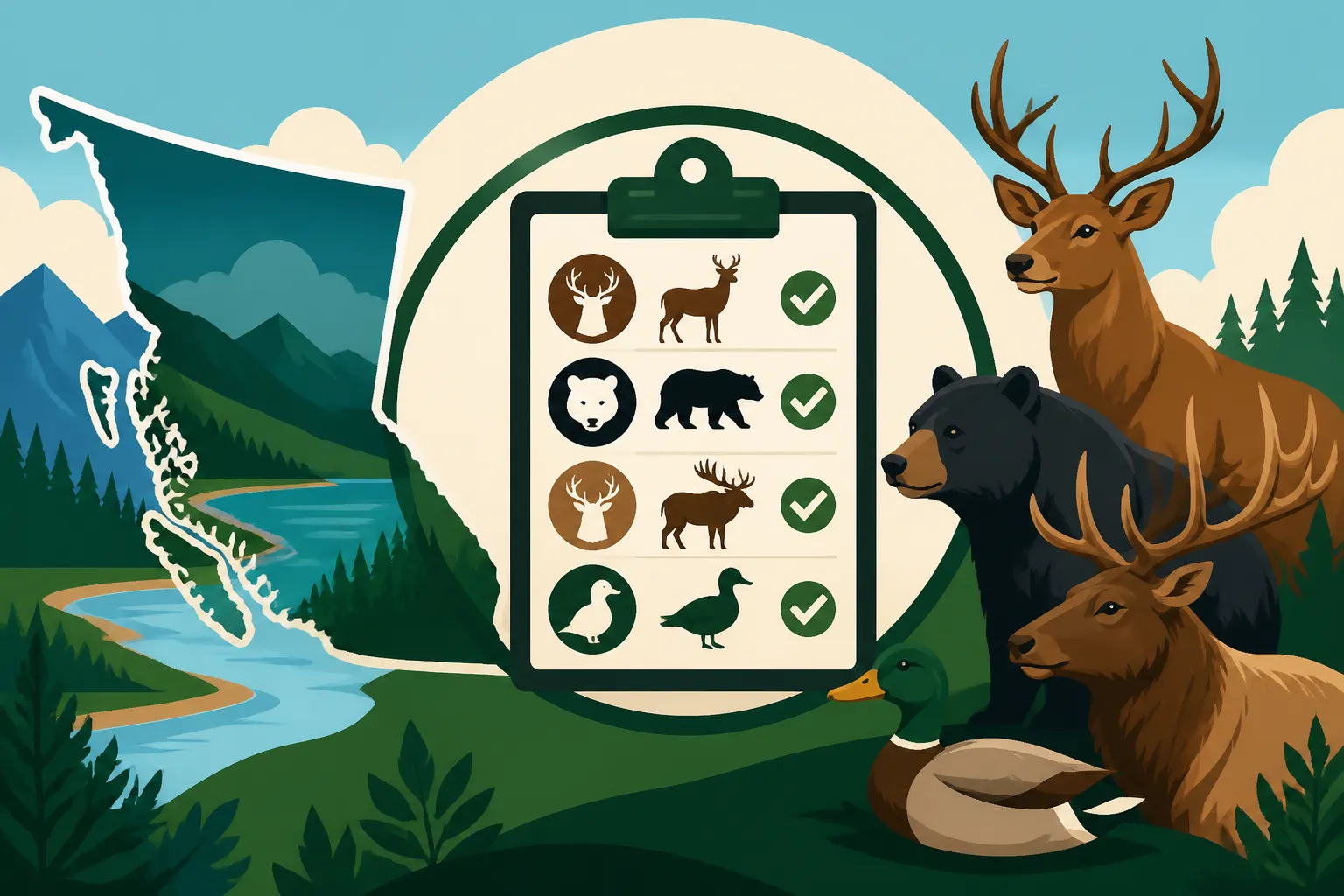
Navigating the world of hunting licences in British Columbia can feel a lot like trying to decipher an ancient map written in a language you don't quite understand. With different rules, fees, and application processes for each species, it's easy to get overwhelmed. This guide is designed to cut through the confusion, offering a clear, step-by-step breakdown of how to acquire the specific species licences and tags you need for your British Columbia hunting adventures, animal by animal.
The Foundation: Your Hunting Credentials and Base Licence
Before you even dream of packing out a moose or calling in a black bear, there are a couple of crucial foundational steps every resident hunter in British Columbia must complete. These aren't just bureaucratic hurdles; they're essential elements that ensure you're equipped with the knowledge and the legal standing to hunt responsibly and safely in our beautiful province. Without these in place, no amount of wishing will get you those desired species tags.
Getting Your FWID and Completing CORE
First things first: every hunter in British Columbia needs a Fish & Wildlife ID, or FWID. Think of it as your unique hunter's fingerprint in the provincial system. It's a non-expiring number that links all your licences, tags, and draw applications to you personally. You can apply for your FWID online through the BC Wildlife Federation website or the BC government's hunting portal. It's a straightforward process, but it's absolutely the starting block for everything else. Without an FWID, you can't buy a hunting licence, let alone any species tags.
Once you have your FWID, the next monumental step for new hunters is completing the Conservation and Outdoor Recreation Education (CORE) program. This isn't just a basic safety course; it's a comprehensive examination that covers everything from firearm safety and wildlife identification to ethical hunting practices and the specifics of BC's hunting regulations. Many veteran hunters will tell you it was a tough but necessary rite of passage, embedding core principles that stick with you for every hunt. You can find courses offered by various certified instructors across the province, often through local rod and gun clubs. Passing the CORE exam is mandatory to obtain your first resident hunting licence and, by extension, any species tags. For a deeper dive into this initial requirement, you can check out our guide on British Columbia's CORE Exam and FWID.
Purchasing Your Resident Basic Hunting Licence
With your FWID secured and CORE passed, you're finally ready to purchase your basic resident hunting licence. This licence is the umbrella under which all your species tags will sit. It's a prerequisite – you simply cannot buy a deer tag, an elk tag, or any other specific animal licence without first having this general licence in your possession. It signifies that you are legally authorized to hunt in British Columbia, adhering to all general regulations.
The cost of this basic licence for residents is quite reasonable, especially when you consider it opens the door to a season of potential adventures. Part of the fee also includes a mandatory Habitat Conservation Trust Fund (HCTF) surcharge, which is an investment back into the very wildlife and habitats that provide us with these hunting opportunities. This fund plays a critical role in supporting conservation projects across the province, from habitat restoration to wildlife research. Knowing that a portion of your licence fee directly contributes to these efforts adds another layer of satisfaction to the purchase. To understand the current costs, refer to British Columbia Resident Hunting Licence Cost. You can purchase your basic licence, along with your species tags, conveniently online through the BC government's platform or at authorized vendor locations like fishing and hunting supply stores.
Navigating British Columbia's Big Game Tags
Once your foundational licences are in order, the real fun of planning your season begins: choosing which big game species you'll pursue. British Columbia offers incredible opportunities for deer, elk, and moose, but each comes with its own set of rules, costs, and application processes. Understanding these nuances is key to successfully tagging out and avoiding any regulatory missteps.
Deer Species Licences: Mule, Black-tail, and White-tail
One of the beauties of hunting deer in British Columbia is that a single "deer" species licence allows you to hunt any of the three main species found here: Mule Deer, Black-tailed Deer (including Columbian and Sitka variations), and White-tailed Deer. This means you don't need a separate tag for each type of deer, which simplifies things considerably. When you purchase your deer species licence, it typically grants you the right to harvest one deer, subject to specific regional and management unit (MU) regulations.
The real complexity comes with the antler restrictions and season dates, which vary dramatically across the province. For instance, many interior MUs have a "4-point or better" antler restriction for mule deer bucks, meaning the buck must have at least four points on one antler, not including the brow tine. Other areas might have "any buck" seasons, or even "spike-fork" regulations. Coastal blacktail seasons, particularly on Vancouver Island, often have less restrictive antler rules but are governed by different season dates. It's absolutely vital to consult the latest BC Hunting and Trapping Regulations Synopsis for the specific MU you plan to hunt. Websites like GoHunt often have excellent map layers that can help you visualize these regulations, making it easier to pinpoint areas matching your target species and antler requirements. Being diligent with your research, even using tools to Scouting a British Columbia Management Unit Online, will pay dividends in preventing unintentional violations. For more details on what these tags cover, look into British Columbia Deer and Elk Tags.
Elk Species Licences: Roosevelt and Rocky Mountain
Elk hunting in British Columbia is a highly sought-after pursuit, and consequently, securing an elk species licence is often more complex than for deer. While a general elk tag can be purchased, the vast majority of prime elk hunting opportunities, especially for mature bulls, fall under the Limited Entry Hunting (LEH) system. This means you'll need to apply to a specific LEH draw for a chance to win an authorization to hunt elk in a particular management unit or zone. There are two distinct subspecies of elk in BC: Roosevelt Elk on the coast and Vancouver Island, and Rocky Mountain Elk predominantly in the Kootenays and other interior regions.
The application period for LEH typically opens in the spring, and results are usually released in the summer. The odds of drawing an elk tag, particularly for bull elk in popular zones, can be very low, making it a true test of patience and persistence. Even if you draw an LEH tag, you still need to purchase the general elk species licence to make it valid. The cost of an elk species licence is higher than a deer licence, reflecting the trophy status and demand for these magnificent animals. Understanding the LEH system is critical, and we cover it in depth in British Columbia's Limited Entry Hunting Draws. Always double-check the regulations for specific regions, as even some general open seasons for elk may have antler-point restrictions or specific dates that vary.
Moose Species Licences
Hunting moose in British Columbia is a bucket-list experience for many, offering a chance to pursue one of North America's largest big game animals in stunning wilderness settings. However, like elk, most moose hunting in BC is managed through the Limited Entry Hunting (LEH) system. This means that simply purchasing a moose species licence isn't enough; you'll almost certainly need to draw an LEH authorization for a specific management unit and season to legally hunt a moose. There are very few general open seasons for moose remaining, and where they do exist, they are often in remote areas with restricted access.
The process involves applying for the LEH draw during the application period, often selecting several choices for management units and hunt types (e.g., bull moose, antlerless moose). The moose species licence itself carries a significant cost, reflecting the immense value and conservation efforts surrounding these animals. Beyond the licence and LEH draw, moose hunting comes with strict compulsory reporting rules. Successful moose hunters are usually required to report their harvest within a short timeframe and, in many cases, present the head for compulsory inspection. This data is vital for wildlife management. The cost associated with this incredible hunt is detailed further in Moose Species Licence Cost, which gives you an idea of the investment involved.
Securing Mountain Game and Bear Tags
British Columbia is world-renowned for its mountain hunting opportunities and its healthy black bear populations. Pursuing sheep, goats, or bears offers distinct challenges and rewards, and each requires a specific approach to licensing and planning.
Sheep and Mountain Goat Licences
If you dream of hunting British Columbia's majestic wild sheep or elusive mountain goats, be prepared for a truly epic adventure that begins long before you set foot on a mountain trail. These hunts are almost exclusively managed through the Limited Entry Hunting (LEH) system, and the draw odds are notoriously low, often requiring many years of accumulated loyalty points or simply a huge stroke of luck. There are three species of wild sheep in BC: Rocky Mountain Bighorn, California Bighorn, and Stone's Sheep, with Dall's Sheep found in the far northwest. Mountain goats are found in alpine regions across the province.
The species licences for sheep and goats are among the most expensive in British Columbia, reflecting the incredible demand, limited supply, and the immense conservation efforts dedicated to these sensitive populations. These tags are for serious mountain hunters willing to put in the time and effort. Beyond the provincial tags, certain species, particularly Stone's Sheep and Dall's Sheep, may require additional CITES (Convention on International Trade in Endangered Species of Wild Fauna and Flora) permits if you plan to export your trophy internationally. This adds another layer of paperwork and planning. For those contemplating such an investment, it's worth understanding Why the Sheep Tag Costs the Most. Resources like GoHunt are invaluable for researching historical draw odds and planning your LEH applications strategically, helping you make informed decisions when applying for these highly coveted tags.
Black Bear Species Licences
Unlike the highly regulated LEH system for most big game, black bear hunting in British Columbia offers more accessible opportunities. Black bear species licences are typically available over-the-counter, meaning you can purchase them directly without needing to go through a draw. What's even better for many hunters is that residents are often allowed to purchase two black bear tags per year, opening up possibilities for both spring and fall hunts.
British Columbia boasts a robust black bear population, and they can be found in nearly every corner of the province, from coastal rainforests to interior mountains. This accessibility makes black bear hunting a popular choice, particularly for those looking to extend their hunting season or introduce new hunters to big game. However, even with readily available tags, responsible hunting practices are paramount. Proper identification of a boar versus a sow with cubs is crucial, as harvesting a sow with dependent cubs is illegal and unethical. Hunters also need to be aware of the specific seasonal dates for spring and fall hunts, which vary by management unit. For a comprehensive guide on when and where to pursue these opportunities, our Black Bear Hunting British Columbia's Spring article provides valuable insights. Always check the regulations for the specific MU you intend to hunt to confirm season dates and bag limits.
Predator, Small Game, and Furbearer Licences
British Columbia offers a diverse array of hunting opportunities beyond traditional big game, including various predators, small game animals, and furbearers. Each category has its own licensing requirements and regulations, providing year-round options for hunters.
Cougar and Wolf Tags
For those seeking a more challenging and often prolonged hunting experience, cougars and wolves present unique opportunities. Cougar tags are purchased as a specific species licence and are generally available over-the-counter. Cougar seasons typically run for an extended period through the fall and winter, often coinciding with tracking snow, which is essential for successful hunts. In many regions, hunting cougar with hounds is permitted and is a highly specialized method. It's a demanding hunt, often requiring significant time, specialized equipment, and perseverance.
Wolf hunting is another popular pursuit, with wolf tags also available as a dedicated species licence. Wolves have very generous, often year-round, seasons in many parts of the province, reflecting their widespread distribution and robust populations. There are usually no bag limits in most management units, but hunters must still purchase a tag for each wolf harvested. Wolf hunting can be done through calling, tracking, or incidental encounters while hunting other species. The flexibility of wolf seasons makes them an excellent option for those looking to hunt outside of traditional big game seasons. For detailed information on seasons and limits for these cunning predators, consult Wolf Season Dates and Bag Limits.
Upland Birds and Small Game
If you're looking for a different kind of hunting experience, British Columbia's upland bird and small game opportunities are incredibly diverse and often require less specialized gear than big game hunting. For many common small game species like snowshoe hares, cottontail rabbits, and various squirrel species, no specific species tag is required beyond your basic resident hunting licence. This makes them highly accessible for casual hunts or for introducing new hunters to the field.
Upland birds, however, generally require their own specific regulations to be followed, though not always a separate "species licence" in the same way big game does. Instead, your basic hunting licence permits you to hunt grouse (Ruffed, Spruce, and Blue/Dusky varieties) within the established season dates and bag limits for your chosen management unit. Ptarmigan also fall under similar regulations. These seasons typically run from late summer through the fall. While you don't buy a "grouse tag," you must adhere to the daily and possession limits. Understanding these limits and the specific regulations for the birds you're targeting is crucial. Our guide on British Columbia Grouse Season and Limits provides excellent detail on these feathered pursuits. Always check the annual synopsis for current bag limits and season dates, as they can change.
Waterfowl and Migratory Bird Permits
Waterfowl hunting in British Columbia offers a dynamic and exciting experience, from decoying ducks on coastal estuaries to field hunting geese in the Fraser Valley. However, hunting migratory game birds involves a slightly different licensing structure, combining both federal and provincial requirements.
Federal Migratory Game Bird Permit and Provincial Wildlife Habitat Conservation Stamp
To hunt any migratory game birds in British Columbia – this includes all species of ducks, geese, mergansers, coots, and snipe – you must possess a valid Federal Migratory Game Bird Hunting Permit. This permit is issued by the Government of Canada and is mandatory nationwide. It's an annual permit that typically goes on sale in late summer and must be renewed each year. You can purchase this permit online through the Environment and Climate Change Canada website or at Canada Post outlets. It's critical to have this in your possession, along with your provincial basic hunting licence, when hunting waterfowl.
Alongside the federal permit, British Columbia also requires hunters to purchase a provincial Wildlife Habitat Conservation Stamp. This stamp is typically bought at the same time as your basic hunting licence and is often an integrated part of the purchase process. Funds from this stamp contribute directly to habitat conservation projects within the province. Another key consideration for waterfowl hunting is the mandatory use of non-toxic shot. Lead shot is strictly prohibited for hunting migratory game birds throughout Canada, including BC. This rule is in place to protect wetlands and the birds that inhabit them from lead poisoning. For more information on this vital regulation, you can read about Non-Toxic Shot Requirements for Waterfowl. While GoHunt is excellent for big game, understanding waterfowl seasons often requires consulting federal and provincial summaries directly.
Understanding Species-Specific Regulations
Beyond the required federal permit and provincial stamp, waterfowl hunting is highly regulated with specific bag limits, possession limits, and season dates that vary significantly by species and by region. For instance, the season dates and daily bag limits for Mallards in the Fraser Valley might be vastly different from those for Harlequin Ducks on the North Coast. Special restrictions can apply to certain species like Brant or specific goose populations.
It's not enough to simply know the general duck season; you need to be acutely aware of the rules for each species you might encounter. This requires diligent study of both the federal migratory bird regulations and the provincial hunting synopsis, particularly the sections pertaining to waterfowl. These documents will outline shooting hours, restricted areas, species-specific limits, and any other pertinent rules. Ignoring these details can lead to serious penalties. Regularly checking the provincial regulations for British Columbia Duck Season Dates will ensure you're always hunting within the legal framework, ensuring a responsible and enjoyable waterfowl season.
Species Licences and Requirements at a Glance
To help consolidate the information, here's a quick overview of some of the key species and their licensing requirements in British Columbia.
| Species Category | Licence Type | Typical Availability | Key Considerations |
|---|---|---|---|
| Big Game | |||
| Deer (Mule, Blacktail, Whitetail) | Deer Species Licence (one covers all) | Over-the-counter | Antler restrictions, MU-specific seasons |
| Elk (Roosevelt, Rocky Mtn) | Elk Species Licence + LEH Authorization | LEH Draw | Low draw odds, specific subspecies |
| Moose | Moose Species Licence + LEH Authorization | LEH Draw | Compulsory reporting, very low draw odds |
| Black Bear | Black Bear Species Licence (up to two) | Over-the-counter | Spring/fall seasons, sex identification crucial |
| Cougar | Cougar Species Licence | Over-the-counter | Winter seasons, tracking snow, use of hounds |
| Wolf | Wolf Species Licence | Over-the-counter | Long/year-round seasons, no bag limit in many MUs |
| Mountain Goat | Mountain Goat Species Licence + LEH Authorization | LEH Draw | Very low draw odds, high cost, demanding hunt |
| Sheep (Stone's, Bighorn) | Sheep Species Licence + LEH Authorization | LEH Draw | Extremely low draw odds, very high cost, CITES |
| Upland Game Birds | |||
| Grouse (Ruffed, Spruce, Blue/Dusky) | Basic Hunting Licence only | Over-the-counter | Daily/possession limits, MU-specific seasons |
| Ptarmigan | Basic Hunting Licence only | Over-the-counter | Alpine habitat, daily/possession limits |
| Migratory Game Birds | |||
| Ducks, Geese, Snipe | Federal Migratory Game Bird Permit + Basic BC Hunting Licence + BC Wildlife Habitat Conservation Stamp | Online/Vendors | Non-toxic shot required, strict daily/possession limits, species ID crucial |
| Small Game | |||
| Snowshoe Hare, Squirrels | Basic Hunting Licence only | Over-the-counter | General open seasons, no species-specific tag required |
Note: This table provides a general overview. Always consult the most current British Columbia Hunting and Trapping Regulations Synopsis and the Federal Migratory Game Bird Hunting Regulations for exact details, fees, and any regional variations.
Disclaimer
Please remember that hunting regulations in British Columbia are subject to change. While this guide aims to provide accurate and up-to-date information, it is your responsibility as a hunter to consult the most current British Columbia Hunting and Trapping Regulations Synopsis and any relevant federal regulations before heading into the field. This guide is for informational purposes only and should not be considered legal advice.