What a Mountain Goat Tag Costs
The thought of chasing a majestic mountain goat through British Columbia's rugged alpine is a dream for many, but the reality of budgeting for such an adventure can quickly turn that dream into a financial headache. Between licenses, tags, and all the associated costs, it's easy to feel overwhelmed before you even begin. This comprehensive guide aims to demystify the expenses involved, particularly focusing on the often-confusing cost of a mountain goat tag, so you can plan your hunt with confidence and a clear understanding of the financial landscape.
Understanding the Financial Outlay for British Columbia Hunting
Before we even get to the specific cost of a mountain goat tag, it's crucial to understand the foundational financial requirements for hunting in British Columbia. These are the mandatory fees that every hunter, resident or non-resident, needs to account for, forming the baseline of your hunting budget. It’s easy to overlook these initial costs when the excitement of the tag itself is so prevalent, but they are absolutely non-negotiable.
The Basic British Columbia Hunting Licence
Every hunter in British Columbia, whether you're a lifelong resident or visiting from afar, must purchase a basic hunting licence. This licence acts as your fundamental authorization to hunt in the province, a kind of entry ticket into the world of British Columbia's wild places. For residents, this fee is relatively modest, but it’s still an annual expense that needs to be factored into your overall hunting budget. Many hunters experience a slight frustration when adding up all the smaller fees that precede the actual species tag, but it's part of the system designed to manage and conserve wildlife.
For non-residents, the cost of this basic licence is significantly higher, reflecting the provincial policy that prioritizes resident access and ensures non-residents contribute more substantially to conservation efforts. This is a critical distinction that immediately sets a non-resident's budget on a different trajectory compared to a resident's. It's often one of the first things a new non-resident hunter discovers, realizing quickly that their total trip cost will be considerably higher than what a local would pay. It’s important to understand the distinctions regarding British Columbia Resident Licence Cost versus what non-residents are expected to pay.
Habitat Conservation Trust Foundation Surcharge
Another mandatory fee that often gets overlooked in the initial excitement of planning is the Habitat Conservation Trust Foundation (HCTF) surcharge. This isn't just an arbitrary add-on; it's a vital contribution to wildlife conservation and habitat enhancement projects across the province. Every time you purchase a hunting licence or a species tag in British Columbia, a portion of that money goes directly to the HCTF.
This surcharge, while seemingly small on its own, adds to the cumulative cost of your hunting endeavour. It’s a mandatory fee, baked into the process, and ensures that hunters are directly contributing to the sustainability of the very resources they enjoy. While no one likes extra fees, understanding What the Habitat Conservation Surcharge Pays For can help contextualize its importance. It's a testament to the fact that hunting in B.C. isn't just about the pursuit of game, but also about playing an active role in maintaining healthy ecosystems for future generations.
Diving Deep into the Mountain Goat Tag Cost
Now that we've covered the baseline costs, let's zero in on the specific expense that brings many hunters here: the mountain goat tag itself. This is where the price points diverge most sharply between residents and non-residents, and it's also where the element of the Limited Entry Hunting (LEH) draw comes heavily into play. The cost isn't just about the number on the tag; it's tied into the entire access system for these majestic animals.
Resident Mountain Goat Tag Pricing
For British Columbia residents, the cost of a mountain goat species tag is a considerable investment, reflecting the trophy status and relative scarcity of these animals. As of the current regulations, a resident mountain goat tag costs approximately $75. While this might seem reasonable compared to some other big game tags in other jurisdictions, when you add it to the basic hunting licence and the HCTF surcharge, you're already looking at a triple-digit expense before you've even bought fuel or specialized gear.
This price point for residents often leads to careful consideration, as mountain goat hunting is notoriously demanding, both physically and in terms of equipment. It’s not a hunt one undertakes lightly, and the tag cost reflects that commitment. Compared to other resident tags, like a general deer tag, the goat tag is certainly on the higher end, underscoring its unique position in British Columbia's hunting landscape. Many residents save for years or prioritize this hunt over others, fully aware of the financial and physical demands it entails.
Non-Resident and Non-Resident Alien Mountain Goat Tag Costs
This is where the financial difference becomes truly stark. For non-residents of Canada, the mountain goat tag costs approximately $750. For non-resident aliens (those who are not Canadian citizens or permanent residents), the cost is similar. This tenfold increase from the resident price highlights the significant revenue generation from international hunters that supports B.C.'s wildlife management.
Beyond the tag price itself, non-residents face a critical additional requirement: the need to hunt with a licensed British Columbia guide outfitter or under a Permit to Accompany. This isn't just a recommendation; it's a legal mandate outlined in Rules for Non-Residents Hunting British Columbia. While the tag itself is $750, the actual cost of a non-resident mountain goat hunt can easily soar into the tens of thousands of dollars once guide fees, travel, and logistics are included. The Permit to Accompany, explained further in The Permit to Accompany Explained, offers a limited exception, allowing a non-resident to hunt with a close resident relative under specific conditions, but it's not a general workaround for the guiding requirement. This structure ensures that non-resident hunting contributes significantly to the local economy and conservation efforts, while maintaining a managed access system for high-demand species.
The LEH Factor and Application Fees
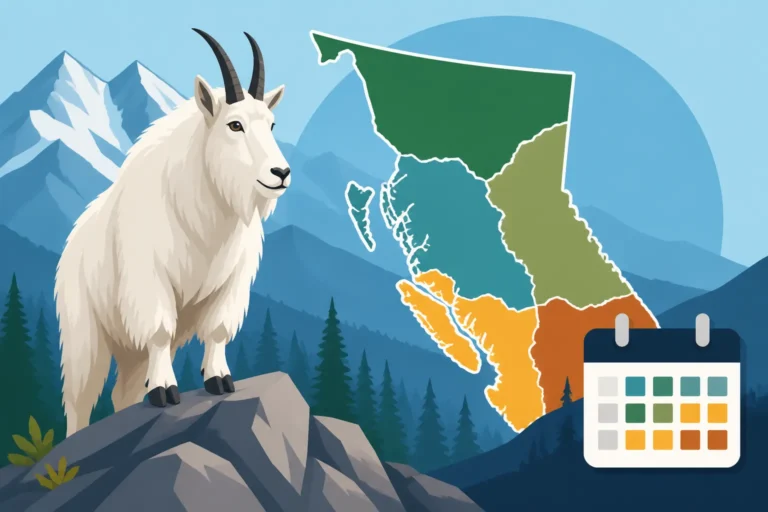
Mountain goat hunting in British Columbia is almost exclusively managed through the Limited Entry Hunting (LEH) system. This means you can't just buy a tag over the counter; you have to apply for a draw, and success is far from guaranteed. Each application for an LEH draw, regardless of the species, incurs a non-refundable application fee, usually around $6 per application. So, while the tag itself has a fixed price, the cost of attempting to get that tag can add up over years of applying, especially if you apply for multiple species or in multiple zones.
This application fee might seem minor, but if you're like many dedicated hunters, you're applying annually for various highly sought-after species, and those small fees accumulate. The frustration often lies in paying these fees year after year with no guarantee of success, leading to that familiar feeling of throwing money at a lottery ticket. However, understanding How British Columbia's LEH System Works is crucial. Researching draw odds using tools like GoHunt can provide valuable insights into your chances of success for different zones, helping you make more strategic application choices and potentially save on fees by avoiding draws with impossibly low odds. It’s an investment in hope, yes, but an informed investment is always better.
The True Cost of a British Columbia Mountain Goat Hunt Beyond the Tag
While the licence and tag costs are the formal entry fees, anyone who has pursued mountain goats knows that these are just the tip of the iceberg. The real financial commitment, and often the biggest surprise for first-timers, comes from the specialized gear, travel logistics, and the unparalleled demands of hunting these high-alpine dwellers. It’s a holistic financial equation, not just a line item for the tag.
Essential Gear and Equipment
Mountain goat hunting is not for the faint of heart, nor for the poorly equipped. The terrain mountain goats inhabit — craggy peaks, steep chutes, and high alpine basins — demands a very specific set of gear, and this gear comes with a significant price tag. You'll need top-tier optics, including a high-quality spotting scope and binoculars, to pick out white specks against distant rock faces. Think about the need for durable, waterproof, and extremely grippy boots suitable for Hunting Mountain Goat on British Columbia Rock, which can easily cost several hundred dollars.
Layering systems for clothing are paramount, as weather in the alpine can shift dramatically from warm sunshine to freezing rain and snow in a matter of hours, especially when you're Hunting British Columbia's Alpine in Early September. A reliable, lightweight yet robust backpack is essential for carrying not only your day gear but potentially meat and a hide out of treacherous terrain—indeed, Packing Meat With a Frame Pack from goat country is legendary for its difficulty. Other necessities include a good shelter system if you're backpacking, specialized navigation tools, and perhaps even a satellite communication device given the remote nature of many goat hunts. Many hunters already own some of these items, but filling in the gaps with mountain-grade equipment can easily add thousands of dollars to your overall expedition cost.
Travel and Logistics
Getting to British Columbia's prime mountain goat country is often an adventure in itself, and it adds substantially to the total cost. If you're a resident, this might mean hundreds of dollars in fuel for your truck to reach remote trailheads, possibly over several scouting trips. You might also need to factor in maintenance costs for your vehicle, especially if you're navigating rough logging roads. For those flying in, especially non-residents, the costs escalate dramatically. Flights to major hubs like Vancouver or Prince George, followed by potential commuter flights to smaller regional airports, can be significant. Then there’s the rental vehicle, often a 4×4, which can be expensive given the demand for reliable backcountry access.
Beyond transportation, consider accommodation before and after your hunt. Many hunters opt for hotels in gateway towns. Food supplies for a multi-day or multi-week hunt also need to be budgeted for. And don't forget the challenge of Finding Fuel and Supplies Up North; fuel can be sparse and significantly more expensive in remote areas. All these seemingly minor expenses quickly compound, highlighting why the tag cost is just one piece of a much larger financial puzzle when planning for a truly remote hunt.
Outfitter and Guide Expenses (Crucial for Non-Residents)
For non-residents, the requirement of a guide makes the outfitter fees the single largest expense, dwarfing all other costs. A fully guided mountain goat hunt in British Columbia can range anywhere from $15,000 to upwards of $30,000 or more, depending on the outfitter, the duration of the hunt, and the mode of access (e.g., horseback, fly-in, jet boat). These costs generally cover the guide's services, camp accommodation, food during the hunt, and transportation within the hunting area.
It's a substantial financial commitment, one that typically requires booking several years in advance and paying significant deposits. When researching What a Guided Goat Hunt Costs, you'll quickly see that transparency varies, so asking detailed questions about what's included and what's not (e.g., trophy fees, licence costs, processing fees, air charter beyond the initial drop-off) is critical. While it's a huge investment, a good guide provides invaluable expertise in navigating the treacherous terrain, locating game, ensuring safety, and handling the logistics, making the dream of a mountain goat hunt attainable for those who wouldn't be able to do it otherwise.
Making Your Mountain Goat Hunt Economical (or at least, less shocking)
While mountain goat hunting will never be a "cheap" endeavor, there are definitely strategies you can employ to make the financial burden more manageable, or at least ensure you're spending your money wisely. It's about smart planning, realistic expectations, and understanding where you can gain efficiencies without compromising safety or the quality of your experience.
Strategic LEH Applications
Since most mountain goat hunts are via the LEH draw, strategic application is paramount to both increasing your odds and managing your costs. Instead of blindly applying, take the time to research draw odds for various Management Units (MUs). Websites like GoHunt often provide historical draw data and analysis, helping you identify zones with slightly better odds, even if they're still low overall. Understanding Reading LEH Odds Before You Apply can save you from repeatedly paying application fees for draws with near-zero success rates.
Consider applying as a party if you have a reliable hunting partner. While it doesn't dramatically increase your individual odds, it means if one person draws, the whole party can potentially participate, splitting some of the associated costs like fuel and camp gear. Remember, building up priority points in the LEH system over years of applying, even unsuccessfully, can eventually give you an edge in highly competitive draws. It’s a long game, but a strategic one can eventually pay off, allowing you to eventually secure one of British Columbia's Species Licences and Tags for a mountain goat.
DIY vs. Guided Hunt Considerations
For residents, the decision between a do-it-yourself (DIY) hunt and a guided hunt is a major financial pivot point. A DIY hunt, while requiring significantly more research, physical effort, and self-reliance, can drastically reduce costs. You save thousands on guide fees, instead investing in your own gear, transportation, and potentially a lifetime of valuable backcountry experience. However, a DIY mountain goat hunt demands exceptional physical fitness, advanced backcountry navigation skills, and a deep understanding of mountain goat behaviour and habitat, often gained through years of scouting and other mountain hunting. It's truly one of the most challenging hunts you can undertake in British Columbia.
For non-residents, the choice is largely removed due to the mandatory guiding requirement. However, even within the guided spectrum, there are options. Some outfitters offer "semi-guided" or "drop camp" services, where they fly you into a remote area and pick you up later, but you handle the actual hunting and camping yourself. While less expensive than a fully guided hunt, these options still require a considerable budget and a high level of self-sufficiency. Ultimately, your budget, experience, and legal requirements will dictate whether a DIY or guided approach is feasible, but for non-residents, a guided hunt is often the only legal path to a British Columbia mountain goat.
Budgeting for the Unexpected
Even the most meticulously planned hunt can throw curveballs, and these can often come with an unexpected financial cost. Weather in British Columbia's mountains is famously unpredictable; a sudden snowstorm or days of dense fog can delay a fly-in or push back your hunt dates, leading to extra accommodation costs or even rebooking flights. Equipment failures, a broken boot, or a damaged scope, can necessitate immediate, often expensive, replacements.
Beyond the hunt itself, consider the post-harvest expenses. Getting your meat out of the backcountry and then processed is another significant cost. Getting Meat Processed in British Columbia involves butcher fees, and if you plan to ship meat home, specialized packaging and shipping costs can add up quickly. If you're successful in harvesting a trophy, there are additional costs for skinning and hide care, taxidermy, and permits for Exporting a Trophy From British Columbia. These "hidden" costs, while often joyful expenses, are still costs and should be factored into your budget to avoid any unwelcome surprises after a successful hunt.
British Columbia Mountain Goat Hunt Cost Breakdown
To give you a clearer picture, here's a generalized breakdown of potential costs for both resident DIY and non-resident guided mountain goat hunts. Please remember these are estimates and can vary significantly based on individual choices, outfitter rates, and market fluctuations.
| Expense Category | Resident DIY (Estimate in CAD) | Non-Resident Guided (Estimate in USD) | Notes |
|---|---|---|---|
| Hunting Licence (Basic) | $35 – $60 | $200 – $300 | Annual, mandatory fee. |
| HCTF Surcharge | ~$10 | ~$10 | Mandatory, per licence/tag. |
| Mountain Goat Tag | ~$75 | ~$750 | Species-specific tag, required after LEH draw. |
| LEH Application Fees | ~$6 per application (annual) | ~$6 per application (annual) | Non-refundable, applies to each zone/species applied for. |
| Guide/Outfitter Fees | N/A | $15,000 – $30,000+ | Mandatory for non-residents. Covers guide, camp, food, in-field travel. |
| Gear/Equipment | $1,000 – $5,000+ | $1,000 – $3,000+ | Optics, clothing, boots, pack, camp gear. (Assumes some existing gear for guided) |
| Travel (Fuel/Flights) | $200 – $1,500+ | $1,000 – $5,000+ (flights to BC) | Variable based on distance, vehicle, air travel. |
| Food/Rations | $100 – $300 | Included in guide fees (typically) | Costs for camp food, snacks. |
| Meat Processing | $100 – $300 | $100 – $300 | Butcher fees, packaging. |
| Trophy Care/Shipping | $100 – $500 | $500 – $2,000+ | Taxidermy prep, shipping to home. |
| Contingency | $300 – $1,000 | $1,000 – $3,000 | For unexpected delays, repairs, extra nights. |
| TOTAL ESTIMATE | $1,900 – $9,000+ | $19,000 – $43,000+ | These are broad estimates only. |
Disclaimer
The information provided in this guide is for general informational purposes only and does not constitute legal or financial advice. Hunting regulations, licence fees, and tag costs in British Columbia are subject to change by the provincial government and wildlife authorities. Outfitter prices are variable and should be confirmed directly with individual guide outfitters. Always consult the most current British Columbia Hunting and Trapping Synopsis and official government sources before planning your hunt.