Hunting Ptarmigan in British Columbia’s Alpine
For many hunters, the image of British Columbia is often dominated by majestic big game like moose, elk, and deer. But tucked away in the province's breathtaking high country, a smaller, incredibly challenging game bird awaits: the ptarmigan. These elusive alpine residents offer a unique and physically demanding hunting experience, and understanding their specialized world is key to success. This guide will take you deep into the nuances of hunting ptarmigan in British Columbia's alpine, covering everything from species identification and habitat to the gear and tactics you'll need to pursue these feathered ghosts of the mountains.
Understanding British Columbia's Ptarmigan Species and Habitat
British Columbia is home to three distinct species of ptarmigan: the White-tailed Ptarmigan, the Rock Ptarmigan, and the Willow Ptarmigan. While all three share a love for high-elevation environments, they each have preferred niches, and knowing these differences is your first step to finding them. This isn't your typical bush grouse hunt; you're venturing into a truly wild and often unforgiving landscape.
Identifying the Three Ptarmigan Species
Recognizing which ptarmigan you're looking at is important, not just for curiosity, but sometimes for specific regional regulations or just understanding their behaviour. All three species are famous for their seasonal plumage changes, turning mostly white in winter to blend with the snow, and mottled brown/grey in summer to match the rocky, sparse alpine vegetation.
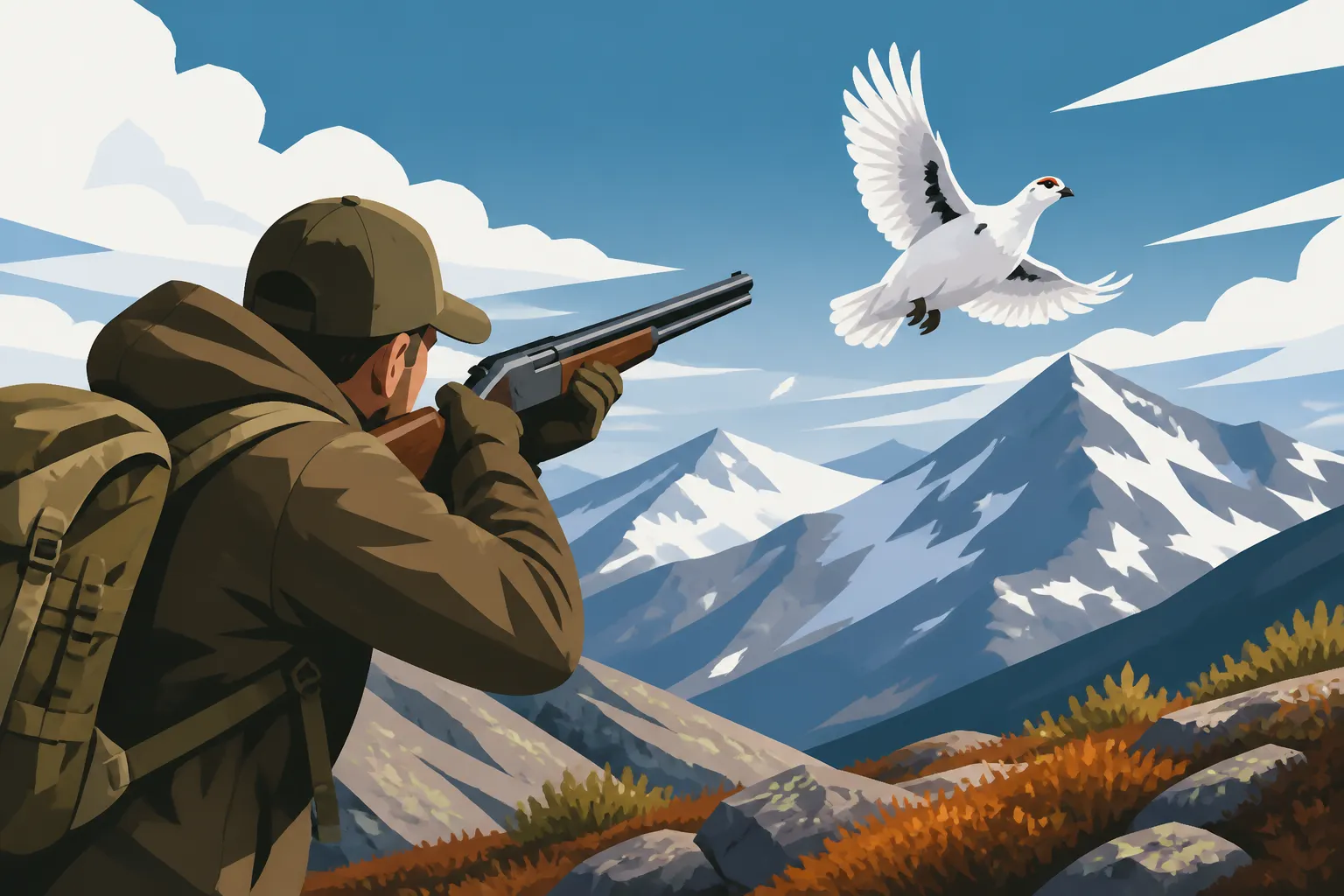
The White-tailed Ptarmigan (Lagopus leucura) is arguably the most common and widely distributed in BC's alpine. The dead giveaway for this species, as its name suggests, is its pure white tail feathers in all seasons. They are also typically the smallest of the three. You'll find them almost exclusively above the timberline, scrambling among rocks, dwarf willows, and heather. They are truly masters of camouflage, often holding incredibly tight, allowing a hunter to almost step on them before they flush with a startling burst of wings. This makes them a fantastic challenge for foot hunters.
The Rock Ptarmigan (Lagopus muta) is a bit larger and, while also found in rocky alpine terrain, tends to prefer slightly more barren, windswept ridges and plateaus. Their tail feathers are dark, and they often have a more speckled, greyish-brown summer plumage compared to the White-tailed. The males, or cocks, of both Rock and Willow Ptarmigan develop distinct red combs above their eyes during breeding season, a feature absent in White-tailed Ptarmigan. Spotting a Rock Ptarmigan often means a closer inspection of their tail feathers, which will be dark, not white.
Finally, the Willow Ptarmigan (Lagopus lagopus) is the largest of the three. As its name implies, it has a stronger affinity for dense willow thickets, particularly in subalpine and alpine drainages where willows grow in profusion. While still an alpine bird, they are often found at slightly lower elevations, closer to the krummholz (stunted trees at timberline) or in broader, wet alpine meadows. In summer, their plumage is a richer, more rufous brown. Like the Rock Ptarmigan, their tail feathers are dark. If you're busting through dense willow patches near a stream in the alpine, you're likely in Willow Ptarmigan territory. These birds are a bit more prone to flushing wild than their rock-loving cousins, offering a faster shot opportunity. Understanding the distinct characteristics of British Columbia's Three Ptarmigan Species is fundamental to success.
Ideal Alpine Habitats for Ptarmigan
When we talk about "alpine" in British Columbia, we're referring to a vast and varied landscape, generally above the continuous treeline. This can range from rugged, glaciated peaks to rolling, heather-covered plateaus. Ptarmigan thrive in this unforgiving environment because of their incredible adaptations.
White-tailed Ptarmigan gravitate towards high-elevation talus slopes, rocky scree fields, and sparse lichen-covered tundra. They are often found near permanent snow patches, which provide both cover and a source of meltwater. Look for areas with a mix of rocks and low-lying vegetation like dwarf birch, heather, and sedges. These zones offer perfect camouflage and insect foraging opportunities. Remember that these birds don't migrate far; they stay in the alpine year-round, simply changing their plumage. Their ability to seemingly disappear into a rock slide is legendary, making Glassing an Alpine Basin for Rams a skill that can definitely translate to ptarmigan hunting.
Rock Ptarmigan are often found in similar, but perhaps even harsher, environments than the white-tails. Think exposed ridges, barren plateaus, and areas with minimal vegetation where lichens cling to rocks. They are incredibly hardy and can withstand extreme weather. Their diet consists of buds, shoots, and catkins of arctic-alpine plants, so areas with these food sources are key.
Willow Ptarmigan, as mentioned, are tied to thicker willow growths. These are typically found in moist depressions, along alpine streams, and in sheltered basins that collect snow and moisture, allowing denser vegetation to flourish. These habitats often provide more cover from aerial predators and can hold higher densities of insects during the summer months. When exploring these environments, consider the advice on Hunting British Columbia's Alpine in September, as early fall is often when these birds are most accessible.
Timing Your Ptarmigan Hunt in British Columbia
Successfully hunting ptarmigan isn't just about knowing where they live; it's also about understanding the subtle shifts in seasons and weather that dictate their behavior and accessibility. The alpine is a dynamic environment, and timing is everything.
Best Seasons and Weather Windows
For most resident hunters, the prime window for ptarmigan hunting in British Columbia aligns with the general open season for upland birds, typically from September into late October, depending on the management unit (MU). Early September offers beautiful, often stable weather, with birds still in their mottled summer plumage. This is when the alpine is at its most vibrant, and the hiking is generally easier before the snow truly begins to accumulate. However, birds can be incredibly spread out and sometimes spooky in these conditions.
As October progresses, the weather often turns more volatile, bringing colder temperatures and the first significant snowfalls to the high country. This can be a double-edged sword: while tougher for the hunter, it can concentrate ptarmigan. As snow covers their food sources and habitat lower down, they will often congregate on windswept ridges where vegetation is still exposed, or seek shelter in dense krummholz. This also means they may begin to transition into their winter white plumage, making them stand out against a patchy snow background, or disappear entirely into a full snow cover. This dynamic is crucial when Hunting Above Timberline in Cold Weather.
It's absolutely essential to keep a close eye on weather forecasts for the specific mountain ranges you plan to hunt. A sunny, calm morning can quickly turn into a whiteout blizzard in the alpine. Always be prepared for drastic temperature drops, high winds, and rapidly changing conditions. A clear, crisp autumn day immediately after a fresh snowfall can be ideal, as birds might be more concentrated, and their tracks visible, but don't underestimate the challenge of navigating new snow.
Impact of Snowline and Migration Patterns
Unlike many migratory birds, ptarmigan are residents of the alpine year-round, but they do make altitudinal migrations. As the snowline pushes lower in late fall and winter, ptarmigan will descend to find food and shelter. However, they rarely drop below the timberline, preferring to remain in the subalpine fringes or in sheltered pockets of alpine where conditions are slightly less severe. This descent can make them more accessible to hunters who don't want to tackle the highest peaks.
The presence of snow significantly impacts their camouflage. In early fall, a bird in summer plumage on a patch of early snow is a relatively easy target. Conversely, a bird in full white winter plumage against a snow-covered slope can be virtually invisible until it flushes. This adds an extra layer of challenge and excitement to the hunt. If you're trying to locate birds, remember that GoHunt mapping tools can be invaluable for identifying potential ptarmigan habitat and tracking snowline forecasts on specific peaks and ranges. This allows you to pinpoint likely areas where birds might be concentrated due to snow cover.
Understanding these subtle movements means scouting isn't just about looking for birds, but looking for suitable habitat based on current and forecasted snow conditions. Remember, ptarmigan often feed on exposed buds and berries, so south-facing slopes or wind-scoured ridges that shed snow quickly can be prime locations even after a fresh dump.
Essential Gear and Tactics for Alpine Ptarmigan
Hunting ptarmigan in British Columbia's alpine is a physically demanding endeavour that requires specialized gear and a methodical approach. This isn't a stroll through the park; it's a genuine backcountry experience that tests your endurance and preparation.
Footwear, Clothing, and Optics
Your gear choices are paramount in the alpine. The terrain is often steep, rocky, and uneven, making sturdy, supportive footwear an absolute non-negotiable. Invest in high-quality, waterproof hiking boots with excellent ankle support and stiff soles for navigating scree and talus. Many experienced hunters opt for a stiff mountaineering boot or a robust backpacking boot, understanding that you'll be traversing unforgiving ground for hours.
Layering is critical for clothing. The weather can change from warm sun to biting wind and snow in minutes. Start with a moisture-wicking base layer, add insulating mid-layers (fleece or down), and top it off with a waterproof and windproof shell jacket and pants. Pay particular attention to the quality of your outerwear; a good shell from brands like Arc'teryx or Outdoor Research can be the difference between a miserable trip and a successful one. Don't forget a warm hat, gloves, and extra dry socks. Given the exposed nature of the alpine, British Columbia Blaze Orange Rules might apply if big game seasons are open, and it's always a good idea for visibility anyway.
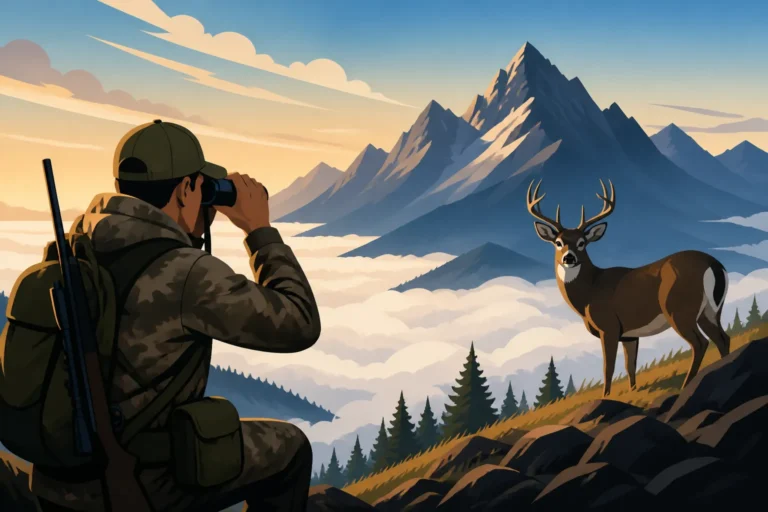
Optics are also crucial. While ptarmigan are small, they often hold tight, making them difficult to spot. A good pair of 8x or 10x binoculars are essential for scanning distant slopes and identifying potential habitat. Some hunters even carry a spotting scope, especially if they are combining their ptarmigan hunt with scouting for larger game like sheep or goats, as described in Backpacking Into British Columbia Sheep Country. GoHunt's mapping and satellite imagery can also give you an excellent overhead view for terrain analysis before you even leave home.
Hunting Methods and Dog Considerations
Ptarmigan hunting primarily involves still-hunting and glassing. Still-hunting means moving slowly and deliberately through likely habitat, constantly scanning the ground ahead and around you. Ptarmigan will often sit incredibly tight, relying on their camouflage, so keen eyesight and patience are rewarded. Stop frequently, use your binoculars, and look for subtle movements, shadows, or the tell-tale white of a ptarmigan's wing or belly. Many times, you'll only spot them when they move, or when you are within a few feet.
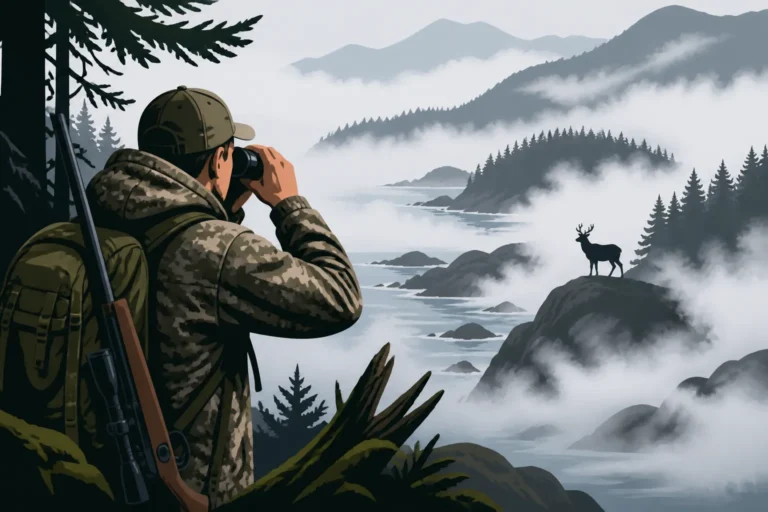
Glassing from a vantage point is another highly effective method. Find a high spot with a broad view of ptarmigan-friendly terrain (rocky slopes, willow patches, near snowfields) and systematically scan with your binoculars. Take your time, break up the landscape into grids, and look for anything that seems out of place. This strategy is incredibly useful, similar to how you would approach Hunting Mountain Goat on British Columbia Rock.
Hunting with a well-trained bird dog can significantly increase your success and enjoyment. Pointers or flushers trained for upland birds can locate and hold ptarmigan, giving you clear shot opportunities as the birds flush. The challenge, however, is training a dog to navigate the extreme alpine terrain without injury, and ensuring they have adequate paw protection. A dog's keen nose is invaluable for finding birds that are otherwise invisible. Always ensure your dog is well-conditioned for high-altitude work and protected from the elements.
Shotguns are the primary tool, typically 12 or 20 gauge, with light game loads (e.g., 7.5 or 8 shot). Choke selection depends on how close the birds are holding; often an improved cylinder or modified choke is sufficient for the close flushes. For those who enjoy a true challenge, a .22 rifle can be used for headshots on birds that hold still, though this requires exceptional marksmanship and often isn't practical when birds flush.
Regulations and Responsible Hunting Practices
Hunting ptarmigan in British Columbia, like all hunting, comes with specific regulations and a strong emphasis on ethical, responsible conduct. Being prepared means not just having the right gear, but also being fully aware of the rules and practicing safety in the unforgiving alpine environment.
Season Dates, Bag Limits, and Compulsory Reporting
British Columbia's hunting regulations are published in the annual "Hunting & Trapping Synopsis," which is available online through the provincial government website. It's imperative that you consult the most current synopsis for the specific Management Unit (MU) you intend to hunt, as season dates and bag limits can vary by region. Generally, ptarmigan fall under the "Grouse" category for season dates and bag limits. For example, the typical British Columbia Grouse Season and Limits might be a daily bag limit of 10 grouse, with a possession limit of 20, but these numbers can fluctuate and should always be verified.
Ptarmigan seasons generally open in early September and run through to late October or early November in most MUs. There is usually no compulsory inspection or reporting for ptarmigan, unlike some big game species. However, always ensure you have your valid British Columbia Resident Hunting Licence Cost and any necessary permits before heading out. Using resources like the GoHunt app can also help you quickly verify regulations for specific areas while in the field.
Ethical Hunting and Safety in the Backcountry
Ethical hunting goes beyond simply following the letter of the law. It means respecting the game, the land, and your fellow hunters. Only take clean, ethical shots within your effective range. If hunting with a dog, ensure it is always under control and not harassing wildlife. After harvesting, make every effort to recover the bird quickly and efficiently.
Safety in the British Columbia alpine cannot be overstated. This is wild country, far from immediate help. Always inform someone of your hunting plans, including your route, expected return time, and who to call if you don't check in. Carry a comprehensive first-aid kit, emergency shelter, fire-starting materials, extra food and water, and navigation tools. A GPS device or a reliable mapping app like GoHunt on your phone (with downloaded offline maps) is essential. Cell service is often non-existent in the alpine, so a satellite messenger is a wise investment for emergency communication. Planning for scenarios such as Emergency Planning in British Columbia's Backcountry and Satellite Communication on a Remote Hunt are not optional; they are critical components of a safe trip.
Be mindful of other users in the backcountry, including hikers, photographers, and other hunters. Maintain respectful distances and always identify your target clearly before shooting. Be aware of your surroundings, especially if hunting near trails or in areas that might see other recreational use. When you're in the alpine, you're a visitor in a fragile ecosystem; tread lightly, pack out everything you pack in, and leave no trace. This not only preserves the environment but ensures these hunting opportunities remain for future generations.
Disclaimer
Please note that hunting regulations, season dates, and bag limits in British Columbia are subject to change. It is the individual hunter's responsibility to consult the most current British Columbia Hunting & Trapping Synopsis issued by the provincial government prior to any hunting activity. This article provides general information and should not be considered a substitute for official regulations. Ensure you understand and comply with all applicable laws and safety guidelines.