Backpacking Into British Columbia Sheep Country
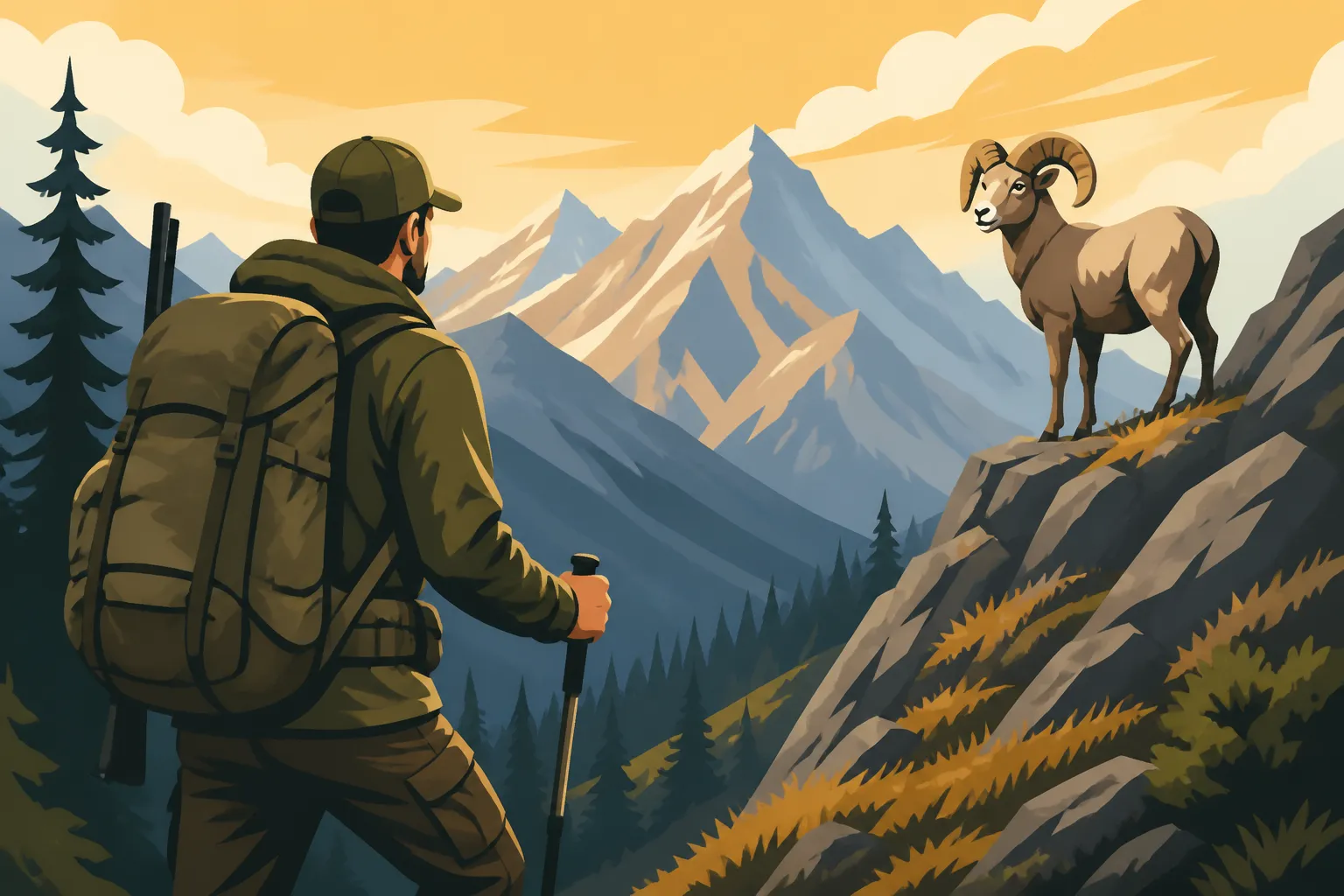
The sheer scale of British Columbia's sheep country can be utterly overwhelming, making the dream of a true mountain hunt feel impossibly out of reach for many. Packing deep into these remote alpine regions requires meticulous planning, immense physical fortitude, and a tough-as-nails mindset. But let me tell you, the rewards—the breathtaking vistas, the solitude, and the unmatched challenge of pursuing one of North America's most iconic big game animals—are unparalleled. This comprehensive guide will walk you through everything you need to know about backpacking into British Columbia's sheep country, from the critical preparations long before you leave home to the arduous journey out, helping you transform that daunting challenge into a thrilling, achievable adventure.
Laying the Groundwork: Pre-Trip Preparations for a British Columbia Sheep Hunt
Before you even think about lacing up your boots for a sheep hunt in British Columbia, there's a mountain of work to do. This isn't a spur-of-the-moment deer hunt down the logging road; this is an expedition that demands foresight, physical training, and a deep dive into the specifics of your chosen area. Skipping these crucial steps is a recipe for disaster in the remote, unforgiving alpine environment.
Extensive E-Scouting and Physical Conditioning
The first step, often months in advance, involves serious e-scouting. You need to identify potential sheep habitat, glassing knobs, water sources, escape routes, and possible camp locations. Utilizing tools like the GoHunt app can give you a crucial edge, allowing you to overlay topo maps, satellite imagery, and even private land boundaries right from your living room. Look for areas with a good mix of steep, rugged terrain for security, along with alpine meadows or benches where sheep feed. Understanding the topography and drainage systems is paramount, as sheep often inhabit basins that are accessible from multiple angles but still offer them quick sanctuary.
Once you have a general area in mind, you need to commit to a rigorous physical training regimen. Backpacking into British Columbia sheep country means dealing with significant elevation gains, often over rough, untrailed terrain, all while carrying a heavy pack. Your training should simulate these conditions as closely as possible. Include plenty of stair climbing, weighted hikes up steep hills, and endurance exercises. Don't forget to train your core and upper body, as carrying a heavy pack for days on end will put a strain on more than just your legs. Remember, this isn't just about getting to the sheep; it's about being strong enough to hunt effectively once you're there, and then facing the monumental task of Getting Meat Out of Steep British Columbia Country.
Essential Gear Selection and Pack Weight Management
Your gear is your lifeline in the backcountry. Every item needs to be lightweight, durable, and reliable. This means investing in high-quality optics (spotting scope, binoculars, rangefinder), a solid rifle or bow, and reliable shelter. A good sleeping system (bag and pad) rated for unexpected cold snaps, even in late summer, is non-negotiable. Layering clothing is key, as alpine weather can change dramatically within hours. Think merino wool base layers, a good mid-layer fleece, a puffy insulated jacket, and a bombproof rain shell. Boots are perhaps the most critical item; they need to be broken in, waterproof, and provide excellent ankle support for navigating steep, unstable rock slides.
Managing pack weight is an obsession for sheep hunters, and it should be for you too. Every ounce counts. Before you even start packing, lay everything out and ruthlessly assess if you truly need it. Can you get by with a smaller first-aid kit? Do you need that extra pair of socks? Are your stove and fuel system as light as possible? A good rule of thumb is to aim for a base pack weight (without food, water, or rifle) of under 40-45 pounds. This allows for several days' worth of food and sufficient water, while still keeping you agile enough to hunt. Consider bringing a separate, smaller day pack for stalks once you've established a spike camp.
Here's a sample checklist of critical gear for a multi-day sheep hunt:
| Category | Essential Items | Notes |
|---|---|---|
| Navigation | GPS device (Garmin inReach, Fenix 7), topo maps (physical & digital), compass, power bank | Always have redundant navigation. A satellite messenger like an inReach is vital for Satellite Communication on a Remote Hunt. |
| Shelter | Lightweight tent/shelter, sleeping bag (0 to -10°C rating), sleeping pad, repair kit | Choose a tent that can withstand high winds and rain. |
| Clothing | Base layers (merino), mid-layers (fleece), insulated puffy jacket, waterproof/breathable outer shell, sturdy hiking pants, extra socks, warm hat, gloves | Layering allows for adaptation to rapidly changing alpine conditions. |
| Optics | Spotting scope, tripod, binoculars (10×42 or 12×50), rangefinder | High-quality optics are non-negotiable for Glassing an Alpine Basin for Rams. |
| Hunting | Rifle/bow, ammunition/arrows, cleaning kit, hunting knife, sharpener, game bags, trekking poles, day pack | Ensure your weapon is zeroed and you're proficient. Game bags are crucial for keeping meat clean. |
| Food & Water | High-calorie, lightweight food (dehydrated meals, bars), water filter/purifier, water bottles/bladder, small stove, fuel | Plan for 3000-4000 calories per day. Always know your water sources. |
| Safety & First Aid | Comprehensive first aid kit, bear spray, whistle, headlamp, fire starter, emergency blanket, cordage | Bear Safety While Hunting in British Columbia is paramount. |
The Ascent: Navigating and Setting Up Camp in the Alpine
Once your preparations are complete, the real adventure begins. Backpacking into British Columbia's vast alpine means long days, challenging terrain, and the constant need for vigilance. Your approach to the mountains and your choice of camp locations will profoundly impact the success and safety of your hunt.
Strategic Approaches and Route Finding
Your journey into sheep country often starts with a long hike or a rugged ATV ride to the trailhead, or sometimes even a float plane drop into a remote lake. From there, it's all on foot. The key to a successful approach is meticulous route finding. Don't simply follow game trails; they often lead to dead ends or treacherous spots. Instead, use your maps and GPS to identify the most efficient and safest path, looking for benches, gentle ridges, and draws that offer cover and easier travel. Be prepared for thick bush, steep climbs, and countless creek crossings. Sometimes, what looks like a straightforward route on the map can turn into a nasty bushwhack in reality.
As you gain elevation, the vegetation thins, and the terrain becomes rockier. This is where trekking poles become your best friend, helping with balance on steep climbs and cushioning descents. Always keep an eye out for fresh sign – droppings, tracks, or rubbed rocks – as you ascend. It's easy to get tunnel vision on the hike, but the hunt truly begins the moment you step foot out of the vehicle. Pay attention to the wind, prevailing weather patterns, and potential hazards like loose scree fields or sudden drops. Remember, the goal isn't just to get there fast, but to get there safely and efficiently, conserving energy for the actual hunt.
Establishing a Functional Spike Camp
Setting up your spike camp in the alpine is more than just pitching a tent; it's about creating a safe, strategic base of operations. Ideally, your camp should be above timberline, offering expansive views for glassing, but also providing some degree of shelter from the relentless wind and sudden storms common when Hunting Above Timberline in Cold Weather. Look for a relatively flat, well-drained spot with easy access to a reliable water source, such as a snowmelt stream or a small tarn. Avoid setting up camp directly in game trails or in avalanche paths.
Once you’ve chosen your spot, make sure your tent is securely staked down, capable of withstanding fierce gusts. Organize your gear inside the tent to keep it dry and accessible. Keep your optics readily available for quick glassing sessions, even from camp. Food should be stored securely, ideally hung from a tree if timber is available, or sealed in bear-resistant containers and placed away from your sleeping area to minimize bear encounters. This level of meticulousness in camp setup is crucial for maintaining morale and readiness over multiple days in a harsh environment. Having a well-organized and secure camp allows you to focus on the hunt itself, rather than constantly battling the elements or searching for misplaced gear.
The Apex: Effective Strategies for Hunting Mountain Sheep
Once you're settled in your alpine camp, the real work of hunting begins. Sheep hunting is a game of patience, sharp eyes, and careful planning. You won't be still-hunting thick timber; you'll be glassing vast landscapes and executing precise stalks.
The Art of Glassing and Spotting Rams
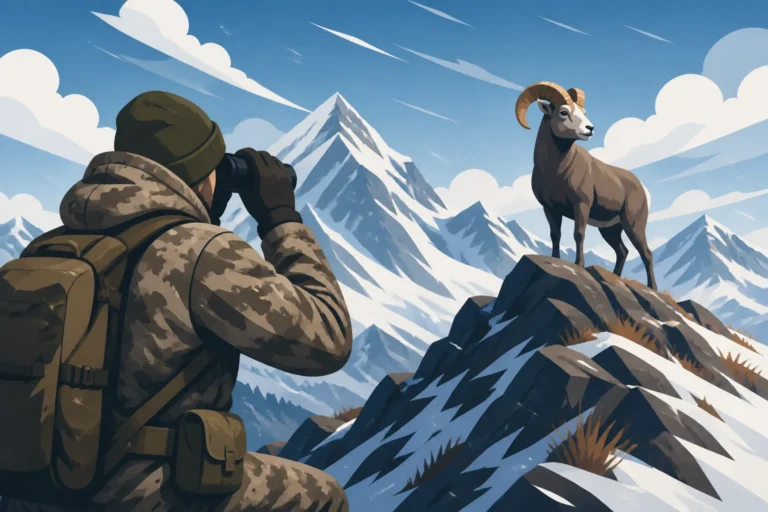
Glassing is, without a doubt, the most important skill in sheep hunting. You'll spend hours, even days, behind your optics, slowly picking apart every rock slide, every patch of snow, and every green alpine bench. Use a systematic grid search pattern, starting from the closest terrain and working your way out, then back again. This methodical approach ensures you don't miss any subtle movement or tell-tale shape. High-quality binoculars and a spotting scope on a stable tripod are indispensable. Even the smallest white speck could be a ram, so scrutinize everything.
Once you spot sheep, the real challenge is to determine if there's a legal ram among them. This means carefully observing their horns, judging the curl, and estimating their age. This skill, often referred to as Judging a Full-Curl Ram in the Field, takes practice and experience. Don't rush this step; take photos or video if possible to review later, or have a trusted hunting partner offer a second opinion. A mistake here can ruin your hunt or lead to a significant fine. Once a legal ram is identified, study his behaviour, preferred bedding areas, and potential escape routes. This information will be vital for planning your approach.
Executing the Stalk and Ethical Harvest
With a legal ram located, it's time to plan your stalk. This is often the most physically and mentally demanding part of the hunt. You need to use the terrain to your advantage, staying out of sight and downwind, covering ground silently. This might involve long detours, navigating treacherous rock slides, or crawling for hundreds of yards. The wind is your ultimate guide; sheep have an incredible sense of smell, and a shift in wind direction can blow your entire stalk. Always assume the sheep are looking directly at you.
When you finally get into position, remain patient. Wait for the ram to stand or present a clear, ethical shot. This might mean waiting for hours in uncomfortable conditions. When the moment comes, take a deep breath, control your adrenaline, and make the shot count. A solid rest is critical in the mountains, so use your pack or trekking poles if available. After the shot, immediately reload and watch the animal. Be prepared for a follow-up shot if necessary. Once the ram is down, take a moment to appreciate the monumental effort and the incredible creature before you. This is the culmination of months of preparation and days of relentless effort in some of the most beautiful and challenging country on Earth.
The True Test: The Long Haul of Packing Out
Congratulations, you've harvested a ram in British Columbia's rugged alpine. But the hunt isn't over; in many ways, the hardest part has just begun. Packing Out of British Columbia's Steep Country with a heavy load of meat, hide, and horns is a colossal physical undertaking that often pushes hunters to their absolute limits.
Field Dressing and Meat Care in Remote Areas
Immediately after the harvest, proper field dressing and meat care are crucial, especially in remote areas where warm weather can quickly spoil your hard-earned meat. Quarter the animal as quickly and cleanly as possible, separating meat from bone where practical to reduce weight. Place all meat into breathable game bags to allow it to cool, keeping it off the ground. The cape and head, if you plan to taxidermy, also require careful handling. Keep them clean and cool.
If you’re multiple days from your vehicle or extraction point, cooling the meat rapidly is vital. Hang the quarters in a shady, airy spot if possible. In British Columbia's early fall seasons, temperatures can still be quite warm, so consider using snow pockets if available, or drenching game bags in cold water (if available) to aid cooling through evaporation. Protecting your meat from scavengers, especially bears, is another critical consideration. Never leave quarters unattended, and if you must, ensure they are well-secured and far from your sleeping area.
Multi-Load Packing and Extraction Strategies
Unless you are an absolute beast, or have a partner with you, you will almost certainly need to make multiple trips to get all the meat, hide, horns, and your camp gear out. This is where the physical conditioning you did months ago truly pays off. A good frame pack designed for heavy loads, like those offered by companies often reviewed by platforms such as GoHunt, is indispensable. Packing Meat With a Frame Pack correctly, distributing the weight evenly and securely, is an art form that prevents injury and makes the arduous journey slightly more tolerable.
Strategize your loads. The first trip out might include the heaviest parts of the meat and the cape/horns. Subsequent trips can bring out the remaining meat and camp gear. Cache your gear securely away from your tent and sleeping area if you're leaving it overnight, and mark its GPS coordinates. The descent, while often faster, can be incredibly tough on knees and ankles, especially with a heavy pack. Take your time, use your trekking poles, and stay hydrated. Remember that exhausted hunters are prone to mistakes, so maintain vigilance until you're safely back at the trailhead or extraction point. The satisfaction of earning your sheep, and then carrying it out of the mountains, is an experience that few hunters ever forget.
Disclaimer
The information provided in this guide is for general informational purposes only and does not constitute professional advice. Hunting regulations and conditions in British Columbia can change, and it is the hunter's responsibility to consult the most current British Columbia Hunting and Trapping Synopsis and comply with all applicable laws and safety guidelines. Always prioritize safety and ethical hunting practices.