Hunting Blacktail in British Columbia’s Coastal Rain
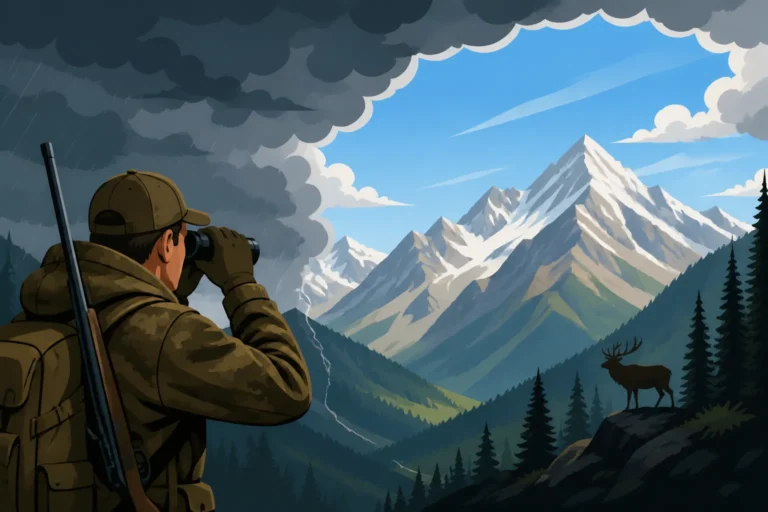
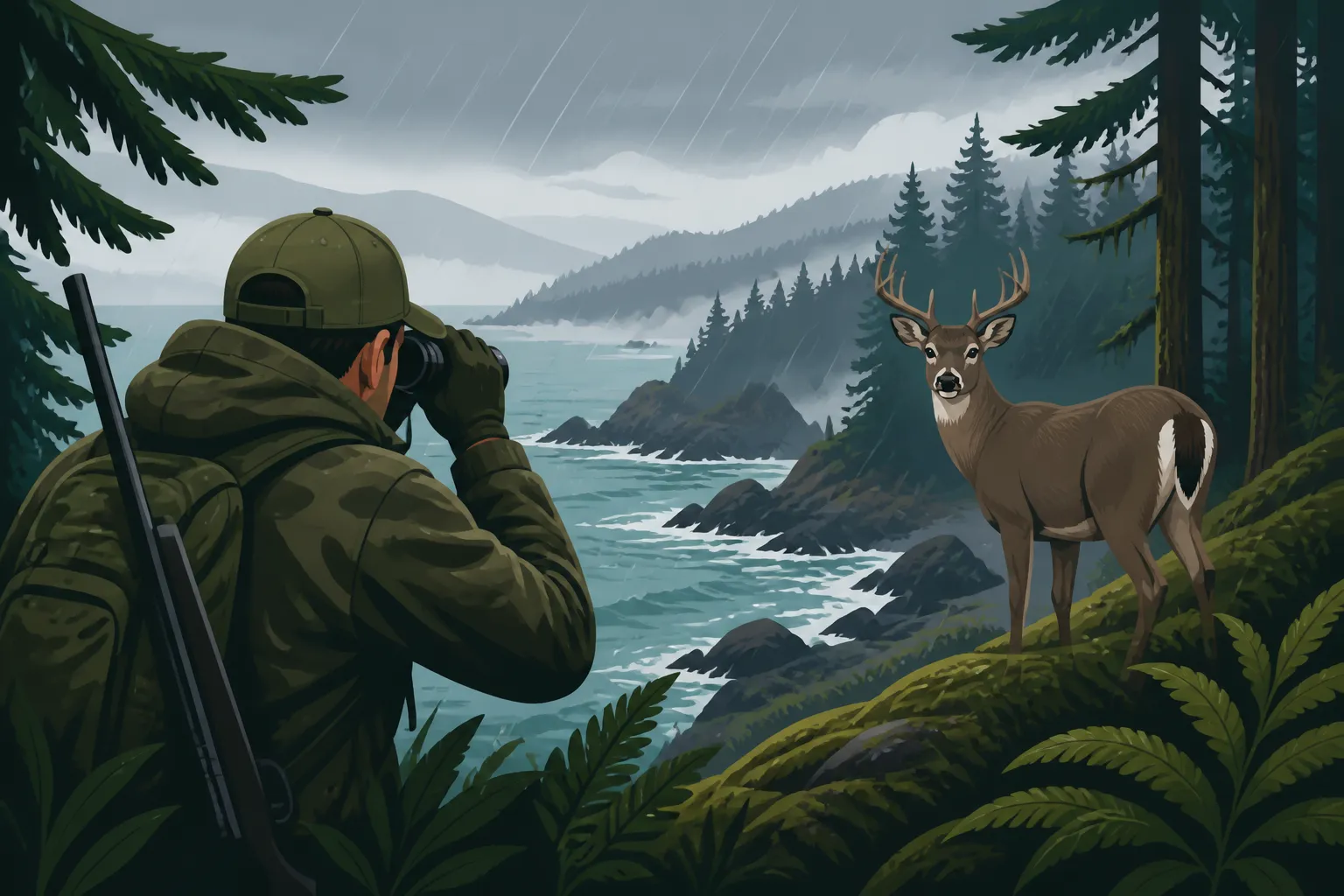
There’s a unique kind of challenge that comes with pursuing blacktail deer in the coastal rainforests of British Columbia, especially when the skies open up and the rain starts to fall. Many hunters feel overwhelmed by the relentless wet, the thick undergrowth, and the way the weather seems to wash away all traces of a deer. This guide will meticulously break down how to effectively hunt blacktail in these notoriously damp conditions, from understanding their behaviour in the rain to equipping yourself for success and mastering tactics unique to this environment.
Understanding Blacktail Behavior in Persistent Coastal Rain
Hunting blacktail deer in British Columbia's coastal rain isn't just about enduring the weather; it's about understanding how these animals adapt to and even use the wet conditions to their advantage. Their patterns shift, their preferred bedding and feeding areas change, and their senses are constantly working overtime in an environment that can be both friend and foe to the hunter.
How Rain Influences Deer Movement and Bedding
When the rain starts falling, and particularly when it becomes a steady, prolonged deluge, blacktail deer don't just disappear. Instead, they become incredibly efficient at conserving energy and seeking shelter. You'll often find them moving into the densest parts of the timber, particularly under the canopy of large, old-growth conifers that offer significant cover from the downpour. Think about those massive cedars and firs that create almost a natural umbrella – that's prime bedding habitat during a heavy rain. They're not just looking to stay dry; they're also looking for areas that offer thermal regulation, as constant wetness can strip away body heat.
Their movement patterns also become more subdued. Instead of ranging widely, they tend to stick to more sheltered, lower-elevation areas where feed might still be accessible, and movement is less energy-intensive. This is where hunters can gain an edge. Instead of blindly covering ground, focus your efforts on these sheltered pockets. Look for terrain features like benches, slight depressions, or the lee side of ridges that offer some protection from wind-driven rain. A great resource for pinpointing these topographical nuances, especially when planning your approach, can be found by researching a specific area online. You might want to check out information on Hunting British Columbia's Coastal Rain for more insights into the general conditions.
Even when the rain is constant, deer still need to feed. They might move to browse on shrubs and ferns that remain relatively palatable, often sticking to the edge of thicker timber rather than venturing into wide-open spaces where they'd be more exposed. During light rain, or immediately after a heavy shower, you might find them grazing more actively as they shake off the wet and take advantage of the refreshed vegetation. The key is to recognize that their world shrinks during a storm, focusing on immediate survival and comfort.
Feeding Habits and Areas During Wet Spells
Blacktail deer are browsers, and their diet consists of a wide variety of plants available in their rainforest habitat. However, heavy, persistent rain can make some foraging less appealing, or even difficult. They'll gravitate towards areas where the browse is less waterlogged or where there's still some residual protection from the canopy. This could mean targeting areas with dense understory, such as salal, huckleberry, or young cedar, which offer both food and cover.
Look for areas adjacent to their sheltered bedding sites, as deer will often minimize travel during foul weather. Clear-cuts, especially those in their third to fifth year, can be excellent feeding zones, as they often regenerate with a bounty of palatable plants. Even in the rain, deer will cautiously move into the edges of these clearings, especially if they are close to thick timber for a quick retreat. Understanding How Blacktail Use Second Growth can be particularly helpful here.
When scouting, don't just look for traditional sign like tracks or droppings, which might be washed away. Instead, focus on identifying likely feeding areas that offer both cover and food, even in the rain. Freshly nipped shoots or stripped bark on certain trees can indicate recent feeding activity, even if the ground is too wet to hold clear tracks. Pay attention to changes in elevation or aspect that might offer a slight reprieve from the heaviest rain, creating small "dry" pockets where deer might feel more comfortable browsing.
Essential Gear and Tactics for Wet Weather Blacktail Hunting
Hunting in British Columbia's coastal rain demands specific gear and a refined set of tactics. If you're not prepared, the weather will quickly turn a hopeful hunt into a miserable ordeal. This isn't just about staying dry; it's about maintaining functionality, comfort, and stealth in conditions that actively work against all three.
Waterproofing Yourself and Your Equipment
The number one rule for hunting in the coastal rain is absolute waterproofing. This isn't the time for "water-resistant" gear; you need truly waterproof and breathable layers. Start with a quality rain suit – jacket and pants – that can withstand hours of steady downpour without wetting out. Brands like Sitka, Kuiu, and even some reliable Helly Hansen gear are popular choices among those who brave this environment regularly. The key is breathability, as you'll be exerting yourself, and internal moisture (sweat) can be just as problematic as external rain for body temperature regulation.
Your footwear is equally critical. Tall, waterproof rubber boots are often preferred over gaiters and leather boots, as they offer superior protection when slogging through saturated ground, shallow streams, and dense, wet vegetation. Ensure they are comfortable for long distances and provide good traction on slippery roots and moss-covered rocks. When considering gear, think about Boots for Steep British Columbia Country, as many blacktail areas involve challenging terrain.
Don't forget your optics and electronics. Binoculars and rangefinders need rain-guards or specialized hydrophobic coatings to remain usable. Carry a small microfibre cloth for wiping lenses constantly. Your phone, GPS, and any other electronics should be stored in waterproof bags or cases. Even your backpack needs a robust rain cover, or ideally, should be a waterproof design itself. A good tip is to line your pack with a heavy-duty garbage bag for an extra layer of protection for critical items like extra clothing, food, and your hunting license. Utilizing mapping apps like what GoHunt offers on your phone, kept in a waterproof case, can be a game-changer for navigation in low visibility.
Still-Hunting and Tracking in Saturated Forests
The coastal rain, while a challenge, can also be a hunter's ally. The constant drizzle or light rain muffles sound, making it easier to move silently through the dense forest. This makes still-hunting an incredibly effective tactic. Take a few steps, stop, listen, and glass every patch of cover. Move slowly, deliberately, paying attention to the wind, which can still carry your scent even in the rain. With the sound of your movement masked, you might be able to get much closer to bedded or feeding deer than you would on a dry, crisp day. Consider perfecting your technique by learning more about Still-Hunting Second Growth for Blacktail.
Tracking in the rain presents a mixed bag of challenges and opportunities. On one hand, light to moderate rain can soften the ground, making tracks clearer and easier to discern, especially in muddy areas or disturbed moss. On the other hand, heavy rain can quickly wash away blood trails, especially if the deer is hit high or bleeding minimally. This is where patience and meticulous attention to detail become paramount. If you make a shot, immediately mark the spot and begin tracking methodically, looking for disturbed vegetation, broken twigs, and any drops of blood, no matter how small.
Focus on the deer's natural escape route – often downhill, towards denser cover, or along a bench. If the blood trail is sparse, expand your search pattern in arcs around the last known sign. Remember, deer will often seek thick cover when injured, so be prepared to crawl through dense brush. For more specific advice on this, you can look up Reading Blacktail Sign in Wet Ground. The damp conditions also mean less scent for the deer to detect you, but it's a double-edged sword as it can also make your own tracking dog less effective if the scent is washed out.
Using Terrain and Cover to Your Advantage
The coastal environment, with its steep slopes, dense timber, and varied undergrowth, offers abundant opportunities for hunters willing to use the terrain to their advantage, especially in the rain. Deer will naturally seek out sheltered areas, often on the lee side of ridges or within thick stands of timber that break the wind and reduce direct rainfall. These are the places you should be concentrating your efforts.
Approach these areas from downwind and often from above, if possible, allowing you to glass or move through the area with less chance of being scented. Ridge lines can act as natural travel corridors for deer, but in heavy rain, they might move slightly off the crest into the timber for cover. Understanding these subtle shifts is crucial. Don't be afraid to slow down and meticulously scrutinize every dark patch of timber, every shadowed draw. The rain reduces visibility for deer as well, so a careful, quiet approach can often yield close encounters. The wet conditions might just be your biggest asset if you're patient and methodical.
Tracking and Field Dressing Challenges in British Columbia's Coastal Rain
When you’ve finally put a blacktail on the ground in the relentless coastal rain, the real work often begins. The same conditions that made the hunt challenging now present unique hurdles for tracking, field dressing, and meat preservation. It’s a race against the elements to ensure your hard-earned harvest is handled properly.
Locating Your Deer in Dense, Wet Cover
Finding a downed blacktail in British Columbia's dense, wet coastal forests can be incredibly difficult, even with a solid hit. The thick undergrowth, often a mix of salal, devil's club, and various ferns, can swallow a deer whole, making visual tracking nearly impossible. When you shoot, always note a landmark, however small, near where the deer was standing or where it disappeared. This could be a unique tree, a rock, or a distinctive patch of moss.
If the rain is heavy, a blood trail can quickly become diluted or washed away entirely. This is where a systematic approach is vital. After marking the shot site, move to where you last saw the deer. Begin searching in an ever-widening spiral or grid pattern. Look not just for blood, but for disturbed moss, broken twigs, dislodged rocks, or tufts of hair caught on branches. A flashlight or headlamp, even during the day, can help illuminate faint blood drops that are otherwise invisible in the dim, wet forest. If you’re lucky enough to be hunting with a partner, spread out slightly to cover more ground, but always stay within shouting distance. For specific advice on handling these conditions, you might find some useful tips in Field Dressing in British Columbia's Wet Weather.
Patience is your most valuable tool here. Rushing can lead to walking past your deer. If you lose the trail, back up to the last confirmed sign and re-evaluate. Consider the direction of travel, the animal's likely escape route, and any natural barriers or cover it might seek. Remember, an injured deer will often head for the thickest, nastiest cover it can find. This means you might need to get down on your hands and knees and literally crawl through dense patches of brush, carefully parting the vegetation to look for any sign.
Keeping Meat Clean and Cool in Humid Conditions
Once you locate your deer, the immediate concern shifts to field dressing and meat preservation, which is a major challenge in British Columbia’s coastal rain and high humidity. The goal is to get the hide off and the carcass cooled as quickly as possible to prevent spoilage, even when it feels like everything around you is soaking wet. Work quickly but meticulously. Try to position the deer on a slight incline or on some logs to keep it out of standing water as much as possible while you work.
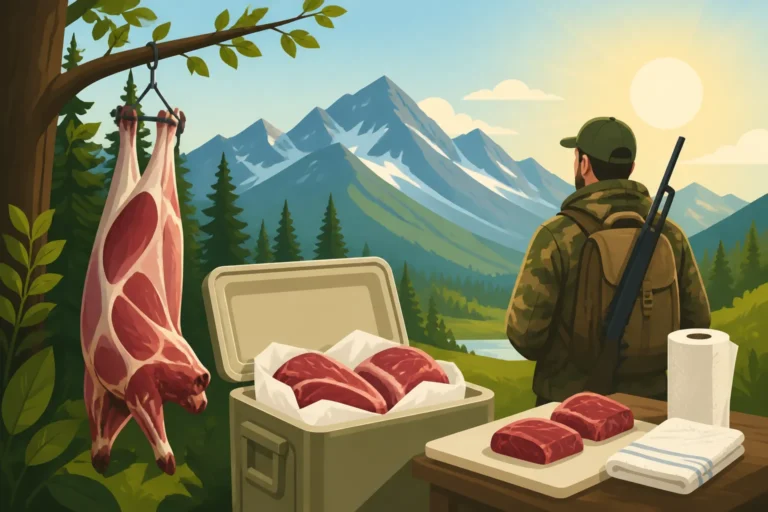
Using a tarp or a large game bag is essential. Lay it out before you start to keep the meat off the wet ground and protect it from debris. After gutting, immediately get the hide off. This allows the carcass to cool much faster. Quartering the animal in the field is often the most practical approach in these conditions, especially if you have a long pack out. As you quarter, place each piece directly into a clean, breathable game bag. Even in the rain, flies can still be a nuisance, and game bags protect against dirt, debris, and insects.
The continuous rain and high humidity mean that drying the meat is not an option. Instead, focus on keeping it as clean as possible and getting it to a cool, dry environment swiftly. If you have a long packing job ahead, consider the implications of Packing Out of British Columbia's Steep Country and how that affects meat care. If you have access to a vehicle or camp, transport the bagged meat immediately into a cooler with ice, or hang it in a well-ventilated, secure spot where it can continue to cool without getting wet or contaminated. The warm, wet conditions are a breeding ground for bacteria, so speed and cleanliness are your best defenses.
Safety and Preparation for Hunting in Adverse Coastal Conditions
Hunting in the coastal rain isn't just physically demanding; it carries inherent risks that demand meticulous preparation and a strong emphasis on safety. The unique combination of dense terrain, unpredictable weather, and potentially dangerous wildlife means you need to be ready for anything.
Preventing Hypothermia and Staying Warm
Hypothermia is a very real threat when hunting in British Columbia's coastal rain. Even if temperatures are mild, constant wetness combined with wind can rapidly draw heat from your body. The key to prevention lies in layering and having the right gear. Start with a moisture-wicking base layer, add insulating layers (fleece or synthetic down are good choices as they retain warmth when wet), and top it all with your waterproof outer shell. Avoid cotton at all costs; once wet, it loses all insulating properties.
Always carry a complete change of dry clothes, sealed in a waterproof bag, in your pack. If you get soaked, having dry clothes to change into can be a lifesaver. Pack high-energy snacks like nuts, chocolate, and energy bars, which provide the fuel your body needs to generate heat. A thermos of hot tea or coffee can also do wonders for morale and core temperature. Regularly check in with yourself and your hunting partners for signs of hypothermia, which can include shivering, confusion, slurred speech, and loss of coordination. Taking proactive steps and knowing the signs is crucial for Emergency Planning in British Columbia's Backcountry.
It's also essential to be aware of the "stop-and-go" nature of hunting. When you're actively moving, you generate heat, but during long periods of sitting or waiting, your body temperature can drop rapidly. Adjust your layers frequently to avoid sweating excessively when active, which can then lead to chilling when you stop. A warm hat, gloves, and a neck gaiter are small items that make a huge difference in retaining body heat.
Navigating Dense Forests and Terrain Challenges
The coastal forests are notoriously dense, with limited visibility, steep slopes, and treacherous footing. Add rain to the mix, and navigation becomes even more challenging. GPS devices, like those supported by GoHunt mapping, are indispensable. Always carry a physical map and compass as a backup, and know how to use them. Mark your starting point and periodically mark your route to ensure you can retrace your steps if needed. Tree cover can sometimes interfere with GPS signals, so don't rely solely on one device.
The terrain itself presents significant hazards. Steep, moss-covered rocks and slippery roots become even more treacherous when wet. Wear appropriate footwear with excellent traction, and use trekking poles for added stability on uneven ground. When descending steep slopes, take your time and test each step. Be mindful of hidden holes or sudden drop-offs concealed by dense vegetation.
Reduced visibility due to fog and rain can disorient you quickly. It's easy to lose your sense of direction, even in familiar areas. Stay calm, consult your map and GPS, and if absolutely necessary, hunker down in a sheltered spot until visibility improves. Always inform someone of your hunting plan, including your intended route and expected return time. This is standard practice, but it's even more critical when hunting in these challenging conditions. General safety guidelines for hunting in the province can be found in British Columbia Blaze Orange and Safety Rules.
Wildlife Encounters and Bear Safety in Wet Conditions
British Columbia's coastal rainforest is home to a variety of wildlife, including black bears and, in some areas, grizzly bears. While blacktail deer are your primary quarry, encounters with other animals are always a possibility, and rain doesn't change their presence. In fact, bears often become more active in the rain, especially during berry season, as the moisture can make foraging more comfortable for them.
Always carry bear spray, know how to use it, and keep it readily accessible. A firearm, if you are proficient and legally permitted to carry one for bear defense, is another layer of protection. Be vocal while moving through thick brush, especially in areas with dense berry patches or near salmon streams, to avoid surprising a bear. Make noise, call out, and be aware of your surroundings.
Understanding bear behavior is key. Recognize signs of recent bear activity, such as fresh scat, claw marks on trees, or overturned rocks. If you encounter a bear, especially a sow with cubs, assess the situation calmly. Give the bear space, speak in a firm, low voice, and avoid direct eye contact. If a bear charges, refer to your bear safety training – different responses are appropriate for defensive charges versus predatory attacks. Even in the rain, vigilance for bear safety remains paramount. You can find more comprehensive information on Bear Safety While Hunting in British Columbia.
| Item Category | Essential Gear for Coastal Rain Hunting | Notes & Considerations |
|---|---|---|
| Outerwear | Waterproof, breathable rain jacket & pants | Gore-Tex, eVent, or similar high-performance membranes. Ensure taped seams. |
| Footwear | Tall rubber boots (knee-high preferred) | Excellent traction for slippery terrain, comfortable for walking long distances. |
| Layers | Moisture-wicking base layers (synthetic/wool) | Avoid cotton. Mid-layers: fleece or synthetic insulated jacket/vest. |
| Head & Hands | Waterproof hat (brimmed), waterproof gloves | Retain body heat, keep rain off face/optics, maintain dexterity. |
| Pack | Waterproof backpack or robust rain cover | Line with dry bags for critical items (clothing, electronics, food). |
| Optics | Binoculars, rangefinder | Rain-guards, hydrophobic coatings. Carry cleaning cloths. |
| Navigation | GPS device (waterproof case), map & compass | Primary and backup navigation. GoHunt app on waterproof phone can be beneficial. |
| Safety | Bear spray, first-aid kit, emergency shelter | Whistle, fire starter, headlamp with extra batteries, satellite messenger/PLB. |
| Food & Water | High-energy snacks, thermos with hot beverage | Hydration bladder for water, robust water filter/purifier. |
| Game Care | Game bags, sharp knife, latex gloves, tarp | Keep meat clean and off the ground. |
Disclaimer
Hunting is an inherently risky activity. The information provided in this guide is for informational purposes only and is not a substitute for professional training, local knowledge, or adherence to all British Columbia hunting regulations. Always prioritize safety, respect wildlife, and obtain all necessary licenses and permits before heading into the field. Conditions in British Columbia can change rapidly, and personal responsibility for preparation and decision-making rests solely with the individual hunter.