Hunting British Columbia’s Interior Marshes
Hunting British Columbia’s vast interior can feel daunting, especially when you consider the unique challenges presented by its numerous marshes and wetlands. These aren't your typical dry-land hunting grounds, and many hunters struggle with everything from navigating the soft, mucky terrain to understanding the specific patterns of game that call these wet environments home. This comprehensive guide will walk you through everything you need to know to confidently and successfully hunt British Columbia's interior marshes, from understanding the diverse habitat to mastering specialized techniques and essential gear.
Understanding Interior Marshes as Habitat
British Columbia's interior is a tapestry of mountains, forests, plateaus, and, crucially for hunters, an often-overlooked network of marshes, sloughs, and wetlands. These areas are ecological hotspots, teeming with life, and provide critical habitat for a wide array of game species, particularly waterfowl. Unlike the vast coastal estuaries, interior marshes tend to be smaller, more isolated, and often surrounded by entirely different ecosystems, presenting their own unique set of opportunities and challenges.
Geographical Distribution and Types
When we talk about interior marshes, we're really looking at a spectrum of wetland types scattered across regions like the Cariboo, Omineca, Peace River, and even pockets within the Okanagan and Kootenay valleys. You'll find everything from shallow, cattail-choked sloughs nestled between timber blocks, to larger, more open marsh systems fed by meandering rivers or spring runoff. Some are permanent bodies of water, while others are ephemeral, drying out significantly by late summer or freezing solid in winter.
For example, in the Cariboo, you'll encounter countless small lakes and ponds interconnected by sloughs and beaver activity, creating a mosaic of prime waterfowl habitat. These often have dense margins of sedges, reeds, and willow, offering excellent cover for birds and hunters alike. The Peace River region, with its flatter topography, features expansive, shallow wetlands often adjacent to agricultural fields, which can be irresistible to migrating geese. Understanding the specific characteristics of the marsh you plan to hunt – its size, water depth, dominant vegetation, and surrounding land use – is paramount to developing an effective hunting strategy. Tools like the satellite imagery on platforms such as GoHunt can be incredibly useful for scouting these areas from home, helping you identify potential access points, open water, and dense cover before you even step foot in the field.
Seasonal Changes and Their Impact
The interior marshes are dynamic environments, undergoing dramatic transformations with the seasons, and these changes directly influence hunting success. In early fall, water levels might still be relatively high from summer rains, making boat access feasible in some areas. This is often when local ducks and geese are still plentiful, before the major migratory push. However, as autumn progresses, temperatures drop, and water levels can fluctuate significantly.
By late fall, many shallower marshes begin to skim over with ice, or even freeze solid, pushing waterfowl to larger, deeper bodies of water that remain open longer. This transition period, especially with alternating freeze-thaw cycles, can concentrate birds into fewer and fewer locations, making scouting during this time crucial. Hunters need to be acutely aware of these conditions, not just for finding game, but for safety; breaking through thin ice while wading or trying to navigate a partially frozen slough can turn dangerous quickly. Knowing when British Columbia's Duck Season Dates for your specific region begin and end is essential, as these dates are set to align with these natural movements and patterns.
Species You'll Find in BC's Interior Marshes
British Columbia's interior marshes are prime real estate for a variety of game species, far beyond just ducks. While waterfowl are undeniably the stars of these wet ecosystems, you'd be surprised at what else thrives in or around them.
Waterfowl Hotspots
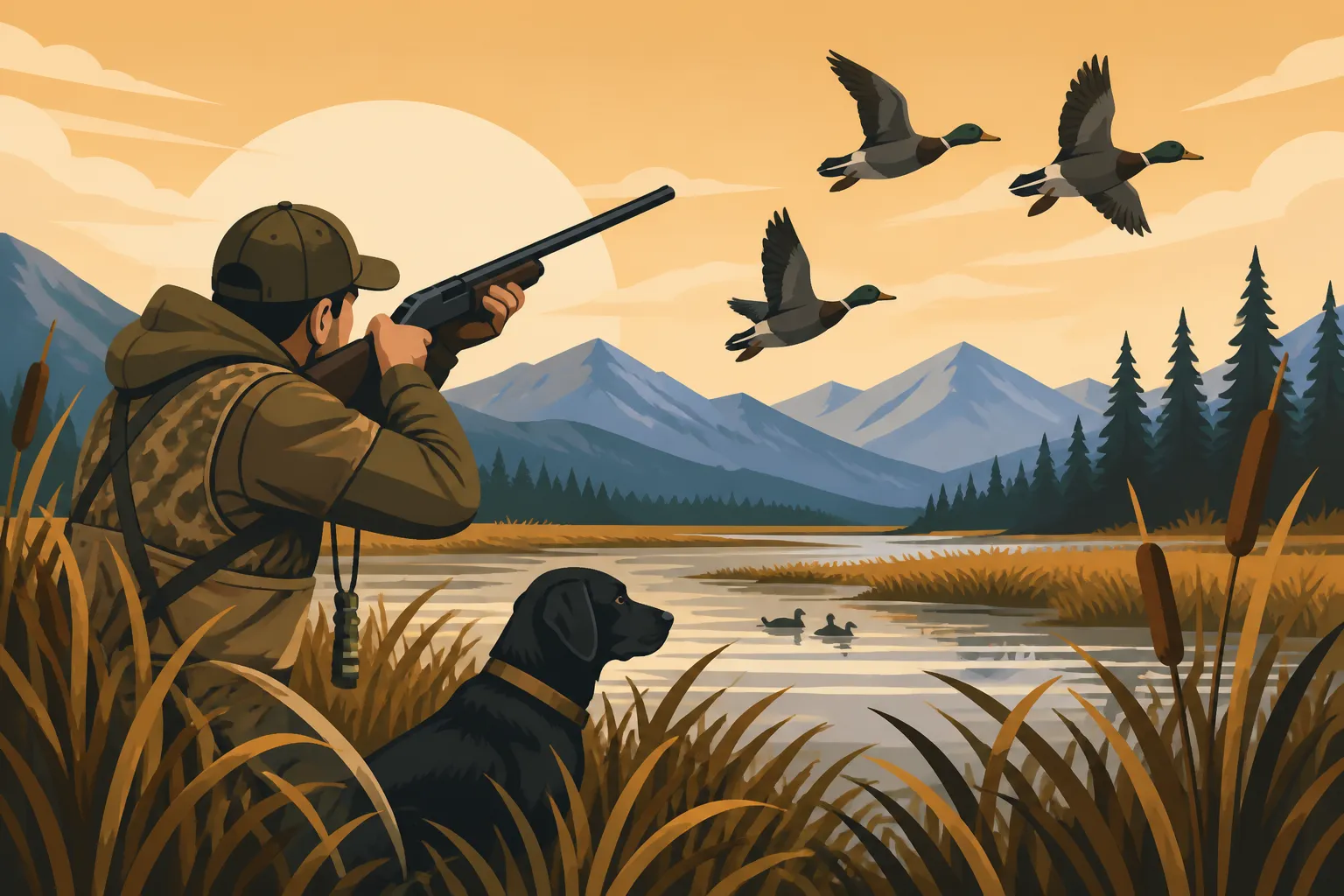
Ducks and geese are the primary draw for many hunters venturing into interior marshes. You'll encounter a diverse array of duck species, including mallards, pintails, wigeon, green-winged teal, shovelers, and various diving ducks depending on the marsh's depth and food sources. Canada geese are ubiquitous, often feeding in nearby agricultural fields and loafing in the marshes. In some regions, especially in the northern interior, you might even encounter specklebelly geese or tundra swans (though swans are generally protected).
These marshes offer vital resting and feeding grounds during migration along the Pacific Flyway, making certain times of the fall incredibly productive. Early in the season, local birds, often less wary, offer good opportunities. As the migration picks up, new waves of birds arrive, but they can be warier. Understanding their flight patterns, typical roosting areas, and preferred feeding grounds is key. For a different but related experience, coastal hunters might be interested in comparing tactics with Waterfowl Hunting British Columbia's Estuaries, though the interior provides a unique set of challenges and species compositions.
Upland Birds and Small Game
Don't make the mistake of thinking interior marshes are only for waterfowl. The dense, brushy edges, willow thickets, and mixed forests surrounding many of these wetlands provide excellent cover for upland birds and small game. Ruffed grouse, for instance, love the alder bottoms and willow fringes that often transition from the marsh into drier ground. You might find blue grouse moving into these areas in late fall before heading to higher elevations.
Snowshoe hare are also plentiful in the dense underbrush, offering a fun, active hunt. Even without a specific "small game" focus, keeping an eye out for these opportunities while waterfowl hunting can add an exciting dimension to your day. The dense cover also attracts predators like coyotes and even lynx, which can be called in for a quick, opportunistic hunt. Hunters looking to diversify their experience might find that Hunting Ruffed Grouse in an Alder Bottom directly adjacent to a marsh can be incredibly rewarding.
Larger Game in Marsh Perimeters
While you won't typically find large game wading deep into a marsh, the perimeters and adjacent uplands are often prime habitat for big game animals. Moose, in particular, are drawn to the rich aquatic vegetation and dense cover found in and around wetlands. The nutrient-rich browse along marsh edges and in willow flats can be a significant food source for them. Deer, both mule deer and whitetail, will also frequent marsh edges, especially during the rut or when seeking sanctuary in dense cover.
I've personally spotted moose in seemingly impossible willow thickets bordering small sloughs in the Cariboo, using the water and thick vegetation for security. If you're hunting an area with a healthy moose population, learning Hunting Moose Around a Beaver Pond – essentially a mini-marsh – can apply directly to finding these magnificent animals along larger marsh systems. The key is to think beyond the open water; the transition zones where marsh meets forest or grassland are often honey holes for big game.
Essential Gear and Preparation for Marsh Hunting
Hunting interior marshes in British Columbia demands a specialized approach to gear. The conditions can be incredibly varied, from icy cold water in late fall to boggy, mosquito-infested terrain in early season, coupled with the potential for sudden weather changes. Being properly equipped isn't just about comfort; it's about safety and success.
Waders, Boats, and Decoys
Your footwear choice for marsh hunting is paramount. Chest waders are almost always a necessity, allowing you to traverse shallow water, retrieve downed birds, and set decoys without getting soaked. Opt for good quality, insulated waders if hunting in colder conditions, and ensure they fit well to prevent chafing and fatigue. Neoprene waders offer excellent insulation but can be hot in warmer weather; breathable models with good layering underneath are often a more versatile choice.
For covering larger marsh areas or accessing spots beyond wading depth, a small boat is invaluable. A sturdy canoe, a jon boat, or even an inflatable raft can make a huge difference in opening up new hunting opportunities. Remember to always wear a PFD, even in shallow water, as capsizing in cold water or getting stuck in deep mud can quickly become life-threatening. When it comes to decoys, start with a basic spread of mallards and Canada geese. A dozen duck decoys and a half-dozen goose floaters are usually sufficient for small to medium-sized marshes. Shell decoys or full-body geese can be used on shorelines or mudflats to add realism. Keep your decoy setup efficient for packing in and out.
| Gear Item | Description | Why It's Essential in BC Interior Marshes |
|---|---|---|
| Chest Waders | Insulated, durable, comfortable fit (e.g., neoprene or breathable GORE-TEX). | Navigate shallow water, set decoys, retrieve game; stay dry and warm. |
| Small Boat/Canoe | Jon boat, canoe, or sturdy inflatable with paddles/small motor. | Access deeper water, transport gear/decoys, retrieve birds safely. |
| Decoys | Mixed spread of duck (mallards, pintails) and goose floaters/shells. | Lure waterfowl into shooting range, especially during migration. |
| Non-Toxic Shot | Steel, bismuth, or tungsten loads for waterfowl. | Legally required for all waterfowl hunting in British Columbia. |
| Waterproof Clothing | Outer layers (jacket, pants) that are truly waterproof and breathable. | Protection from rain, sleet, snow, and wet brush; vital for comfort. |
| GPS/Navigation | Handheld GPS, smartphone with mapping app (e.g., GoHunt), compass. | Navigate unfamiliar terrain, mark blinds, find way back in low light. |
| First-Aid Kit | Comprehensive kit for cuts, sprains, hypothermia, insect bites. | Crucial for remote areas, slips, falls, and minor injuries. |
| Headlamp/Flashlight | Essential for pre-dawn setups and post-sunset retrievals. | Safety in low light, hands-free operation. |
| Game Straps/Bag | Easy-to-clean straps for ducks, larger bags for geese. | Conveniently carry harvested game out of the marsh. |
| Snacks & Water | High-energy snacks, plenty of water (thermos of coffee/tea in cold weather). | Stay fueled and hydrated, prevent fatigue and hypothermia. |
Firearms and Ammunition Considerations
For waterfowl, a 12-gauge shotgun is the gold standard, offering a good balance of pellet count and range. A 3-inch chamber is recommended for versatility, allowing you to shoot both 2 3/4-inch and 3-inch shells. Choke tubes are also crucial; modified or improved cylinder chokes are good all-around choices for decoying birds, while a full choke might be useful for longer passing shots.
A critical point for any waterfowl hunter in British Columbia, particularly in marshes, is the use of non-toxic shot. Non-Toxic Shot Rules in British Columbia are strictly enforced. Lead shot is prohibited for hunting migratory game birds and within 200 metres of any body of water. Steel shot is the most common and affordable option, but bismuth or tungsten loads offer superior performance, albeit at a higher cost. It's vital to match your shot size to the birds you're targeting; smaller shot (e.g., #3 or #4 steel) for ducks, and larger shot (e.g., #1 or BB steel) for geese. If you're also targeting upland birds or small game, consider carrying a separate firearm or ensuring your waterfowl gun can handle different loads for those opportunities.
Weather-Appropriate Clothing and Safety
Interior British Columbia weather can be notoriously unpredictable, especially in fall. A sunny, crisp morning can quickly turn into a cold, driving rain or even snow. Layering is key: start with moisture-wicking base layers, add insulating mid-layers (fleece or down), and top with a waterproof and windproof outer shell. Camouflage patterns suitable for marsh environments (reeds, cattails, dark browns) are ideal.
Safety in a marsh environment cannot be overstated. Beyond your PFD, always tell someone where you are going and when you expect to return. Carry a good first-aid kit, a whistle, and a reliable form of communication like a satellite messenger or cell phone (if service is available). A headlamp or flashlight is essential for navigating in the dark, as pre-dawn setups and post-sunset retrievals are common. Additionally, the interior marshes are home to black bears and occasionally grizzly bears, especially if salmon-bearing streams are nearby. Carrying bear spray and knowing Bear Safety While Hunting in British Columbia is always a prudent measure.
Hunting Techniques for Interior Marsh Game
Hunting British Columbia's interior marshes requires a blend of specific tactics that differ significantly from typical forest or mountain hunting. It's a game of patience, concealment, and understanding the nuances of waterfowl behaviour.
Calling and Decoy Strategies
Successful waterfowl hunting in interior marshes often hinges on effective calling and decoy placement. For ducks, a realistic mallard call is a staple, but don't be afraid to add a pintail whistle or wigeon call if those species are present. For geese, a deep, resonant Canada goose call is essential. Practice makes perfect, and the goal isn't just to make noise, but to sound like contented birds feeding or resting.
Decoy spreads should mimic natural bird behaviour. A "J" hook or "U" shaped spread with an open landing zone into the wind is a common and effective setup for ducks. Place some "family groups" close together and leave spaces for birds to land. For geese, larger, more open spreads with some sentry birds are usually best. Consider using motion decoys, like spinning wing decoys for ducks or flappers for geese, to add realism and attract distant birds. Think about how Decoying Ducks on a Coastal Estuary applies – while the scenery changes, the principles of attracting birds to a safe landing zone remain consistent. Always be aware of prevailing winds; birds typically land and take off into the wind.
Blind Placement and Concealment
Concealment is absolutely non-negotiable in marsh hunting. Waterfowl have incredible eyesight. Whether you're hunting ducks or geese, a well-placed and camouflaged blind will be your best friend. Natural blinds, built into existing cattails, willows, or reeds, are often the most effective. Use local vegetation to break up your outline completely. If natural cover is scarce, a portable blind (like a layout blind or panel blind) covered with marsh grass or burlap can work wonders.
The key is to disappear into the landscape. Pay attention to the sun's position – you want the sun at your back, if possible, to avoid silhouetting yourself and to make it harder for birds to see you. Consider the angles of incoming birds; you want a clear shot zone but still maintain cover. Remember that birds will flare if they see anything out of place, so your blind needs to be meticulously crafted. The less you move, the better your chances.
Jump-Shooting and Stalking Approaches
While decoy hunting is often the most productive method, jump-shooting offers an exciting, more active alternative, particularly in smaller sloughs or creek systems. This involves slowly and quietly walking along the edge of a marsh, creek, or pond, attempting to surprise birds that are resting or feeding. When birds flush, you have a split second to react and take a shot.
This method requires stealth and quick reflexes. Keep the wind in your face to muffle your sound and carry your scent away from the birds. Focus on areas with dense cover where birds might be hiding. Jump-shooting is especially effective for species like mallards that often frequent smaller, more secluded water bodies. For those looking for a thrill, Jump-Shooting a Slough in the Interior can be a fantastic way to fill a few tags, especially on days when birds aren't working decoys well. This also applies to stalking larger game along the marsh edges; moving slowly, using cover, and constantly scanning for movement is crucial.
Navigating the Challenges of Marsh Environments
Hunting British Columbia's interior marshes isn't always picturesque sunrises and easy limits. These environments present their own unique set of physical and logistical challenges that require careful planning and a resilient attitude.
Mud, Water, and Terrain
The most immediate challenge is often the terrain itself. Marshes are defined by their soft, often deep, muddy bottoms, hidden channels, and tangled vegetation. Wading through this can be exhausting and, if not careful, dangerous. It's easy to lose a boot in deep muck, trip over submerged logs, or sink into unseen holes. Always test the ground ahead with a stick or your foot before committing your full weight.
Water levels can also be highly variable. A marsh that was wadeable last week might be too deep this week due to heavy rains, or vice versa. Always scout conditions as close to your hunt date as possible. If you encounter unexpectedly deep water or treacherous mud, err on the side of caution and find another route or spot. Pushing through dangerous conditions is simply not worth the risk. Proper waders with good traction are essential, but even then, careful movement is paramount.
Insect Pressure and Weather Swings
Early season marsh hunts, particularly in September, can be plagued by relentless insect pressure. Mosquitos, deer flies, and horseflies thrive in wet environments, making a good bug suit, head net, and repellent absolutely indispensable. Trying to focus on calling birds or taking a shot while being swarmed can be incredibly frustrating and detract from the experience.
As mentioned earlier, weather swings are a constant factor. A warm, calm morning can quickly give way to freezing rain, strong winds, or even snow in the interior. This isn't just about discomfort; hypothermia is a real risk if you get wet and cold far from shelter. Always pack extra layers, including a dry set of clothes in your vehicle, and check the forecast meticulously. Being prepared for the worst-case scenario will ensure you can adapt to whatever British Columbia's unpredictable weather throws your way.
Access and Retrieval
Gaining access to interior marshes can often be half the battle. Many are tucked away off British Columbia's Forest Service Road Network or require long walks through timber or across private land (with permission, of course). Finding suitable parking and a safe route to your chosen hunting spot is crucial. Using detailed topographical maps or mapping apps like those offered by GoHunt to scout access points and potential trails is highly recommended. You can identify potential routes, find clearings, and note any gates or restrictions.
Retrieval of downed game can also be a significant challenge. A duck or goose falling into dense cattails or open water far from shore can be tough to find without a dog or a boat. Always mark the location of a downed bird immediately. If you don't have a retriever, a fishing pole with a large treble hook can sometimes be used to retrieve birds from open water. For larger game like a deer or moose taken near the marsh edge, the soft ground can make packing out incredibly difficult. Consider bringing game carts or planning routes that avoid the deepest mud if possible. Packing Out of British Columbia's Steep Country has its challenges, but packing out of a swampy marsh has its own unique set of difficulties.
Conservation and Ethical Considerations
Hunting in British Columbia's interior marshes, like all hunting, comes with a responsibility to uphold strong ethical principles and contribute to conservation efforts. These delicate ecosystems are vital, and our actions directly impact their health and the future of hunting.
Respecting Private and Crown Land
British Columbia boasts vast tracts of Crown land, much of which contains prime marsh habitat. However, many interior marshes also border or are completely surrounded by private land, including agricultural fields and ranches. It is absolutely critical to know your boundaries and obtain explicit permission before stepping onto private property. Trespassing not only puts your hunt at risk but damages the reputation of all hunters. Always carry a British Columbia Management Unit Map to clearly delineate Crown from private land.
When hunting Crown land, adhere to all regulations regarding vehicle use, camping, and fire restrictions. Leave no trace – pack out all trash, including spent shotgun shells. Be mindful of other users, whether they are other hunters, hikers, or naturalists. Our access to these lands is a privilege, not a right, and responsible behaviour ensures it remains open for future generations.
Regulations and Bag Limits
British Columbia's hunting regulations are comprehensive and specific, especially for migratory game birds. It is your responsibility to thoroughly review the current British Columbia Game Bird Seasons and British Columbia's Two-Year Regulations Synopsis before every hunting season. These documents detail bag limits, possession limits, shooting hours, season dates for specific species, and non-toxic shot requirements by management unit.
Failure to understand and adhere to these regulations can result in significant fines, licence suspension, and seizure of firearms and game. Pay close attention to any special conservation measures in place, such as specific restrictions for certain species or areas. For example, some marsh systems might be part of British Columbia's Wildlife Management Areas, which often have their own additional rules or access restrictions to protect sensitive habitats. Ensuring you have the correct federal migratory game bird permit and provincial licences is also a must.
Habitat Stewardship
As hunters, we are often the first line of defence for wildlife habitat. Interior marshes are constantly under threat from development, drainage, and pollution. By participating in hunting, you contribute directly to conservation through licence fees and federal excise taxes on firearms and ammunition, which often fund habitat restoration and protection projects. The Habitat Conservation Surcharge you pay when buying your licence directly supports these initiatives.
Beyond financial contributions, consider becoming involved in local conservation groups like Ducks Unlimited Canada or your local Rod and Gun Club. These organizations often run volunteer projects to build nesting boxes, restore degraded wetlands, or advocate for habitat protection. Practicing ethical hunting, abiding by all laws, and leaving the marsh cleaner than you found it are direct forms of habitat stewardship. Remember, healthy marshes mean healthy waterfowl populations, and that's good for everyone.
Disclaimer
Please note that hunting regulations, seasons, and access can change rapidly. This guide provides general information and recommendations. It is the individual hunter's responsibility to consult the most current British Columbia Hunting and Trapping Synopsis, federal regulations, and local land use regulations before planning any hunting trip. Always prioritize safety, ethical conduct, and respect for wildlife and the environment.