Hunting Moose on a Cutblock Edge
Finding moose in British Columbia can often feel like an overwhelming challenge, trying to locate these huge, elusive animals across vast tracts of wilderness. Many hunters spend countless hours wandering through thick timber or seemingly barren landscapes, coming up empty-handed. But if you shift your focus to the edges of clearcut logging blocks, you're targeting a genuine hotspot. This guide will delve into why cutblock edges are prime moose habitat and offer practical, in-depth strategies to effectively hunt them, dramatically increasing your chances of success.
Why Cutblock Edges Attract British Columbia Moose
Cutblock edges aren't just random clearings; they're dynamic ecosystems that, when managed correctly, provide an almost irresistible buffet and sanctuary for moose. These areas represent a mosaic of new growth and mature timber, creating the perfect blend of food, cover, and travel routes that moose crave. It's a fundamental part of understanding how moose utilize their environment.
Abundant Food Sources and Regenerating Vegetation
Moose are browsers, meaning they primarily feed on the shoots, twigs, and leaves of woody plants and shrubs, rather than grazing on grasses. When an area is logged, the immediate aftermath looks sparse, but it quickly transforms into a vibrant nursery for the very vegetation moose prefer. The removal of the dense forest canopy allows sunlight to reach the forest floor, stimulating rapid growth of young deciduous trees and shrubs.
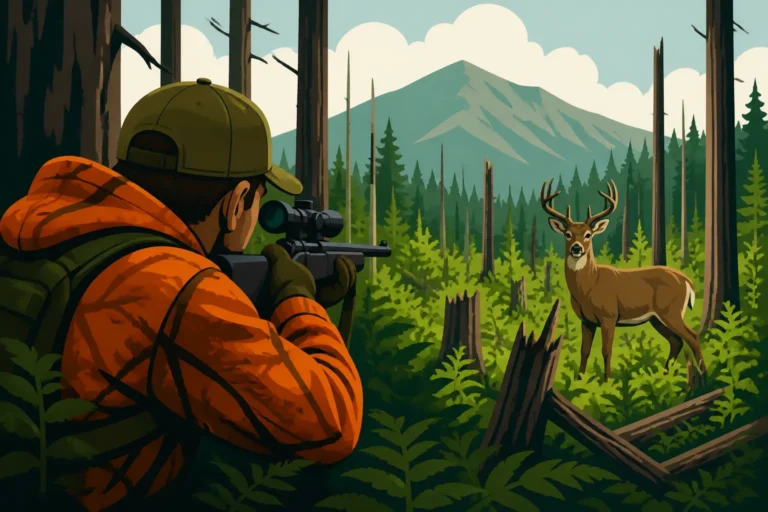
Think about alder, willow, birch, and aspen – these are gourmet meals for a moose. Fresh cutblocks, especially those a few years old (often referred to as a "Hunting a Recent Cutblock in Its Third Year"), burst with this kind of palatable new growth. The edges of these blocks act like a natural magnet because moose can access this lush browse while remaining close to the security of the mature forest. They can graze heavily during low-light hours and then quickly retreat into the shadows if they sense danger. This balance of plentiful food and nearby cover is precisely what makes cutblocks so appealing to these large herbivores.
Essential Cover and Strategic Escape Routes
While moose are drawn to the food in clearings, they also have an innate need for security. The deep, dark timber adjacent to a cutblock edge offers critical thermal cover during harsh weather and a sense of safety from predators like wolves and bears. It’s also where they will bed down during the day, chewing their cud and staying out of the direct sun or strong winds.
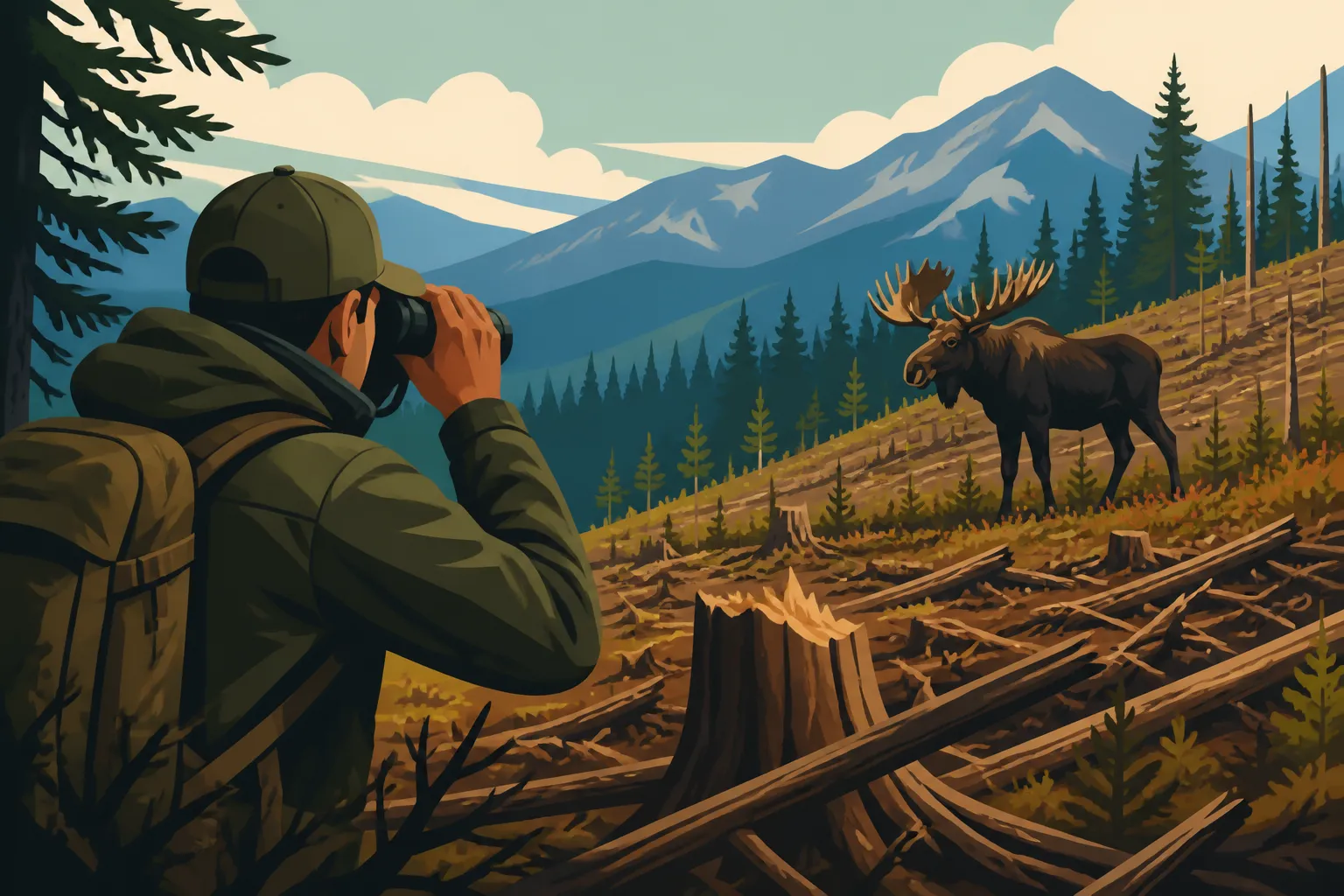
The transition zone, that fuzzy line where the cutblock meets the standing timber, is a superhighway for moose. They often use these edges as travel corridors, moving between feeding areas, water sources, and bedding grounds. Imagine a moose quietly slipping out of the mature forest at dawn to begin browsing along the sun-drenched new growth, or just as subtly disappearing back into the thick timber as the morning progresses. These edges provide multiple escape routes, allowing a moose to quickly melt back into the forest if disturbed, making them feel secure enough to venture out and feed. This strategic access to both open feeding grounds and dense concealment is why smart hunters always pay close attention to the perimeters of these logged-over sections.
Understanding Moose Behavior Around Cutblocks
To successfully hunt moose around cutblocks, you need to think like a moose. Their daily patterns, preferred browse, and reactions to human presence are all influenced by the unique environment logging creates. Knowing these nuances can help you predict their movements and pinpoint their likely locations.
Daily Feeding Patterns and Preferred Browse
Moose are crepuscular, meaning they are most active at dawn and dusk. This is when you'll most often find them out feeding in the open areas of cutblocks or along the edges. During these low-light periods, they feel safer venturing away from the thick cover to fill their enormous stomachs. In the peak of the day, especially in warmer weather, they'll often retreat to the shade and cooler temperatures of the timber to ruminate.
Their diet around a cutblock is diverse, but certain plants are undeniable favorites. Look for signs of heavy browsing on willow, red osier dogwood, trembling aspen, and birch saplings. You might notice raggedly torn leaves, broken twigs, and stripped bark, sometimes higher than you'd expect, indicating a large animal has been feeding. While a fresh cutblock offers abundant new growth, it's often the slightly older ones, two to ten years post-logging, that provide the most substantial and diverse browse for moose, as the plants have had time to establish themselves but are still within easy reach. Understanding these food preferences helps you focus your efforts on the richest buffet zones.
Travel Corridors and Bedding Areas
Moose, despite their size, are incredibly efficient travelers. Around cutblocks, they often establish predictable travel corridors, especially where the terrain funnels them or where access to food and water is concentrated. These corridors might be along old skid trails, small drainages that run into the cutblock, or natural saddles and benches leading up from lower elevations. These paths, often identified by worn trails, fresh tracks, and droppings, are perfect ambush points if you can read the landscape.
For bedding, moose seek out areas that offer both cover and a vantage point. This could be a dense thicket just inside the timber edge, a small clump of conifers within the cutblock itself, or even a slight rise that allows them to survey their surroundings while remaining hidden. Look for flattened vegetation, often with a fresh deposit of droppings nearby. They prefer spots that offer them an easy escape route into thicker cover. When you're scouting, whether in person or using a mapping tool like GoHunt, try to identify these natural funnels and likely bedding zones adjacent to feeding areas, as these are critical pieces of the puzzle for a successful hunt.
Impact of Human Activity on Moose Movement
Moose are wild animals, and like most big game, they adapt their behavior based on human presence. Actively logged cutblocks, with heavy machinery and regular human activity, tend to see less moose traffic during daylight hours. Moose might still feed there under the cover of darkness, but they'll be wary. However, once a cutblock is quiet and the logging operations have moved on, moose quickly reclaim these areas.
Heavy hunting pressure also makes moose more nocturnal and skittish. In areas with high hunter traffic, moose will often feed aggressively at night and retreat into the deepest, thickest cover well before dawn. This means hunters need to be in position incredibly early, often before first light, and hunt right up until legal shooting light fades. Furthermore, access roads, especially active ones used by hunters, can become deterrents. Moose learn to associate vehicle noise with danger. Sometimes, the most productive cutblocks are those accessed by deactivated logging roads, requiring a hike or ATV, where human disturbance is minimal. A careful hunter will consider these factors and plan their approach accordingly, trying to minimize their own impact and disturbance.
Effective Hunting Strategies for Cutblock Edges
Hunting moose on a cutblock edge requires a blend of patience, keen observation, and strategic movement. It's not about blindly walking through the bush; it's about understanding the terrain, the animal, and using the right techniques at the right time.
Glassing and Spotting from a Vantage Point
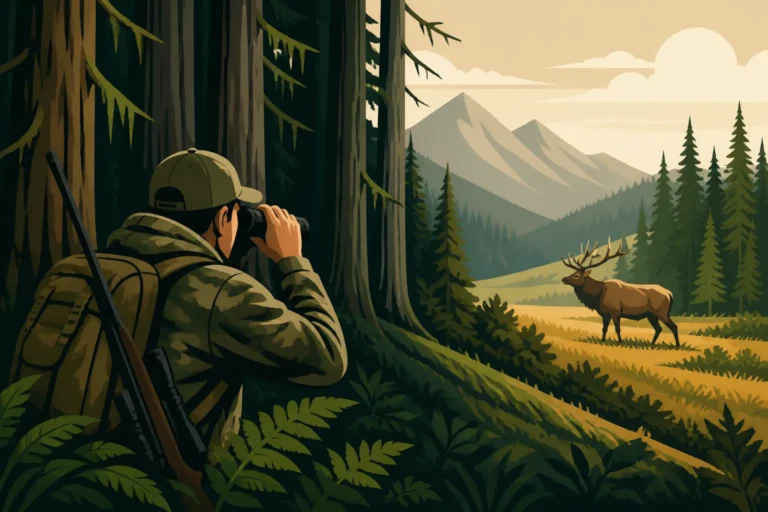
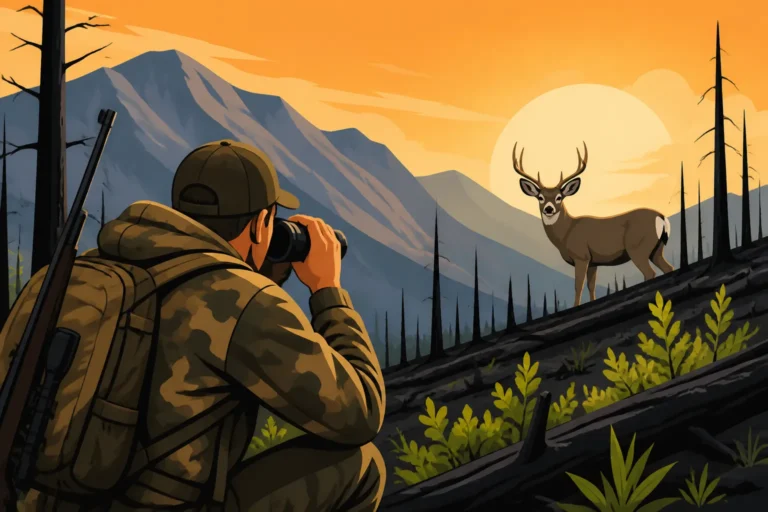
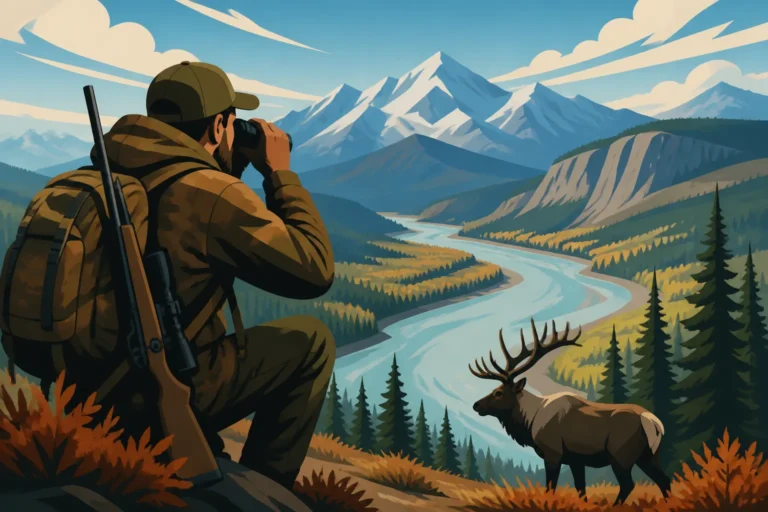
One of the most effective ways to hunt cutblock edges is by glassing from a strategic vantage point. Moose are big animals, but they can disappear surprisingly well in even sparse cover. Getting above the cutblock, or at least having a clear line of sight across a large section of it, can give you a significant advantage. This strategy is particularly effective when you're "Glassing an Interior Hillside for Mule Deer" or spotting any other big game in open country.
Find a high point early in the morning, before first light, and set up your optics. A good pair of binoculars (10×42 or 12×50) and a spotting scope (20-60x) are indispensable. Systematically scan the entire cutblock, paying close attention to the edges where the new growth meets the mature timber. Look for subtle movements: the flick of an ear, a patch of dark hide, or the tell-tale horizontal line of a moose's back among the vertical trees. Moose often stand perfectly still, so you need to be patient and thorough, allowing your eyes to pick apart the landscape. The first hour of light and the last hour before dark are prime times for this. Many hunters use advanced mapping apps like GoHunt to mark potential glassing knobs and plan their approach routes to avoid spooking animals.
Still-Hunting and Tracking Along the Edge
While glassing is excellent for covering large areas, sometimes you need to get down and dirty, still-hunting the edges or tracking fresh sign. Still-hunting involves moving incredibly slowly, stopping frequently to observe, listen, and scan your surroundings. You're effectively stalking through the moose's living room. This method is especially useful when the weather is windy or raining, as it muffles your sound, or when visibility is limited due to fog or dense regeneration.
When still-hunting a cutblock edge, always move into the wind or crosswind to keep your scent from blowing ahead of you. Pay meticulous attention to details: fresh tracks, droppings, rubs on trees, and browsed vegetation. If you find fresh sign, slow down even further. This is where the tracking comes in. Moose tracks are unmistakable – large, cloven hooves, often showing a dewclaw imprint in soft ground. Follow the freshest tracks, constantly scanning ahead and to the sides. Moose can move silently, even in thick cover, so every step needs to be deliberate. Remember, moose can blend into the shadows; always assume they are just over the next rise or behind the next thicket.
Effective Calling Strategies
Calling can be incredibly effective when hunting moose, especially during the rut, which usually peaks in late September and early October in British Columbia. Understanding how to use calls can draw a curious bull out of the timber and into the open, or at least reveal his position. For a deeper dive into vocalizations, check out "Calling Moose in British Columbia's Interior".
There are two primary types of moose calls: cow calls and bull grunts. A cow call, often a long, drawn-out bawl, mimics a cow in heat and can attract bulls looking to breed. A bull grunt, a deeper, guttural sound, can challenge another bull or signal a bull's presence to a cow. When calling, find a good strategic position where you have good visibility into the cutblock and an escape route into the timber if a bull charges in. Call intermittently, listen intently for a response, and then wait. Sometimes a bull will respond quickly; other times, he might circle downwind to scent-check the area before showing himself. If you get a response, be prepared, as they can come in fast and silently. Rattling antlers can also work, mimicking two bulls fighting, especially if you're trying to coax a dominant bull out of the bush.
Timing Your Hunt: Seasons and Weather
Timing is everything when it comes to moose hunting, and this holds especially true for cutblock edges. Moose behavior changes dramatically with the seasons, influenced by breeding cycles, food availability, and weather patterns. Understanding these shifts allows you to tailor your strategy for maximum success.
Early Season Considerations
British Columbia's early moose season often starts in late August or early September, depending on the region. During this period, the weather can still be quite warm, and vegetation is still very green and lush. Moose haven't yet entered the rut, so they are generally focused on feeding and building up fat reserves for the winter. They tend to be more spread out and less vocal, making them harder to locate.
In the early season, moose are often found near water sources within or adjacent to cutblocks, or in marshy areas, not just for hydration but also to escape insects and access aquatic vegetation. They'll frequent the greenest, densest new growth in cutblocks during low-light hours and seek thick thermal cover in the mature timber during the heat of the day. This is a great time for spot-and-stalk tactics, often involving long hours of glassing from high vantage points. If you harvest a moose during this warmer period, proper "Meat Care in British Columbia's Warm Early Seasons" becomes paramount to prevent spoilage. Focus on finding fresh sign – tracks, droppings, and browsed plants – as your primary indicator of moose presence.
Rut Period Activity
Without a doubt, the rut, typically from late September through early October, is the most exciting time to hunt moose on a cutblock edge. This is when the bulls are actively seeking cows, often throwing caution to the wind in their pursuit of breeding opportunities. For specific dates, always consult the British Columbia Moose Season Dates. If you want to dive deeper into this critical period, understanding "When British Columbia's Moose Rut Peaks" is crucial.
During the rut, bulls become much more vocal and responsive to calling. They'll grunt, rake trees with their antlers, and thrash through brush to attract cows and challenge other bulls. This heightened activity often brings them out into more open areas like cutblocks, particularly along the edges, where they can scent-check for cows and broadcast their presence. Hunters using cow calls or bull grunts can often draw a bull right into shooting range. However, this also means competition from other hunters. Early mornings and late evenings are still prime times, but rutting bulls can be active throughout the day, especially if the weather is cool and overcast. Be prepared for aggressive responses to your calls and keep your eyes peeled for moving animals.
Late Season and Snow Cover
As the season progresses into late October and November, British Columbia often sees the first significant snowfalls. This late season hunting presents a different set of challenges and opportunities on cutblock edges. Snow cover can completely change the game, offering both advantages and disadvantages.
The primary advantage of snow is that it reveals fresh tracks like a roadmap. You can easily identify recent moose travel, feeding areas, and even bedding sites. Tracking a moose in fresh snow along a cutblock edge can be incredibly productive, as their movements become more legible. Moose will often gravitate towards south-facing slopes in cutblocks where the snow melts faster, exposing more browse. They also tend to "yard up" in thicker timber during heavy snow, so the timber edges adjacent to cutblocks become even more critical. However, deep snow can also make travel difficult for both hunters and moose, and temperatures can plummet, requiring robust cold-weather gear. Moose may also become more reclusive and less responsive to calls after the rut. Always be prepared for drastic weather changes and ensure you have appropriate gear and safety precautions, especially when navigating "Hunting British Columbia's Logging Road Network" in winter conditions.
| Cutblock Age (Years Post-Harvest) | Moose Appeal | Primary Food Availability | Cover/Security | Hunter Strategy |
|---|---|---|---|---|
| 1-2 Years (Fresh) | Low to Medium | Sparse, small seedlings | Good (adjacent timber) | Glassing, low expectations |
| 3-10 Years (Regenerating) | High | Abundant browse, saplings | Excellent | Glassing, Still-hunting, Calling |
| 10-20 Years (Mid-Growth) | Medium | Taller browse, thicker brush | Moderate (can be too dense) | Still-hunting, tracking |
| 20+ Years (Mature Second Growth) | Low to Medium | Limited browse at ground level | Good (adjacent timber) | Look for specific openings |
Safety and Logistics When Hunting Cutblocks
Hunting in British Columbia, especially around remote cutblocks, demands careful attention to safety and robust logistical planning. From encountering wildlife to navigating treacherous terrain and extracting a downed animal, being prepared is paramount for a successful and safe trip.
Bear Awareness and Safety Protocols
British Columbia is bear country, home to both black bears and grizzly bears. Cutblocks, with their abundance of berries and new growth, can be prime bear habitat, attracting these omnivores looking for food. Encounters are a real possibility, especially when you're moving quietly or calling. It’s absolutely critical to practice "Bear Safety While Hunting in British Columbia".
Always carry bear spray, readily accessible, and know how to use it. Make noise while walking, especially in dense brush, to avoid surprising a bear. Be extra vigilant if you're approaching areas with strong food odors or fresh bear sign. If you encounter a bear, especially a grizzly, avoid eye contact, speak calmly, and back away slowly. Never run. If you wound a moose, the smell of blood can attract bears, so be prepared for a quick recovery and field dressing. Having a hunting partner is always a good idea, as two sets of eyes and ears are better than one, and they can provide backup in an emergency.
Navigating Deactivated Roads and Terrain
Many of the most productive cutblocks are found off the beaten path, often requiring travel on deactivated logging roads. These roads can range from overgrown two-tracks to completely washed-out sections requiring significant hiking or specialized off-road vehicles. Before you head out, use resources like GoHunt or local forest service maps to identify potential access points and the condition of these roads. Consulting local logging companies or forest district offices can also provide valuable insights into active operations and road conditions. If you're planning to hunt deeper into the backcountry, familiarizing yourself with "Deactivated Roads on British Columbia Crown Land" is highly recommended.
The terrain around cutblocks can be equally challenging. You might encounter steep slopes, dense blowdowns, thick regenerating timber, and uneven ground. Always wear sturdy, waterproof boots with good ankle support. Carry a reliable GPS device, a compass, and a detailed physical map (like those found when "Reading a British Columbia MU Map"). Mark your vehicle's location and key points as you go. Weather can change rapidly in BC's mountains, turning dry trails into muddy, slippery hazards. Plan your routes carefully, assess the terrain, and be prepared to turn back if conditions become unsafe.
Meat Care and Extraction Challenges
Dropping a moose in a cutblock can be both exhilarating and daunting. Moose are enormous animals, weighing upwards of 1,000 pounds, and getting that meat out of a remote cutblock is a monumental task. You need a solid plan for "Quartering a Moose in Grizzly Country" and then packing it out.
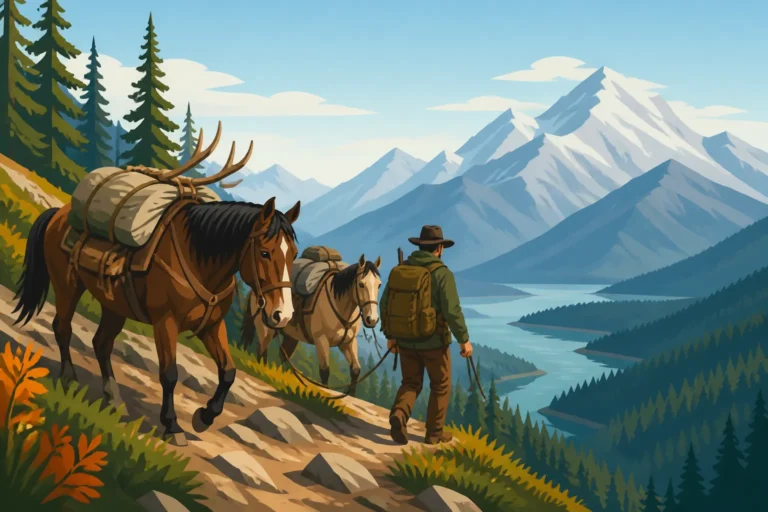
The first step is field dressing the animal quickly to cool the meat. If it's warm, getting the hide off and the animal quartered and spread out to cool as soon as possible is crucial. You'll need sharp knives, a game bag, and a sturdy saw or axe. Remember that bears are attracted to fresh kills, so work efficiently and keep your head on a swivel. For extraction, a strong frame pack is essential, and often multiple trips will be required. Consider using game carts or even horses if the terrain allows, but for most cutblocks, it's going to be brute force and teamwork. Having a hunting partner (or two!) who can help with packing dramatically eases the burden. Know your limits, take breaks, and prioritize getting the meat out safely and ethically. Sometimes, depending on the location, specialized methods like "Getting a Moose Out on a British Columbia River" might even be an option if a river or lake is nearby.
Disclaimer
Hunting is an inherently risky activity. This guide provides general information and strategies, but it is not a substitute for personal research, proper training, or adherence to all local and provincial hunting regulations. Always consult the most current British Columbia Hunting and Trapping Regulations Synopsis, obtain appropriate licenses and tags, and prioritize safety above all else. The author and publisher are not responsible for any accidents, injuries, or legal infractions incurred while hunting.