Travel Insurance for a Hunting Trip
Imagine finally getting your coveted British Columbia hunting dates locked in, gear prepped, and flights booked, only for a sudden illness or an airline hiccup to derail everything at the last minute. The financial sting of lost deposits, non-refundable flights, and tags can be brutal. This guide is all about navigating the often-confusing world of travel insurance, specifically tailored for those heading into British Columbia's wild to hunt, ensuring you're protected when the unexpected inevitably happens.
The Unpredictable Wilderness: Why Hunting Trip Insurance Isn't a Luxury
Hunting in British Columbia is an adventure, plain and simple. It's often planned months, if not years, in advance, involving significant financial and emotional investment. But with adventure comes unpredictability. A sudden medical emergency, a lost piece of essential gear, or even just a change in weather that grounds your bush plane can turn a dream hunt into a nightmare of lost funds and frustration. Travel insurance isn't just for beach vacations; for a serious hunting trip into the vastness of BC, it's a critical layer of protection for your peace of mind and your wallet.
Think about the unique challenges: you're often heading into remote areas, far from immediate medical facilities. The gear you're bringing – rifles, bows, specialized clothing, optics – can be incredibly expensive to replace if lost or damaged. Flights to remote staging towns can be infrequent and costly to rebook. Even something as simple as a family emergency back home can force you to abandon a hunt you've saved for, leaving you out of pocket for non-refundable expenses. Without a solid travel insurance policy, all these unforeseen circumstances fall squarely on your shoulders, and that's a burden no hunter wants to carry. It's about hedging against the wilderness and the realities of modern travel.
Protecting Your Investment: Beyond Just Flights and Hotels
A hunting trip is far more than just flights and a place to sleep. It includes guide fees, species tags, special licenses, and potentially charter services for remote access. Standard travel insurance often overlooks these specific hunting-related costs. This is where understanding your policy becomes paramount. You need coverage that acknowledges the unique financial outlay involved in pursuing game in places like the Peace Region or the coastal inlets.
Consider a situation where your guide has to cancel your trip last minute due to an unforeseen emergency on their end. Or what if the specific area you're hunting becomes inaccessible due to a wildfire closure, forcing you to cancel entirely? These aren't typical scenarios covered by basic trip cancellation. Ensuring your policy specifically addresses the costs associated with these unique elements of a hunting trip can save you thousands. Many hunters use resources like GoHunt for planning and research, and when you're making such substantial investments based on their insights, protecting those investments with tailored insurance is just smart.
The Realities of Remote Medical Care and Evacuation
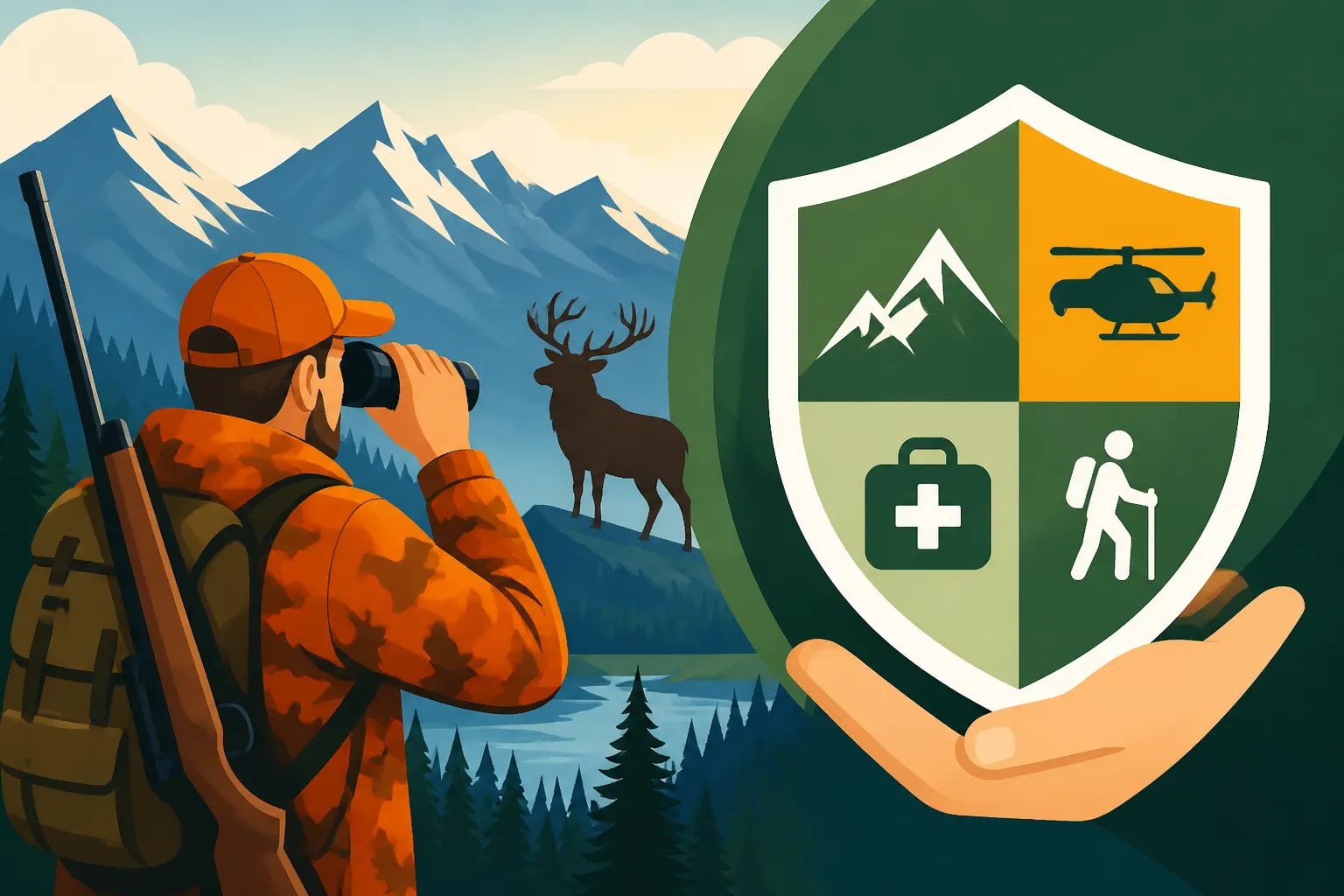
British Columbia is vast, and many prime hunting areas are far removed from medical facilities. A twisted ankle on a steep alpine slope, a severe allergic reaction, or a more serious injury in the backcountry could require emergency medical attention and, crucially, emergency evacuation. The cost of a helicopter evacuation alone can be astronomical, easily running into tens of thousands of dollars, an expense few personal health insurance plans cover when you're far from home or even in another province/country.
This is where comprehensive medical and evacuation coverage becomes non-negotiable. It's not just about getting to the nearest hospital; it's about getting out of a remote location to that hospital. Policies vary widely, so it's essential to scrutinize the limits and conditions for emergency medical treatment and evacuation. Does it cover search and rescue? Does it cover transportation to a facility of your choice, or just the nearest adequate one? For anyone venturing into the wilderness for Sheep and Goat Hunting in British Columbia or Horseback Hunting British Columbia's Backcountry, this coverage can literally be a lifesaver, not just a money saver.
Decoding Your Policy: Essential Coverage Types for Hunters
When you're looking at travel insurance for a British Columbia hunting trip, you'll encounter a bewildering array of terms and coverage options. It's not enough to just buy "travel insurance"; you need to ensure the policy actually covers the specific risks you face as a hunter. This means looking beyond the basic package and often opting for enhanced or specialized coverage.
Trip Cancellation and Interruption
This is probably the most commonly understood component of travel insurance. Trip cancellation reimburses you for non-refundable expenses if you have to cancel your trip before it begins due to a covered reason. Trip interruption kicks in if you have to cut your trip short after it has started. For hunters, this is critical because so much of your cost – guide fees, permits, unique accommodations – is often non-refundable weeks or months out.
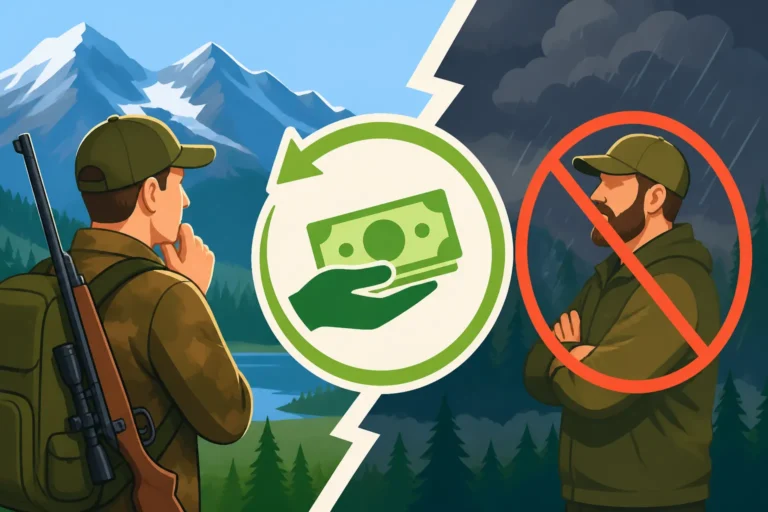
Common covered reasons typically include serious illness or injury to you or a close family member, death, severe weather events that halt travel, or involuntary job loss. However, always check for exclusions. Does it cover any illness, or only life-threatening ones? What about a sudden work commitment that you can't get out of? Some policies offer "cancel for any reason" (CFAR) riders, which provide more flexibility but come at a higher premium. While they won't reimburse 100% of your costs, they offer invaluable peace of mind when booking a multi-thousand dollar hunt months or years in advance, especially when dealing with British Columbia's Limited Entry Hunting Draws where success isn't guaranteed every year.
Emergency Medical and Evacuation Benefits
As mentioned, this is arguably the most important coverage for a remote hunting trip. Emergency medical benefits cover the costs of unexpected illness or injury during your trip. This includes hospital stays, doctor's fees, prescription medications, and even dental emergencies. Given that Canadian healthcare, while excellent, operates differently from other systems, having this coverage is especially important for non-Canadian residents.
Emergency medical evacuation goes a step further, covering the cost to transport you to the nearest appropriate medical facility, or even back home, if medically necessary. For a hunter deep in the backcountry, an air ambulance or a specialized ground evacuation team can be the difference between life and death, and these services are astronomically expensive without insurance. Read the fine print: does it cover repatriation of remains? What about medical escorts if you need one to travel home? If you're planning a trip that might involve Backpacking Into British Columbia Sheep Country, this type of coverage is paramount.
Baggage and Gear Protection
Lost or delayed luggage is a frustrating experience for any traveler, but for a hunter, it can be devastating. Imagine arriving in Prince George only to find your rifle case didn't make the connection, and your hunt starts the next morning. Baggage delay coverage can help reimburse you for essential items you need to buy to tide you over, like basic clothing or toiletries. Lost baggage coverage helps replace the value of your lost items.
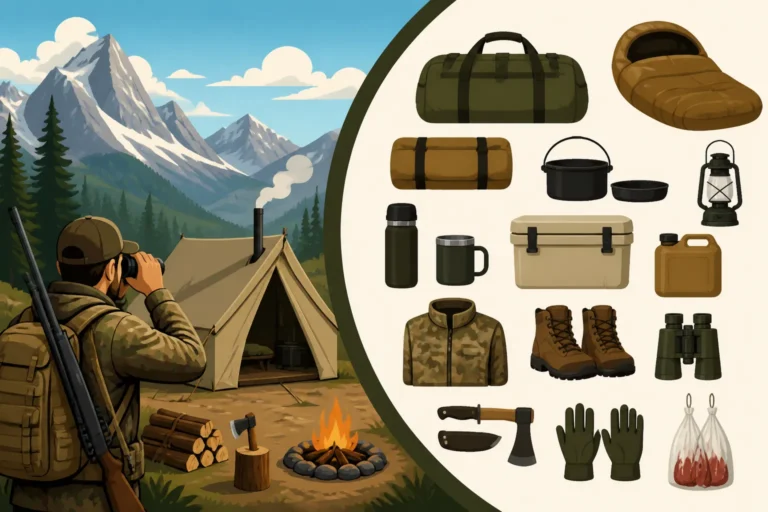
However, hunting gear is often specialized and expensive. Standard baggage limits on most travel insurance policies might not come close to covering the actual value of your high-end rifle, optics, or custom hunting clothing. You might need to look for a specific rider for "sports equipment" or an "electronics rider" if you're carrying expensive cameras or satellite communication devices. Always itemize your most valuable gear and check if the policy's limits are adequate. Companies like BookYourHunt often feature listings with guides who understand the value of a hunter's gear, and they'll confirm that insurance is a wise choice. It's not just about the value of the items, but the impact on your hunt if you lose them.
British Columbia Specifics and Policy Pitfalls to Avoid
British Columbia is a truly unique hunting destination, and its specific conditions can expose gaps in generic travel insurance policies. Understanding these nuances is key to selecting appropriate coverage. You don't want to find out the hard way that your policy considers a multi-day backcountry hunt an "extreme sport" that's excluded.
High-Risk Activities and Exclusions
Many travel insurance policies have exclusions for "adventure sports" or "high-risk activities." While hunting might not always be explicitly listed, activities like helicopter travel, horseback riding in rugged terrain, or remote wilderness trekking could fall under these categories. It's absolutely crucial to disclose your intended activities to your insurance provider and get confirmation in writing that your hunting trip is covered.
Even common activities like ATV use or snowmobiling, often part of accessing hunting areas, might be excluded if you're not operating them safely or with appropriate licensure. Self-inflicted injuries, injuries sustained while under the influence of alcohol or non-prescribed drugs, and even pre-existing medical conditions not properly declared and approved can lead to denied claims. Be honest and thorough when applying for your policy; concealment will only hurt you later. Understanding the fine print on what constitutes a "high-risk" activity, especially when considering Hunting British Columbia's Alpine in September or going into Why Goat Hunting Is the Hardest Pack Out, is incredibly important.
Weather, Wildlife, and Road Access Challenges
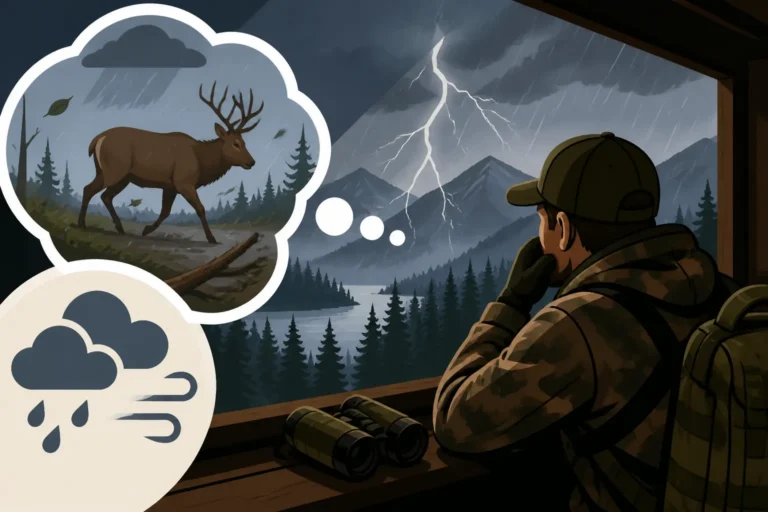
British Columbia weather is famously unpredictable, especially in the mountains and on the coast. Early snows can close forest service roads, heavy rain can flood rivers making jet boat access impossible, and dense fog can ground bush planes. Many policies have clauses for weather-related delays, but they might not cover the specific scenarios unique to a hunting trip. For instance, if a road closure makes your hunting area inaccessible, but the town you're flying into is open, your claim might be denied.
Similarly, while unlikely to cause a trip cancellation, encounters with wildlife, such as a grizzly bear, are a real possibility. While medical coverage would apply if you were injured, the psychological impact or the need to end a hunt early due to a traumatic event might not be covered. It's important to differentiate between an actual emergency and simply bad luck. When planning for Weather Windows in British Columbia's Mountains, always factor in how extreme conditions might affect your ability to get to or from your hunting grounds.
Here's a quick look at common coverage points and how they relate to a hunting trip:
| Coverage Type | What It Primarily Protects | Specific Hunter Considerations |
|---|---|---|
| Trip Cancellation/Interruption | Non-refundable costs if you can't go or have to leave early. | Guide fees, species tags, non-refundable flight/charter costs, accommodation. |
| Emergency Medical | Hospital bills, doctor's visits, medication abroad. | Injuries (falls, animal encounters), sudden illness in remote areas. Critical for non-residents. |
| Emergency Evacuation | Transport to medical facility, or home, if medically needed. | Helicopter or ground evacuation from remote backcountry locations. Essential for safety. |
| Baggage & Personal Effects | Lost, stolen, or damaged luggage and contents. | High-value firearms, optics, specialized clothing. Check limits for expensive gear. |
| Baggage Delay | Reimbursement for essential items due to delayed luggage. | Buying basics if your rifle or clothing arrives late, ensuring your hunt isn't completely stalled. |
| Travel Delay | Reimbursement for extra expenses (food, lodging) from delays. | Weather delays, mechanical issues with charter planes, road closures. |
Permit to Accompany and Non-Resident Requirements
For non-residents hunting in British Columbia, the rules around needing a guide or a Permit to Accompany are strict. Why Non-Residents Need a Guide in British Columbia is a critical piece of information. If your resident host for a Permit to Accompany hunt becomes ill and can no longer join you, your hunting plans are immediately derailed. Will your insurance cover the lost costs if the reason for your legal right to hunt is suddenly gone? This is a very specific scenario that few generic policies address.
Similarly, if you're booking with an outfitter, what if the outfitter suddenly goes out of business or cancels your trip without a valid reason that your policy covers? Look for clauses related to "financial default" of a travel supplier. While rare, it happens, and you don't want to be left holding the bag. Always confirm the reputation of your outfitter, and ensure you understand the terms of your contract with them.
Choosing the Right Policy and What to Ask
Selecting the best travel insurance for your British Columbia hunting trip requires diligence. It's not a one-size-fits-all product, and what works for a week in Cancun won't suffice for a remote mountain hunt. Take your time, compare options, and don't be afraid to ask direct questions.
Comparing Providers and Reading the Fine Print
Start by getting quotes from several reputable travel insurance providers. Don't just look at the premium; dive deep into the policy documents. Look for language that specifically covers hunting activities. Some providers may offer specialized "sports" or "adventure" add-ons that explicitly include hunting or the associated activities like backcountry hiking, horseback riding, or even float plane travel. These riders are usually worth the extra cost.
Pay close attention to deductible amounts, coverage limits for each benefit (especially medical and baggage), and the process for filing a claim. What documentation do they require? How quickly do they process claims? Customer service and a good reputation for payouts are just as important as the policy details themselves. Reviews can be helpful, but remember that individual experiences vary. When looking to compare packages, online tools from services like BookYourHunt or advice from community platforms like GoHunt can sometimes point you towards providers familiar with hunting trips, though they don't sell insurance directly.
Key Questions to Ask Your Insurance Provider
Before committing to a policy, have a list of specific questions ready for the insurance representative. This isn't a conversation you want to rush.
- "Does this policy cover big game hunting in British Columbia, specifically including activities like backcountry hiking, horseback riding, or bush plane travel?" Get a clear "yes" or "no," and ask them to point to the relevant section in the policy document.
- "What are the specific exclusions related to adventure activities or remote wilderness travel?" Make sure there are no hidden clauses that could void your coverage.
- "What are the limits for emergency medical treatment and emergency evacuation, and are there any sub-limits for specific services like air ambulance?" Understand the maximum they will pay out.
- "Does the baggage coverage include firearms and optics, and what are the individual item limits?" Your rifle might be worth more than the general baggage limit.
- "If I have a Permit to Accompany a resident hunter, and they become unable to go, would this be a covered reason for trip cancellation?" This is a niche, but important, question for many non-resident hunters.
- "What documentation will I need to file a claim for lost guide fees or non-refundable tag costs?" Knowing this upfront can save you headaches later.
Timing Your Purchase and Understanding Existing Coverage
It's usually best to purchase travel insurance as soon as you make your first non-refundable deposit for your trip. Many trip cancellation benefits, especially for pre-existing conditions, require you to buy the policy within a certain number of days (often 10-21) of that initial payment. This also ensures you have the longest possible window of coverage for trip cancellation.
Also, review any existing insurance you might have. Your credit card might offer some basic travel insurance, but it's rarely comprehensive enough for a hunting trip. Your provincial or state health insurance might cover some emergency medical, but often with significant limitations when outside your home jurisdiction. Understanding these gaps will help you determine what additional coverage you truly need. Don't assume anything; confirm every detail, because the peace of mind knowing you're fully covered is priceless, especially when you're focusing on the hunt itself, whether it's Hunting Mule Deer in the Okanagan Breaks or Calling Moose in the Rut.
Disclaimer
This article is for general informational purposes only and does not constitute professional advice. Laws, prices and regulations vary by location and change over time. Consult a qualified professional for guidance on your specific situation.