Lodging Before and After a Hunt
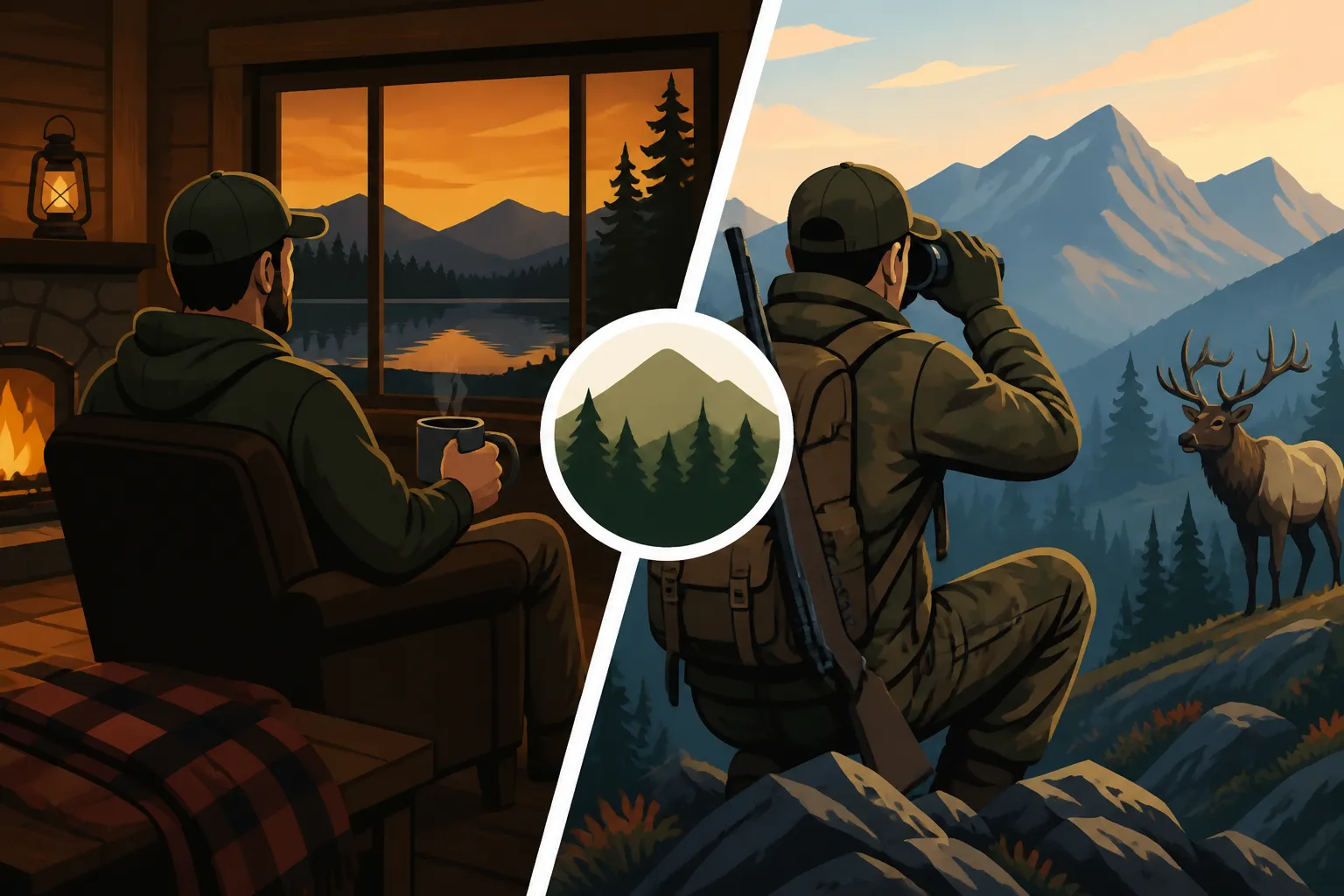
One of the biggest headaches when planning a hunting trip in British Columbia, especially if you’re travelling a significant distance or from out of province, is sorting out where you’re going to lay your head down before and after the actual hunt. It’s not just about finding a bed; it’s about having a functional base camp for those crucial pre-hunt preparations and a comfortable, practical space to decompress and deal with the harvest once your tag is filled. For many, the hunt itself is the focus, but neglecting these crucial logistical bookends can turn an otherwise fantastic trip into a stressful ordeal. This guide will walk you through the various lodging options and considerations to ensure your travel days are as smooth as your days in the field.
The Pre-Hunt Staging Post: Why Early Arrival Matters
You've planned your hunt for months, maybe even years. You've sorted your gear, got your British Columbia Hunting Licences and Fees, and perhaps even navigated the complexities of Rules for Non-Residents Hunting British Columbia. But rolling into British Columbia the night before opening day, scrambling to meet your guide, or trying to find an open store for last-minute supplies, is a recipe for disaster. Giving yourself a buffer of a day or two before the hunt officially begins can make all the difference, setting you up for success rather than stress.
Getting Settled and Organized
Arriving early allows you to truly settle in without feeling rushed. This is particularly vital if you're flying into a major hub like Vancouver or Prince George and then driving several hours to your hunting area. That extra day means you can pick up your rental vehicle without a mad dash, grab any forgotten items or specialty groceries that might not be available in smaller towns closer to your hunting grounds, and simply adjust to your surroundings. It's a chance to double-check your gear, ensure everything is in working order, and mentally prepare for the challenges ahead.
Think about it: after hours of travel, the last thing you want is to be fumbling with your rifle scope in a dimly lit motel room or trying to pack your frame pack at midnight. A dedicated pre-hunt day gives you time to lay out all your hunting clothes, check your boots for any issues, organize your food and water supplies, and make sure your optics are clean and adjusted. If you're connecting with an outfitter, it's a great opportunity to meet them, go over the final plan, and handle any last-minute paperwork without feeling pressured. This quiet preparation can often be the difference between a successful, enjoyable hunt and one plagued by minor logistical hiccups.
Acclimatization and Last-Minute Prep
British Columbia is a vast province with diverse terrain and climates. If you're coming from a different time zone or a significantly lower elevation, arriving a day or two early can help your body adjust. A hunter from the prairies might find the steep climbs of the Rocky Mountains or Coast Range surprisingly demanding, and a day or two of light activity can help acclimate. Similarly, if you’re driving for days, a night or two of solid rest in a comfortable bed before heading into a spike camp can prevent exhaustion from creeping in early in your hunt.
This staging period is also critical for fine-tuning your plans. You might want to visit a local gun range to confirm your rifle's zero after transit, especially if you've flown with it and had it disassembled. For non-residents, this is when you’ll be processing your Non-Resident Firearm Declaration paperwork. Even if you're not zeroing a rifle, it's a perfect time to consult local maps, get a feel for the region's geography, and double-check weather forecasts for your specific hunting zone. Platforms like GoHunt and BookYourHunt might offer mapping tools or community forums where other hunters share insights about local conditions, which can be invaluable for these last-minute preparations. You can also confirm current conditions on the British Columbia Road and Weather Closures page for any forest service roads you plan to use.
Post-Hunt Recovery: Winding Down and Logistics
The hunt is over. Maybe you tagged out, maybe you didn't, but either way, you’re tired, probably a bit grimy, and have a significant amount of gear to sort through. Post-hunt lodging isn't just a place to sleep; it’s a vital part of the wrap-up process, especially when dealing with game meat and trophies. Skipping this step or trying to drive straight home after a grueling hunt can be exhausting and potentially compromise your harvest.
Processing and Packing Out
If you've been successful, the immediate aftermath of a hunt often involves extensive meat care. Whether you’re dealing with a deer, an elk, or a moose, proper cooling and processing are paramount. Having a comfortable, accessible base camp for a day or two post-hunt allows you to properly debone, quarter, and pack your meat, especially if you're heading to a local butcher or processing facility. You can often find motels or hotels in larger towns that cater to hunters, with outdoor spaces for cleaning gear or even freezer space for smaller game. This is a far cry from trying to keep meat cool in a truck bed for a long drive home.
Consider the logistics of hides and skulls too. If you've taken a bear or a sheep, you'll need time to salt and prepare the hide, or deliver the head to a taxidermist. Having a clean, secure place to do this, rather than a muddy trailhead, can save you a lot of grief and ensure your trophy is preserved correctly. Dealing with these tasks efficiently is crucial, particularly if you're facing a long journey or strict border crossing regulations. British Columbia Taxidermists and Trophy Export involves its own set of considerations, and having a good lodging base can help streamline that process.
Rest, Reflect, and Reconnect
Beyond the practicalities, the post-hunt period is also about recovery – both physical and mental. You’ve likely pushed yourself, hiked miles, endured challenging weather, and experienced the emotional highs and lows that come with hunting. A good night's sleep in a real bed, a hot shower, and a proper meal can do wonders for your well-being. This is your chance to shed the grime of the backcountry, recount stories with your hunting partners, and simply decompress.
It’s also an important transition period. Coming out of the wilderness and immediately into the hustle of travel can be jarring. A day or two in a more settled environment allows you to gradually reintegrate before hitting the road or flying home. Many hunters find that this time helps them appreciate the experience more fully, reflecting on the challenges overcome and the beauty of British Columbia’s wilderness. This downtime can be as valuable as the hunt itself, solidifying memories and planning for future adventures.
Choosing Your Lodging: Options and Considerations
British Columbia offers a range of lodging options, each with its own advantages and disadvantages depending on your budget, group size, and specific needs. Understanding these choices will help you pick the best fit for your pre- and post-hunt stays.
Hotels, Motels, and B&Bs
These are the most common and often easiest options to find, especially in larger towns and cities. They offer convenience, private rooms, and amenities like hot showers, comfortable beds, and sometimes even complimentary breakfast. They’re excellent for getting clean, getting rest, and enjoying a bit of modern comfort after being in the bush. Many major chains and independent establishments exist in gateway towns like Kamloops, Cranbrook, and Prince George.
However, hotels and motels can be more expensive, especially if you need multiple rooms for a larger group. They might also lack space for staging extensive gear, or present challenges for dealing with meat or hides if you’ve harvested something. While some smaller, hunter-friendly motels in rural towns might offer outdoor space or specific amenities for hunters, most city hotels won't. Bed and breakfasts offer a more personal touch and often a hearty breakfast, but they typically have fewer rooms and might not be ideal for large groups with a lot of gear. When researching, it’s worth checking reviews or calling ahead to see if they are accustomed to hosting hunters, as some might offer perks like secure storage for firearms or early breakfast options.
Cabins, Airbnb, and Vacation Rentals
For groups or families, vacation rentals through services like Airbnb or VRBO, or booking a private cabin, can be a fantastic option. These often provide more space, privacy, and crucial amenities like full kitchens, laundry facilities, and multiple bedrooms. Having a kitchen allows you to cook your own meals, which can be a significant cost-saver compared to eating out for every meal. The extra space is also great for organizing gear, drying out wet clothes, and having a communal area to relax and plan.
The downside can be availability and cost, especially during peak season. They also usually require a minimum stay of a few nights, which might be more than you need for a quick stopover. However, the benefits of having a home-away-from-home, especially for processing smaller game or simply having a comfortable and private retreat, often outweigh the extra planning or cost. If you’re hunting in a more remote area, looking for local cabins or lodge rentals might be your best bet, as they are often geared towards outdoor enthusiasts. These can be particularly good if you're dealing with Meat Care in British Columbia's Warm Early Seasons, as you'll have more control over cooling and processing space.
Campgrounds and RV Parks
For the budget-conscious or those who prefer a more rustic approach, campgrounds and RV parks offer an excellent alternative. If you’re traveling with your own RV or trailer, this provides continuity and keeps your gear accessible. Many provincial parks and private campgrounds offer sites with hookups and basic amenities like washrooms and showers. They are typically much more affordable than hotels and inherently more flexible for dealing with hunting gear, as you’re already in an outdoor setting.
The main drawbacks are weather dependency and limited amenities. If it’s raining or cold, a tent can be less than ideal for recovery. Also, while many offer showers, they won’t have full kitchens or the comforts of a hotel room. For hunters, however, the ability to store gear in your vehicle, have easy access to coolers for meat, and be surrounded by other outdoor enthusiasts can create a great atmosphere. Many smaller towns in British Columbia have excellent municipal campgrounds or private RV parks that cater specifically to travelers exploring the outdoors, making them a sensible choice for staging before or after a backcountry adventure.
| Lodging Type | Pros | Cons | Ideal For |
|---|---|---|---|
| Hotels/Motels | Convenience, hot showers, private room, quick booking. | Less space for gear, can be expensive, limited outdoor amenities for game, less private. | Quick overnight stays, solo hunters, urban access points. |
| B&Bs | Personalized service, homey atmosphere, often good breakfast. | Fewer rooms, less flexible for late arrivals/early departures, might not suit large gear. | Couples, those seeking local charm, less gear-intensive trips. |
| Cabins/Vacation Rentals | Space, privacy, kitchen, laundry, group friendly, communal areas. | Higher cost for short stays, minimum night requirements, less availability. | Groups, families, longer stays, needing self-catering and gear space. |
| Campgrounds/RV Parks | Affordable, direct vehicle access, outdoor space, natural setting. | Weather dependent, fewer amenities, less privacy, may require your own gear (tent/RV). | Budget travelers, RV owners, those preferring rustic comfort, staging gear. |
Making the Most of Your Travel Days
Regardless of your chosen lodging, strategic planning for your travel days is key. British Columbia is vast, and distances between services can be considerable. Thinking ahead about where you’ll stop and what you’ll need will save you headaches on the road.
Logistical Hubs: Gateway Towns
British Columbia has several key towns that serve as excellent logistical hubs for hunters. These are generally larger communities with a wider range of services, including hotels, restaurants, grocery stores, fuel stations, and sometimes even sporting goods shops for those last-minute supplies or specific ammunition.
- Prince George: Often called the "Northern Capital" of British Columbia, it's a critical staging point for hunts in the Omineca, Peace, and Skeena regions. If you're heading north, stopping here to load up on fuel and supplies, and getting a good night's rest, is almost a necessity. Many northern outfitters will meet clients here.
- Kamloops: For hunts in the Thompson-Nicola and Cariboo regions, Kamloops is a central hub. It offers all amenities and good access to major highways heading further into the Interior. This is a great place to finalize preparations before Hunting the Chilcotin Plateau or the Nicola Valley Grasslands.
- Cranbrook/Fernie: These towns are crucial for hunters heading into the Kootenay region, particularly for elk or deer hunts. They provide good access to the Rocky Mountain Trench and surrounding valleys. Hunting the Elk Valley for Bulls often starts with a stop in one of these communities.
- Williams Lake: Another Cariboo gem, Williams Lake is perfect for hunters exploring that central plateau, offering services before heading onto more remote British Columbia's Forest Service Road Network.
- Vancouver/Abbotsford: For coastal hunts, especially those on Vancouver Island or the Lower Mainland, these cities are major points of entry. While not directly adjacent to wilderness, they offer all necessary services for those arriving by air and then driving to their hunting areas. You might fly into Vancouver before taking a ferry to Hunting Vancouver Island Blacktail in Second Growth.
Planning your pre- and post-hunt lodging around these towns can save you time and ensure you have access to everything you need.
Planning for the Unexpected
British Columbia weather can be unpredictable, and road conditions can change rapidly, especially in the mountains. Always build in extra time for travel, particularly if you're navigating more remote areas or using forest service roads that might be affected by rain, snow, or active logging. A sudden snowstorm can close mountain passes, and a heavy rain can wash out a logging road, stranding you or delaying your access to your hunting area. Emergency Planning in British Columbia's Backcountry is always wise, and having an extra night of lodging booked can be a lifesaver if your travel plans hit a snag.
Consider the possibility of mechanical issues with your vehicle, especially if you're driving long distances on rough roads. Having a flexible lodging plan means you won't be scrambling to find a last-minute room in a small town if your truck needs repairs. It also gives you a buffer for unforeseen delays with meat processing or trophy preparation. A little foresight goes a long way in ensuring these logistical challenges don't detract from the overall enjoyment of your British Columbia hunting adventure. Even checking a website like BookYourHunt or GoHunt for region-specific advice on typical travel challenges can give you a heads-up on what to expect.
Disclaimer
This article is for general informational purposes only and does not constitute professional advice. Laws, prices and regulations vary by location and change over time. Consult a qualified professional for guidance on your specific situation.