What British Columbia Guides Expect You to Shoot
Many hunters feel a knot of anxiety wondering if they're "good enough" for a guided hunt, specifically when it comes to the shot itself. It's a natural concern; you've invested time, money, and dreams into this adventure, and the last thing you want is to disappoint your guide or, worse, wound an animal. This guide will walk you through exactly what British Columbia guides expect when you pull the trigger, from ethical considerations to practical preparation and crucial communication.
The Core Expectation: A Clean, Ethical Kill
At the heart of every guide's expectation is a deep respect for the animals we pursue and the wild places they call home. When a guide puts you on an animal, their absolute primary concern is that you make a clean, ethical shot that results in a quick, humane kill. They aren't looking for a miracle shot, but rather a confident, well-placed one within your demonstrated abilities.
Understanding Shot Placement Priorities
A British Columbia guide wants to see a shot placed in the vitals – the lungs and heart. This is the universal standard for ethical hunting, and it's what ensures the animal expires quickly and minimizes suffering. They understand that things can happen in the field, but a guide will do everything in their power to set you up for this high-percentage shot. This means positioning you for a broadside or slightly quartering-away angle, ensuring a clear shooting lane, and helping you get stable. They're not going to push you to take a Texas heart shot or a long-range Hail Mary. If they've done their job, they've scouted the animal, understood its movements, and are now putting you in the best possible position for a responsible shot. It really comes down to whether you can execute on that opportunity.
The Weight of the Guide's Reputation
Think about it from your guide's perspective: their reputation, their business, and their future bookings hinge on successful, ethical hunts. A wounded animal that escapes often means a lost trophy, a disheartened client, and hours of difficult tracking that might not yield a result. This reflects poorly on their operation and can even affect their guiding territory. British Columbia Guide Outfitter Licensing Rules are strict, and maintaining a high standard of ethical hunting is paramount. They're not just guiding you; they're upholding the integrity of their profession. When you're successful with a clean shot, it validates all their hard work and experience, contributing to a positive experience for everyone involved. Websites like BookYourHunt, where hunters review their experiences, make a guide's reputation incredibly visible, so ensuring positive outcomes is directly tied to their livelihood.
Respect for the Animal and the Resource
Beyond the business aspect, every good guide I've ever met has an immense respect for wildlife. They spend their lives immersed in these environments and are often the first to notice changes in animal populations or habitat. To them, every animal taken is a privilege, not a right, and it contributes to the larger picture of wildlife management. Wounding an animal that is never recovered is not only a personal failure for the hunter but a waste of a valuable resource in the guide's eyes. They teach you to cherish the hunt, not just the kill, and that includes doing everything in your power to make that kill swift and clean. It’s part of the unspoken contract between hunter, guide, and the wild itself.
Preparing for Success: Your Pre-Hunt Responsibilities
A guided hunt isn't a passive experience where the guide does all the heavy lifting. You have significant responsibilities, particularly when it comes to being prepared for the moment of truth. Your guide expects you to show up ready, both physically and with your equipment.
Practice Makes Perfect: Range Time and Field Positions
This cannot be stressed enough. Your guide doesn't expect you to be a sniper, but they do expect you to be proficient with your chosen weapon. This means regular practice at the shooting range, not just a few shots the week before your hunt. Practice shooting from various field positions: prone, kneeling, sitting, and off shooting sticks or a backpack. The bench rest is great for sighting in, but rarely mimics real-world hunting scenarios. Simulate the stress of a hunting situation: get your heart rate up before a shot, practice quick target acquisition, and work on your breathing control. If you're going on a mountain hunt for species like sheep or goats, practice at longer ranges that might be necessary, but always within your comfort zone for a clean kill. Your guide will likely gauge your capabilities early in the hunt, perhaps with a practice shot or by observing your handling of your firearm or bow. For those chasing game in the alpine, Practicing Before a Guided Mountain Hunt is crucial for both confidence and ethical hunting.
Know Your Gear Inside and Out
Your rifle, scope, ammunition, and even your binoculars are tools, and you need to be intimately familiar with how they perform. Understand your rifle's zero at different distances, and how bullet drop might affect your point of aim. If you're using a rangefinder, know how to use it quickly and efficiently. If your scope has a ballistic reticle, understand its holdovers. The last thing a guide wants is to talk you through your equipment when a trophy animal is standing broadside. Bring high-quality, reliable gear. Ensure your rifle is sighted in and that you've practiced with the exact ammunition you'll be using on the hunt. This applies equally to archers; know your bow's exact pin gaps and practice with your broadheads. Your guide might ask you to confirm your zero on a hunt, and you should be able to do so quickly and confidently. They’ll appreciate your preparedness as much as you appreciate their expertise.
Physical Fitness and Mental Fortitude
Many British Columbia hunts, especially for big game or mountain species, are physically demanding. A guide expects you to be in reasonable physical condition. This doesn't mean you need to be an Olympic athlete, but you should be able to hike for several hours, potentially up and down steep terrain, while carrying your pack and rifle. The ability to climb quietly and steadily, then quickly recover your breath for a steady shot, is invaluable. A guide won't push you beyond your limits, but if you're constantly struggling, it can impact the hunt's success and your enjoyment. Beyond the physical, mental fortitude is critical. Hunting can be frustrating, with long days and no animals, or moments of intense pressure when an animal finally appears. Your guide expects you to remain positive, focused, and resilient. Fitness for a British Columbia Sheep Hunt or even a Moose Hunting British Columbia's Interior trip demands a certain level of physical readiness, so start preparing well in advance.
Communication is Key: Setting Expectations with Your Guide
The relationship between a hunter and their guide is built on trust and clear communication. Your guide isn't a mind-reader, and you shouldn't expect them to anticipate your every thought or concern. Open dialogue is essential for a successful hunt and a positive experience.
Pre-Trip Discussions: Clarifying Shot Distance and Comfort Zones
Before you even arrive in British Columbia, have an honest conversation with your guide about your shooting abilities and comfort zones. When you're making arrangements, perhaps through a platform like GoHunt or directly with the outfitter, discuss what kind of shots you're comfortable taking. What's your maximum ethical range for a deer? For an elk? For a mountain goat? Be realistic, not aspirational. If you consistently group shots at 200 yards, don't tell your guide you're good to 400. They need to know your true capabilities to plan the hunt effectively and position you for success. This upfront honesty prevents uncomfortable situations in the field. Ask them about their typical shot distances for the species you're pursuing. This also allows the guide to understand if there are specific accommodations needed or if they need to emphasize getting closer to the animal.
In-Field Communication: When to Say No
During the hunt itself, communication remains paramount. If your guide points out an animal and you don't feel confident about the shot – perhaps due to distance, a lack of clear vitals, an unsteady position, or swirling wind – it is absolutely your responsibility to communicate that. Don't feel pressured to take a shot you're not comfortable with. A good guide would much rather you pass on a questionable shot than take one that results in a wound. You might say something like, "Guide, I don't have a clear lane on the vitals," or "That's a bit far for me, can we try to close the distance?" They will respect your honesty and ethical judgment. They're there to help you, and sometimes that means waiting for a better opportunity. Remember, a successful hunt isn't just about bagging an animal, but about doing it the right way.
Trusting Your Guide's Judgment (and Their Trust in Yours)
While you need to communicate your comfort level, also trust your guide's experience. They know the terrain, the animals' habits, and how to get you into position. If they tell you to get ready, or to wait for a specific moment, listen intently. They've likely seen this scenario play out countless times. Conversely, your guide also trusts you. They trust you to have practiced, to know your weapon, and to be honest about your abilities. They're putting you in front of the animal, but the shot itself is on you. This mutual trust forms the backbone of a successful guided hunt. When you're out in the British Columbia wilderness, your guide is your partner and your safety net. Emergency Planning in British Columbia's Backcountry is part of their job, but your adherence to their instructions is vital for your safety and success.
Scenario Specific Expectations: Game by Game Considerations
While the core expectation of an ethical kill remains constant, different species present unique challenges and, therefore, slightly different expectations when it comes to the shot.
Big Game: Moose, Elk, and Deer
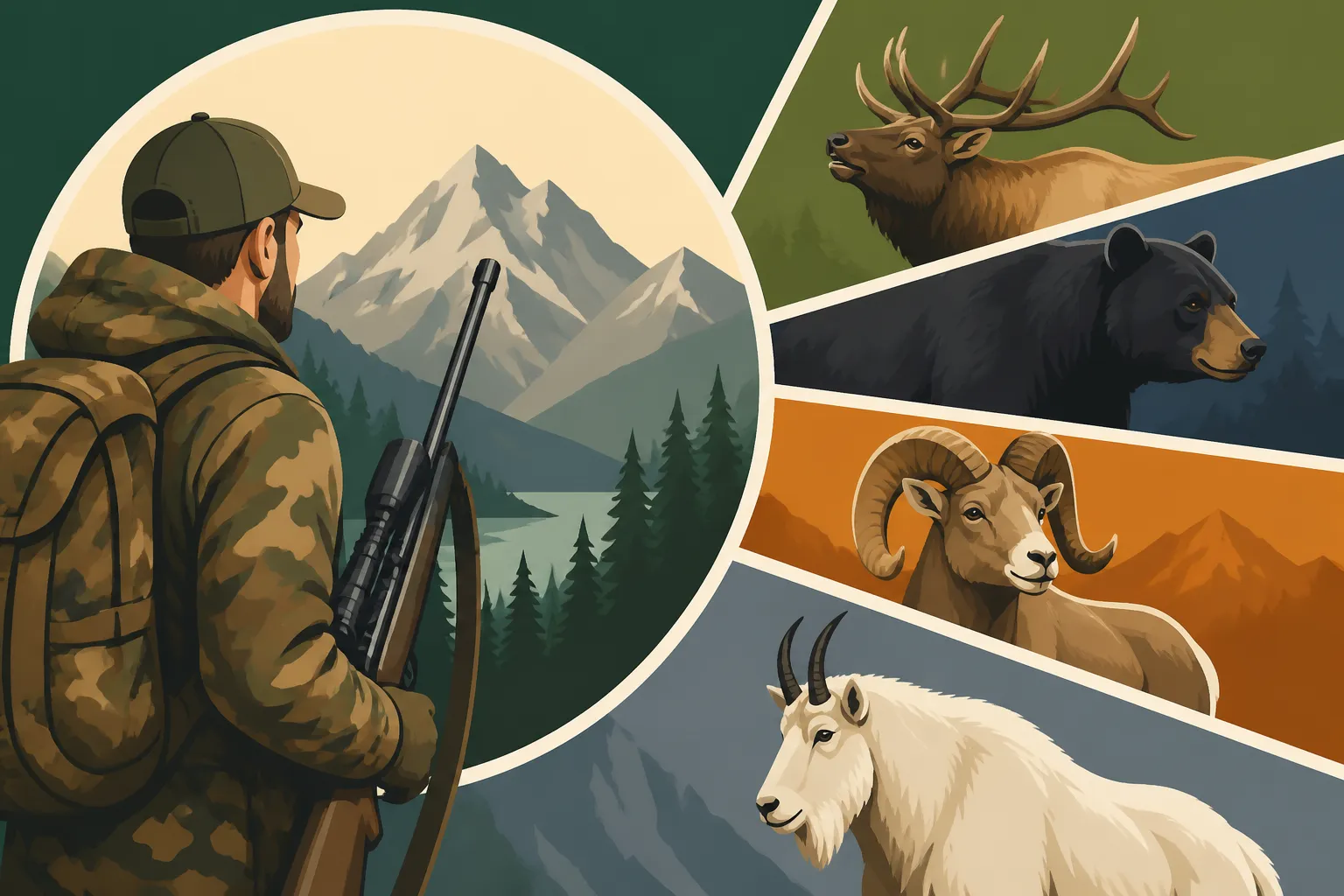
When hunting British Columbia's large cervids like moose, elk, and deer, guides expect you to understand the vital anatomy and wait for the best broadside or quartering-away shot. These animals are large, powerful, and can cover significant ground even with a lethal shot.
- Moose: What a British Columbia Bull Moose Weighs gives you an idea of their sheer size. They have massive bodies, and sometimes hunters aim too far forward, hitting the shoulder blade. Guides will emphasize aiming for the crease behind the shoulder, slightly low, to ensure a lung/heart shot. Their heavy bones can deflect poorly placed shots, so a solid rest is crucial.
- Elk: How Heavy a Roosevelt Elk Bull Gets also highlights the robust build of these animals. Elk are notoriously tough, and their will to live means they can travel far after a hit. Again, a double-lung or heart shot is paramount. When they're bugling or moving quickly, it can be hard to steady yourself, so breathing control and patience are key.
- Deer (Mule Deer, Blacktail, Whitetail): While smaller than moose or elk, deer are often hunted in brushier terrain or at longer distances. Guides expect you to patiently wait for a clear shot through vegetation, if possible. Hunting British Columbia's Four-Point Antler Rules means specific antler identification is often part of the deal, so ensure you can distinguish the legal animal before settling the crosshairs. With deer, especially blacktail, they can be incredibly agile and disappear in an instant, so once you have a clean shot at the vitals, don't dally.
Mountain Game: Sheep and Goats
Hunting British Columbia's majestic mountain animals is physically demanding, and the shots often occur in steep, open terrain, sometimes at longer distances. Guides for Sheep and Goat Hunting in British Columbia have very specific expectations.
- Mountain Goats: How Big a Mountain Goat Gets — these animals are built like tanks, covered in thick hide and dense muscle. Often found on rock faces, a clean kill and a quick drop are essential to prevent a long fall that could damage the meat or hide, or render recovery impossible. Guides will expect you to be able to make a precise shot, usually aiming for the front shoulder to anchor them on the spot, or a high shoulder/neck shot if the situation allows. A slightly forward lung shot is better than a shot too far back.
- Wild Sheep (Bighorn, Stone's, Dall's): Similarly, sheep often inhabit precarious terrain. While they might not be as heavy-boned as a goat, an ethical shot here also needs to be precise. Guides will expect you to be extremely patient, waiting for a stable shot when the animal is calm and clear of obstacles. They’ll also expect you to understand the specific curl rules for rams, as Judging a Full-Curl Ram in the Field correctly is crucial. The guide will often do the bulk of the judging, but you need to be able to hold steady and execute once given the go-ahead. Because of the extreme effort involved in these hunts, wasting an animal due to a poor shot is particularly heartbreaking.
Bears and Predators: Different Challenges
Hunting bears and predators in British Columbia comes with its own set of expectations, mainly due to their anatomy, potential for danger, and hide care.
- Black Bears: What a Coastal Black Bear Weighs shows these can be substantial animals. When hunting Black Bear Hunting British Columbia's Spring, especially over bait or on a coastal estuary, guides expect you to take your time and pick your shot carefully. Bears have unique anatomy; their vitals are further forward and lower than a deer's. A guide will often instruct you to aim for the middle of the body, just behind the shoulder, or slightly forward into the shoulder to break them down. Recovery is critical here, especially if you're after the hide, so a quick, clean kill without unnecessary damage to the cape is prized. You'll also need to be adept at Skinning and Caring for a Bear Hide immediately after the kill.
- Wolves and Coyotes: These animals are often opportunistic targets or hunted specifically through calling. They are typically smaller and faster. Guides will expect you to be ready for quick shots and to prioritize a clean kill over a perfect hide shot, as they can be hard to track. A broadside shot into the chest cavity is always preferred.
Remember, your guide is there to help you succeed, and their expectations are ultimately about ensuring an ethical, memorable, and successful hunting experience for you.
Disclaimer
This article is for general informational purposes only and does not constitute professional advice. Laws, prices and regulations vary by location and change over time. Consult a qualified professional for guidance on your specific situation.