Getting From the Airport to a Remote Camp
You've just landed at Vancouver International, Prince George, or maybe even a smaller regional airport like Cranbrook or Terrace, clutching your rifle case and brimming with anticipation. The hard part, you think, is over. But for many British Columbia hunters headed to truly remote camps, landing at an airport is just the first step of a multi-leg journey. That 'remote camp' isn't simply a short drive away; it often involves navigating vast wilderness, deactivated roads, and sometimes even flying or boating into the heart of untouched country. This guide is here to walk you through the realistic challenges and exciting possibilities of getting from the tarmac to your isolated basecamp.
The Reality of Remote Access in British Columbia
British Columbia is a truly massive province, and its wild hunting areas are often far, far removed from any paved roads or signs of civilization. For anyone dreaming of a remote hunt, understanding this fundamental reality is the first step in successful planning.
Understanding British Columbia's Vastness
Imagine a landscape where you can drive for hours, even days, and still be within the same provincial boundaries. British Columbia is bigger than France and Germany combined, and much of that land is rugged, mountainous, and forested wilderness. When an outfitter or a fellow hunter talks about a "remote camp," they're not just being poetic. They're describing a place that takes serious commitment and specialized transport to reach. It’s not like driving to a local campground.
You might fly into a major city, but your destination could be hundreds of air miles away, deep in the Northern Rockies or tucked away in a coastal inlet accessible only by sea. This sheer scale dictates the logistics. The further you want to get from civilization, the more planning, time, and specific modes of transport you'll need. This is a crucial element that many first-time hunters to the province underestimate. The "backcountry" here means something truly wild and expansive. Understanding British Columbia's Management Units and Regions helps to put this vastness into perspective; some of these units are larger than entire countries.
Why "Remote" Isn't Just a Buzzword Here
In British Columbia, "remote" often means no cell service, no gas stations, no general stores, and certainly no tow trucks. It means gravel roads that turn into two-tracks, then into ATV trails, and finally disappear into thick timber or a river valley. It's the difference between a rustic cabin with road access and a spike camp nestled deep in the alpine, only reachable by foot or a specialized aircraft.
For many seeking true wilderness hunting, this remoteness is precisely the draw. It filters out casual adventurers and ensures that the game animals often see less pressure. However, it also demands a higher level of preparation, self-reliance, and respect for the unpredictable elements of nature. The journey to these places isn't just a commute; it's an integral part of the adventure. You’ll quickly learn that a logging road marked on a map might be anything from a freshly graded arterial route to a barely discernable, overgrown track that requires significant bushwhacking just to verify it exists. This is especially true when exploring parts of British Columbia's Forest Service Road Network that are no longer actively maintained.
Common Modes of Transport Beyond the Asphalt
Once you've landed at a major airport, the "getting there" part of the hunt truly begins. Depending on your destination and outfitter, you could experience a variety of thrilling and sometimes challenging modes of transport.
Air Charters: The Bush Plane Experience
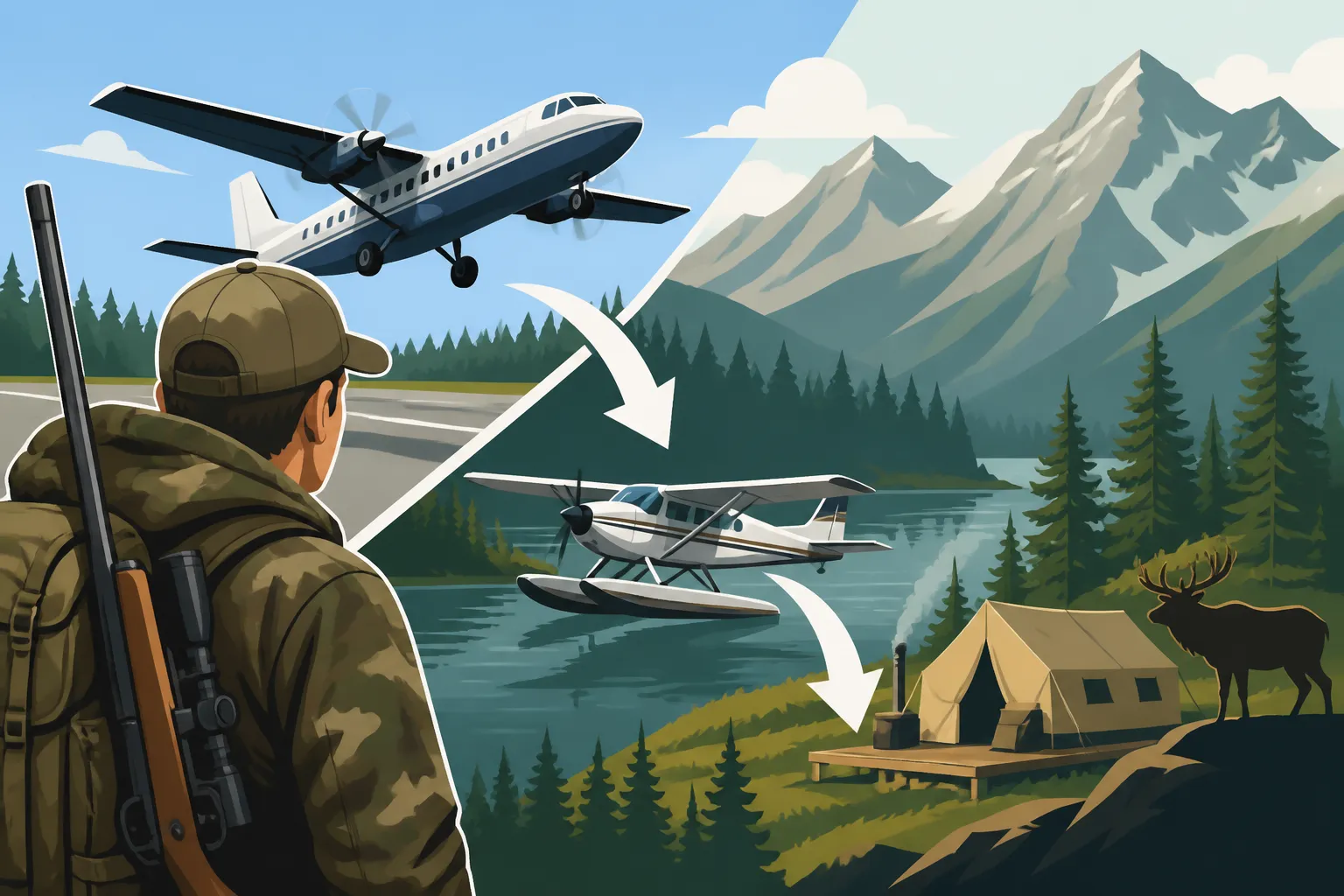
For many truly remote hunts in British Columbia, especially those targeting species in the high country or far north, a bush plane or helicopter is the only practical way in. These aren't your typical commercial flights. We're talking about small, rugged aircraft like De Havilland Beavers, Cessna Caravans, or even helicopters, capable of landing on short, unimproved strips or calm lake surfaces.
Booking a charter usually happens through your outfitter, who will have established relationships with local air services. They'll coordinate pick-up times, flight routes, and, critically, your luggage and gear weight limits. Trust me, those limits are strict, and you'll need to pack smart. You might find yourself on a floatplane lifting off from a lake near Prince George, skimming over endless forests, before touching down on an alpine lake where your camp awaits. Or perhaps it's a wheel plane that drops you on a gravel bar on a remote river. Flying Into a Remote British Columbia Camp delves deeper into what to expect from these unique aerial journeys. When planning, a service like BookYourHunt can help connect you with outfitters who regularly use such charters, detailing what's typically included in their hunt packages.
The experience itself is unforgettable: breathtaking views, the roar of the engine, and the sudden realization of just how isolated you truly are. But remember, weather plays a huge role. Fog, high winds, or heavy rain can ground planes for days, causing delays both into and out of camp. Always build a buffer into your travel plans for this very reason.
Jet Boats and River Access
British Columbia's major river systems—like the Fraser, Skeena, Stikine, and many others—provide vital corridors into otherwise impenetrable wilderness. For certain hunts, particularly those for moose or bear in river valleys, a jet boat becomes your primary mode of transport. These specialized boats are designed for shallow water, strong currents, and navigating braided channels, often loaded to the gills with gear and hunters.
Your journey might start with a drive to a river launch point, perhaps in a town like Terrace or Smithers, where your outfitter will meet you with their jet boat. From there, it's a thrilling ride upstream, dodging snags, reading currents, and watching the landscape unfold. You'll pass steep canyon walls, lush riparian zones, and vast gravel bars, pushing deeper and deeper into the wild. Jet Boat Access on British Columbia Rivers offers more insights into this exciting form of travel.
Just like air charters, jet boat travel is dependent on conditions. Water levels can change rapidly due to rainfall or snowmelt, making certain stretches impassable or requiring a very skilled pilot. It's a loud, bumpy, and often wet ride, so waterproof gear for yourself and your sensitive equipment is non-negotiable. The beauty of it is the direct access it provides to areas that would otherwise be foot-slogging nightmares, allowing hunters to cover significant distances quickly while accessing prime game habitat.
Truck and ATV Combos (and When Roads End)
For many British Columbia hunts, especially those closer to established communities but still in vast wilderness, the journey often involves a combination of a reliable 4×4 truck and an all-terrain vehicle (ATV). You’ll typically fly into a regional airport, then either rent a heavy-duty truck or be met by your outfitter with their rigs.
The first leg is usually on paved highways, which eventually give way to gravel forest service roads (FSRs). These FSRs can be anything from well-maintained to incredibly rough, pitted, and muddy. You'll drive for miles, passing active logging operations, before reaching a point where the road becomes "deactivated." A deactivated road isn't just closed; it's often intentionally made impassable for full-sized vehicles with cross-ditches, berms, or aggressive water bars. This is where the ATVs come into their own.
You’ll offload the ATVs, transfer your gear, and continue on, sometimes for many more miles. These ATV trails can be challenging, winding through thick brush, over rocky terrain, and across creeks. They allow you to punch through terrain that would be too slow or impossible on foot, bringing you within reasonable distance of your camp or hunting grounds. Navigating these networks requires a good map and GPS, and understanding regulations regarding Driving a Deactivated Logging Road is crucial. Make sure your outfitter or guide has a plan for secure vehicle parking, as leaving unattended vehicles at trailheads can sometimes be a concern.
Horseback and Backpacking into the Deep Woods
For the adventurous hunter seeking the ultimate challenge and immersion, horseback or pure backpacking are the final frontiers of remote camp access. These methods are common for sheep, goat, and high-country mule deer hunts where roads, rivers, and landing strips simply don't exist.
If you're going horseback, your journey starts with a drive to a trailhead, often many hours from the nearest town. There, you’ll meet your wranglers and the string of horses and pack animals. It's an incredible way to travel, covering vast distances through rugged terrain, over passes, and across rivers, all while experiencing the wilderness from a unique vantage point. Your gear is packed into panniers, and you ride into the sunset, sometimes for days, before reaching your basecamp. Horseback Hunting British Columbia's Backcountry perfectly describes this timeless method of access. It’s physically demanding, even for the rider, and requires a certain level of comfort with horses.
Pure backpacking, on the other hand, is the most strenuous but also the most liberating. After being dropped off by truck or even a charter plane at a remote lake or airstrip, everything you need for your hunt—tent, sleeping bag, food, cooking gear, optics, rifle—goes on your back. You then hike, sometimes for many days, climbing steep mountainsides and navigating dense timber, to establish a spike camp. This method demands peak physical fitness and meticulous gear choices. While tough, it offers unparalleled solitude and access to truly unpressured game.
| Mode of Transport | Pros | Cons | Typical Hunts |
|---|---|---|---|
| Air Charter | Fastest to very remote areas, scenic, covers huge distances | High cost, strict weight limits, weather dependent | Sheep, Goat, Moose, Bear in remote North |
| Jet Boat | Accesses river valleys, large cargo capacity, exciting | Water level dependent, noisy, can be rough/wet | Moose, Bear along major rivers |
| Truck & ATV | Versatile, covers varied terrain, more personal gear | Roads can be rough/closed, vehicle maintenance, slower | Mule Deer, Black Bear, Elk, Moose (accessible areas) |
| Horseback | Scenic, covers rugged terrain, less physical exertion for hunter | Requires wranglers/horses, slower, animal handling skills | Sheep, Goat, high-country Mule Deer, remote Elk |
| Backpacking | Ultimate solitude, cost-effective (no guides/horses) | Extremely physically demanding, strict weight limits | Sheep, Goat, high-country Mule Deer |
Planning Your Expedition: Logistics and Preparation
Successfully navigating the journey to a remote British Columbia camp is as much about meticulous planning as it is about the actual travel. Don't underestimate the logistics involved.
Coordinating with Your Outfitter
If you're hunting with a guide, this is where their expertise truly shines. Most British Columbia outfitters handle the complex logistics of getting you from the nearest commercial airport to their remote camp. From the moment you book, they should provide clear instructions on recommended arrival airports, timelines, and crucial details like luggage weight and size restrictions for any bush planes or horse packs.
Don't be shy about asking questions well in advance. Confirm exact meeting points, what vehicles will be used, and what contingency plans are in place for weather delays or mechanical issues. Many outfitters provide a comprehensive service, coordinating everything from your initial pick-up to your drop-off post-hunt. This frees you up to focus on your physical preparation and gear. When researching potential trips, platforms like BookYourHunt often include details about how outfitters manage transport, which can be a key factor in your decision. It's also worth checking if they offer a British Columbia Combination Hunt Packages that might factor in varied transport methods.
They'll often advise you on things like where to spend the night before your final leg of the journey if there's an early morning charter, or suggest what specific gear you might need for that particular mode of transport, like waterproof bags for a jet boat trip. A good outfitter will make this seem seamless, but a lot of behind-the-scenes work goes into it.
Independent Travel Logistics
For residents or those undertaking a DIY hunt, planning your independent travel to a remote camp in British Columbia is a much larger undertaking. You become your own logistics manager, charter broker, and navigation expert.
Firstly, you’ll need a robust 4×4 vehicle, often rented, capable of handling rough forest service roads. Ensure it has good ground clearance, reliable tires, and ideally, some recovery gear. Then, you'll need detailed maps and reliable GPS units loaded with satellite imagery. Apps like GoHunt are becoming increasingly popular for their mapping capabilities, allowing you to scout potential access routes, locate old logging roads, and pinpoint suitable camping spots long before you ever leave home. They can overlay Crown Land boundaries, which is crucial for legal access.
If air or jet boat charters are required, you'll need to research and book these directly with local operators. This means understanding their rates, availability, and specific requirements for cargo and passengers. Factor in potential delays and have backup plans. You'll also need to consider where you'll securely leave your vehicle during your hunt, which can be a challenge in truly remote areas. Remember to check for British Columbia Road and Weather Closures before heading out, as these can drastically alter your travel plans.
Budgeting for the "Last Mile"
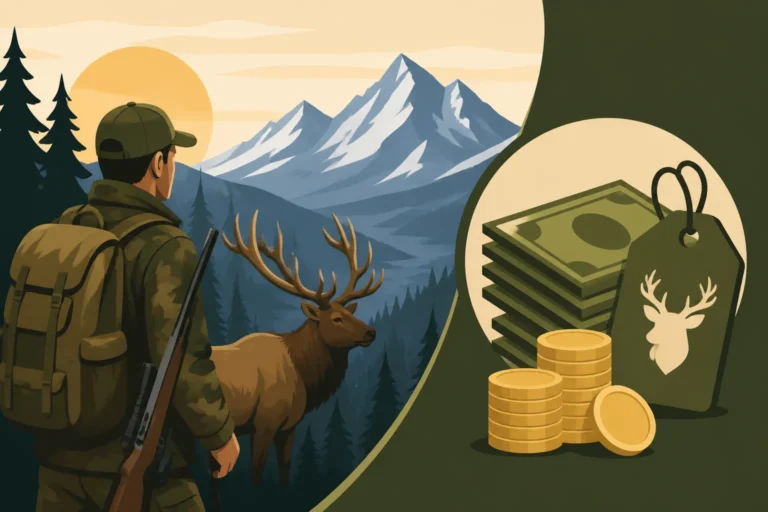
Let's be realistic: getting to a remote camp isn't cheap, and the specialized transport often represents a significant portion of your overall hunt cost. Air charters, in particular, can be very expensive, as they involve specialized aircraft, experienced pilots, and often flying into challenging terrain. Jet boat trips also incur costs for fuel, boat maintenance, and skilled operators.
When budgeting for a hunt, don't just consider the "package price" or the cost of your British Columbia Hunting Licences and Fees and tags. Ask explicit questions about what's included in the transport. Is the air charter covered? What about the ATV rental? Are there additional fees for excess baggage? For independent hunters, factor in vehicle rental costs, fuel for hundreds of kilometers, ATV rental/maintenance, and any charter fees you arrange yourself.
A common oversight is failing to budget for potential delays. If weather grounds your plane for an extra two days, you might incur additional lodging, food, and even charter rescheduling fees. Having an emergency fund or robust travel insurance can be a real lifesaver here. Think of these "last mile" transport costs as an investment in accessing unpressured hunting grounds and experiencing truly wild British Columbia.
Essential Gear and Safety for Remote Travel
When heading into British Columbia's remote backcountry, your packing strategy and safety protocols become paramount. It's not just about what you bring, but how you prepare for the unexpected.
Packing for Multi-Leg Journeys
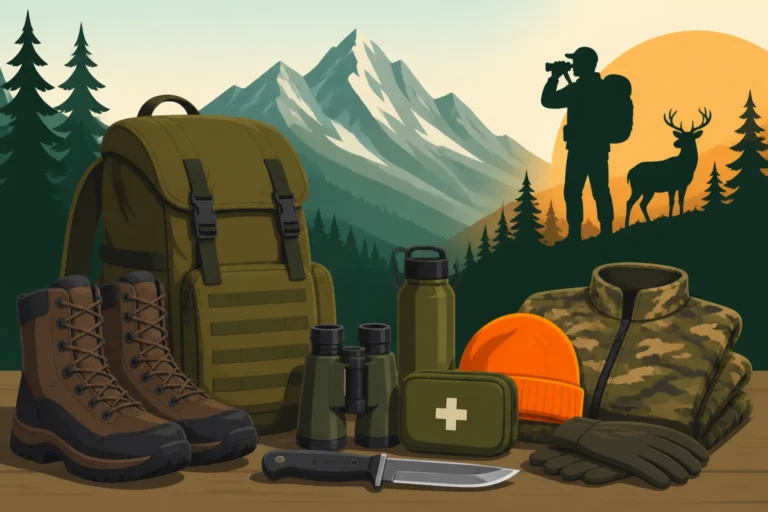
Packing for a hunt that involves multiple modes of transport requires a strategic approach. Forget rigid suitcases; soft-sided duffel bags are your best friend. They're more versatile for cramming into tight spaces on planes, boats, or horse panniers, and they can be compressed if needed. Always consider weight limits, especially for air charters, which can be as low as 50 pounds per person. This often means carefully selecting every item and leaving non-essentials behind.
Think in layers for clothing, as British Columbia weather can change dramatically, from hot sun to driving rain to freezing temperatures, even within the same day or at different elevations. What to Bring on a British Columbia Guided Hunt is an excellent resource for detailed packing lists. Waterproof outer layers are crucial, regardless of the season, and consider waterproof bags for electronics, sleeping bags, and other sensitive gear, especially if jet boat travel is involved. Your rifle should be in a sturdy, protective case, capable of withstanding rough handling. Remember to secure your optics and other fragile items within your carry-on or well-padded luggage.
Communication in the Backcountry
In remote British Columbia, cell service is virtually non-existent once you leave populated areas. Relying on your phone is a recipe for disaster. This makes satellite communication devices absolutely essential for safety and peace of mind.
Common options include satellite phones and satellite messengers like Garmin InReach or Spot devices. Satellite phones allow for two-way voice communication, which is invaluable in an emergency. Satellite messengers provide two-way text communication, GPS tracking, and an SOS function to alert emergency services. These devices are not cheap, nor are their subscription plans, but they are a non-negotiable piece of gear for anyone venturing into truly remote areas. Satellite Communication on a Remote Hunt explains the nuances of these devices in depth.
Ensure your device is fully charged, has fresh batteries, and that you understand how to use it before you leave. Practice sending messages, checking weather, and activating the SOS feature. Share your travel plans and device tracking link with a trusted contact who can monitor your progress and initiate a response if you miss a check-in.
Emergency Protocols for Remote Access
No matter how well you plan, things can go wrong in the backcountry. Vehicles break down, weather turns hostile, or accidents happen. Having a clear emergency protocol is vital.
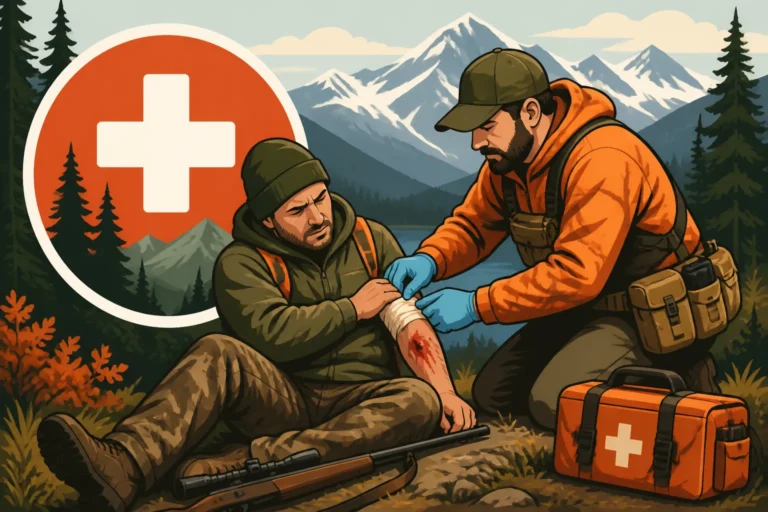
Your outfitter will have their own robust safety plans, which they should communicate to you. This includes first aid capabilities, evacuation procedures, and how they will communicate with the outside world. For independent hunters, you are your own first responder. Carry a comprehensive first-aid kit and know how to use it. Have a reliable way to start a fire for warmth and signaling. Always carry extra food, water, and emergency shelter.
Perhaps most importantly, share a detailed trip plan with someone outside your hunting party, including your exact route, expected timelines, and all contact information. This plan should outline when you expect to check in and what actions they should take if you don't. Understand that help in remote British Columbia can be days, not hours, away. Being prepared for self-rescue or to hunker down and wait for assistance is a mindset every remote hunter must adopt. Emergency Planning in British Columbia's Backcountry is an invaluable read for this aspect of preparation. Always carry bear spray and know how to use it, as you'll be in prime grizzly and black bear country.
Disclaimer
This article is for general informational purposes only and does not constitute professional advice. Laws, prices and regulations vary by location and change over time. Consult a qualified professional for guidance on your specific situation.