Asking a British Columbia Outfitter for References
Booking a guided hunt in British Columbia is a significant investment, both financially and in terms of your time and dreams. Many hunters find themselves overwhelmed by the sheer number of outfitters out there, all promising incredible experiences, and it's hard to know who to trust. This guide will walk you through the absolutely essential process of asking for and thoroughly vetting an outfitter's references, helping you make an informed decision and safeguard your hunting adventure.
Why Asking for Outfitter References is Non-Negotiable
When you're looking at spending hard-earned money and precious vacation time on a British Columbia hunting trip, the stakes are high. You're not just buying a product; you're investing in an experience, a memory, and hopefully, a successful hunt. Relying solely on glossy brochures or an outfitter's website can lead to disappointment, which is why a deep dive into their references is your most powerful tool.
Cutting Through the Marketing Hype
Every outfitter's website looks fantastic. They all have professional photos of happy hunters with huge animals, glowing testimonials, and promises of "unforgettable experiences." And let's be honest, that's what we want to see! We want to believe that the dream hunt we've been saving for is just a click away. However, these marketing materials are designed to sell. They highlight the best of the best, and sometimes, they can gloss over the realities. This isn't to say outfitters are intentionally deceptive, but their job is to present their operation in the most favourable light. Your job, as the savvy hunter, is to find the authentic picture behind the polished veneer. A reference isn't beholden to the outfitter; they are telling you their personal experience, good or bad.
The Investment and Your Expectations
Consider the financial commitment for a British Columbia hunt. We're talking about figures that can range from a few thousand for a bear hunt to tens of thousands for a sheep or moose hunt. Beyond the money, there's the time off work, the travel expenses, the gear you've accumulated, and the physical training you've put in. If you arrive at camp only to find subpar accommodations, a disorganized guide, or an area that doesn't live up to expectations, it's not just a wasted trip; it's a crushing blow to all that effort and anticipation. Your expectations, fuelled by those enticing photos, need to be grounded in reality, and references are the best way to get that reality check. You might even want to consult a general guide like Choosing the Right British Columbia Outfitter to frame your initial search.
Understanding True Success Rates
Outfitters often publish "success rates" on their websites. While these numbers can be a starting point, they rarely tell the whole story. What constitutes "success"? Is it harvesting an animal, even a small one, or is it merely seeing an animal? Is it getting a shot opportunity? Does it include hunters who pulled out early due to injury or changed plans? Sometimes, a high success rate can mean hunters are pressured to shoot the first legal animal they see, rather than waiting for the quality they truly desire. Talking to references allows you to ask what their definition of success was, whether they felt pressured, and if the outfitter's reported success rate aligns with their personal experience. It's about gathering nuanced information, not just a raw percentage.
How to Approach the Reference Request
Getting solid references isn't always as simple as asking for a list. There's a right way and a wrong way to go about it, and understanding the dynamics can significantly impact the quality of information you receive.
When and How to Ask
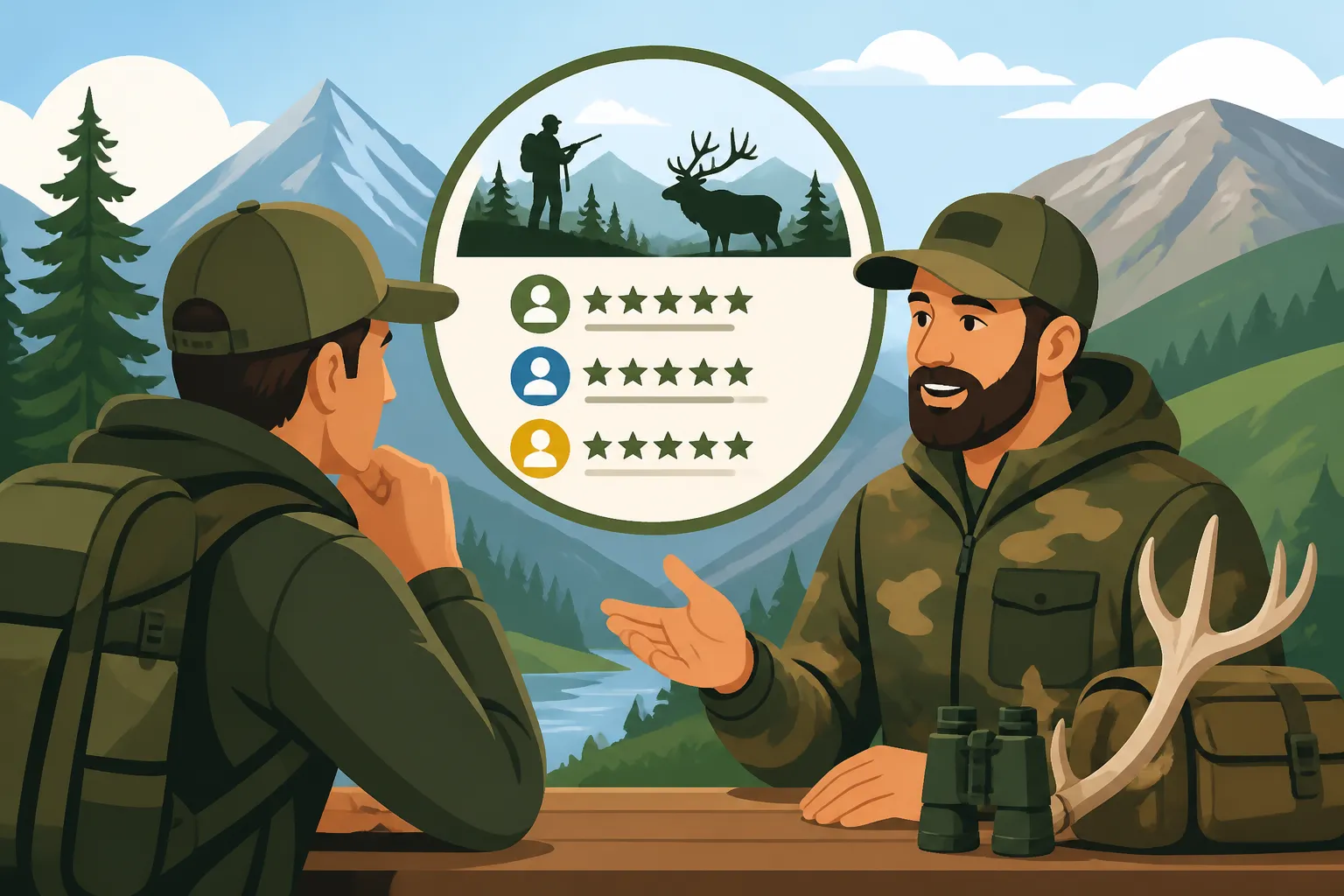
The best time to ask for references is after you've had an initial conversation with the outfitter, perhaps a phone call or a detailed email exchange, and you feel a genuine connection. Don't lead with it in your very first inquiry; show them you're serious and interested in their operation first. When you do ask, be specific. Request a minimum of three to five references, and crucially, ask for references from hunters who have hunted the same species you intend to hunt, and ideally, in the same general time of year (e.g., fall moose hunt references for a fall moose hunt). It's also incredibly helpful to ask for both recent references (within the last year or two) and a reference from a few years back. This helps you gauge consistency and longevity of quality. If they only offer up glowing testimonials from a decade ago, that's a red flag.
When an outfitter provides references, they typically give you contact information for hunters who have had positive experiences. This is completely understandable from their perspective, but it means you're getting a curated list. If you really want to dig deep, consider asking the outfitter if they would be willing to provide references of hunters who didn't harvest an animal, but still had a good overall experience. This can tell you a lot about their client care and how they handle challenges. While platforms like BookYourHunt can provide initial reviews and information, direct conversations with references are far more detailed.
What to Expect from the Outfitter
A reputable British Columbia outfitter will have no problem providing references. They understand it's part of the due diligence process and they should be proud of the experiences they provide. If an outfitter hesitates, or only offers up a single reference, or worse, tells you they "don't give out client information" (after you've clearly stated you're serious about booking), consider that a major warning sign. This lack of transparency is rarely a good omen.
Sometimes, an outfitter might provide a list and let you know that the references are busy and it might take a few days to connect. This is perfectly normal. They might also inform their references that you'll be calling, which is good practice. Just ensure you're getting actual contact information (phone numbers are best, email secondary) that allows you to have a real conversation, not just a forwarded email chain. Remember, this is a business transaction, and you're doing your homework, just as you would with any other significant purchase.
The Difference Between Provided and Independent References
As mentioned, the references an outfitter provides are hand-picked. They're likely their happiest customers. While these are valuable, it's also worth trying to find independent references. How do you do that? One way is through online hunting forums and communities. Search for the outfitter's name and see what past clients are saying. Be cautious with these, as online reviews can be biased, but they can sometimes reveal patterns or provide names of other hunters you might be able to contact independently.
Another approach is to ask the outfitter's provided references if they know anyone else who hunted with the outfitter. Sometimes a hunter on the outfitter's list might connect you with someone else who had a different experience, either good or bad. This isn't always possible, but it's worth a try. Resources like GoHunt might offer additional insights through their community forums or articles on vetting outfitters. The goal is to triangulate information, getting as many perspectives as possible to build a comprehensive picture.
Critical Questions to Ask an Outfitter's Reference
Once you have a reference on the phone, don't just chat idly. Have a prepared list of questions. Be respectful of their time, but be thorough. This isn't a casual conversation; it's an interview for a critical role in your dream hunt.
Getting Down to the Nitty-Gritty Details
Start by confirming the basics: when did they hunt, what species, and what was their overall impression? Then, dive deeper.
-
"Could you describe the terrain and the physical demands of the hunt? Was it what you expected?"
- This is huge, especially in British Columbia where the landscape can vary dramatically from coastal rainforests to rugged mountains or dense interior timber. An outfitter might advertise a "mountain moose hunt," but what does that really mean? Does it mean glassing from a truck on logging roads, or does it mean a grueling backpack hunt into the alpine? A reference can give you an unvarnished account of the physical effort involved, the type of country you'll be covering, and whether it aligns with your fitness level and expectations. They can tell you if it was mostly Hunting British Columbia's Logging Road Network or a genuine backcountry trek requiring Packing Out of British Columbia's Steep Country.
-
"What was the typical hunting day like? How many hours did you spend actively hunting, and what methods were primarily used?"
- Some outfitters have a very structured daily routine, others are more flexible. You want to know if you'll be spending eight hours a day in the field, or if camp life and long lunches take up a good portion of the day. Were they glassing for hours, still-hunting through timber, or did they rely heavily on calling? If you're hoping for a spot-and-stalk experience and they spent all day sitting in a blind, that's a mismatch. This also helps you understand the guide's approach.
-
"Did you feel the outfitter and guides were knowledgeable about the area and the animals?"
- This is paramount. You're paying for expertise. Did the guides know where the animals typically moved, their feeding habits, and how to react to different situations? Did they demonstrate good animal identification skills, especially for species with antler point restrictions or specific trophy requirements like Judging a Full-Curl Ram in the Field? A good guide adapts to conditions, a less experienced one might stick to a plan even when it's clearly not working.
-
"How many other hunters were in camp during your trip, and what was the hunter-to-guide ratio?"
- This impacts the personalized attention you receive. If there are too many hunters for too few guides, you might feel rushed or neglected. A 1:1 guide ratio often means more dedicated effort, while 2:1 or even 3:1 can mean less focused attention on your specific hunt.
Assessing the Guide's Performance and Professionalism
The relationship with your guide is arguably the most critical factor in a guided hunt. They are your eyes, ears, and often your companion for days on end.
-
"How would you describe your guide's personality and professionalism? Were they patient, encouraging, and easy to communicate with?"
- You're going to be spending a lot of time with this person, often in challenging conditions. Personality clashes can ruin a hunt. Did the guide listen to your preferences? Were they positive and motivated, even when conditions were tough? Did they handle frustrations well? You want someone you can trust and enjoy being around.
-
"Did your guide appear physically fit and mentally sharp for the demands of the hunt?"
- In British Columbia's rugged terrain, especially on mountain hunts like Backpacking Into British Columbia Sheep Country or Hunting Mountain Goat on British Columbia Rock, your guide's physical capability is crucial for safety and success. You need a guide who can keep up, make good decisions under pressure, and safely navigate the backcountry. This includes being prepared for things like Bear Safety While Hunting in British Columbia.
-
"How did the guide handle unexpected challenges, such as bad weather, equipment issues, or slow hunting conditions?"
- Things will go wrong on a hunt. Weather in British Columbia, especially in the mountains or on the coast, can change in an instant. A good guide can adapt, stay positive, and pivot plans. A poor guide might get discouraged, blame external factors, or become less engaged. This question reveals their problem-solving skills and resilience.
-
"Were there any safety concerns during your hunt? How proactive was the guide regarding safety protocols?"
- Safety should always be the top priority. Did they ensure safe firearm handling? Were they cautious in treacherous terrain? Did they have an emergency plan in place? Emergency Planning in British Columbia's Backcountry is vital, and your guide should be proficient in it.
Camp Life, Logistics, and Overall Experience
The hunt doesn't end when you leave the field. Camp life, food, and post-harvest logistics are all part of the overall experience.
-
"What were the accommodations like? Were they clean, comfortable, and as described?"
- Whether it's a remote tent camp, a cabin, or a lodge, comfort levels can drastically impact your ability to recover and perform each day. You want to know if the sleeping arrangements were adequate, if there was sufficient heat, and if general hygiene standards were met.
-
"How was the food in camp? Was it plentiful and enjoyable?"
- This might seem minor, but after a long, cold day in the field, a hot, hearty meal can make all the difference. Was there enough food? Was it tasty? Did they accommodate any dietary restrictions you might have had?
-
"How did the outfitter handle the care of the meat and trophy after the animal was harvested?"
- This is critically important. Improper meat care can spoil your harvest, and poor trophy care can damage a valuable cape or set of antlers. Ask about their process for Keeping Meat Cool in an Early Season, Quartering a Moose in Grizzly Country, Skinning and Caring for a Bear Hide, or Getting Meat Out of Steep British Columbia Country. Were they efficient? Did they follow all legal requirements for evidence of sex?
-
"Would you hunt with this outfitter again, and would you recommend them to a close friend or family member?"
- This is the ultimate litmus test. A simple "yes" or "no" followed by their reasoning can be more insightful than pages of detailed answers. If they hesitate or qualify their answer extensively, that tells you something.
Here's a quick table to help organize your thoughts when talking to references:
| Category | Key Questions to Ask | What You're Looking For | Potential Red Flags |
|---|---|---|---|
| The Hunt | – Terrain & physical demands? | – Realistic description, matching your expectations & fitness. | – Vague answers, minimizing difficulty. |
| – Typical hunting day & methods? | – Clear routine, methods matching your preference (e.g., glassing vs. calling). | – Unstructured days, methods you don't enjoy. | |
| – Guide knowledge of area/animals? | – Demonstrated expertise, adaptability, good animal ID. | – Guide seemed lost, poor judgment, lack of adaptation. | |
| – # of hunters/guide ratio? | – Personal attention, not feeling rushed. | – Overcrowded camp, feeling like "just another number." | |
| The Guide | – Guide's personality/professionalism? | – Patient, encouraging, good communicator, positive attitude. | – Impatient, negative, poor communication, personality clashes. |
| – Guide's fitness & mental sharpness? | – Physically capable, sound decision-making, safety-conscious. | – Guide seemed tired, made questionable decisions, lacked safety focus. | |
| – Handling of challenges? | – Adaptable, resilient, positive problem-solver. | – Blaming, getting discouraged, poor solutions. | |
| – Any safety concerns? | – Proactive safety protocols, feeling secure. | – Reckless behavior, ignoring safety. | |
| Camp & Post-Hunt | – Accommodations? | – Clean, comfortable, as advertised. | – Unclean, uncomfortable, not as expected. |
| – Food? | – Plentiful, enjoyable, accommodating dietary needs. | – Insufficient, poor quality, no accommodation. | |
| – Meat/Trophy care? | – Proper handling, prompt, attention to detail, legal compliance. | – Hasty, careless, or unknowledgeable handling. | |
| – Would you recommend? | – Enthusiastic "yes" with clear reasons. | – Hesitation, extensive qualifications, or a clear "no." |
Beyond the References: Additional Due Diligence
Even after speaking with references, your job isn't quite done. A well-rounded approach to vetting an outfitter includes a few more steps to ensure you're making the best decision.
Red Flags to Watch For
While talking to references is invaluable, keep an ear open for some common red flags that might arise during your entire vetting process. If an outfitter is overly aggressive in their sales pitch, pressuring you to book immediately with a "limited time offer," that's a warning sign. Reputable outfitters are usually busy and don't need to hard-sell. Look out for inconsistencies between what the outfitter tells you, what their website says, and what the references confirm. Small discrepancies can happen, but major ones should make you pause. Be wary of any outfitter who avoids talking about their challenges or less successful hunts; every operation has them, and transparency is a good indicator of honesty. You can learn more about general warning signs by reading Red Flags in an Outfitter's Website.
Also, check their online presence beyond their website. Are there many negative reviews or complaints on independent forums? While you should take individual complaints with a grain of salt (some clients are simply hard to please), a consistent pattern of similar issues across multiple platforms is a strong indicator of problems.
Using Online Resources and Forums
Beyond just searching for the outfitter's name, leverage online hunting communities and forums. Sites like those associated with GoHunt or others can have dedicated sections where hunters discuss outfitters. You might find threads where people ask for recommendations or share experiences with specific operations. These can be goldmines for information, offering perspectives from hunters who aren't on a curated reference list. You might even find people willing to share their experiences via private message if you ask respectfully. Just be mindful that online discussions can sometimes be biased or based on hearsay, so always cross-reference information. Don't just rely on what you read on a booking site like BookYourHunt. Actively seek out independent testimonials.
Another good step is to check if the outfitter is a member of any professional guiding associations, like the Guide Outfitters Association of British Columbia (GOABC). While membership doesn't guarantee a perfect experience, it often indicates a commitment to professional standards and ethics. You can usually verify their status through the association's website. Also, confirm they are properly licensed. You might be interested in reading British Columbia Guide Outfitter Licensing Rules for more context.
Trusting Your Gut and Making the Final Decision
Ultimately, after all the research, phone calls, and cross-referencing, you have to trust your gut feeling. If something just doesn't feel right, even if you can't quite put your finger on it, it's probably worth listening to that intuition. This is a significant trip, and you want to go into it feeling confident and excited, not with a nagging sense of doubt. If you've talked to references, checked online, and the outfitter has been transparent and responsive, then you've done your due diligence.
Take all the information you've gathered, compare the pros and cons, and make a decision that feels right for you. Remember, no hunt is ever truly guaranteed, but thorough preparation in vetting your outfitter significantly increases your chances of a safe, enjoyable, and successful British Columbia adventure.
Disclaimer
This article is for general informational purposes only and does not constitute professional advice. Laws, prices and regulations vary by location and change over time. Consult a qualified professional for guidance on your specific situation.