Fly-In Hunts and What They Add
There's a common frustration many hunters in British Columbia face: you pour over maps, scout online, and dream of those remote, unpressured hunting grounds, only to realize that every accessible road and trail seems to lead to areas that have seen countless boots and tires. It can feel like all the truly wild spots are just out of reach, forcing you to contend with areas where game is skittish and trophy potential is limited. This guide is all about opening up those seemingly inaccessible territories by exploring fly-in hunts and the incredible advantages they add to your British Columbia hunting experience.
The Allure of British Columbia's Remote Backcountry for Hunters
British Columbia is a vast province, truly immense, and most of it is wild, rugged, and untamed. It's a land of towering mountains, dense forests, winding rivers, and countless pristine lakes. For many hunters, the ultimate dream isn't just to harvest an animal, but to do so in a place where human impact is minimal, where the game has lived a truly wild existence, and where the solitude of the wilderness is a core part of the adventure.
Why Road Access Limits Opportunities
Let's be honest, for the vast majority of us, our hunting experiences are dictated by roads. If you can drive to it, or at least drive close and hike a few kilometers, it's going to see pressure. This means that opening weekend, those prime spots along the main forest service roads or popular branch lines are crawling with trucks and ATVs. Even if you get a few kilometers off the road, you're likely still sharing the woods with others who had the same idea.
This constant pressure changes animal behavior. Bucks and bulls become nocturnal, moving primarily under the cover of darkness. They learn to associate vehicle noise with danger and quickly vanish into thick timber or inaccessible draws. Finding mature animals in these easily accessible zones becomes a game of luck and often, a lot of frustration. Adding to this challenge is the ongoing deactivation of many logging roads, which, while beneficial for wildlife in some ways, further shrinks the accessible hunting footprint for the average hunter, pushing even more pressure onto the remaining open routes. We're all looking for that escape, that feeling of truly being out there, and conventional road access often just doesn't cut it.
The Promise of Untouched Territory
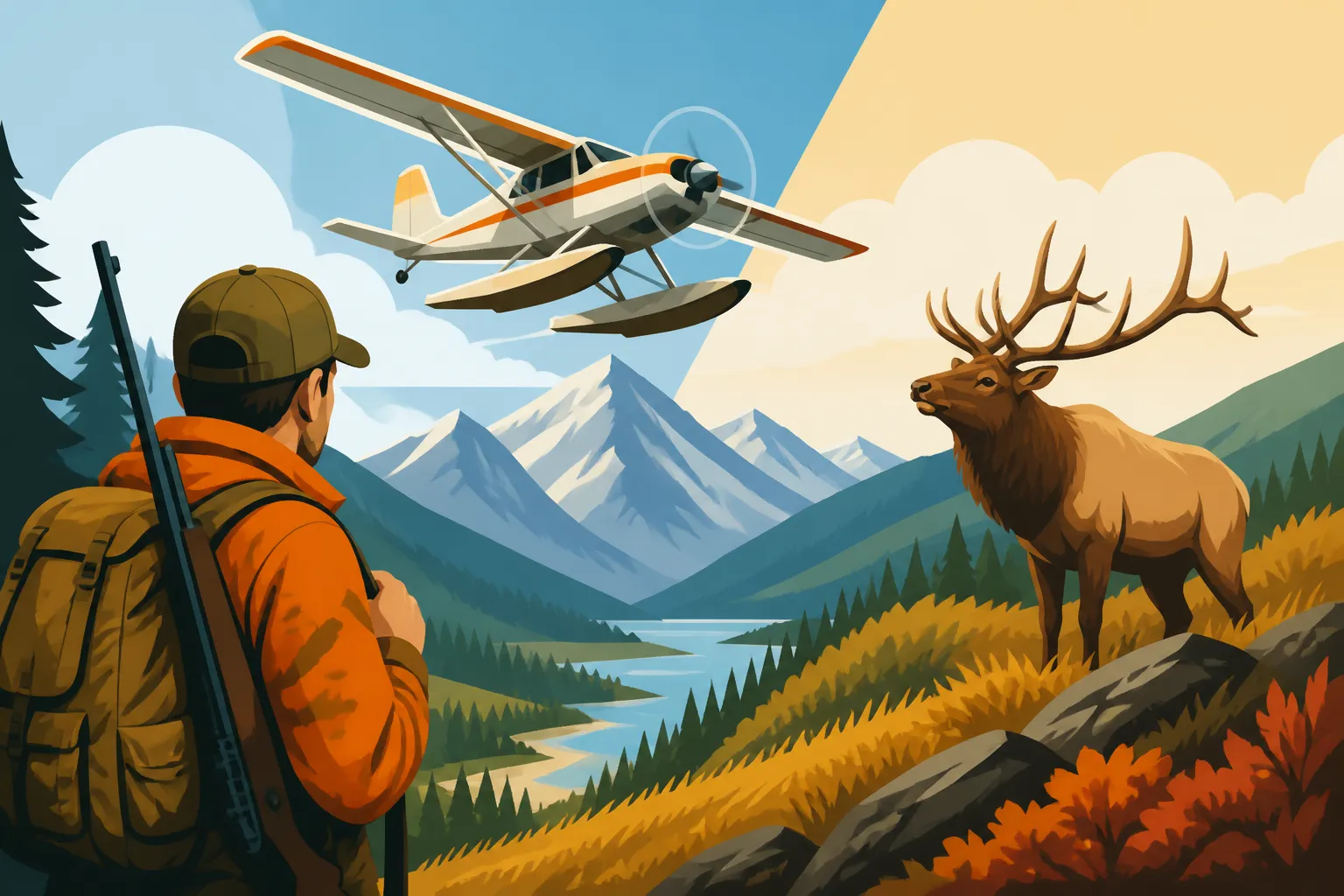
Imagine stepping out of a floatplane onto a pristine lake shore, miles from the nearest road, surrounded by peaks that have seen few human footsteps. That's the promise of British Columbia's remote backcountry. These areas, often deep within various British Columbia's Management Units and Regions that are otherwise tough to reach, offer truly untouched territory. Here, wildlife thrives with less disturbance, often growing older and larger, leading to the potential for truly magnificent trophies.
The sheer scale of the wilderness means that game animals like Moose Hunting British Columbia's Interior, huge black bears, and elusive Sheep and Goat Hunting in British Columbia can live out their lives with minimal human interference. You're not just hunting for an animal; you're immersing yourself in an ecosystem where nature still holds the upper hand. The quiet is profound, the views are breathtaking, and every rustle in the bush feels more authentic because you know you're in a place rarely disturbed. It's about disconnecting from the everyday and reconnecting with the wild heart of British Columbia.
What Fly-In Hunts Fundamentally Change
So, how do you bridge that gap between the accessible, pressured areas and the remote, untouched wilderness? For many, the answer lies in a fly-in hunt. This method isn't just a different way to travel; it's a paradigm shift in how you experience hunting in British Columbia.
Unlocking Exclusive Hunting Grounds
The most significant advantage of a fly-in hunt is its ability to bypass all the barriers that keep most hunters out. Instead of driving for days on rough roads or packing in on horseback for a week, a fixed-wing aircraft or helicopter can drop you right into the heart of prime hunting habitat in a matter of hours. Think about it: a floatplane can land on a remote mountain lake, or a bush plane on a rudimentary gravel strip, or even a helicopter can put you on an alpine ridge. This effectively unlocks areas that are, for all practical purposes, exclusive hunting grounds.
Outfitters often hold specific British Columbia's Guide Outfitter Territories in these remote regions, and they know these areas intimately. They've spent years scouting, understanding animal patterns, and establishing camps in strategic locations. You're not just flying into a random spot; you're being placed into a carefully chosen zone with proven potential, often yielding animals that have never seen a human hunter. This direct access drastically increases your chances of encountering mature game, as these animals haven't been pushed or educated by constant pressure.
Efficiency and Time Savings in Remote Travel
Time is a precious commodity for most hunters. Taking weeks off work or away from family to tackle a deep backcountry hunt by conventional means isn't always feasible. This is where fly-in hunts truly shine. What might take days of grueling Horseback Hunting British Columbia's Backcountry or relentless hiking with heavy packs can be accomplished in a mere fraction of the time when you fly.
Imagine this scenario: Instead of driving 12 hours, then spending another 2-3 days packing into your desired location, you can fly into a regional hub, meet your outfitter, and be in a remote spike camp within a few hours of leaving civilization. This efficiency means you maximize your actual hunting days. Every minute saved in travel is a minute gained in glassing ridges, still-hunting timber, or calling for that bull moose. While the initial journey can still be long, the time spent in the truly remote leg of the journey is dramatically reduced, allowing you to make the most of your valuable hunting window. This streamlined logistics can be a game-changer for fitting a world-class hunt into a busy schedule.
The Role of a Guide or Outfitter
For non-resident hunters in British Columbia, hiring a licensed guide outfitter is a legal requirement for most big game species. But even for residents, working with a reputable outfitter for a fly-in hunt offers immense value. These professionals are the backbone of remote hunting operations. They are experts in the specific regions they operate in, understanding the terrain, the wildlife, and the unique challenges of backcountry travel.
An outfitter handles virtually all the complex logistics that make a fly-in hunt possible. This includes coordinating the aircraft charters, setting up a comfortable and safe camp, managing all necessary permits and licenses, and, most importantly, putting you on game. They bring their deep knowledge of animal behavior, tracking skills, and years of experience to the table, significantly increasing your chances of success. Furthermore, they are intimately familiar with the regulations and compulsory reporting requirements, ensuring your hunt is fully compliant.
Finding the right outfitter is crucial. Platforms like BookYourHunt or GoHunt can be excellent resources for researching and connecting with guide outfitters who specialize in fly-in experiences in British Columbia. They often list detailed information about packages, available species, and territory access. When you're considering Booking a British Columbia Moose Hunt or any other species, an outfitter experienced in fly-ins will be able to tell you exactly what kind of aircraft they use and what kind of camp you can expect. They're not just guides; they're your gateway to truly wild British Columbia.
The Logistical Layers of a British Columbia Fly-In Hunt
While the idea of flying into the wilderness sounds exhilarating, it's important to understand the significant logistical planning involved. This isn't just about hopping on a commercial flight; it's about navigating the unique requirements of bush aviation and remote backcountry living.
Aircraft Types and Capabilities
The type of aircraft used for your fly-in hunt will largely depend on the terrain you're accessing and the outfitter's operational setup.
- Floatplanes: Iconic in the Canadian wilderness, aircraft like the De Havilland Beaver or Otter, equipped with floats, are common for accessing lakes and larger rivers. These planes are robust workhorses, capable of carrying substantial payloads of hunters, gear, and eventually, meat. If your hunt involves a camp on a remote lake, chances are you'll be flying in on a floatplane. The experience of taking off and landing on water is a true highlight in itself.
- Wheeled Bush Planes: For areas with small, unimproved airstrips or gravel bars, wheeled bush planes might be used. These can access locations where water landings aren't an option, often putting you closer to specific alpine zones or interior plateaus.
- Helicopters: While less common for the initial drop-off due to higher costs, helicopters offer unparalleled flexibility. They can land on virtually any flat spot large enough, whether it's an alpine bench for a mountain goat hunt or a small clearing in dense timber. Helicopters are sometimes used for very specific high-country drops or for more complex retrievals, especially when dealing with challenging terrain or wounded animals.
Regardless of the aircraft, payload limits are a critical consideration. Bush planes have strict weight restrictions, meaning you'll need to pack light and efficiently. Your outfitter will provide clear guidelines on gear weight, as every pound counts, especially when you factor in fuel, supplies, and the eventual weight of game meat.
Camp Setup and Supplies in the Backcountry
Once the plane drops you off, you're truly in the wild, and your camp becomes your sanctuary. Outfitters operating fly-in hunts typically have two main types of camp setups:
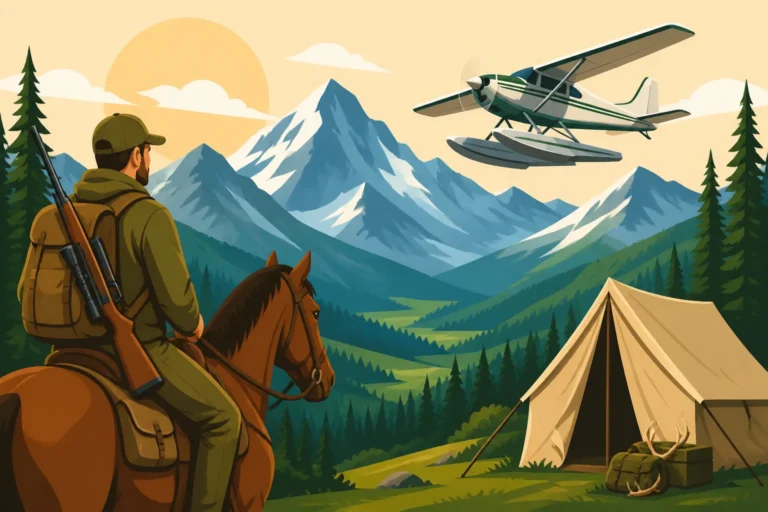
- Spike Camps: These are lightweight, mobile camps designed for flexibility. Often consisting of durable canvas tents, sleeping bags, and basic cooking gear, they can be set up quickly and moved if needed. Spike camps allow hunters to pursue game deep into specific areas and are common for hunts requiring extensive hiking and relocation, such as sheep or goat hunts. They prioritize mobility and minimal impact, providing essential shelter without unnecessary frills.
- Permanent or Semi-Permanent Cabin Camps: Some outfitters have established cabin camps on remote lakes or airstrips within their territories. These offer a bit more comfort, often with wood stoves, designated cooking areas, and more robust shelter. They serve as a base of operations, from which daily hunts are launched, often returning to the warmth and relative luxury of the cabin each evening.
Regardless of the camp type, all supplies, from food and water filtration systems to first-aid kits and communication devices, must be flown in. Your outfitter will manage this, but it reinforces the need for meticulous planning and robust, reliable gear. Remember, you can't just run to the store for a forgotten item when you're 100 miles from the nearest road. Satellite Communication on a Remote Hunt is non-negotiable for safety and staying in touch with the outside world, even if just for check-ins.
Meat Care and Extraction Challenges
This is perhaps one of the most critical and often underestimated aspects of a remote fly-in hunt. You've successfully harvested an animal – fantastic! Now the real work begins. Getting that meat from the kill site back to civilization, maintaining its quality, and adhering to regulations requires significant effort and planning.
- Field Dressing and Quartering: In the backcountry, especially with large game like moose or elk, proper and immediate field dressing is paramount. Animals must be quickly skinned, gutted, and quartered to facilitate cooling. If you're in a warm early season, Meat Care in British Columbia's Warm Early Seasons becomes even more critical. Every moment counts to prevent spoilage. You'll need sharp knives, game bags, and a systematic approach.
- Cooling and Protection: Once quartered, meat needs to cool down rapidly. This usually involves hanging it in game bags in a shady, breezy spot, away from scavengers. Outfitters often have creative ways to achieve this, from improvised meat poles to specific cooling tents. Protecting it from insects and bears is also a constant concern.
- Packing to the Pickup Point: This is where the physical demanding nature of fly-in hunting becomes evident. Even if you flew into a remote lake, the animal might be harvested miles away, up a steep mountain or across challenging terrain. Packing out heavy quarters, often 50-100+ pounds each, plus the cape and skull, can be grueling. It often requires multiple trips or dedicated pack animals (if available) or even a second, smaller plane or helicopter trip. This stage is why many hunters consider Why Goat Hunting Is the Hardest Pack Out – a goat taken high on a mountain requires an epic effort to get out.
- Air Transport Logistics: The outfitter coordinates the retrieval flight. This might mean the floatplane comes back for a dedicated meat pickup, or it's simply loaded onto your departure flight. Space and weight are still factors, so efficient packing of meat in sturdy game bags or coolers is essential. Understanding these challenges upfront, and having the physical conditioning to meet them, is crucial for a successful and ethical fly-in hunt.
Considerations and Added Value
Stepping into the world of fly-in hunts in British Columbia means embracing both unique challenges and unparalleled rewards. It’s an investment, not just of money, but of time, effort, and a commitment to a truly wild experience.
Increased Costs Versus Unique Experience
Let's address the elephant in the room: fly-in hunts are typically more expensive than road-accessible or even horseback hunts. The cost of chartering aircraft, maintaining remote camps, and employing expert guides adds a significant premium to the overall price tag. A What a British Columbia Guided Hunt Costs can vary wildly based on species, duration, and the remoteness of the territory.
However, it's essential to view this cost not just as an expense, but as an investment in a unique and often once-in-a-lifetime experience. What you are truly paying for is:
- Exclusivity: Access to areas that are virtually untouched by regular hunting pressure. This translates directly to higher chances of encountering mature, trophy-class animals, whether you're targeting British Columbia's Mountain Goat Numbers high in the alpine or a massive bull moose in a remote river system.
- Higher Success Rates: While no ethical outfitter can guarantee a kill, the reduced pressure and prime habitat in fly-in zones often lead to higher success rates on quality animals compared to heavily hunted areas.
- Unforgettable Wilderness Adventure: Beyond the harvest, the entire experience of flying into the untouched wilderness, living off the grid, and pursuing game in its natural environment is an adventure that few other forms of hunting can rival. It's a deep immersion into nature that stays with you long after you've left.
For many hunters, the added cost is justified by the sheer quality of the experience and the opportunity to hunt in true wilderness where the game hasn't been educated by human presence.
Enhanced Safety and Emergency Preparedness
While the word "remote" might conjure images of extreme danger, reputable guide outfitters operating fly-in hunts prioritize safety above all else. In many ways, a guided fly-in hunt can be safer than a solo backcountry trip, precisely because of the professional planning and resources involved.
- Experienced Guides: Your guides are seasoned backcountry professionals, often with years, if not decades, of experience in their specific territories. They know the terrain, the weather patterns, and how to handle unexpected situations.
- Communication Systems: As mentioned, Satellite Communication on a Remote Hunt is standard. This includes satellite phones, inReach devices, or other two-way communicators that allow constant contact with the outside world. This is invaluable for routine check-ins, weather updates, and, critically, for emergencies.
- Medical Preparedness: Guides are typically trained in wilderness first aid and carry comprehensive medical kits. In a serious emergency, the ability to rapidly communicate and potentially fly out an injured hunter is a significant safety advantage that a solo hunter might not have. Outfitters also have Emergency Planning in British Columbia's Backcountry protocols in place for various scenarios.
- Aircraft as Lifeline: The very aircraft that brought you in serves as a potential lifeline. In case of a major injury or illness, the ability to call for an immediate air extraction can be life-saving.
While you are indeed deep in the wilderness, you are not alone, and you are supported by a professional team with significant resources and experience in mitigating risks.
The Unforgettable British Columbia Wilderness Immersion
Beyond the tangible benefits of trophy potential and efficient access, the true added value of a fly-in hunt lies in the profound immersion into British Columbia's untamed wilderness. This isn't just a hunting trip; it's an expedition.
Imagine soaring over vast mountain ranges, watching ancient glaciers sparkle, and seeing winding rivers snake through pristine valleys from the air. The perspective alone is breathtaking, offering a scale of landscape that's hard to grasp from the ground. Then, being dropped into that wild expanse, where the silence is broken only by the wind and the calls of wildlife, provides a sense of solitude and connection to nature that is increasingly rare in our modern world.
It's the crisp alpine air as you stalk British Columbia's Wild Sheep and Where They Live, the smell of damp earth in a remote timber stand, the stunning sunrises and sunsets over a glassy mountain lake, and the feeling of complete self-reliance (supported by your guide, of course) that truly defines these hunts. You'll learn to read the landscape, understand the nuances of animal behavior in a truly wild setting, and push your own physical and mental limits. This deep dive into the wild creates memories that last a lifetime, far surpassing the thrill of the harvest itself. It's a chance to truly experience British Columbia as it was meant to be seen – wild, grand, and untamed.
Let's take a quick look at how fly-in hunts compare to other common access methods:
| Access Method | Typical Effort | Accessibility | Cost Implications | Hunting Pressure | Key Advantages |
|---|---|---|---|---|---|
| Road | Low-Moderate | High | Low-Moderate | High | Convenient, often DIY |
| Horseback | Moderate-High | Moderate | Moderate-High | Moderate | Covers ground, traditional |
| Fly-in | Moderate-High | Very High | High | Very Low | Untouched areas, time-efficient |
Fly-in hunts unlock a dimension of hunting in British Columbia that is simply unattainable through conventional means. They offer a rare opportunity to step into truly wild, unpressured territory, increasing your chances for a quality animal and, perhaps more importantly, providing an unparalleled wilderness experience. While they come with a higher price tag and unique logistical considerations, the rewards in terms of solitude, trophy potential, and sheer adventure are, for many, well worth the investment. Research your outfitter thoroughly, plan meticulously, and prepare for an unforgettable journey into British Columbia's vast and magnificent backcountry.
Disclaimer
This article is for general informational purposes only and does not constitute professional advice. Laws, prices and regulations vary by location and change over time. Consult a qualified professional for guidance on your specific situation.