What a British Columbia Sheep Hunt Costs
So, you've been dreaming about a British Columbia sheep hunt, picturing yourself high in the alpine, glassing those rugged slopes for a magnificent ram. It's a truly iconic hunt, the kind of adventure that becomes a lifetime memory. But then, the practical side of things often kicks in, and the big question looms: what is this incredible experience actually going to cost? This guide is here to break down the financial realities of a British Columbia sheep hunt, moving beyond just the advertised price to help you understand all the layers of expense involved in pursuing one of North America's most coveted trophies.
The Core Investment: Understanding the Base Price of a Guided Sheep Hunt
Let's be upfront: a British Columbia sheep hunt is not a budget trip. It represents a significant investment, often considered one of the pinnacle hunting experiences in North America, and its price reflects that exclusivity, the challenging terrain, and the specialized logistics involved. When you look at the base price quoted by British Columbia guide outfitters, you're looking at the fundamental cost to secure your spot and receive professional guidance in some of the wildest country imaginable.
What the Base Outfitter Package Typically Covers
Generally, the base price from a reputable British Columbia outfitter will include several key components. This almost always covers the services of your professional guide, who brings invaluable local knowledge, expertise in spotting and stalking, and crucial safety skills for the mountain environment. Accommodations are also typically included, whether that means a remote cabin, a wall tent camp, or a spike camp high in the alpine. Food, prepared in camp, is usually part of the deal too, ensuring you're well-fed for the demanding days ahead. Initial field preparation of your trophy—skinning, caping, and quartering the meat—is another standard inclusion. These services are the backbone of a successful hunt, providing the essential support you need in a remote setting.
However, it's vital to remember that "all-inclusive" rarely means absolutely everything. Always read the fine print of any outfitter's contract. Some might include a certain number of horse days if it's a horseback hunt, while others might charge extra beyond a base allowance. Different outfitters operate with varying levels of luxury and remoteness, which naturally impacts their pricing structure. A fly-in camp deep in the Northern Rockies will inherently have higher operational costs than a hunt accessible by truck and then a day or two of hiking.
Factors Influencing the Base Hunt Price
The sheer diversity of British Columbia's landscape and the different sheep species available mean that base prices for sheep hunts can vary considerably. The type of sheep you're pursuing is a major determinant. Why Stone's Sheep Hunts Cost So Much for example, are often among the most expensive due to their remote habitat in the northern parts of the province, requiring extensive logistical planning, bush plane charters, and longer expeditions into truly wild country. Mountain goats, while also mountain hunting, might have a different price point depending on accessibility and success rates.
The duration of the hunt also plays a critical role. A 10-day sheep hunt is going to cost significantly more than a shorter 7-day bear hunt, simply due to the extended guide services, food, and logistical support required. The remoteness of the hunting area is another huge factor; hunts requiring bush planes or extensive horseback travel will have higher base costs than those accessible via more established logging roads, even if the latter still involve significant backcountry effort. Finally, the outfitter's reputation and their historical success rates can influence pricing; highly sought-after outfitters with a track record of consistent success for quality rams often command premium prices. Many hunters begin their search on platforms like BookYourHunt or GoHunt to compare these variables and get an initial sense of the market.
Beyond the Sticker Price: Essential Additional Costs to Budget For
While the outfitter's base package forms the largest single expense, it's far from the only financial consideration. Many hunters are surprised by the accumulation of additional costs that can significantly add to the overall investment. Smart planning means budgeting for these necessities from the very beginning.
Mandatory Licenses, Tags, and Fees
Before you even step foot in British Columbia with your rifle, you'll need to purchase a series of licenses and tags. This is non-negotiable and adds up. First, there's the basic British Columbia hunting license, which every hunter, resident or non-resident, must acquire. On top of that, you'll need a specific species license for sheep. British Columbia's Species Licences and Tags explains this in more detail. There's also the Habitat Conservation Trust Fund surcharge, a small but important fee that goes towards wildlife conservation efforts in the province. Each of these has its own cost, and while they might seem small individually compared to the overall hunt, they are a mandatory part of the total bill. For non-resident aliens, additional paperwork and processing fees may also apply. Make sure you understand British Columbia Hunting Licences and Fees well in advance.
Navigating the application process can be complex, and securing a sheep tag often involves applying through the Limited Entry Hunting (LEH) draw system for residents or specific allocations for non-residents, often managed through your outfitter. While some outfitters have tags allocated to them, understanding how British Columbia's Limited Entry Hunting Draws work can give you insight into the broader system and how tags are distributed.
Travel, Accommodation, and Logistics
Getting to your outfitter's meeting point in British Columbia can be a journey in itself. If you're flying, you'll have airfare to consider, potentially with extra fees for checking firearms. Depending on your arrival time, you might need a night or two in a hotel before or after your hunt, either in a major hub like Vancouver or Prince George, or closer to the regional staging area. Lodging Before and After a Hunt can be an important part of your travel budget. Rental cars might be necessary to get from a regional airport to the outfitter's initial meeting point, especially if you're not utilizing their transfer service.
For many sheep hunts, particularly those in the most remote regions, a significant added cost can be charter flights. Outfitters often fly hunters into remote alpine lakes or airstrips far from road access, which dramatically increases the logistical challenges and, consequently, the price. These flights are often charged separately from the base hunt price, as they are highly dependent on weight, distance, and fuel costs at the time of your hunt. Always confirm with your outfitter whether air charter is included or an additional charge.
Gear Upgrades and Specialized Equipment
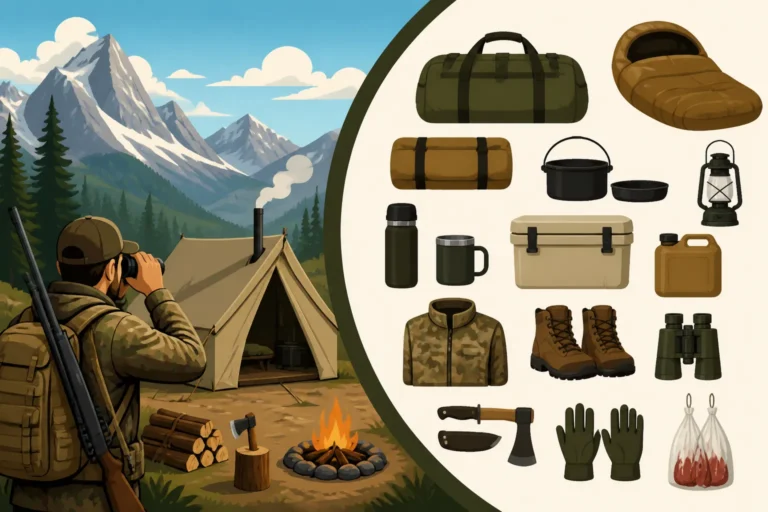
British Columbia sheep hunting demands specialized gear designed for rugged mountain environments. This isn't your average deer hunt in the lower forty. You'll need high-quality, lightweight, and durable equipment to withstand the punishing terrain and unpredictable weather of the high country. Think robust mountain boots, layered clothing systems for extreme temperature swings, a top-tier pack capable of handling heavy loads, and reliable optics. What to Bring on a British Columbia Guided Hunt is something you'll want to review carefully.
Investing in good optics, such as high-power binoculars, a spotting scope, and a rangefinder, is crucial for spotting sheep at long distances and making ethical shots. This equipment can represent a substantial upfront cost if you don't already own it. While some outfitters may have certain items available for rent or loan, relying on your own broken-in, familiar gear is always recommended. Don't underestimate the importance of quality gear for both comfort and safety in the backcountry.
Gratuities for Your Hardworking Crew
It's customary in the guiding industry to tip your guide and any support staff (cooks, wranglers, camp helpers) who contribute to your hunt. This is a significant additional cost that many hunters forget to factor in, and it's a vital part of showing appreciation for their incredibly hard work and dedication. How Much to Tip a British Columbia Guide is a common question, and expectations typically range from a percentage of the hunt cost to a daily rate, varying based on your satisfaction with the service.
A good guide will work tirelessly, often for long hours in challenging conditions, to put you on an animal and ensure your safety. Their expertise and effort are what make a sheep hunt possible. Budgeting for gratuities beforehand will ensure you're prepared to properly thank the team that helped make your dream a reality.
Trophy Care, Processing, and Shipping Home
Once you've harvested your ram, the work isn't over. Your outfitter will handle the initial field dressing, caping, and quartering. However, getting your trophy hide and skull cap (or full skull) ready for taxidermy, and your meat processed and shipped home, incurs further costs. You might need to pay for professional fleshing and salting of the hide, or potentially a freeze-drying service. Getting Meat Processed in British Columbia will involve local butchers if you intend to take meat home, and shipping can be complex and expensive, especially for frozen meat across borders.
For your trophy, you'll need to consider the cost of a taxidermist, either in British Columbia or back home. If you choose an out-of-province taxidermist, there will be fees for crating and shipping the cape and horns. Exporting a Trophy From British Columbia requires specific permits and adherence to regulations, especially for CITES-listed species like thinhorn sheep (Stone's and Dall's). These administrative and logistical steps, while necessary, can add hundreds, if not thousands, to your total expenditure.
Contingency Funds and Unexpected Expenses
No matter how meticulously you plan, things can happen in the backcountry. Weather delays might mean an extra night in a hotel or an additional day in camp if planes can't fly. Equipment failures could require emergency replacements. A flat tire on a remote forest service road might cost you unexpected repair fees. Having a contingency fund, perhaps 10-15% of your total estimated cost, set aside for these unforeseen circumstances is a wise move. It ensures that minor hiccups don't derail your entire trip or leave you in a financial bind in a remote location.
This table provides a generalized overview of what is typically included versus excluded in the base price of a British Columbia sheep hunt. Remember, specifics always vary by outfitter.
| Category | Typically Included by Outfitter | Typically Excluded (Additional Cost) |
|---|---|---|
| Guiding Services | Professional Guide Services | Extra Guide Days (beyond package) |
| Accommodation | In-camp Lodging (tent, cabin, spike camp) | Pre/Post-hunt Hotel Stays |
| Food & Drink | Meals and Non-Alcoholic Beverages in Camp | Alcoholic Beverages, Snacks for Travel |
| Transportation | Transport from Meeting Point to Main Camp | Airfare to BC, Rental Car, Charter Flights |
| Trophy Care | Field Dressing, Caping, Quartering | Professional Fleshing, Salting, Crating |
| Meat Care | Initial Field Quartering | Butchering, Processing, Shipping Meat |
| Licenses & Tags | (Rarely) Some outfits may assist with process | Hunting License, Species Tags, Surcharge |
| Personal Gear | Basic Camp Equipment (sleeping bag, etc.) | Personal hunting gear (optics, rifle, boots) |
| Other | Outfitter's Liability Insurance | Gratuities, Taxidermy, Export Permits, Travel Insurance, Contingency |
Maximizing Value and Planning Your British Columbia Sheep Hunt
Given the substantial investment, it's natural to want to ensure you're getting the best possible value and planning your hunt effectively. A successful sheep hunt isn't just about the money; it's about preparation, research, and setting realistic expectations.
Doing Your Homework on Outfitters
Thorough research into potential outfitters is paramount. Don't just look at the price tag; delve into their history, testimonials, and what previous clients say about their experience. Platforms like BookYourHunt and GoHunt can be starting points, but always go beyond. Ask for references and actually call them. Speak to hunters who have recently hunted with the outfitter you're considering. Asking a British Columbia Outfitter for References is a crucial step. Inquire about their success rates, but also ask about the quality of the experience, the guide's professionalism, and the logistics of the hunt.
An outfitter's contract should be clear and transparent about what is and isn't included in the price. Don't hesitate to ask specific questions about hidden fees, charter costs, or any other potential charges. Understanding Red Flags in an Outfitter's Website can help you steer clear of less reputable operations. Remember, you're not just paying for a chance at a ram; you're paying for an entire experience and the expertise to navigate British Columbia's challenging wilderness safely and effectively.
Timing and Booking Considerations
Sheep hunts, particularly for iconic species like Stone's sheep, are often booked years in advance. Booking a British Columbia Hunt Years Ahead is common practice due to limited tags and high demand. This long lead time gives you an advantage in planning your finances, allowing you to save diligently for all the various components of the trip. It also gives you ample time to physically prepare for what is arguably one of the most demanding hunts. Fitness for a British Columbia Sheep Hunt cannot be overstated; mental and physical conditioning are vital for success and enjoyment in the rugged mountains.
The timing of your hunt within the season can also sometimes influence the price or availability. Early season hunts might be slightly less expensive or easier to book, while prime rut periods might be more competitive. Discuss these nuances with your chosen outfitter to find a window that aligns with your budget and expectations.
Understanding Success Rates and Realistic Expectations
While you're making a significant investment, it's crucial to understand that no ethical outfitter can guarantee a kill. British Columbia's mountains are wild, and sheep are notoriously challenging animals to hunt. What an outfitter can promise is a dedicated effort, experienced guides, and access to prime hunting areas. Success Rates on British Columbia Sheep Hunts can be influenced by many factors, including weather, animal movements, and most importantly, your own physical condition and shooting proficiency.
Focus on the quality of the hunt and the experience itself, rather than solely on the outcome. While harvesting a ram is the goal, the journey, the breathtaking scenery, the challenge, and the camaraderie with your guide are often what make these hunts truly unforgettable. Be realistic about your own capabilities and the inherent difficulties of mountain hunting, and you'll find greater satisfaction regardless of whether you punch your tag.
Disclaimer
This article is for general informational purposes only and does not constitute professional advice. Laws, prices and regulations vary by location and change over time. Consult a qualified professional for guidance on your specific situation.