What a British Columbia Guided Moose Hunt Includes
The dream of hunting a colossal bull moose in the vast wilderness of British Columbia is one that calls to many, but for those not living here, navigating the ins and outs of a hunting trip can feel like trying to track a ghost in a blizzard. You're probably wondering, "What exactly am I signing up for when I book a guided moose hunt in BC?" This guide aims to clear up that confusion, giving you a detailed breakdown of what a typical guided moose hunting package includes, what you can expect, and what often isn't part of the core deal.
Understanding the Foundation: Why a Guide for Moose in BC?
For many hunters, particularly those from outside the province or country, the idea of a guided hunt isn't just a luxury; it's often a necessity. British Columbia's hunting regulations are designed to manage wildlife populations and ensure safety, and these rules have specific implications for non-residents wanting to pursue big game like moose. Beyond the legalities, there's a world of practical knowledge and access that only a seasoned local guide can provide.
The Non-Resident Requirement and Its Implications
If you're coming to British Columbia from another province or country, the rules are pretty clear: to hunt big game, you generally need the services of a licensed guide outfitter. This isn't just a suggestion; it's a legal requirement. This regulation is primarily in place to ensure ethical hunting practices, proper game management, and to help protect the province's wildlife resources. It also ensures that visiting hunters have experienced professionals to help them navigate unfamiliar terrain and regulations.
This requirement often presents the first hurdle for many aspiring BC moose hunters. It means you can't simply pack your bags, head to a promising area you saw online, and expect to hunt. You must engage with an outfitter who holds a valid guide licence and operates within an allocated guiding territory. While this might seem like an added expense, it provides a level of security and expertise that's invaluable. For those with close resident friends or family, there is an alternative: the Permit to Accompany Explained, which allows a resident to host a non-resident for a hunt under specific conditions. However, for most non-residents pursuing a true wilderness moose experience, an outfitter is the standard path.
Unlocking Prime Territories and Local Knowledge
One of the most significant advantages of a guided moose hunt in British Columbia is gaining access to prime hunting territories and benefiting from the guide's deep, intimate local knowledge. British Columbia is a vast province, and its moose populations, while healthy in many areas, are not uniformly distributed. Guide outfitters hold specific guiding territories, often encompassing thousands of square miles of Crown land, giving them exclusive commercial hunting rights within those boundaries. This means you'll be hunting areas specifically managed and scouted for moose, far from general open season pressure in more accessible spots.
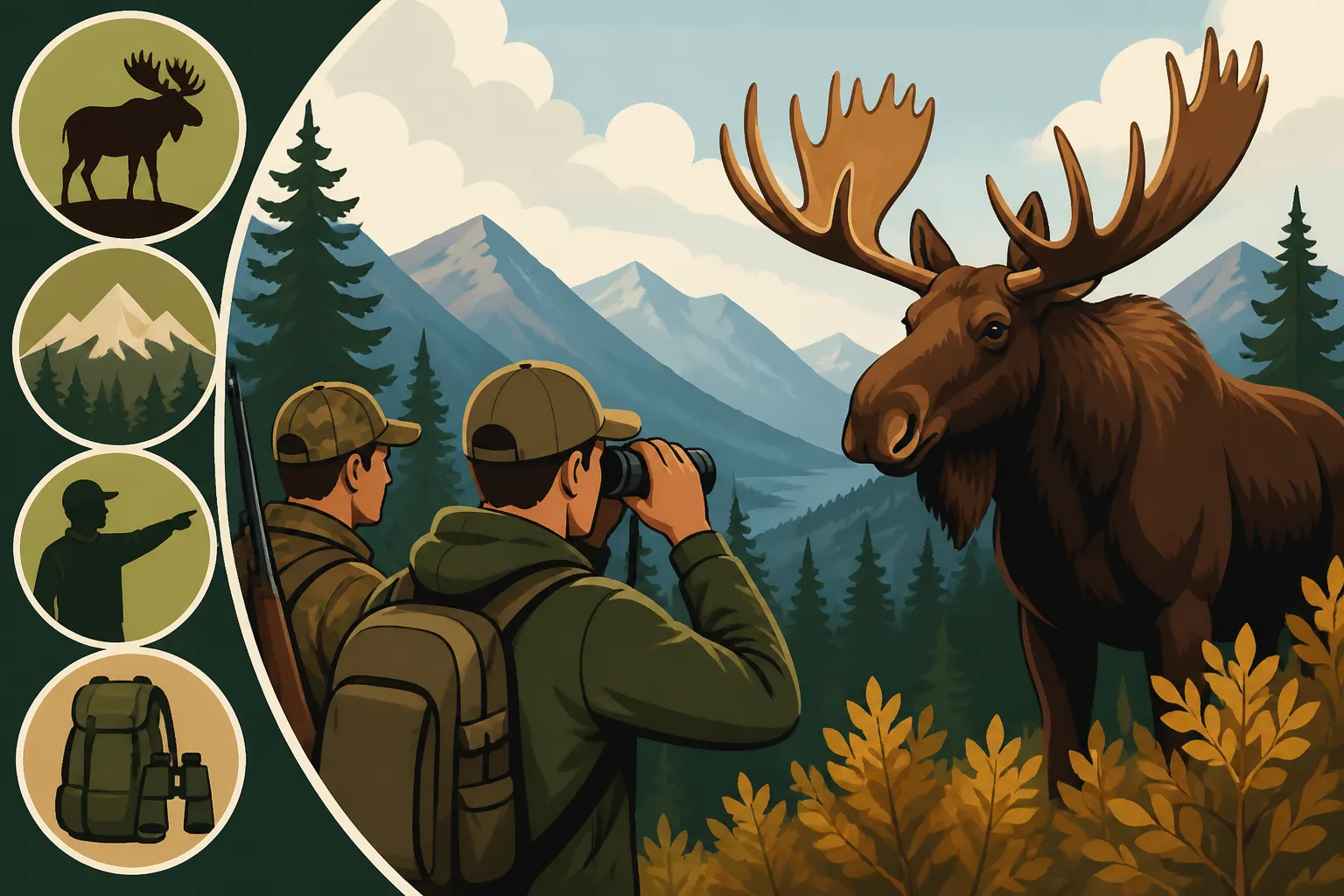
Guides spend countless hours, often year-round, scouting their territories. They understand the nuances of moose behaviour, migration patterns, and preferred habitats, whether it's the sprawling forests of the Interior or the remote northern reaches where Moose in British Columbia's Interior and North thrive. They know how to interpret sign, locate recent activity, and identify the best feeding and bedding areas. Furthermore, they are adept at navigating British Columbia's challenging terrain, from intricate logging road networks, which can be difficult to discern on a map, to remote backcountry areas. This local expertise, paired with exclusive access to vast territories, dramatically increases your chances of success and provides a truly authentic wilderness experience. They know precisely which spurs off the British Columbia's Forest Service Road Network are worth checking, and which drainages historically hold the biggest bulls.
The Core Components of a Guided Moose Hunt Package
When you commit to a guided moose hunt in British Columbia, you're not just buying a chance at a trophy; you're investing in an entire experience. From the initial planning stages to the daily grind of the hunt, outfitters provide a comprehensive service designed to maximize your opportunity and comfort in the backcountry. Understanding these core components will help you set realistic expectations for your adventure.
Pre-Hunt Preparation and Logistics
The preparation for your moose hunt begins long before you set foot in British Columbia. Most reputable outfitters will engage with you extensively in the months leading up to your trip. This typically involves a detailed booking process, often requiring deposits and signed agreements well in advance, sometimes even a year or more, especially for popular seasons. Once booked, your outfitter will handle critical initial logistics, such as ensuring your species licence and tags are in order and often assisting with any necessary provincial or federal paperwork. You'll need to secure your base hunting licence yourself, but they'll guide you through acquiring your specific moose tag.
Communication from your outfitter will include comprehensive gear lists, detailing everything from specialized hunting clothing suitable for BC's variable weather to optics, sleeping bags, and personal items. They'll likely emphasize the importance of physical conditioning, especially for hunts involving significant hiking in challenging terrain. Many moose hunts in British Columbia, particularly those targeting big bulls in remote areas, demand a good level of fitness. They'll give you a realistic picture of the demands of Moose Hunting British Columbia's Interior and what you need to do to prepare your body for it. This detailed pre-hunt dialogue is crucial for setting expectations and ensuring you arrive fully prepared for the specific type of hunt you've booked.
Accommodations and Camp Life
The type of accommodation and camp life you experience on a guided moose hunt can vary widely, largely depending on the remoteness of the territory and the outfitter's style. For many classic BC moose hunts, particularly in the vast interior, the experience is truly backcountry. This might mean comfortable wall tents with wood stoves, providing a rustic yet warm base camp. In more remote fly-in or horseback access territories, you might find yourself in spike camps, which are lighter, more mobile setups designed for reaching farther into prime habitat and staying closer to the game. Some outfitters might offer more permanent lodge-style accommodations, especially if their territory allows for easier road access.
Regardless of the specific setup, you can generally expect hearty meals, often cooked by a dedicated camp cook, fueling you for long days afield. This isn't fine dining, but it's typically wholesome, filling fare designed to replenish energy. Camp life is often communal, with hunters and guides sharing stories and camaraderie around a campfire or wood stove in the evenings. Amenities can be sparse, with outhouses and basic washing facilities being the norm for true wilderness camps. The focus is always on the hunt and the immersive experience, embracing the wild nature of British Columbia rather than expecting luxury.
Guiding Services and Daily Hunt Structure
At the heart of any guided hunt are the guiding services themselves. Your guide is your key to success, bringing years of experience, knowledge of the terrain, and an understanding of moose behaviour to the table. Most BC moose hunts operate with a 1:1 or 2:1 hunter-to-guide ratio, ensuring personalized attention and strategic hunting. Your guide will be with you from dawn till dusk (and sometimes even before and after!), leading the way, glassing for animals, interpreting tracks and sign, and making critical decisions about where and how to hunt.
The daily hunt structure often involves early mornings, packing a lunch, and heading out into the field. Methods vary greatly depending on the time of year and specific terrain. During the rut, calling is a primary tactic, with guides expertly mimicking cow and bull calls to entice a bull closer. You might find yourself Calling Moose in the Rut from a strategic vantage point, waiting for a bull to respond. Other common methods include spot-and-stalk, particularly in open burns or clearcuts, or still-hunting through thick timber. Sometimes it’s about patiently sitting and watching a Hunting Moose on a Cutblock Edge at first light or last light. The guide's role extends beyond just finding the animal; it includes assessing its size and age to ensure it meets legal requirements, setting up safe shot opportunities, and providing expert advice throughout the entire process.
What's Included Beyond the Hunt Itself?
A successful hunt doesn't end when the shot is fired. The work truly begins afterward, especially with an animal as large as a moose. A comprehensive guided hunt package in British Columbia understands this and includes crucial services to ensure your hard-earned harvest is handled properly, from the remote backcountry to the initial steps of preparing it for transport home. These post-harvest services are often just as physically demanding as the hunt itself.
Game Retrieval and Field Care
Bringing down a moose in British Columbia's rugged terrain is an accomplishment, but then comes the immense task of getting that animal out of the bush. This is where your guide's expertise, and often sheer muscle, truly shines. Guided moose hunts always include game retrieval, no matter how challenging or remote the kill site. Whether it involves packing out quarters on frames, using ATVs or Argos on designated trails, or even leveraging horses in certain backcountry operations, your guide will manage the logistics and execute the plan to get the meat back to camp. This process can be incredibly arduous, requiring significant physical effort, and it's a huge relief to have experienced hands leading the charge.
Beyond retrieval, proper field care is paramount, especially given the size of a moose and the potential for warm early season temperatures. Your guide will meticulously quarter the animal, often caping it out for a trophy, and ensure the meat is handled hygienically to prevent spoilage. This includes careful cleaning, hanging the quarters in game bags, and promptly cooling them. Knowing how to Quartering a Moose in Grizzly Country safely and efficiently is a skill only experience teaches, and it’s a critical part of the guided service. For hunts during warmer periods, the challenge of Keeping Meat Cool in an Early Season becomes a major logistical hurdle that your guide is prepared to handle.
Trophy Preparation and Handling
For many hunters, a moose hunt culminates not just in delicious meat but also in a magnificent trophy. Your guided hunt package will typically include the initial preparation of your trophy, whether you're aiming for a shoulder mount or a full-body mount. The guide will expertly cape the animal, ensuring the hide is removed correctly and sufficient skin is preserved for taxidermy. They'll also handle the antlers, carefully detaching them from the skull plate if desired, or preparing the entire skull if you're opting for a European mount.
This initial trophy preparation is vital for ensuring your mount turns out beautifully. Improper caping or handling in the field can compromise the quality of the final product. After preparation, the guide will ensure the hide is salted and dried, or frozen, as appropriate for transport. They'll advise you on the next steps for working with a taxidermist and might even have connections with local or trusted taxidermy services. While the outfitter won't pay for your taxidermy or shipping, they'll ensure your trophy is ready for the journey home and can help you begin the paperwork process for Exporting a Trophy From British Columbia.
Costs and Common Exclusions to Consider
Let's talk brass tacks: a guided moose hunt in British Columbia is a significant investment. It's not just a casual weekend trip, and understanding the financial scope upfront is crucial for planning your adventure. While packages are comprehensive, there are always additional costs that will arise, and knowing these exclusions will help you budget effectively and avoid any unpleasant surprises.
Understanding the Price Tag: What Drives the Cost?
The cost of a guided moose hunt in British Columbia can vary substantially, influenced by several key factors. Generally, you're paying for the outfitter's exclusive access to vast, game-rich territories, the expertise of their guides, camp infrastructure, logistics, and the duration of the hunt. Remote, fly-in, or horseback hunts that access truly untouched wilderness areas will naturally be at the higher end of the spectrum due to the immense logistical challenges and expenses involved. These are often the hunts where you'll find the biggest, oldest bulls due to less human pressure.
Factors like hunt duration (typically 7-10 days for moose), the specific time of year (rut hunts often command a premium), and whether it's a combination hunt for multiple species (e.g., moose and black bear) will also shape the overall price. While specific figures fluctuate, you can expect a significant investment, reflecting the scale of the operation and the quality of the experience. Many hunters will research and compare outfitters through resources like BookYourHunt, or utilize planning tools from sites like GoHunt, to get a sense of the market and what different types of packages offer. It’s always best to contact outfitters directly for their current package details, as what's included and prices can vary from year to year and between different operations.
Typical Exclusions and Additional Expenses
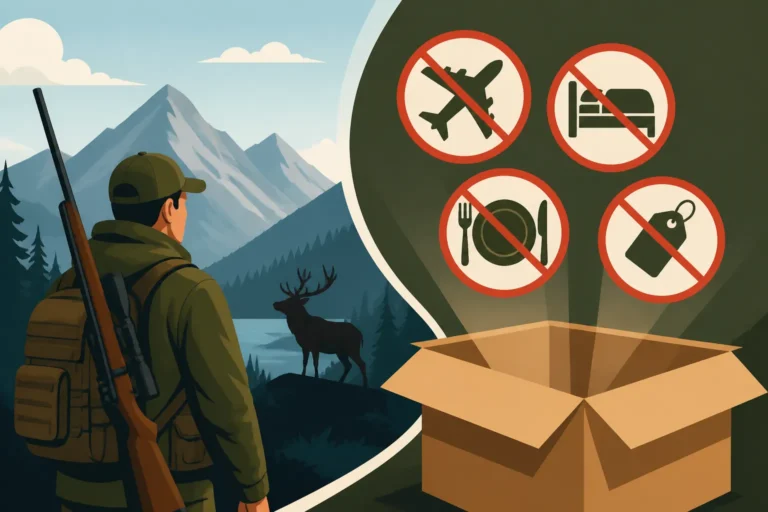
Even with a comprehensive guided package, there are almost always additional costs you'll need to factor into your total budget. The most common exclusions are your actual hunting licence and species tags. While your outfitter might assist with the paperwork, you are responsible for purchasing these permits. Travel costs to and from the outfitter's meeting point – often a larger city or regional airport like Prince George or Fort Nelson – are also your responsibility. This includes flights, rental vehicles, and any pre- or post-hunt lodging.
Once the hunt is over, the processing, shipping, and taxidermy of your trophy and meat are typically extra. Some outfitters might offer basic meat processing for a fee, but professional butchering and freezer wrapping will be an additional cost. Shipping frozen meat or a caped hide and antlers home can also be a significant expense, especially for an animal the size of a moose. Furthermore, it's customary to tip your guide and any other camp staff (cooks, wranglers) for their hard work and dedication. These gratuities are a substantial part of the overall cost and should be budgeted for separately. Lastly, don't forget personal gear, ammunition, and any satellite communication devices you choose to bring, as these are almost never included in the package price. A detailed outfitter contract will clearly lay out these exclusions, so always read it thoroughly.
Preparing for Your BC Guided Moose Adventure
Embarking on a guided moose hunt in British Columbia is an exciting prospect, but it's also a serious commitment that requires thoughtful preparation. The province's wilderness is beautiful but can be unforgiving, and a successful hunt often hinges on your physical and mental readiness, as well as having the right gear. Taking the time to prepare adequately will not only enhance your chances of success but also ensure a safer and more enjoyable experience.
Physical and Mental Conditioning
Moose hunts in British Columbia are rarely easy. Whether you're navigating dense timber, climbing steep slopes, or covering vast distances in a boat or on foot, a good level of physical fitness is paramount. You might be still-hunting in thick brush all day, or spending hours glassing from a ridge. Packing out a moose, especially from challenging terrain, is a monumental physical task, and your guide will appreciate a client who can contribute to the effort. Start an exercise regimen well in advance that focuses on cardiovascular endurance, strength training (especially core and legs), and stamina. Hiking with a weighted pack on uneven terrain is excellent preparation, as it simulates the demands you'll face in the backcountry.
Beyond the physical, mental conditioning is equally important. Wilderness hunting can involve long days, challenging weather conditions (rain, snow, cold), periods of intense effort followed by long waits, and the emotional ups and downs that come with hunting an elusive animal. Be prepared for potential setbacks, stay positive, and maintain a good attitude, no matter what Mother Nature throws your way. The mental grit to push through discomfort and remain patient will serve you well. Being prepared for the demands of Moose Hunting British Columbia's Interior is crucial, as conditions can change rapidly.
Essential Gear and Packing Considerations
Your gear selection can make or break your comfort and effectiveness on a moose hunt. Your outfitter will provide a detailed gear list, but some items are universally critical. Layered clothing is key, allowing you to adapt to fluctuating temperatures and activity levels. Opt for moisture-wicking base layers, insulating mid-layers, and a waterproof/windproof outer shell. British Columbia weather, especially in the interior and north, can be unpredictable, often delivering cold mornings, warm afternoons, and sudden rain or snow.
Quality, broken-in hunting boots with excellent ankle support and waterproofing are non-negotiable. You'll be covering varied terrain, often wet and uneven, and comfortable, reliable footwear is essential. Beyond clothing, a good pair of binoculars, a rangefinder, and a reliable rifle or bow that you are proficient with are foundational. Don't forget a comfortable day pack for carrying essentials like water, snacks, extra layers, and emergency supplies. Consider a satellite messenger for communication in areas without cell service, which is common in many BC moose territories. Your outfitter will likely offer more specific recommendations, but starting with these core items will put you in good stead for What to Bring on a British Columbia Guided Hunt.
| Component | Typically Included | Often Excluded / Extra Costs |
|---|---|---|
| Guide Services | Professional guide, daily hunting efforts, local knowledge | Tips/Gratuities for guides and camp staff |
| Accommodation | Camp lodging (tents, lodge, spike camp) | Pre/Post-hunt hotel stays |
| Meals | All meals in camp | Alcohol, personal snacks beyond camp provisions |
| Licenses & Tags | Assistance with paperwork | Actual cost of base licence, species tags (e.g., moose tag) |
| Travel | Transport during hunt in territory (e.g., ATV, boat) | Travel to/from meeting point (flights, fuel, rental car) |
| Game Handling | Field dressing, quartering, initial meat cooling/care | Meat processing (butchering, vacuum sealing), shipping meat |
| Trophy Prep | Caping, salting hide, initial antler prep | Taxidermy services, shipping of trophy/antlers |
| Personal Gear | Some outfitters may have loaner gear | Rifle/bow, ammunition, optics, clothing, boots, sleeping bag |
| Communication | Outfitter radio/satellite phone for emergencies | Personal satellite messenger, cell phone plans |
Disclaimer
This article is for general informational purposes only and does not constitute professional advice. Laws, prices and regulations vary by location and change over time. Consult a qualified professional for guidance on your specific situation.