Booking a British Columbia Hunt Off-Season
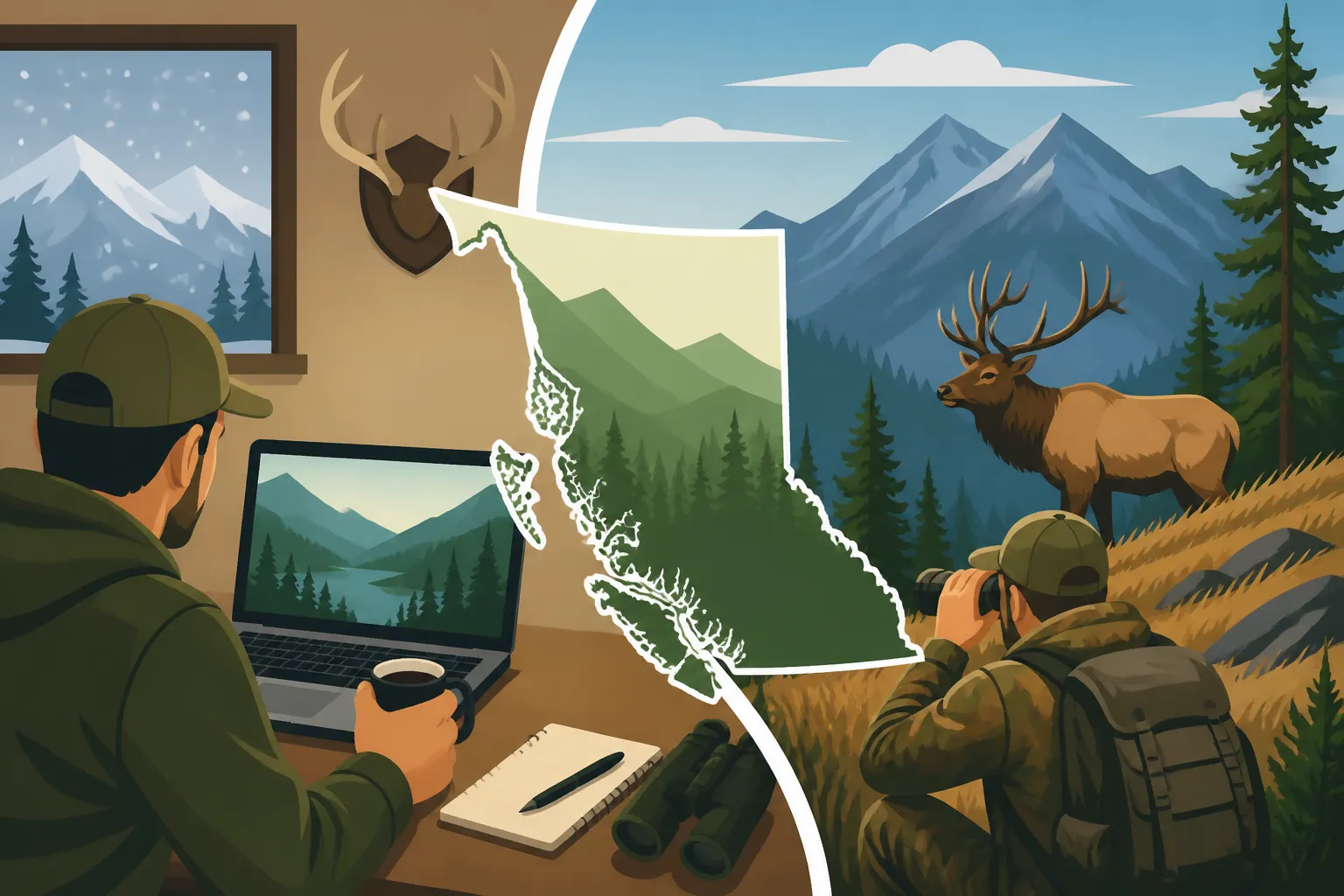
The hunting season itself feels like a sprint, a blur of early mornings, cold fingers, and the constant pursuit of opportunity. But if you've ever felt rushed, like you're always scrambling for tags, booking last-minute, or showing up unprepared, then you know the frustration. The off-season, that quiet period between the last shot fired and the next season's anticipation, is actually the most critical time for strategic planning, preparation, and securing those coveted British Columbia hunting opportunities. This guide will walk you through how to leverage the off-season to your advantage, ensuring your next BC hunt is not just successful, but also well-organized and stress-free.
Why Even Think About Hunting Off-Season?
It might seem counterintuitive to spend time planning a hunt when the leaves aren't falling and the rut is months away. But seasoned hunters, especially those looking to tackle the vast and diverse landscapes of British Columbia, know that the true work begins long before opening day. Thinking about your hunt during the off-season isn't just about killing time; it's about gaining a significant edge, both in terms of opportunity and overall enjoyment.
The Calendar Advantage: Less Competition, More Opportunity
Let's be real, everyone wants to hunt during the prime seasons – the September rut for elk, the late fall for big mule deer bucks, or those coveted early archery dates. This demand creates intense competition for tags, guiding services, and even access to prime public land. By shifting your focus to the off-season, you're stepping outside the frenzy. Outfitters, while still busy with year-round operations, often have more time to discuss options, tailor packages, and even offer earlier booking incentives. You're not fighting for the last available spot; you're often getting first dibs, or at least a much wider selection.
Moreover, the off-season provides a window for securing Limited Entry Hunting (LEH) draws. These are highly sought-after permits for specific species and areas, and the application period often falls in the spring. Missing these deadlines means missing out on some of the best hunting British Columbia has to offer. Proactive off-season planning ensures you're ready when these windows open, giving you a legitimate shot at drawing a tag that many hunters dream of. It’s about being ahead of the curve, not catching up.
Strategic Planning for Next Year: More Than Just a Trip
A successful hunt is rarely a spontaneous affair, especially in a place like British Columbia where terrain can be rugged, weather unpredictable, and game populations managed carefully. The off-season provides the luxury of time – time to research, analyze, and strategize without the immediate pressure of an upcoming season. This isn't just about booking a trip; it's about orchestrating an experience. You can delve into the nuances of specific British Columbia's Management Units and Regions, understanding the habitat, game populations, and access challenges.
This period allows for thoughtful research into what species you want to pursue, what physical demands that hunt will entail, and what kind of gear truly makes sense. You can compare different areas, weigh the pros and cons of guided versus unguided options, and really dial in your budget. It also gives you ample time for physical preparation, which is absolutely crucial for hunts in British Columbia's mountains. Instead of cramming in a few workouts weeks before the hunt, you can build a sustainable fitness regimen that truly prepares your body and mind for the rigors ahead.
Understanding the Off-Season Calendar for British Columbia Hunts
The "off-season" isn't one monolithic block of time; it's a dynamic period with various phases, each offering unique opportunities for planning and preparation. Understanding this flow can turn what seems like downtime into productive groundwork for your next adventure. From the chill of winter to the warmth of summer, each phase holds specific tasks that, when completed diligently, pave the way for a more enjoyable and successful hunt come fall.
Winter Planning (December – February): The Deep Dive
As the calendar year winds down and the primary hunting seasons close, many hunters hang up their gear and retreat indoors. This, my friends, is precisely when the serious planning for next year should begin. December through February is your golden window for the "deep dive" into all things British Columbia hunting. This is when you can reflect on past hunts, identify what worked and what didn't, and set clear goals for the coming seasons.
This is also the prime time to digest the new regulations. British Columbia often publishes its British Columbia's Two-Year Regulations Synopsis with new rule changes, bag limits, and season dates. You need to know these inside and out. It’s also the perfect moment to start contacting outfitters. Many of the best guides get booked solid years in advance, especially for high-demand species like Stone's sheep or mountain goat. Reaching out in winter allows you to discuss options, get quotes, and potentially put down a deposit before the spring rush. Sites like BookYourHunt can be a great resource for browsing available hunts and contacting outfitters directly, giving you a head start on securing a spot. You're not just finding a guide; you're finding the right guide for your specific aspirations.
Spring Preparations (March – May): Application Season and Early Commitments
Spring in British Columbia brings melting snow and the awakening of the land, but for hunters, it also brings crucial deadlines. March through May is often when the application window for British Columbia's highly competitive British Columbia's Limited Entry Hunting Draws opens. Missing this application period, typically in the spring, means forfeiting your chance at specific high-value tags that are not available through general open seasons. This is where your winter research pays off, as you'll already know which draws you want to enter and have all your personal information, including your FWID, ready to go.
Beyond LEH, this is the time to confirm bookings with any outfitters you’ve selected and finalize your travel plans. Many outfitters require a second deposit or full payment by early summer, so getting your finances in order is key. For those considering a spring bear hunt, this period transitions from planning to active preparation. You'll be checking your gear, zeroing your rifle, and getting your body ready for those often-wet and rugged conditions. This is also when you might start looking at your British Columbia Hunting Licences and Fees and purchasing any general licences and tags as they become available online.
Summer Readiness (June – August): Finalizing Details and Physical Peak
As summer fully takes hold, you should be moving into the final stages of hunt preparation. June, July, and August are about solidifying all the details that make a hunt successful and ensuring you're at your physical peak. If you're going on a guided hunt, this is the time to have those crucial pre-hunt conversations with your outfitter to discuss last-minute details, gear lists, expected weather, and any dietary needs. Many non-residents will need to complete their Non-Resident Firearm Declaration well in advance of their trip, and summer is a good time to ensure all border crossing paperwork is in order.
For the unguided hunter, summer is prime time for scouting. Even if you can't be in the exact hunting area, researching via maps, satellite imagery, and online forums is invaluable. You can identify potential access points, game trails, bedding areas, and water sources. Physically, your training should be well underway, with conditioning hikes and shooting practice becoming more intense and consistent. By late August, everything from your boots to your optics should be broken in, tested, and ready for deployment. This proactive approach alleviates the frantic last-minute scramble that often leads to forgotten items or missed opportunities.
Navigating Outfitters and Permits During the Off-Season
For many British Columbia hunts, especially for non-residents, engaging with outfitters or navigating the complex permit system is a non-negotiable part of the process. Doing this during the off-season offers significant advantages, allowing for thorough research, timely applications, and clear financial arrangements without the pressure of an imminent season. It’s about being deliberate rather than reactive.
Researching and Contacting Outfitters: Finding the Right Fit
The sheer number of guide outfitters in British Columbia can be overwhelming. The off-season provides the critical time needed to genuinely research and vet potential guides. Start by identifying the species and region you're interested in, then seek out outfitters who specialize in those areas and animals. Online platforms like BookYourHunt are excellent starting points, offering profiles, photos, and reviews that can help narrow down your choices. This is also where you can directly contact outfitters and begin a dialogue.
When you contact them, don't be shy about asking detailed Questions to Ask Before Booking. Inquire about their specific British Columbia Guide Outfitter Territories, success rates (and what those numbers truly mean), camp logistics, hunter-to-guide ratio, and what's included in their packages versus what's extra. A good outfitter will appreciate your thoroughness and be happy to provide references. Many of them are already busy with their next year's bookings by early winter, so reaching out early ensures you get their undivided attention and access to their prime dates.
Understanding Application Deadlines and Draws: Don't Miss Out
British Columbia operates a dual system of general open seasons and Limited Entry Hunting (LEH) draws. While general open seasons usually allow you to purchase tags over-the-counter, many of the most sought-after hunts – particularly for species like moose, sheep, goat, and even specific deer hunts – are allocated through the LEH draw system. Missing the application deadline, which is typically in the spring, means you simply won't have a chance to hunt these animals in those zones. This is a critical point that trips up many hunters, especially those new to BC.
The off-season allows you to meticulously study the LEH synopsis, identify the specific management units (MUs) and species you wish to apply for, and understand the odds of drawing a tag. Resources like GoHunt can be incredibly helpful for analyzing draw odds and making informed decisions about where to apply, maximizing your chances. Furthermore, securing your British Columbia's Species Licences and Tags and your general hunting license, which typically requires a British Columbia FWID, can be done well in advance, streamlining the process when the LEH application window opens. It’s all about having your ducks in a row.
Deposits, Contracts, and Contingencies: Protecting Your Investment
Booking a guided hunt, especially for big game in British Columbia, is a significant financial commitment. The off-season is the time to thoroughly review contracts, understand payment schedules, and consider contingencies. Outfitters typically require a substantial deposit upfront, with the remainder due closer to the hunt date. Don't let the excitement overshadow the fine print. Carefully read cancellation policies, transfer options, and what happens in unforeseen circumstances like severe weather, health emergencies, or travel disruptions.
Consider investing in hunt insurance, which can protect your financial investment against various eventualities. Discuss with your outfitter what their policy is regarding refunds or rebooking in case of issues on either side. Understanding these terms before you commit can prevent major headaches and financial losses down the road. This also applies to securing any necessary federal permits, like the Migratory Game Bird Permit, well before season. Being proactive with these administrative tasks ensures that your focus during the actual hunting season remains purely on the hunt itself, not on paperwork or financial worries.
| Off-Season Activity | Typical Timing (approx.) | Key Benefits for Hunters |
|---|---|---|
| Research Regulations | December – February | Understand new rules, season dates, bag limits. |
| Contact Outfitters | December – March | Secure prime dates, discuss custom hunts, compare services. |
| Apply for LEH Draws | March – May (specific window) | Access to high-demand tags, increased opportunity. |
| Physical Training | January – August | Build endurance for rugged BC terrain, prevent injury. |
| Gear Maintenance | Year-round | Ensure reliability, identify needs, take advantage of sales. |
| Finalize Travel | April – July | Secure flights/lodging, arrange transport of firearms. |
| Scouting (Digital) | February – July | Identify access, game movement patterns, potential stands. |
| Practice Shooting | March – August | Confirm zero, build confidence, practice various positions. |
Maximizing Your Off-Season Preparation
Booking the hunt is just the first step. The true mastery of the off-season lies in the preparation that follows. This isn't about rushing; it's about building a robust foundation of physical readiness, reliable gear, and honed skills. When you step into the British Columbia wilderness, you want to be confident in your abilities and your equipment, and that confidence is forged long before the season begins.
Physical and Mental Conditioning: Building Resilience
British Columbia hunts, whether on the coast or in the high alpine, are often physically demanding. Walking steep logging roads, navigating dense timber, or climbing mountain slopes with a heavy pack requires serious conditioning. The off-season provides the ideal timeframe to embark on a comprehensive fitness program. Think beyond casual workouts; focus on building endurance, strength, and stamina. Incorporate weighted pack training, uphill hikes, and exercises that mimic the movements you'll make in the field. This commitment to Fitness for a British Columbia Sheep Hunt will pay dividends not just in performance, but also in safety and enjoyment.
Equally important is mental conditioning. Hunting can be frustrating, especially when weather turns, game is scarce, or shots are missed. The ability to stay positive, focused, and persistent is crucial. The off-season allows you to develop this mental toughness. Visualize your hunt, mentally walk through various scenarios, and practice mindfulness. Read books on hunting strategy and outdoor survival. The mental game is often just as critical as the physical, helping you push through discomfort and make sound decisions when it matters most.
Gear Acquisition and Maintenance: Reliability is Key
There's nothing worse than having gear fail in the backcountry. The off-season is the perfect time to audit your existing equipment, identify any deficiencies, and perform necessary maintenance. Check your boots for wear, ensure your optics are clean and functioning, and test your headlamp batteries. If you need new items, purchasing them during the off-season allows you to take advantage of sales and, more importantly, gives you ample time to break them in. New boots need miles, a new pack needs to be adjusted and loaded, and new clothing needs to be washed and tested for comfort and function.
This is also the time to organize your gear. Create a checklist for each type of hunt you plan to undertake. Consolidate essential items into a dedicated hunting box or bag so that when the season arrives, you’re not scrambling to find essentials. Considering the varied weather conditions in BC, especially Hunting in British Columbia's Coastal Rain or Hunting British Columbia's Alpine in September, having appropriate layers and rain gear is critical. Don't wait until the last minute to realize your waterproof jacket has a leaky seam.
Skill Refinement: Sharpening Your Edge
Hunting isn't just about showing up; it's about executing when the moment comes. The off-season offers dedicated time to refine critical hunting skills. For rifle hunters, consistent range time is non-negotiable. Practice shooting from various positions – prone, kneeling, sitting, and off improvised rests – mimicking real-world hunting scenarios. Don't just shoot groups; practice quick target acquisition and follow-up shots. For bowhunters, this means year-round practice, focusing on form, consistency, and shooting in different environmental conditions. Bowhunting British Columbia's September Seasons requires exceptional proficiency.
Beyond shooting, consider other vital skills. Practice navigation with a map and compass, even if you rely on GPS. Hone your calling techniques for elk or moose. Study animal behavior and tracks. Take a first-aid or wilderness survival course. Many local rod and gun clubs offer workshops and training that can help you become a more capable and confident hunter. The more skills you possess and the more practiced you are, the better equipped you'll be to adapt to whatever British Columbia throws your way.
What Kind of Hunts Benefit Most from Off-Season Booking?
While proactive planning is beneficial for any hunting endeavor, certain types of British Columbia hunts absolutely demand off-season booking due to their limited availability, complex logistics, or high demand. Ignoring the off-season for these opportunities is almost a guarantee of disappointment. These are the pinnacle experiences for many hunters, and they require foresight and commitment.
High-Demand Species: Sheep, Goat, and Moose
If your dream is to pursue iconic British Columbia species like Rocky Mountain Bighorn sheep, Stone's sheep, mountain goat, or a trophy bull moose, then off-season booking isn't just a suggestion – it's a necessity. These animals inhabit remote, rugged terrain, and the number of tags available, especially for non-residents, is often heavily regulated and limited. The best guide outfitters who have access to prime British Columbia's Wild Sheep and Where They Live or dense Moose in British Columbia's Interior and North territories are typically booked out one, two, or even three years in advance.
Booking a British Columbia Sheep Hunt or Booking a British Columbia Moose Hunt during the winter or early spring for a hunt two years down the line is not uncommon. This early commitment secures your spot with a reputable outfitter, allows ample time for financial planning, and provides the long lead time needed for the intense physical conditioning these mountain hunts demand. Trying to book one of these hunts a few months before the season is almost certainly a recipe for failure, unless you're incredibly lucky with a last-minute cancellation.
Spring Bear and Early Season Deer: Timing is Everything
While not as far out as sheep or goat, even hunts with shorter lead times, like Black Bear Hunting British Columbia's Spring or early season archery deer, greatly benefit from off-season planning. Spring bear hunts in British Columbia are incredibly popular, often running from April into June, and outfitters who specialize in baiting or spot-and-stalk opportunities in specific coastal estuaries or logging road networks fill up quickly. Booking your Booking a British Columbia Bear Hunt by late fall or early winter ensures you get your preferred dates and locations.
Similarly, early season archery deer hunts, particularly for mule deer or blacktail, often coincide with excellent weather and less hunting pressure. These seasons typically open in early September. Planning and booking these by spring allows you to secure your tags, scout digitally, and ensure your archery equipment is dialed in. Waiting until late summer could mean missing out on prime opportunities, as outfitters or even desirable camping spots on public land can be fully reserved. The early bird definitely gets the worm, or in this case, the bear or the buck.
Specialized or Combination Hunts: Complex Logistics Require Time
Some of the most exciting hunting experiences in British Columbia involve specialized methods or combination hunts. Perhaps you're looking for a horseback hunt deep into the backcountry, or a jet boat access hunt on a remote river for moose, or a combination of waterfowl and upland bird hunting. These types of adventures involve complex logistics, requiring specific equipment, experienced personnel, and often, unique access permits. Trying to coordinate all these moving parts at the last minute is a logistical nightmare.
Booking these specialized trips during the off-season provides the necessary lead time for outfitters to arrange horses, jet boats, specific guides, and any necessary permits. It also gives you time to understand the unique gear requirements for such a trip and to prepare for the specific challenges involved, whether it’s a week in a remote spike camp or navigating the complexities of Jet Boat Access on British Columbia Rivers. The more moving parts there are to your hunt, the more crucial off-season planning becomes to ensure every detail is meticulously arranged for a smooth and successful experience.
Disclaimer
This article is for general informational purposes only and does not constitute professional advice. Laws, prices and regulations vary by location and change over time. Consult a qualified professional for guidance on your specific situation.