Hunting a Deactivated Road Beyond the Gate
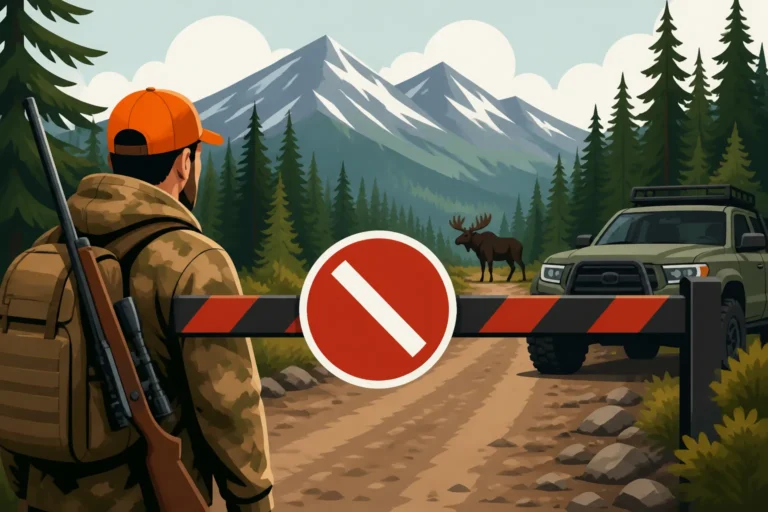
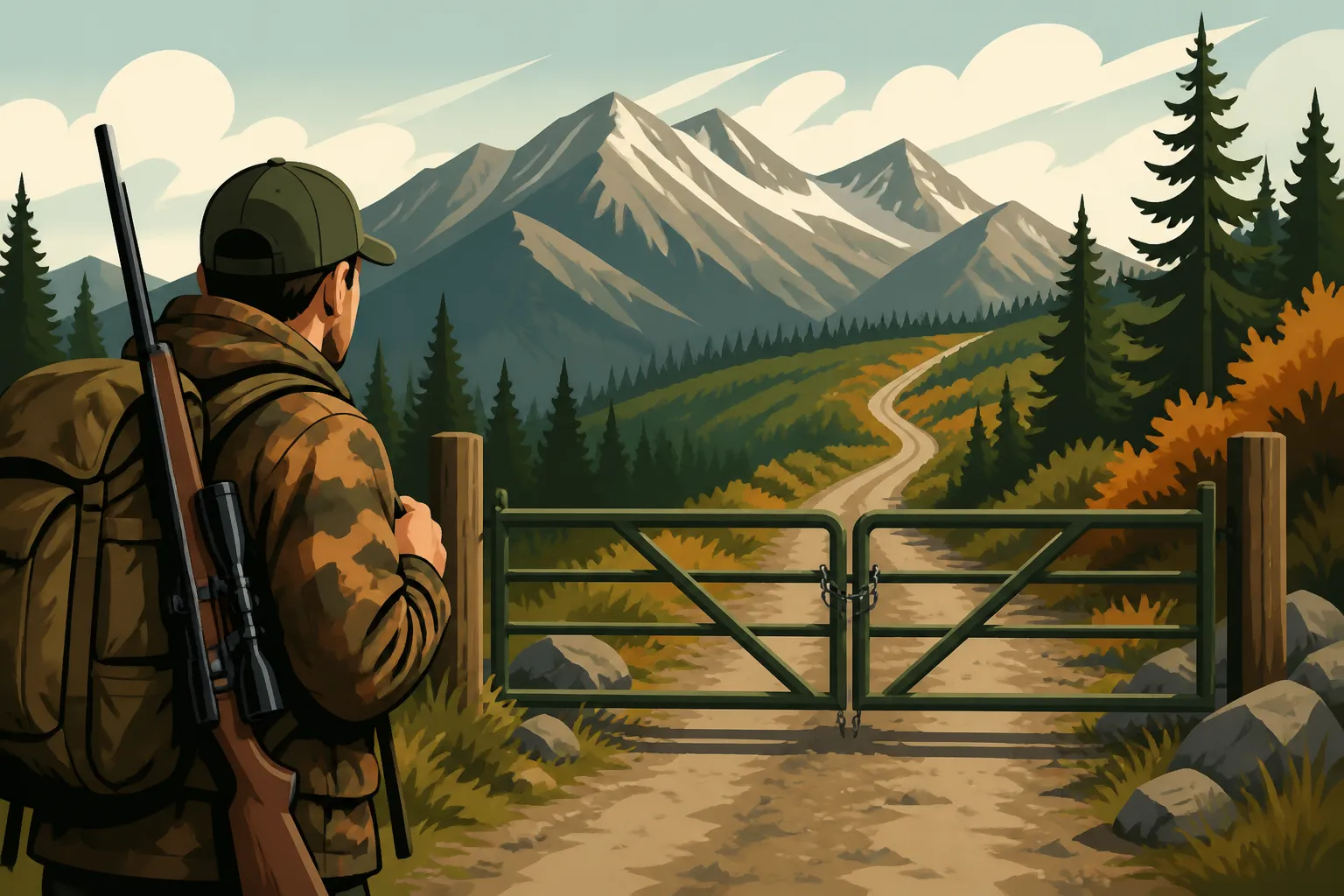
One of the most common frustrations for hunters in British Columbia is encountering a gate across a perfectly good forest service road, effectively cutting off vehicle access to prime hunting grounds. It feels like a barrier, a signal to turn around and find somewhere else. But for the savvy hunter, that gate isn't an ending; it's often the beginning of some of the most rewarding, less-pressured hunting experiences available. This guide will walk you through everything you need to know about hunting deactivated roads beyond the gate in British Columbia, turning that frustration into opportunity.
Understanding Deactivated Roads in British Columbia
When you encounter a gate, a berm, or even a dug-out section across a forest service road (FSR) in British Columbia, you're likely looking at a "deactivated" road. These aren't just random closures; they're an intentional part of how the province manages its vast network of resource roads, and understanding their purpose is key to unlocking their hunting potential.
Why Roads Are Deactivated
The reasons behind road deactivation are varied but generally fall into categories related to environmental protection, resource management, and public safety. Often, a road is built to access a specific logging block or mining claim. Once the resource extraction is complete, the road may no longer be needed for industrial purposes. Leaving it open indefinitely can lead to erosion, impact fish-bearing streams, or create unwanted access for off-road vehicles that damage sensitive ecosystems. Deactivating a road helps prevent these issues. It can involve removing culverts, pulling bridges, installing physical barriers like gates or large earth berms, or even ripping up the road surface to promote natural revegetation. These actions reduce long-term maintenance costs for the province and contribute to wildlife conservation by limiting human disturbance in certain areas. For hunters, this translates to areas where game animals might feel less pressured by constant vehicle traffic.
The Difference Between Deactivated and Active Roads
The distinction between an active FSR and a deactivated one is crucial, especially when planning your hunt. Active FSRs are regularly maintained, used by industrial traffic (like logging trucks), and typically remain open for public vehicle access unless there's an active work site or temporary closure. You might encounter active FSRs in various states of repair, from well-graded gravel to rough, rocky tracks, but the key is that they are generally intended for vehicle use.
Deactivated roads, on the other hand, are explicitly not intended for vehicle use. While they might still be clearly visible as a roadbed, the barriers are there to tell you that driving further is prohibited, impossible, or both. This isn't just about gates; it could be a massive pile of rocks, a deep ditch, or a sign stating "No Motorized Access." The province's intent is for these areas to revert to a more natural state, and for hunters, this means your access is limited to foot, mountain bike, horse, or sometimes ATV/motorcycle if specifically allowed for that section (though this is rare for full deactivations beyond a gate). Always check the specific signage and regulations for the area. Understanding this difference is fundamental, as it dictates your method of travel and your expectations for the terrain and game encountered. Finding Open Forest Roads in British Columbia can give you more insight into the active road networks.
Accessing Deactivated Roads Beyond the Gate
Once you've identified a deactivated road beyond a gate as a potential hunting spot, the real planning begins. Getting past that gate legally and practically requires a different mindset and different tools than simply driving down an open road.
Legal Access and Regulations
Firstly, it’s imperative to confirm that you are legally allowed to access the area beyond the gate. Most deactivated roads on Crown land are open to foot traffic, mountain biking, or horseback riding, even if vehicle access is restricted. However, there are exceptions. Some roads might traverse private land, even if they appear to lead to Crown land. In such cases, the gate might be there to enforce private property rights, and trespass laws apply. Always respect "No Trespassing" signs. It's also possible that certain areas are closed entirely to all public access due to ongoing industrial work, ecological sensitivity, or wildlife management closures.
Before heading out, consult the latest British Columbia Hunting and Trapping Synopsis, and cross-reference with online mapping tools. Brands like onX Hunt and GoHunt can be invaluable here. Using an app like onX Hunt, you can overlay property boundaries and management unit maps onto satellite imagery, helping you discern between Crown land and private parcels, and identify any specific restrictions for your chosen area. This homework saves a lot of headaches and potential legal trouble down the road. Never assume; always verify. British Columbia's Crown Land Access provides further details on navigating public lands.
Means of Travel Beyond the Gate
Since driving is usually out of the question, you need to think about alternative ways to cover ground. The choice of travel method will significantly impact your hunting strategy and how far you can penetrate.
Hiking
This is the most common and universally accepted method. Hiking offers the quietest approach, allowing you to move slowly and observe your surroundings without the noise of machinery. The downside, of course, is the limited range and the sheer physical effort required, especially when packing out game. A deactivated road, even if overgrown, provides a relatively easy walking surface compared to bushwhacking, making it possible to cover several kilometers in a day. You'll need durable boots, a comfortable pack, and enough water and supplies for a full day or overnight trip. Remember that while the roadbed might be clear, you’ll likely be side-hilling or climbing up and down from it to hunt, so be prepared for variable terrain. When considering Packing Out of British Columbia's Steep Country, a good frame pack is indispensable.
Mountain Biking
For hunters looking to extend their range beyond what's feasible on foot, a mountain bike can be a game-changer. A solid mountain bike, especially a fat bike, can handle surprisingly rough terrain, including washouts, small berms, and moderately overgrown sections. You can cover 10-20 kilometers into a deactivated road relatively quickly, allowing you to access areas that foot hunters can't reach in a day. The key is to secure your rifle or bow properly to your bike or pack. Quiet tires are a plus, and always be aware of your speed, especially when descending. The silence of a bike allows for excellent stealth, but remember, once you shoot an animal, you'll still be hiking out the meat, so consider a packable game cart if the terrain allows, or be ready for multiple trips. Hunting British Columbia Without a Truck talks more about alternative access methods.
Horseback
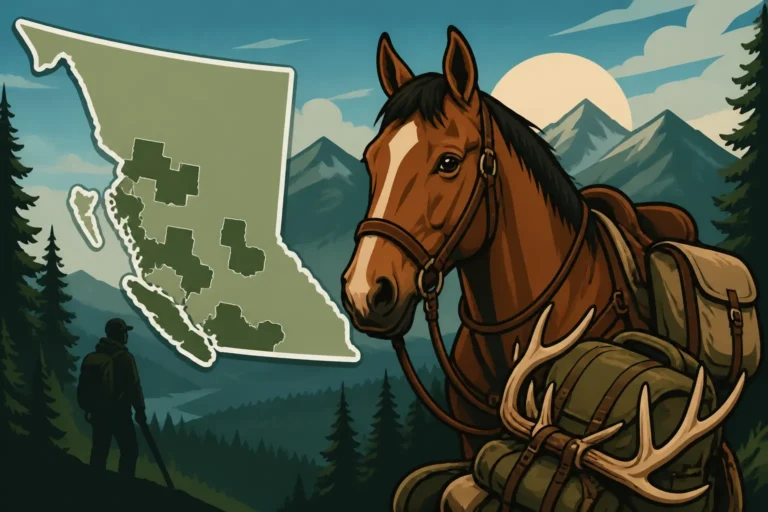
If you have access to horses and experience with backcountry riding, this can be an incredibly effective way to hunt deep into deactivated road systems. Horses allow you to carry more gear, cover significant distances, and, crucially, pack out an animal with much less physical strain. This is particularly advantageous for larger game like moose or elk. However, horseback hunting requires specialized knowledge, equipment, and a good understanding of horse care in the backcountry. You'll need to consider feed, water, and appropriate tethering. Not all deactivated roads will be suitable for horses due to severe washouts, extremely steep sections, or dense regrowth, so scouting ahead is vital.
| Method of Travel | Pros | Cons | Ideal for |
|---|---|---|---|
| Hiking | Quiet, universal access, stealthy | Limited range, high effort for packing | Day hunts, stalking, lighter game |
| Mountain Bike | Increased range, faster travel | Can be noisy, limited packing capacity | Covering distance, quick scouting |
| Horseback | High carrying capacity, great range | Specialized skill/equipment, horse care | Deep backcountry, large game, multi-day |
Strategies for Hunting Deactivated Roads
Hunting deactivated roads requires a different approach than hunting from a truck or open FSRs. The lack of vehicle traffic changes animal behaviour, and the environment itself presents unique opportunities and challenges.
Reading the Landscape for Game Sign
Deactivated roads often become natural travel corridors for wildlife. The relatively clear path, even if overgrown, offers easier movement through dense bush. Look for game trails crossing the road or running parallel to it in the less disturbed edges. Muddy sections after a rain are excellent for identifying tracks, and fresh droppings or rubs on small trees along the road are clear indicators of recent animal presence.
Focus on areas where the road intersects with natural features like creek bottoms, saddle points between ridges, or old cut blocks. These junctions are prime locations where animals naturally move. A road running along a ridge top can be excellent for glassing down into drainages, especially at dawn and dusk. Conversely, a road winding through a valley bottom might be more productive during the middle of the day as animals move between feeding and bedding areas. Hunting an Interior Douglas Fir Bench and Hunting an Old Growth Edge provide context for these types of habitat.
Stalking and Ambush Tactics
The quiet nature of deactivated roads makes them ideal for stalking. Move slowly and deliberately, pausing frequently to listen and glass ahead. The lack of engine noise means animals are less accustomed to human sounds, so footsteps, rustling gear, or talking will carry further. Use the natural contours of the road, old logging piles, or dense vegetation for cover as you advance.
Ambush tactics can also be highly effective. If you’ve identified a pattern of game movement along a specific section of the road, or where a game trail crosses, find a concealed vantage point upwind and wait. Dawn and dusk are prime times for this. Animals often move along these quiet corridors during these low-light periods. Pay attention to how the wind is carrying your scent, and always position yourself for a clear shot. Remember, patience is your best friend when hunting these quieter zones.
Targeting Specific Species on Deactivated Roads
Different game species will utilize deactivated roads in different ways, requiring tailored hunting strategies.
Deer (Mule Deer and Blacktail)
Deactivated roads are fantastic for deer. Both mule deer and blacktail deer will use them for travel, feeding on new growth along the edges, or accessing thicker cover. In the interior, Mule Deer Hunting in British Columbia often involves glassing open hillsides, but deactivated roads can lead you into dense timber that mule deer use for bedding. Look for areas where the road connects different habitat types, such as mature timber to a Hunting a Recent Cutblock in Its Third Year or a clear-cut. For coastal blacktail, these roads provide access into the thick rainforest and second-growth where they thrive. Still-hunting slowly along a deactivated road, particularly in misty or rainy conditions when your footsteps are muffled, can be very productive for catching a blacktail off guard.
Bear (Black Bear)
Black bears are regular users of deactivated roads, especially in spring and fall. In spring, they emerge from hibernation and seek out early green-up, often found along sunny road edges and clearings. In fall, they might be found foraging on berries or acorns that grow in these disturbed areas. Spring Bear Hunting British Columbia's Logging Roads strategies apply well here; glassing ahead and patiently covering ground are key. Look for overturned rocks, scat, and claw marks on trees. Deactivated roads can lead you into remote berry patches or along salmon-bearing creeks, which are prime bear habitat.
Moose and Elk
For larger game like moose and elk, deactivated roads can provide excellent access into their core habitats. Moose often prefer wetter areas and dense willow thickets, and a deactivated road leading to a beaver pond or swamp can be a goldmine. Hunting Moose Off a British Columbia Forest Road is a classic approach, and deactivated versions simply mean you walk in. Elk, particularly in the rut, use these corridors to move between bedding and feeding areas, and their tracks are unmistakable. Bugling along a deactivated road can draw a bull in, as the road often acts as a natural sound funnel. The challenge with these bigger animals is the pack out, which reinforces the need for careful planning and potentially multiple trips or a packing aid.
Safety and Etiquette on Deactivated Roads
Hunting beyond the gate, away from regular vehicle traffic, brings a different set of safety considerations and responsibilities.
Essential Gear and Preparedness
Since you'll be further from immediate assistance, self-sufficiency is paramount. Always carry a first-aid kit, emergency shelter, fire-starting supplies, and enough food and water for longer than you anticipate being out. A reliable navigation tool, like a GPS device or a smartphone with offline maps (such as onX Hunt or GoHunt with downloaded maps), is crucial, especially as deactivated roads can become overgrown and hard to follow. Make sure to tell someone your detailed plans, including your route and expected return time.
Consider a satellite communication device for emergencies, as cell service will almost certainly be non-existent. Bear spray is also a non-negotiable item, as you are entering prime bear habitat on foot. Bear Safety While Hunting in British Columbia is a must-read before heading out. The farther you go, the more prepared you need to be.
Respecting the Environment and Other Users
Hunting on deactivated roads means being a good steward of the land. Pack out everything you pack in, and if possible, pack out any trash you find along the way. Stay on the established roadbed or known game trails to minimize your impact on sensitive vegetation. If you encounter any barriers that have been put in place by natural processes (like large fallen trees) or by land managers, respect them. Don't attempt to clear or bypass them in a way that damages the environment or creates new access points for unauthorized vehicles.
While you'll encounter fewer people, you might still encounter other hunters, hikers, mountain bikers, or even trappers. Maintain a friendly and respectful attitude. Communicate your presence, especially if you're approaching another party. Shared access means shared responsibility.
The Importance of Ethical Harvest and Meat Care
Beyond the gate, you're often quite a distance from your vehicle, which makes ethical harvest and proper meat care even more critical. Ensure you are confident in your shot placement to achieve a quick, humane kill. Once an animal is down, the clock starts ticking, especially in warmer early seasons. You'll need to field dress and quarter your animal promptly. Having a plan for Meat Care in British Columbia's Warm Early Seasons is essential.
Consider how you will transport the meat. A good quality frame pack is indispensable for carrying heavy loads over distance. If you're hunting larger animals, be prepared for multiple trips or to make a rudimentary sled or travois if the terrain allows. Wasting game meat is illegal and unethical, so have a solid plan for getting every edible pound out.
Final Thoughts on Deactivated Roads
Hunting British Columbia's deactivated roads offers a unique blend of challenge and reward. It's a chance to step away from the crowds, immerse yourself in truly wild country, and pursue game that often sees less human pressure. It demands physical fitness, meticulous planning, and a deep respect for the environment. But for those willing to put in the effort, the satisfaction of a successful hunt far from the beaten path is unparalleled.
These quiet arteries, snaking deep into the wilderness, are not just old roads; they're pathways to adventure. Embrace the walk, enjoy the solitude, and know that every step beyond that gate takes you closer to an authentic British Columbia hunting experience.
Disclaimer
This article is for general informational purposes only and does not constitute professional advice. Laws, prices and regulations vary by location and change over time. Consult a qualified professional for guidance on your specific situation.