Hunting the Flathead Drainage
The Flathead Drainage, nestled deep in southeastern British Columbia, represents a truly unique and challenging hunting experience. For many, it's a bucket-list destination, famed for its rugged beauty and the promise of encountering some of North America's most iconic wildlife. However, the very things that make it so appealing—its remoteness, dense grizzly bear populations, and challenging terrain—also make it incredibly demanding. This guide will help you understand the intricacies of hunting this spectacular, yet formidable, landscape, from its distinct ecosystem to the practicalities of planning your adventure.
The Enigmatic Flathead Drainage: A Hunter's Overview
The Flathead Drainage isn't just another valley; it's a significant ecological corridor, often referred to as the "Missing Link" in conservation circles, connecting wilderness areas in both British Columbia and Montana. Its unique position on the continental divide, coupled with a lack of significant human development, has preserved a raw, untamed landscape that offers unparalleled hunting opportunities for those willing to brave its challenges. Understanding this region's geography and unique ecosystem is the first step in any successful Flathead hunt.
Geography and Access Challenges
Stretching along the Canada-U.S. border, the Flathead Drainage is characterized by its broad river valley, flanked by the towering peaks of the Rocky Mountains and Purcell Mountains. The Flathead River itself is a designated Canadian Heritage River, known for its clear, cold waters and absence of dams. The valley floor transitions from open grasslands and old growth forests to dense timbered slopes and high alpine basins. It's a land of contrasts, often steep, brushy, and unforgiving.
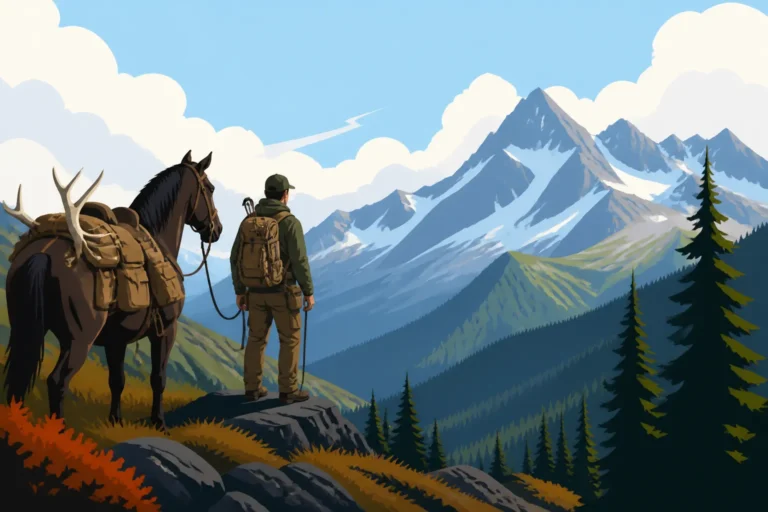
Accessing the Flathead can be one of the biggest hurdles. While there are a few main routes, notably via logging roads that push in from the east (often from Highway 93/3 in the Kootenay region), these roads can be rough, remote, and subject to seasonal closures or deactivations. You'll likely encounter long stretches of gravel, requiring a reliable four-wheel-drive vehicle, and be prepared for limited cell service. Even with good maps, understanding legal access points and private land boundaries is paramount. Tools like onX Hunt become absolutely invaluable here, allowing you to clearly see Crown land boundaries, private forestry lands, and track your movements in real-time, even offline. Without detailed mapping, getting lost or inadvertently trespassing is a real risk in this vast area. Many hunters choose to access deeper areas on foot, horseback, or even by jet boat on the larger rivers where feasible, requiring meticulous planning for fuel, supplies, and emergency contingencies. Horseback Hunting British Columbia's Backcountry can give you a taste of the challenges.
Unique Ecosystem and Wildlife
What truly sets the Flathead apart is its rich and diverse ecosystem, a direct result of its untouched nature and its role as a critical wildlife highway. It boasts one of the highest densities of grizzly bears in North America, a fact that demands serious consideration for any hunter venturing into the area. Beyond grizzlies, the Flathead is home to a robust population of black bears, wolves, and mountain lions. For big game hunters, it's a haven for elk, mule deer, moose, mountain goat, and bighorn sheep.
The sheer remoteness and lack of human disturbance mean that animals often behave more naturally here than in heavily pressured areas. However, it also means encounters with large predators are a real possibility. Understanding predator behaviour and being prepared for close encounters is not just wise; it's essential for your safety. The habitat is a mosaic of different zones, from riparian areas along the river to subalpine meadows and high-elevation rock and ice. Each zone supports specific species, and successful hunting depends on knowing where to look and understanding their seasonal movements. Hunting British Columbia's Alpine in September describes some of these higher elevation considerations.
Targeting Game in the Flathead: Species and Strategies
The Flathead Drainage offers a spectacular array of big game species, each presenting its own unique challenges and rewards. Successful hunting here requires not only skill and patience but also a deep understanding of each animal's behaviour within this specific environment.
Elk and Mule Deer Opportunities
The Flathead is renowned for its strong populations of both Rocky Mountain elk and mule deer. For elk, the expansive forests, river bottomlands, and scattered clearings provide excellent habitat. During the rut, the calls of bugling bulls echo through the valleys, offering exciting Calling Moose in the Rut (similar tactics can apply for elk) opportunities. Spot-and-stalk is a common method, especially in the more open timber or along old logging cuts. Understanding elk movements between bedding and feeding areas is key, as they can cover significant ground. The sheer size of the area means you'll need to be prepared for long days of hiking and often packing heavy loads out of challenging terrain. Hunters specifically targeting elk should consider Hunting Rocky Mountain Elk in British Columbia for broader context.
Mule deer, on the other hand, thrive on the numerous benches, open timber, and brushy slopes, particularly those with good south-facing aspects that get early sun. Mature bucks often seek refuge in dense cover during daylight hours, making still-hunting or methodical glassing a productive strategy. Finding good vantage points to glass vast areas can be physically demanding but often yields results. Like elk, mule deer in the Flathead can be less wary than their counterparts in more accessible areas, but their home ranges are often vast, requiring persistent effort. Remember, Hunting British Columbia's Four-Point Antler Rules are in effect for mule deer in many areas, so precise judgment of antlers is critical before taking a shot.
Bear and Moose in the Flathead
Black bears are incredibly abundant throughout the Flathead, inhabiting everything from the dense riparian zones to the higher elevation berry patches. Spring hunting often involves glassing south-facing slopes and avalanche chutes where bears emerge to feed on fresh greens. In the fall, they'll be concentrated around berry bushes, especially huckleberries and saskatoons, as they try to put on weight for winter. Because of the high grizzly population, extreme caution and positive identification are paramount when hunting black bears. Knowing the difference between a black bear and a grizzly in the field is a non-negotiable skill. Spring Bear Hunting British Columbia's Logging Roads provides a good starting point for tactics that can be adapted to the Flathead.
Moose, while not as ubiquitous as deer or elk, are present in good numbers in specific habitats within the Flathead, particularly in the willow bottomlands, around beaver ponds, and in areas of regenerating forest. Their sheer size makes them an impressive quarry, and the rut can offer thrilling calling opportunities. Look for sign like rubs, broken willows, and large tracks in wet ground near water sources. Hunting moose in the Flathead often involves navigating thick brush and marshy areas, demanding robust footwear and a high degree of physical fitness. Calling Moose in the Rut outlines effective strategies for attracting these magnificent animals.
Here's a quick overview of some Flathead species:
| Species | Primary Habitat | Common Hunting Methods | Notes |
|---|---|---|---|
| Rocky Mountain Elk | Forests, riparian zones, clearings | Spot-and-stalk, calling | Robust populations, intense rut activity. |
| Mule Deer | Benches, open timber, brushy slopes | Spot-and-stalk, still-hunting | Good numbers of mature bucks, can be less pressured than other areas. |
| Black Bear | All forest types, berry patches | Glassing, spot-and-stalk | Very high density, positive ID crucial due to grizzlies. |
| Moose | Willow bottomlands, beaver ponds | Still-hunting, calling | Present in specific habitats, demanding terrain. |
| Mountain Goat | High alpine rock and ice | Backpacking, spot-and-stalk | Extremely challenging hunt, requires significant physical conditioning. |
| Bighorn Sheep | Steep, rocky alpine terrain | Backpacking, spot-and-stalk | Limited opportunities, very physically demanding. |
Navigating the Hunt: Planning, Regulations, and Logistics
A successful hunt in the Flathead Drainage hinges less on luck and more on meticulous planning, a thorough understanding of regulations, and being prepared for remote backcountry conditions. This isn't a place for casual hunters; it demands respect and preparation.
Regulations and Season Specifics
British Columbia's hunting regulations are complex, and the Flathead Drainage falls under Region 4 (Kootenay). Before you even consider packing your bags, a thorough review of the current regulations, often found through resources like the BC government website or even aggregated platforms like GoHunt, is critical. These regulations change biennially, so relying on outdated information is a recipe for disaster. You'll need to pay close attention to the specific Management Units (MUs) that comprise the Flathead, as season dates, bag limits, and antler restrictions can vary even within close proximity. British Columbia's Two-Year Regulations Synopsis is your bible.
Most Flathead big game opportunities are General Open Season (GOS) for residents, but Limited Entry Hunting (LEH) draws might exist for specific species or areas, particularly for mountain goat or bighorn sheep. Always verify season dates for your target species, as archery, muzzleloader, and general rifle seasons will have different windows. Pay particular attention to any restrictions on methods of take, special antler point rules (like the 4-point rule for mule deer), and compulsory inspection or reporting requirements. For example, British Columbia's Compulsory Reporting Rules apply to certain species, and failure to comply can lead to serious penalties.
Essential Gear and Logistics
Given the Flathead's remote and rugged nature, your gear list needs to be comprehensive and carefully considered. Forget casual day hunts; this is a place where you might be several hours or even days from the nearest paved road.
- Navigation: Beyond physical maps and a compass, a reliable GPS unit or a smartphone with offline mapping capabilities (like onX Hunt) is non-negotiable. Carry spare batteries or a portable charger. Familiarize yourself with your Scouting a British Columbia Management Unit Online.
- Safety: Bear spray is an absolute must, and carrying it where it's immediately accessible is critical. Many hunters in the Flathead also choose to carry a firearm for bear defense. A satellite messenger or satellite phone is highly recommended, as cell service is virtually non-existent. A comprehensive first-aid kit, fire-starting materials, and emergency shelter are also essential. Understanding Bear Safety While Hunting in British Columbia is not just theoretical here.
- Footwear and Clothing: Waterproof, durable hiking boots with excellent ankle support are paramount for the steep, often wet, and rocky terrain. Layered clothing, including waterproof and windproof outer shells, is crucial for adapting to rapidly changing mountain weather.
- Optics: High-quality binoculars and a spotting scope are indispensable for glassing vast landscapes, identifying game, and discerning antler size.
- Packing Out: This is where the Flathead truly tests you. Be prepared to debone and pack out your animal. A sturdy frame pack, game bags, and knowledge of proper meat care in the field (especially in warmer early seasons) are vital. Packing Meat With a Frame Pack is a skill you'll want to master.
- Camping: If you plan on multi-day excursions, a robust tent or shelter capable of withstanding mountain winds and rain, a warm sleeping bag, and a reliable cooking system are necessary. Remember, Leave No Trace principles are exceptionally important in this pristine wilderness. Setting a Spike Camp Above Timberline might be your reality.
Logistically, consider fuel stops. The drive in can be long, and there are very few services once you leave the main highway. Factor in enough food and water for your entire trip, plus an emergency reserve. Tell someone your detailed itinerary, including your entry and exit points and expected return date.
Preserving the Pristine: Ethical Hunting in the Flathead
The Flathead Drainage stands as a testament to wild British Columbia. Hunting here comes with a profound responsibility to uphold the highest ethical standards and contribute to the conservation of this irreplaceable ecosystem.
Minimizing Impact and Bear Safety
Every hunter venturing into the Flathead has a responsibility to minimize their impact on the environment. This means adhering strictly to Leave No Trace principles: pack out everything you pack in, camp on durable surfaces, and properly dispose of human waste. Avoid cutting live trees for firewood; use deadfall. The goal is to leave the area as pristine as, or even more pristine than, you found it.
Given the high density of grizzly bears, bear safety cannot be overstated. Beyond carrying bear spray, it's crucial to practice proper food storage in camp, using bear canisters or hanging food caches well away from sleeping areas. Make noise while hiking, especially in dense brush, to avoid surprising a bear. Be aware of fresh tracks, scat, or recent kills. If you do encounter a grizzly, know how to react defensively. Understanding What to Do If You See a Grizzly is essential for your safety and theirs. Respecting their habitat and minimizing conflicts ensures this incredible ecosystem remains intact for all its inhabitants.
Respecting the Ecosystem
Hunting in the Flathead is more than just pursuing an animal; it's an immersion in a truly wild landscape. This experience fosters a deep appreciation for the delicate balance of nature. By taking only what you need, making clean ethical shots, and meticulously caring for the game you harvest, you honor the animal and the ecosystem it calls home. Ensure you adhere to all regulations regarding evidence of sex and mandatory reporting, contributing to sound wildlife management.
Supporting conservation efforts, whether through participation in local rod and gun clubs or simply by being a responsible ambassador for hunting, helps protect these vital areas. The Flathead Drainage is a jewel of British Columbia's wilderness, and thoughtful, ethical hunting plays a crucial role in its long-term preservation. It's a hunt that will challenge you physically and mentally, but the rewards of experiencing such a wild place are immeasurable.
Disclaimer
This article is for general informational purposes only and does not constitute professional advice. Laws, prices and regulations vary by location and change over time. Consult a qualified professional for guidance on your specific situation.