Best British Columbia Ground for Blacktail
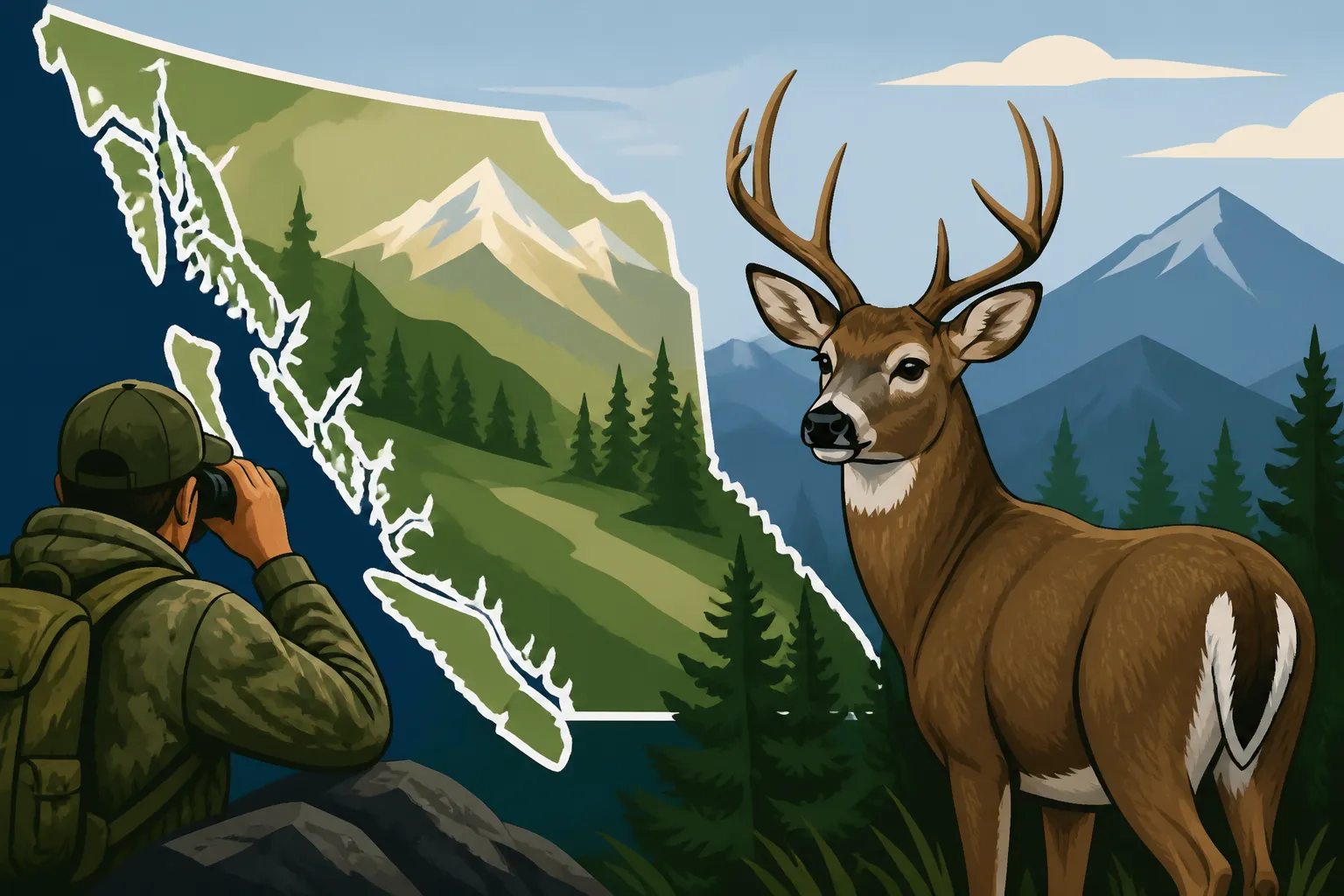
Hunting blacktail deer in British Columbia can feel like searching for a ghost in a rainforest. These elusive creatures thrive in dense cover, making them notoriously difficult to spot, let alone stalk. This guide is here to unravel the mysteries of blacktail habitat, helping you pinpoint the best grounds in British Columbia where these magnificent deer are most likely to be found, transforming your frustration into focused, productive hunts.
Understanding Blacktail Deer Habitat Needs
Blacktail deer are creatures of the coast, specifically adapted to the wet, rugged terrain and dense forests of British Columbia's western flank. Unlike their mule deer cousins who favour open sagebrush and pine forests, blacktails hug the timber, seeking refuge and forage in the thickest brush imaginable. Understanding their core habitat needs is the first step to finding success.
Second Growth Timber
When we talk about prime blacktail habitat, second-growth timber is often at the top of the list. These are areas that have been logged decades ago and are now growing back, creating a dense, tangled mess of young trees, brush, and understory that offers both excellent cover and abundant forage. The canopy isn't yet fully closed, allowing sunlight to reach the forest floor, which in turn promotes a rich growth of shrubs, ferns, and various browse species that blacktails love.
Picture a slope where logging happened 20 or 30 years ago. You’ll find thick stands of hemlock, Douglas fir, and red cedar that are just starting to push upwards, forming an almost impenetrable wall. Beneath this, salal, huckleberry, and Oregon grape flourish, providing a year-round buffet. This isn't easy country to hunt; it requires patience, slow movement, and often a fair bit of crawling. But it's precisely this difficulty that concentrates the deer, as they feel secure from predators, including us hunters. Hunting Vancouver Island Blacktail in Second Growth goes into even more detail about these specific areas, but suffice it to say, if you're looking for blacktail, you need to learn to love the bush.
Old Growth Edges
While blacktails thrive in second growth, they often utilize the edges of old-growth timber, especially where it transitions into younger stands, clearcuts, or even open areas. Old growth, with its towering trees and often sparse understory, might not seem like ideal habitat. However, these ancient forests provide critical thermal cover during harsh weather, protection from heavy rain and snow, and safe bedding areas.
The true value for a hunter lies in these transition zones. A blacktail might bed deep within the shadows of massive old-growth trees, but it will often venture out to feed along the sun-drenched edges where younger vegetation provides better forage. This edge habitat creates a natural funnel, giving you a distinct advantage. Imagine a majestic stand of centuries-old cedars ending abruptly at the border of a 15-year-old cutblock. That line, that interface, is where deer activity often explodes, offering opportunities for still-hunting or setting up quietly to intercept moving animals. If you’re scouting using an app like onX Hunt, look for these distinct changes in forest cover – the sharp lines between dark, dense timber and lighter, more open areas are gold.
Coastal Forages and Food Sources
The abundance and variety of food sources along the coast are a major draw for blacktail deer, influencing where they spend their time. These deer are browsers, meaning they prefer to nibble on leaves, twigs, and shrubs rather than graze on grass. The mild, wet climate of British Columbia's coast fosters an incredible array of year-round forage.
Key food sources include salal, huckleberry, salmonberry, and various ferns. During late summer and fall, berries become a critical part of their diet, drawing deer out into more open clearcuts or forest openings where these plants are abundant. In the winter, when deciduous browse is less available, they turn to evergreen options and lichens. Understanding this seasonal diet helps you predict where deer will be feeding. For instance, a south-facing slope with a good mix of huckleberry bushes in late summer might be holding multiple deer, whereas in the heart of winter, they might shift to denser, more sheltered areas with different browse. What a Coastal Blacktail Weighs is a testament to the rich forage these areas provide, allowing deer to put on significant weight.
Coastal Regions: The Blacktail Stronghold
When you think "blacktail," you should immediately think "coast." The majority of British Columbia's blacktail population is found in the coastal regions, including the mainland coast and the countless islands that dot the Pacific. These areas offer the perfect combination of mild temperatures, abundant rainfall, and varied terrain that blacktails thrive in.
Mainland Coast Valleys
The mainland coast of British Columbia is a labyrinth of steep mountains, deep fiords, and lush river valleys. It's in these valleys, particularly the lower to mid-elevations, where you'll find some of the best blacktail hunting opportunities. Rivers like the Fraser, Squamish, Homathko, and Klinaklini, as well as smaller drainages, create corridors of rich habitat, often with a mix of old growth, second growth, and riparian zones.
Access can be a challenge in these areas, often requiring boats, ATVs, or significant hiking, but the reward can be worth the effort. The dense vegetation and rugged topography mean deer often live long lives, growing to impressive sizes. Hunters willing to put in the work, navigating deactivated logging roads or even exploring river bars, often find unpressured deer. Consider looking for areas where creeks flow into larger rivers, as these often create small pockets of productive habitat. Don't underestimate the sheer volume of Hunting British Columbia's Coastal Rain; it's a constant factor and knowing how to hunt in it is key.
Rain Shadows and Wet Areas
While blacktails love the wet, certain microclimates and specific wet areas can be exceptionally productive. Rain shadows, for instance, are areas on the leeward side of mountains that receive less rainfall than the windward side. These zones can create a slightly different vegetation profile, sometimes favoring browse that deer prefer, or simply offering a respite from the constant saturation found elsewhere.
Conversely, very wet areas like coastal bogs, estuaries, and marshy river deltas also attract blacktail, especially for feeding. These nutrient-rich zones often produce specific types of forage that are highly palatable. For example, a coastal estuary at low tide can expose vast mudflats where deer might come to feed on sedges and other salty vegetation, particularly in the early morning or late evening. Understanding the interplay of these wet and drier micro-environments within the broader coastal region is crucial. Hunting a British Columbia River Estuary provides valuable insights into hunting these unique habitats.
Island Havens: Vancouver Island and Haida Gwaii
For many, the islands off British Columbia's coast represent the pinnacle of blacktail hunting. These isolated ecosystems have fostered robust deer populations, often with unique characteristics that make them exceptionally appealing to hunters.
Vancouver Island's Unique Dynamics
Vancouver Island is arguably the most famous blacktail hunting destination in British Columbia, and for good reason. Its massive size, diverse terrain, and extensive network of logging roads make it relatively accessible while still offering vast tracts of wilderness. The island's mild climate and abundant rainfall ensure lush vegetation year-round, supporting a healthy and widespread blacktail population.
The key to hunting Vancouver Island effectively is understanding its mosaic of habitat types. You'll find everything from dense coastal rainforests to high alpine meadows. Second-growth clearcuts are incredibly productive, especially those 5-25 years old. These areas offer both feed and cover, making them ideal places to still-hunt or spot-and-stalk. Public access on private forest lands can be a consideration here, so always check current regulations and access points. A tool like GoHunt can provide valuable data on management units and past success, though specific land access needs to be verified on the ground or through local resources. Blacktail Numbers on Vancouver Island remain strong, offering excellent opportunities year after year.
Haida Gwaii's Abundance
Haida Gwaii, formerly known the Queen Charlotte Islands, holds a legendary status among blacktail hunters due to its incredibly dense deer population. Sitka blacktail, a subspecies related to the Columbian blacktail found on the mainland, thrive here. Without many natural predators and a consistent supply of forage, deer numbers are exceptionally high, often leading to smaller-bodied deer but tremendous opportunities for harvesting.
Hunting Haida Gwaii is a unique experience. It often involves boat access to remote inlets and bays, followed by exploring the logging roads and clearcuts further inland. The weather can be notoriously unpredictable, with frequent rain and wind, so being prepared for adverse conditions is paramount. While the deer themselves may not be as large as those found on Vancouver Island or the mainland, the sheer abundance means a high probability of success for diligent hunters. Why Haida Gwaii Holds So Many Deer is a fascinating read if you're considering a trip to these remote islands.
Strategic Micro-Habitats and Scouting Tools
Beyond the broad regions, certain specific micro-habitats consistently hold blacktail deer. Knowing how to identify these on a map and in person can significantly increase your odds. Modern scouting tools have revolutionized how we approach finding these subtle nuances in the landscape.
Clearcuts and Transition Zones
Clearcuts are a blacktail hunter's best friend, but not all clearcuts are created equal. The ideal clearcut for blacktail is typically between 5 and 25 years old. Younger cuts might not have enough regrowth for cover or forage, while older ones might be too dense and overgrown to easily hunt. The "sweet spot" offers a mix of low browse, scattered slash piles for bedding, and just enough young trees to provide security.
The edges of these clearcuts are particularly important. Deer often utilize the thick timber adjacent to the cut for bedding during the day, then emerge into the more open areas to feed during dawn and dusk. Understanding the wind direction is critical when hunting these edges, as a deer will almost always approach an opening with the wind in its favor. Look for saddles, draws, and small benches along these clearcut boundaries that might funnel deer movement. Hunting a Recent Cutblock in Its Third Year offers specific tactics for these dynamic environments.
River and Stream Corridors
Throughout the coastal mountains, rivers and streams carve out lush corridors that provide consistent blacktail habitat, even in otherwise steep and less hospitable terrain. These riparian zones often feature different vegetation types due to increased moisture and richer soils, creating diverse food sources. They also serve as natural travel routes, allowing deer to move through dense country with relative ease.
Hunting these corridors often involves slow, methodical still-hunting along the banks, paying close attention to benches, thickets, and small openings. Look for areas where the river widens, creating gravel bars or small islands, which can sometimes host unique vegetation that deer find attractive. Additionally, tributaries feeding into larger rivers can create hidden pockets of prime habitat away from main travel routes, offering secluded spots for deer to feed and bed. Always be mindful of water levels and currents if you're considering crossing or hunting near active waterways.
Above the Fog Line
One often-overlooked strategy for finding blacktail, particularly during late season or specific weather events, is to hunt "above the fog line." Coastal British Columbia is frequently shrouded in low-lying clouds and fog, especially in the valleys and lower elevations. When this happens, deer will often move uphill, seeking the sunshine and clearer conditions found above the inversion layer.
Hunting above the fog line means climbing to higher elevations, often into subalpine or alpine fringes. Here, you might find deer feeding on different vegetation or simply enjoying the warmth and visibility. This strategy can be especially effective on cold, damp days when the lower country is miserable. It's a physically demanding hunt, but one that can pay off with a clear shot at a buck that feels secure above the dreary conditions below. Hunting Blacktail Above the Fog Line is a fantastic resource for understanding this specific, rewarding tactic.
Scouting Tools for Blacktail Grounds
Modern technology has made scouting for blacktail deer more efficient than ever before. While boots on the ground are irreplaceable, these tools help you narrow down your search and maximize your time in the field.
Satellite Imagery and Topo Maps
Digital mapping applications, like onX Hunt, have become indispensable for identifying potential blacktail habitat. High-resolution satellite imagery allows you to virtually explore vast areas, pinpointing clearcuts of varying ages, identifying old-growth timber lines, and tracing river and creek systems. You can mark potential bedding areas, travel corridors, and feeding zones right from your couch. Topographic maps, also integrated into these apps, help you understand the terrain, identifying benches, saddles, and drainages that funnel deer movement. Look for south-facing slopes, which tend to melt out faster and offer warmer bedding in colder months.
Combining these layers of information allows you to develop a strategic plan before you even leave home. You can identify potential access points, estimate hiking distances, and understand elevation changes. Some hunters even use these tools to identify areas that might be less accessible, and therefore less pressured, by cross-referencing with road networks and trail systems. Even if an area looks promising on the map, always verify conditions in person, as vegetation changes and road deactivations can alter accessibility.
Boots on the Ground and Local Knowledge
While digital tools are powerful, nothing beats "boots on the ground" scouting. This involves physically walking through potential hunting areas, looking for fresh sign such as tracks, droppings, rubs, and beds. Blacktail sign can be subtle, especially in the dense coastal vegetation, so slow and thorough searching is key. Pay attention to game trails, especially those leading from bedding areas to feeding grounds. Reading Blacktail Sign in Wet Ground is a crucial skill for any serious blacktail hunter.
Talking to local hunters, forest workers, or even area residents can provide invaluable insights. They might know about specific clearcuts that are consistently productive, areas that get less pressure, or current access challenges. Joining local rod and gun clubs is another excellent way to tap into a network of experienced hunters. Remember, blacktail are notoriously wary; the more firsthand knowledge you gather about their specific movements and preferred spots in your chosen area, the better your chances of success.
Here's a quick comparison of key blacktail habitat types:
| Habitat Type | Key Characteristics | Primary Deer Activity | Best Hunting Methods | Challenges |
|---|---|---|---|---|
| Second Growth Timber | Dense, young trees (5-25 years old), abundant browse | Bedding, feeding | Still-hunting, slow stalking | Extremely thick, poor visibility, noisy |
| Old Growth Edges | Transition zone between mature forest and younger growth | Feeding, travel | Still-hunting, ambushing | Deer can retreat quickly into dense timber |
| Clearcuts | Openings with regrowth, slash piles, various browse | Feeding (dawn/dusk) | Spot-and-stalk, glassing | Exposed, deer are wary, can be windy |
| River/Stream Corridors | Lush riparian vegetation, natural travel routes | Travel, feeding, bedding | Still-hunting, tracking | Water obstacles, thick undergrowth |
| Above the Fog Line | Higher elevation, clear conditions above cloud cover | Feeding, bedding | Spot-and-stalk, glassing | Physical exertion, rapidly changing weather |
| Coastal Estuaries | Marshy flats, tidal influence, specific salty forage | Feeding (low tide) | Spot-and-stalk, ambushing | Access (boat often needed), tides, open exposure |
Disclaimer
This article is for general informational purposes only and does not constitute professional advice. Laws, prices and regulations vary by location and change over time. Consult a qualified professional for guidance on your specific situation.