Access Around the Lower Mainland
It's a common frustration, isn't it? You live in the bustling Lower Mainland of British Columbia, surrounded by millions of people, yet your heart yearns for the quiet solitude of the backcountry and the thrill of a hunt. Many assume that genuine hunting opportunities simply don't exist within a reasonable drive of Vancouver, Surrey, or Abbotsford. They believe you have to head way up north or deep into the Interior for any chance at success. But that's not entirely true. This guide is here to unravel the complexities of hunting access around the Lower Mainland, showing you how to find those overlooked pockets of opportunity and make the most of what's available close to home.
The Lower Mainland's Unique Hunting Challenge
Living and hunting in proximity to British Columbia's largest population centre comes with its own distinct set of challenges and, surprisingly, some unique opportunities. It’s not the vast, untouched wilderness of the Peace Region, nor the sprawling Interior plateau, but it’s still British Columbia, and with effort, you can find success.
The Urban-Wildland Interface
The most immediate challenge for hunters near the Lower Mainland is undoubtedly the urban-wildland interface. One minute you're driving through dense suburban sprawl, the next you're on a gravel road heading into what looks like promising timber. This transition zone is often a patchwork of private land, small Crown land parcels, recreational trails, and increasing human activity. This means that while game might be present, you're constantly navigating the realities of development, noise, and other outdoor enthusiasts. It's not uncommon to find excellent deer habitat just a few kilometres from housing developments, but accessing it legally and ethically can be a puzzle. The pressure on these accessible areas can be immense, especially on opening weekends. You're competing with dog walkers, mountain bikers, hikers, and other hunters, all vying for their piece of nature. It requires a different mindset than a remote backcountry hunt; stealth and respect for others become paramount.
Perceived Lack of Opportunity
Many hunters, especially those new to the province or coming from more rural backgrounds, often express a strong sense that there's simply "no hunting" left near the Lower Mainland. They see the highways, the farms, the towns, and instantly write off anything within a few hours' drive. This perception, while understandable, actually creates some of the very opportunities that exist. Because so many people believe there's nothing to hunt, fewer people actually put in the effort to explore these closer-to-home zones. This can leave certain pockets, especially those requiring a bit more legwork or bushwhacking, surprisingly under-pressured. It’s a self-fulfilling prophecy in reverse – the perceived lack of opportunity leads to less competition, which, for the diligent hunter, translates into actual opportunity. The key is to shift your perspective and realize that "hunting" doesn't always mean a multi-day trip deep into untouched wilderness.
Managing Expectations for Local Hunts
Let's be realistic: hunting near the Lower Mainland isn't going to be a Boone and Crockett record-breaking expedition every time you go out. While big animals do get harvested in these areas, the primary goal here should be enjoying the outdoors, honing your skills, and perhaps filling a tag for table fare. Expect smaller parcels of huntable land, potentially higher hunter density, and the need for extreme vigilance regarding safety and regulations. A successful hunt might mean a smaller blacktail buck or a couple of grouse, rather than a massive bull moose. The reward is the convenience, the ability to make frequent short trips, and the satisfaction of finding game where others assume none exists. These hunts are often more about the experience of getting out, scouting, and learning the local terrain than they are about monster trophies. It’s about understanding the subtle movements of game around human activity and adapting your tactics accordingly.
Navigating Management Units and Regional Boundaries
To successfully hunt anywhere in British Columbia, including the Lower Mainland region, you absolutely must understand Management Units (MUs) and their boundaries, as well as the broader Regional structure. This is your roadmap to legal and ethical hunting.
Identifying Accessible MUs
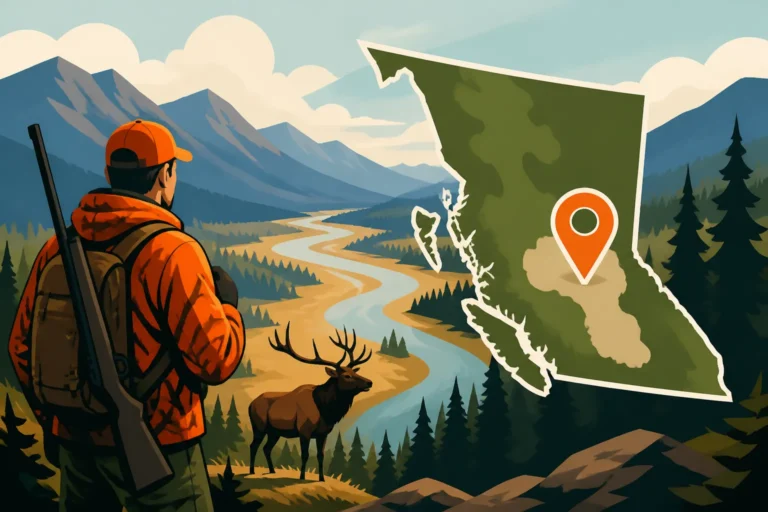
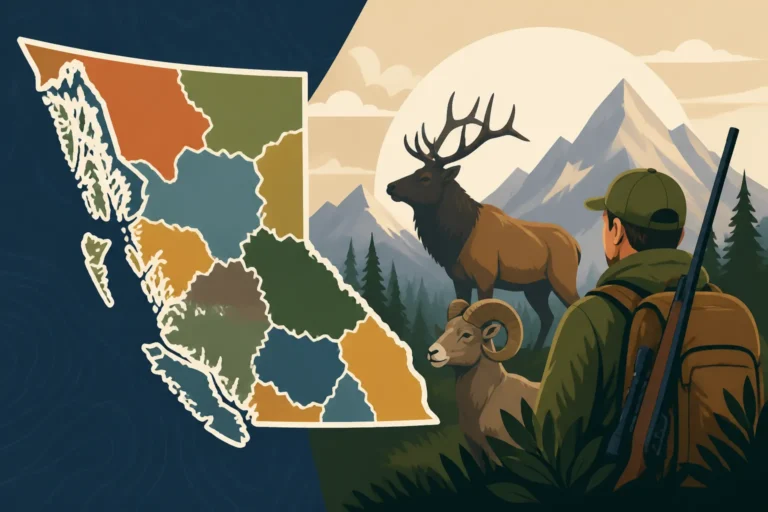
The Lower Mainland falls primarily within Region 2 (Lower Mainland), but its fringes reach into Region 3 (Thompson) and Region 4 (Kootenay) for those willing to drive a bit further east. Knowing your MUs is critical because hunting regulations, seasons, and bag limits are set at this granular level. Many of the MUs immediately surrounding Vancouver and its suburbs have heavily restricted seasons, or are entirely closed to hunting due to population density, safety concerns, or specific wildlife management zones. However, as you move east and north, towards areas like Chilliwack, Hope, Mission, and Harrison Lake, MUs open up, offering general open seasons (GOS) or Limited Entry Hunting (LEH) opportunities.
Start by looking at the official British Columbia hunting regulations synopsis maps. These maps, often found in the "Map Schedules" section, will clearly delineate MU boundaries. Areas like MU 2-3, 2-4, 2-5, 2-6, and 2-7 are often the first targets for Lower Mainland hunters, offering a mix of terrain from valley bottoms to steep coastal mountains. But don't stop there. Consider MUs just beyond Region 2's eastern boundary, in the westernmost parts of Region 3 or the northern edge of Region 4, if you're prepared for a slightly longer drive. These might offer less pressure and different species mixes. Digital mapping tools, like the ones offered by onX Hunt or GoHunt, are invaluable here, as they overlay MU boundaries directly onto topographical maps, making it much easier to visualize where you can and cannot legally hunt. Before you even set foot out the door, take the time to study these maps and cross-reference them with the current regulations. A quick glance at the British Columbia's Management Units and Regions post can help you get started with this fundamental concept.
Understanding Regional Differences
British Columbia is vast, and its nine hunting regions reflect incredible diversity in geography, climate, and wildlife populations. For hunters focusing on the Lower Mainland, understanding the immediate Region 2 and its neighbouring Regions 3 and 4 is key.
- Region 2 (Lower Mainland): This region is characterized by dense human populations, significant agricultural areas, and steep, rugged coastal mountains that quickly rise from sea level. Hunting opportunities here are often for Blacktail deer, black bears, and various upland birds. Access can be a challenge due to private land, park closures, and heavy recreational use. Seasons are carefully managed to account for proximity to human habitation. When hunting here, remember that you're operating in a highly visible area, and ethical behaviour is paramount.
- Region 3 (Thompson): Just to the east of Region 2, the Thompson region offers a stark contrast. As you move out of the coastal rainforest and into the rain shadow, the landscape becomes drier, with grasslands, open timber, and interior mountains. This region offers species like Mule Deer, Moose (in northern parts), Elk, and a wider variety of upland birds. While a bit further to drive, areas like the Fraser Canyon or Merritt region can offer a different hunting experience with potentially less direct human pressure than the core of Region 2.
- Region 4 (Kootenay): Further east still, the Kootenay region is known for its dramatic mountain ranges, deep valleys, and diverse wildlife including Rocky Mountain Elk, Mule Deer, Whitetail Deer, Moose, and various sheep and goat species. While a much longer drive from the Lower Mainland, some hunters might consider its western fringes for multi-day trips if they're looking for different game or a more traditional "mountain hunt" experience.
Each region has its own specific regulations, species densities, and hunting culture. Your strategies and expectations should adapt as you move from one to another. A deer hunt in the coastal mountains of Region 2 will be vastly different from one in the dry pine forests of Region 3.
The Importance of the Hunting Regulations Synopsis
I cannot stress this enough: the British Columbia Hunting Regulations Synopsis is your bible. It is the single most important document you will consult before and during your hunt. Regulations can and do change, sometimes significantly, from year to year. Relying on old information, hearsay, or assumptions can lead to serious fines, loss of hunting privileges, or worse.
For hunters around the Lower Mainland, paying close attention to specific MU descriptions is paramount. The synopsis will detail legal hunting methods, bag limits, season dates, and any special restrictions for each MU. For example, some MUs might have archery-only seasons, specific antler restrictions for deer (like the British Columbia's Four-Point Antler Restriction), or explicit closures. You'll also find information on restricted areas like Provincial Parks, Wildlife Management Areas, or other protected zones where hunting is prohibited or highly regulated. Always ensure you have the most current version, which is typically published every two years. Keep a digital or physical copy with you whenever you're afield. A quick read through British Columbia's Two-Year Regulations Synopsis can give you a deeper dive into this vital resource. Don't skim, don't guess—read it thoroughly.
Understanding Crown Land and Private Property
The vast majority of British Columbia is Crown land, open to public access, including hunting. However, especially around the Lower Mainland, the picture becomes more nuanced. You'll encounter a mosaic of privately owned parcels, industrial forest lands, and various types of Crown land, each with its own access rules and implications for hunters.
Accessing British Columbia's Crown Land Network
British Columbia boasts millions of hectares of Crown land, much of which is accessible for hunting. The challenge near the Lower Mainland is identifying the huntable Crown land that isn't already carved up by private ownership, heavily used for recreation, or otherwise restricted. As you move away from the immediate Fraser Valley flatlands and into the surrounding mountains, the proportion of Crown land increases dramatically. These mountainous areas, often steep and dense with coastal timber, hold blacktail deer and black bears.
The key to unlocking these areas is often elevation and effort. While the lower, more accessible benches might see significant pressure, venturing higher into the subalpine or tackling steep terrain away from main roads can lead you to relatively undisturbed pockets. British Columbia Crown Land Access provides more details on navigating these areas. Remember that while Crown land is public, there are still rules about vehicle use, camping, and where you can discharge a firearm. Always consult the regulations for any specific MU you plan to hunt to ensure you're compliant with local restrictions. These rules are particularly important when you're hunting within earshot of residences or popular recreation sites.
Forest Service Roads and Deactivated Routes
Forest Service Roads (FSRs) are the lifeblood of access into much of British Columbia's backcountry, including areas within a few hours of the Lower Mainland. These gravel roads, built and maintained (to varying degrees) by logging companies and the government, penetrate deep into the mountains, opening up vast tracts of Crown land. When planning a hunt, FSRs are often your primary means of entry. Look for active logging operations (and be aware of industrial radio channels and right-of-way rules), or explore FSRs that lead to old cutblocks, high-elevation benches, or trailheads.
However, many FSRs, especially those that haven't seen active logging in years, can become "deactivated." This means they might be trenched, barricaded, or simply allowed to fall into disrepair, making them impassable by vehicle. This isn't necessarily a bad thing for hunters! Deactivated Roads on British Columbia Crown Land explains how these routes often provide excellent foot access into otherwise inaccessible areas, greatly reducing hunter pressure. You might have to park at a gate or trench and hike in several kilometres, but the reward can be quieter hunting grounds. Always check for current road conditions and closures, as things can change rapidly due to weather, logging activity, or wildfires. Services like onX Hunt can show you many of these roads and tracks, helping you plan your approach.
Navigating Private Land and Industrial Forest Lands
Near the Lower Mainland, a significant amount of land, particularly in the valley bottoms and lower slopes, is privately owned. This includes agricultural fields, private residences, and large parcels owned by industrial forest companies. Hunting on private land always requires explicit permission from the landowner. Trespassing, even inadvertently, is a serious offense and can erode public support for hunting. Always know where you stand, and if in doubt, don't go. The British Columbia Trespass and Private Land Law outlines your responsibilities.
Industrial forest lands, often owned by large timber companies, present a unique situation. While technically private, many companies allow public access for recreation, including hunting, on their managed lands. However, this access is often regulated by gates, seasonal closures (especially during fire season or active logging), and sometimes requires permits. These industrial lands, particularly on Vancouver Island and in coastal areas, can offer excellent hunting for blacktail deer and bears, as the logging creates prime forage. It's crucial to research the specific company's access policies for the area you're interested in. Sometimes, these companies have online maps or contact information to inform the public about access points and restrictions. Failing to respect these rules can lead to permanent closures for everyone. Getting Onto Private Forest Land in British Columbia goes into more detail on how to navigate this.
| Land Type | Accessibility | Key Characteristics | Challenges for Hunters | Opportunities for Hunters |
|---|---|---|---|---|
| Crown Land (Accessible) | Generally open to public | Vast, diverse terrain, often mountainous | Higher pressure near roads, can be steep | Remote feel, good for active hunters |
| Crown Land (Deactivated FSRs) | Foot/non-motorized access only | Roads grown in, barriers | Requires significant hiking | Reduced hunter pressure, solitude |
| Private Land (Residential/Farm) | Requires explicit permission | Developed, agricultural | Legal restrictions, landowner relations | High quality habitat if access granted |
| Industrial Forest Land | Often regulated access (gates, permits) | Logged areas, regenerating forest | Seasonal closures, permits, active logging | Excellent forage, diverse habitat |
Species and Seasons to Target Near the Lower Mainland
While the Lower Mainland isn't known for its huge moose or elk herds, there are definite opportunities for other big game and upland birds. Success often hinges on knowing what to target and when.
Blacktail Deer: A Coastal Staple
The Columbian Blacktail Deer is the quintessential Lower Mainland big game animal. These deer thrive in the dense coastal forests, particularly in areas with a mix of old growth, second growth, and recent clearcuts that provide abundant forage. They are notoriously elusive, blending seamlessly into the dark timber and often holding tight in heavy cover. Hunting blacktail successfully near the Lower Mainland means understanding their habitat use in these specific conditions. Look for them in areas of regenerating forest, along the edges of clearcuts, in brushy draws, and on benches above river systems. They will also utilize areas of mature timber for bedding and shelter, especially during heavy rain or snow.
The hunting seasons for blacktail deer in Region 2 typically run from September through December, with specific archery-only periods and general open seasons for rifles. Antler restrictions are common, so always check the regulations carefully for the specific MU you're hunting. These hunts often involve still-hunting through thick timber, glassing cutblocks at first light and last light, or tracking fresh sign in the wet forest duff. Patience and quiet movement are far more valuable than covering vast distances. For more in-depth knowledge, check out Hunting British Columbia's Coastal Blacktail or Black-Tailed Deer Hunting in British Columbia. Remember that success with blacktail often comes down to meticulous scouting and adapting to the variable coastal weather conditions.
Black Bears: Spring and Fall Opportunities
British Columbia is home to a robust population of black bears, and the Lower Mainland region is no exception. These intelligent animals are found throughout the coastal mountains and valleys, offering hunting opportunities in both spring and fall.
- Spring Bear Season: Typically runs from April through June. During this time, bears are emerging from hibernation and actively seeking food, often gravitating towards green-up on south-facing slopes, avalanche chutes, and newly growing vegetation along logging roads and clearcuts. They are also drawn to estuaries and river bottoms where early vegetation is lush. A common tactic is glassing clearcuts or road systems at dawn and dusk, looking for bears foraging. Remember to thoroughly judge any bear to ensure it's not a sow with cubs, which is illegal to harvest. British Columbia Spring Bear Season Dates offers more detail on these early hunts.
- Fall Bear Season: Generally runs from September into November. In the fall, bears are focused on putting on weight for winter. This means they'll be found in areas with abundant berry crops (like blueberries, huckleberries, and salmonberries), along salmon-spawning streams, and in hard mast areas if they exist. Hunters might find them on berry-laden slopes or even in agricultural areas on the fringes of the valley, searching for grain or other crops. These hunts can be challenging due to the dense vegetation and the bears' keen senses. Understanding their food sources and patterns is key to success. Check the Fall Bear Season Dates by Region for specific dates in your chosen MU.
Upland Birds: Hidden Gems
While often overlooked by big game hunters, the Lower Mainland and its surrounding areas can offer surprisingly good upland bird hunting. These smaller game animals provide a fantastic opportunity for a quick trip out, to introduce new hunters, or to extend your time afield.
- Grouse: Blue Grouse (now often referred to as Dusky or Sooty Grouse), Ruffed Grouse, and Spruce Grouse can all be found in the timbered areas surrounding the Lower Mainland. Blue Grouse are often found on logging roadsides and in clearcuts, especially as they move to higher elevations in the fall. Ruffed Grouse prefer alder bottoms and riparian zones, while Spruce Grouse inhabit denser conifer stands. Walking logging roads or hiking through regenerating clearcuts can often flush these birds. It's an active form of hunting, requiring quick reflexes. British Columbia Grouse Season and Limits provides season dates and bag limits.
- Pheasants: While not native to British Columbia, there are areas, particularly in the Fraser Valley, where pheasants are released for hunting opportunities. These are often associated with specific hunting clubs or managed release programs. It's not a wild pheasant hunt in the traditional sense, but it can provide an exciting day afield, especially for those with bird dogs. Be sure to understand the specific rules and regulations for these released bird hunts, as they often differ from general open seasons. The When Pheasant Season Opens in British Columbia post can give you a starting point.
Tools and Strategies for Successful Access
Hunting effectively near the Lower Mainland demands a blend of modern technology and traditional woodsmanship. It's not just about knowing where to go, but how to approach, access, and hunt these often-pressured areas smartly and ethically.
Leveraging Digital Mapping Tools
In today's hunting landscape, digital mapping applications have become indispensable, especially when deciphering the complex land ownership and access issues around the Lower Mainland. Tools like onX Hunt and GoHunt are game-changers for identifying huntable zones.
These platforms allow you to:
- Identify Land Ownership: Crucially, they show you whether a parcel is Crown land (public), private, or industrial timber land. This instantly clarifies where you can legally hunt and where you might need to seek permission.
- Overlay Management Unit Boundaries: This is vital for ensuring you're in an open hunting area for your target species and complying with specific MU regulations.
- Pinpoint Roads and Trails: They show Forest Service Roads, deactivated logging roads, and even faint trails that might not appear on standard road maps. This helps plan your access points and potential hike-in routes.
- Analyze Topography and Habitat: By viewing satellite imagery and topographic maps, you can identify potential clearcuts, old growth timber, river bottoms, steep slopes, and other features that might hold game.
- Mark Waypoints and Tracks: You can mark potential hunting spots, parking areas, game sign, or even track your own movements while scouting or hunting.
Before heading out, spend time with these apps at home. Virtually scout the area, identify potential access points, and note any potential barriers like private property or restricted zones. This pre-planning can save you countless hours of driving around aimlessly and ensure you're always hunting legally and ethically.
The Value of Pre-Season Scouting
No amount of digital mapping can replace boots on the ground. Pre-season scouting, particularly for hunting areas near the Lower Mainland, is absolutely critical for success. These areas are dynamic, with logging operations, new trails, and varying game patterns.
Here's why scouting is so important:
- Confirm Access: What looks like an open FSR on a map might be deactivated, washed out, or gated. Scouting allows you to verify actual access points and road conditions.
- Identify Fresh Sign: Look for deer tracks, rubs, scrapes, bear scat, and feeding areas. This tells you what game is currently using the area.
- Understand Pressure: Scouting during non-hunting seasons or on weekdays can reveal how much recreational pressure an area gets from hikers, mountain bikers, or other users. This influences where and when you might choose to hunt.
- Locate Specific Habitat Features: Find those hidden benches, secluded clearcut edges, or dense thickets where animals might be bedding or feeding. These subtle features often dictate where game will be.
- Practice Your Approach: Scout the terrain to identify quiet routes, prevailing winds, and potential ambush points. Understand the lay of the land, so you're not trying to figure it out for the first time with a rifle in your hands.
Even short, frequent scouting trips can yield immense benefits. A day spent hiking a logging road in July or August, just observing and looking for sign, will give you a significant advantage when the season opens. Refer to Scouting a British Columbia Management Unit Online to learn more about starting your scouting efforts digitally, then transition to physical scouting.
Respecting Other Users and Hunter Ethics
Hunting near population centres means you are a highly visible ambassador for the entire hunting community. Your actions will directly influence public perception and potential future access. Therefore, upholding the highest standards of hunter ethics and respecting other land users is not just a courtesy, it's a responsibility.
- Be Visible and Courteous: When encountering hikers, mountain bikers, or other recreationalists, be polite and clearly identify yourself as a hunter. Wearing blaze orange during applicable seasons is also a wise choice, even if not strictly mandated in certain areas, as it enhances safety and visibility.
- Practice Safety Above All: Always know your backdrop. Be absolutely certain of your target and what lies beyond it, especially when hunting close to populated areas or active recreation trails.
- Clean Up Your Act: Pack out all your garbage. Leave gates as you found them (open gates stay open, closed gates stay closed). If you harvest an animal, ensure it's handled respectfully and out of public view as much as possible. Avoid dragging a bloody animal down a popular hiking trail if an alternative exists.
- Know Your Laws: Ignorance of the law is no excuse. Double-check all regulations regarding legal shooting distances from roads, dwellings, or parks.
- Mind Your Noise: While not always avoidable, be conscious of excessive noise, especially in areas where residents might be nearby.
By being a responsible and respectful hunter, you not only ensure your own positive experience but also contribute to the long-term viability of hunting access in these critical urban-wildland interfaces. It's about demonstrating that hunters are responsible conservationists and good neighbours.
Disclaimer
This article is for general informational purposes only and does not constitute professional advice. Laws, prices and regulations vary by location and change over time. Consult a qualified professional for guidance on your specific situation.