Hunting the Spatsizi Plateau
The Spatsizi Plateau, a name that evokes images of true wilderness and challenging hunts, calls to many of us who yearn for an experience far removed from the everyday. But for all its allure, the sheer remoteness and rugged nature of this vast northern British Columbia landscape can feel incredibly daunting to approach. This guide is here to demystify hunting the Spatsizi, offering a realistic look at what it takes to pursue game in one of North America's last great wild places.
The Lure and Reality of the Spatsizi Plateau
There's something almost mythical about the Spatsizi. When you talk to hunters who have been there, their eyes light up with tales of endless plateaus, towering peaks, and encounters with wildlife that feel truly wild. It’s a place that strips away the modern world and leaves you with raw, untamed nature. But that magic comes with a significant dose of reality, one that demands respect, meticulous planning, and a deep understanding of what you're getting into.
What Makes Spatsizi Unique for Hunters?
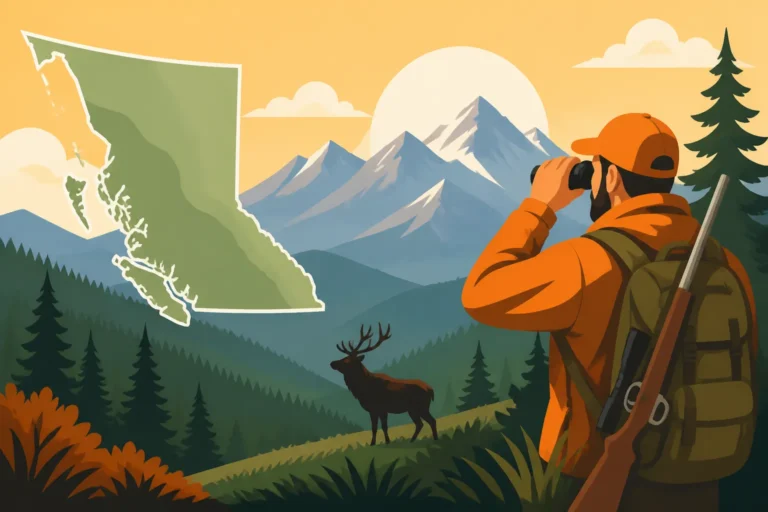
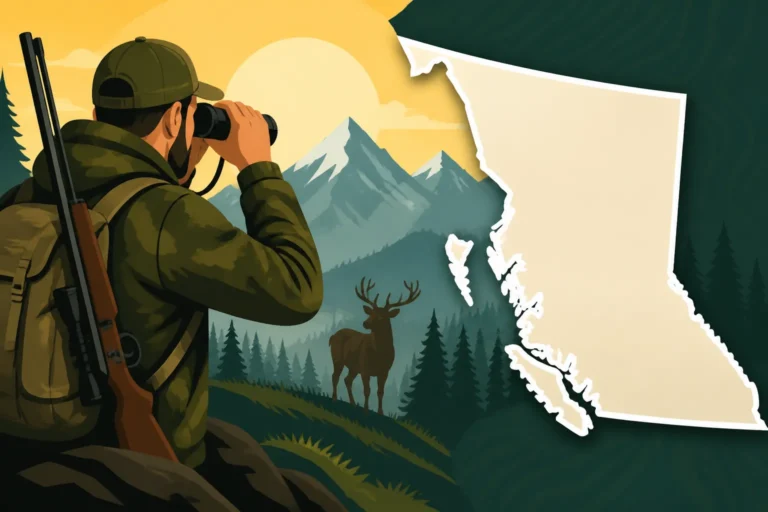
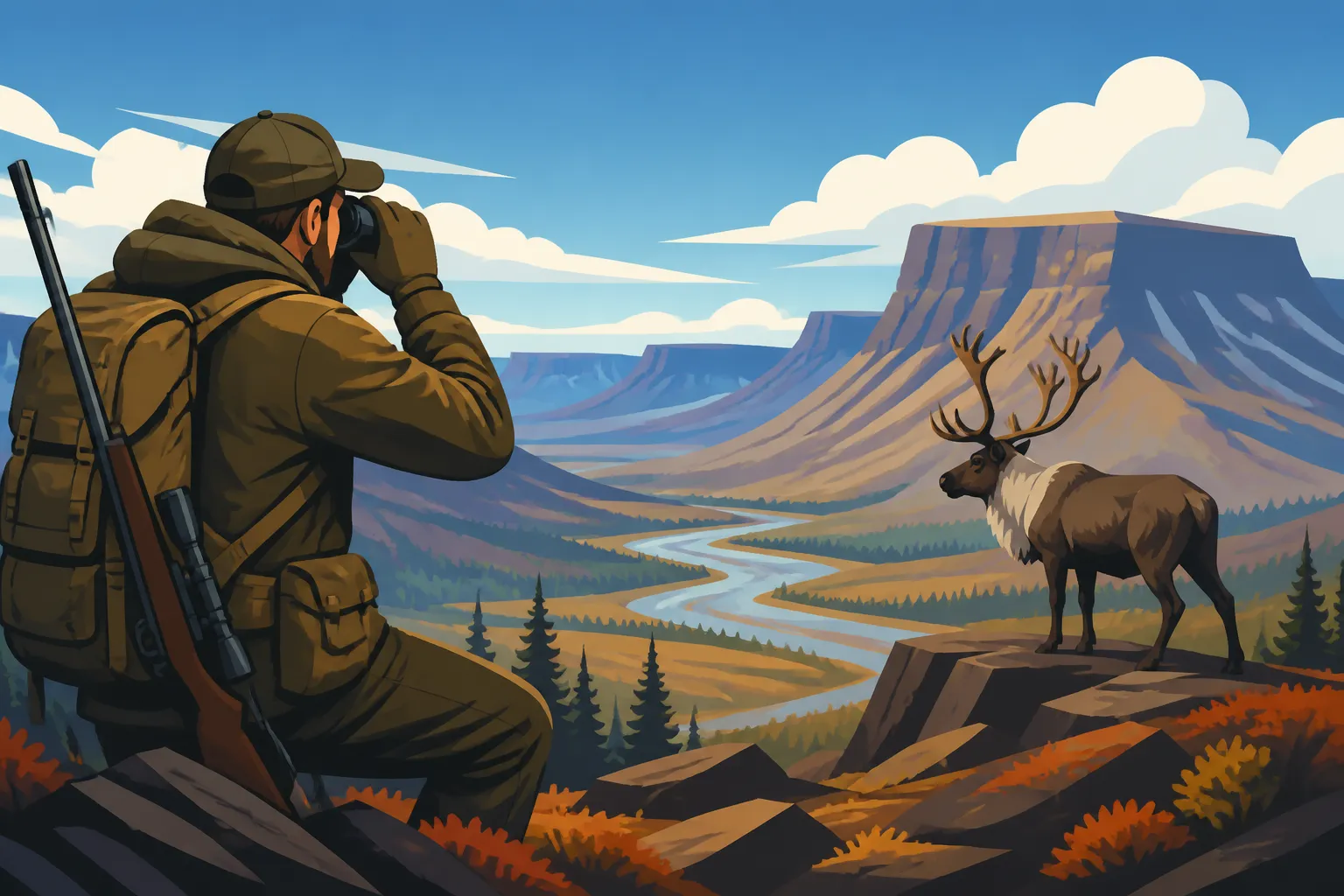
The Spatsizi Plateau, often referred to as "the Serengeti of the North," is a vast, high-elevation wilderness area in northern British Columbia. It’s characterized by expansive open plateaus, alpine meadows, rolling hills, and deep river valleys. Unlike many other hunting areas in BC that are dissected by logging roads or easily accessible, the Spatsizi is largely roadless. This remoteness is its greatest asset and its biggest hurdle. Hunters come here seeking an ultimate wilderness experience, often for iconic species like Stone's Sheep and mountain caribou, which thrive in these undisturbed ecosystems. The sheer scale of the landscape means you’re often glassing for hours, covering miles on foot or horseback, and truly earning every sighting. It’s not just a hunt; it's an expedition into a world few ever see.
The weather patterns here can be as unpredictable as they are extreme, swinging from warm, sunny days to freezing rain, snow, and gale-force winds in mere hours, even in late summer. This adds another layer of complexity to any hunt, demanding resilient gear and an even more resilient mindset. Furthermore, the limited access points and the need for significant logistical planning mean that a Spatsizi hunt is typically a multi-day, or even multi-week, commitment. This isn't a place for a quick weekend warrior trip; it requires an investment of time, money, and considerable physical effort.
Key Species Found on the Plateau
The Spatsizi Plateau is a biological hotspot, supporting a diverse array of large mammals that draw hunters from around the globe. Understanding which species are present and where they typically range is crucial for planning your hunt.
The undisputed crown jewel for many is the Stone's Sheep. These magnificent animals call the high, rugged peaks and rocky slopes of the Spatsizi home. Hunting them is an exercise in extreme physical endurance, patience, and precise spot-and-stalk tactics. Hunters spend days glassing vast basins, carefully planning multi-hour, sometimes multi-day, stalks across treacherous terrain. Spatsizi is renowned for producing exceptional rams, making it a coveted destination for sheep hunters. If you're considering a sheep hunt, you'll definitely want to read up on Stone's Sheep in Northern British Columbia.
Next, the mountain caribou are another iconic species of the Spatsizi. These animals prefer the open alpine tundra and subalpine areas, often grazing on lichens. Caribou herds in BC have faced challenges, and hunting opportunities are highly regulated, sometimes restricted or closed in certain areas. Always verify the current regulations for any specific management unit within the Spatsizi. When open, a caribou hunt on the plateau offers a unique experience, often involving covering vast distances across open country. If you manage to draw an LEH tag, make sure you understand the nuances of Caribou Hunting Where Seasons Are Open.
Moose are also found in the Spatsizi, typically favoring the lower elevations, river valleys, willow flats, and areas of dense timber. While the Spatsizi isn't solely known as prime moose country compared to some other regions, healthy populations can be found. Hunting moose here often involves a blend of spot-and-stalk in more open areas and calling techniques in denser cover, particularly during the rut. For general strategies, consider reading Moose Hunting British Columbia's Interior.
Mountain Goats inhabit the steepest, most precipitous cliffs and broken terrain, often at higher elevations than sheep. These incredibly hardy animals offer one of British Columbia's most challenging hunts, requiring extreme climbing ability and a head for heights. While Spatsizi isn't exclusively known for its goat hunting, the rugged peaks certainly hold pockets of these elusive creatures. Tactics for goats are often similar to sheep, focusing on extensive glassing and careful, methodical climbs. You might find general advice on hunting goats useful in Mountain Goat Hunting in British Columbia's Coast Range, even if the terrain differs slightly.
Finally, both grizzly bears and black bears are residents of the Spatsizi ecosystem. While grizzly hunting is closed in BC, encounters are a very real possibility, and having a solid Grizzly Safety on a British Columbia Hunt plan is non-negotiable. Black bears are present throughout, especially in berry patches during late summer and fall, or along river systems where they may forage for fish. They are often encountered incidentally while hunting other species, though targeted black bear hunts are also possible.
Here's a quick overview of the primary big game species you might encounter in the Spatsizi:
| Species | Preferred Habitat | Typical Hunting Method | Key Challenge | Status/Notes |
|---|---|---|---|---|
| Stone's Sheep | High alpine, rocky slopes, exposed ridges | Spot-and-stalk | Extreme physical demand, remoteness | Highly sought-after, LEH or Outfitter required for non-residents |
| Mountain Caribou | Open alpine tundra, subalpine meadows | Spot-and-stalk | Vast distances, weather variability | Seasons highly regulated, often LEH draw only |
| Moose | River valleys, willow flats, timber | Spot-and-stalk, calling | Dense cover, difficult packing | Good populations in lower elevations |
| Mountain Goat | Steep cliffs, broken rock, high peaks | Spot-and-stalk | Treacherous terrain, extreme climbing | Challenging hunt, LEH or Outfitter required for non-residents |
| Black Bear | Forests, berry patches, river bottoms | Spot-and-stalk, incidental | Common, but can be wary | General open season, often incidental to other hunts |
Accessing the Remote Spatsizi Wilderness
The biggest hurdle for any hunter dreaming of the Spatsizi Plateau is simply getting there. This isn't a place you can just drive to; its remoteness is part of its allure, but it also necessitates specialized and often costly access methods. Understanding your options and their implications is paramount.
Fly-In Access and Logistics
For most hunters, particularly those targeting the vast interior of the Spatsizi, a bush plane is the only realistic mode of transportation. Air charters operate from various staging points, often towns like Smithers, Terrace, or Watson Lake (Yukon), depending on the specific region of the Spatsizi you're aiming for. These flights are an adventure in themselves, often utilizing small, rugged aircraft capable of landing on remote lakes or gravel bars.
The logistics involved with fly-in access are complex and demand meticulous planning. You'll need to coordinate flight schedules, ensure your gear adheres to strict weight and size limits, and be prepared for potential weather delays that can push your flight back by hours or even days. The cost of these charters is a significant component of a Spatsizi hunt budget, typically running into the thousands of dollars, so budget accordingly. You’ll need to figure out your gear list very carefully, knowing that every pound adds up and you're limited to what the plane can safely carry. This isn't the time to bring your entire camp kitchen; ultralight backpacking gear is usually the name of the game.
When you fly in, you're truly isolated. Once the plane drops you off, you're entirely on your own until its scheduled return. This means having self-sufficiency skills, comprehensive emergency preparedness, and reliable communication devices like a satellite messenger. For non-residents, a guided hunt through a licensed outfitter is generally required for most big game species, and they will arrange the necessary air charter into their territory. They have the experience and local knowledge to navigate these complex logistics, from coordinating flights to establishing base camps.
Horseback and Backpacking Into Spatsizi
While fly-in is common, some hunters, particularly residents or those on guided trips with horse packers, might opt for horseback access into specific parts of the Spatsizi. This method allows you to cover more ground than backpacking alone and carry more supplies, but it comes with its own set of challenges. Managing horses in remote, rugged terrain requires significant experience, and the logistics of feed, picket lines, and animal health add another layer of complexity.
For the truly intrepid and physically fit, backpacking into the fringes of the Spatsizi is an option. This is often done from the ends of the few rough roads that might penetrate the outer boundaries of the region. However, these roads are often deactivated or require serious off-road vehicles to reach, making the initial access point difficult. Once on foot, you’re looking at multi-day pushes just to reach prime hunting areas. The physical demands are immense, as you'll be carrying all your gear, food, and water for the duration of your hunt, often over steep, uneven ground.
Whether flying, riding, or hiking, your method of access will dictate your hunting style, the amount of gear you can bring, and the overall physical and mental challenge of your trip. Regardless of how you get there, the journey itself is a significant part of the Spatsizi experience, forcing you to confront the scale and wildness of the landscape long before you even draw your bow or shoulder your rifle. For those looking to tackle truly wild terrain with a heavy pack, reading Backpack Hunting British Columbia's Sheep Country offers excellent insights.
Planning Your Spatsizi Hunt: What You Need to Know
A successful Spatsizi hunt isn't just about sharp shooting or keen eyesight; it's predominantly about meticulous planning and preparation long before you ever set foot on the plateau. This involves navigating complex regulations, assembling the right gear, and ensuring you're both physically and mentally ready for the challenges ahead.
Navigating Regulations and Seasons
British Columbia's hunting regulations can be dense, and nowhere is it more critical to understand them than in a remote area like the Spatsizi. The entire region falls within specific Management Units (MUs) and often within Limited Entry Hunting (LEH) zones for many of its most coveted species, like Stone's Sheep and Mountain Goat. You absolutely must consult the current BC Hunting and Trapping Regulations Synopsis for the specific MUs you intend to hunt. This will detail season dates, bag limits, antler restrictions, and whether a species is General Open Season (GOS) or LEH only.
For non-residents of British Columbia, the regulations are even more stringent. Generally, non-residents require the services of a licensed guide outfitter to hunt most big game species. There are exceptions, such as hunting under a Permit to Accompany Explained with a resident family member or friend, but even this has specific rules and limitations. Understanding Rules for Non-Residents Hunting British Columbia is essential before any planning begins.
Compulsory reporting and inspection rules are also critical. For species like Stone's Sheep and Moose, there are mandatory reporting requirements, and often specific parts of the animal (like the skull and horns for sheep) must be presented for compulsory inspection within a set timeframe. Failing to comply can result in fines and loss of your animal. Stay informed about British Columbia's Compulsory Reporting Rules to avoid any issues. Using digital tools like onX Hunt can help you visualize MU boundaries, private land, and even potential access points, which is invaluable when cross-referencing with the regulations. Similarly, GoHunt can be a useful resource for researching draw odds if you're looking at LEH opportunities.
| Planning Stage | Key Considerations | Essential Resources |
|---|---|---|
| Research & Regulations | Target species, season dates, LEH vs. GOS, bag limits | BC Hunting & Trapping Regulations Synopsis, Government BC Fish & Wildlife website |
| Licences & Tags | Resident vs. Non-Resident, species tags, Habitat Stamps | British Columbia's Species Licences and Tags |
| Access & Logistics | Fly-in charter, horseback, backpacking, cost | Air charter companies, outfitter services, mapping apps |
| Gear & Supplies | Clothing, shelter, food, navigation, safety, comms | Personal gear lists, satellite communication providers |
| Physical Prep | Endurance training, strength, agility | Personal fitness routine, hiking with weighted pack |
| Mental Prep | Patience, resilience, problem-solving | Discuss with experienced hunters, scenario planning |
Essential Gear and Preparation
Hunting the Spatsizi is an unforgiving endeavor that demands high-quality, reliable gear. This is not the place to skimp on essentials. Your packing list needs to be meticulously thought out, balancing weight with durability and functionality.
Clothing: Layers are your best friend. Expect everything from warm sunshine to freezing rain and snow, often in the same day. Think waterproof outer shell, insulating mid-layers (down or synthetic), and moisture-wicking base layers. Good quality gaiters are non-negotiable for keeping snow, mud, and scree out of your boots.
Footwear: Sturdy, broken-in mountain hunting boots that offer excellent ankle support and waterproofness are critical. Bring a second, lighter pair for camp or to switch into if your primary boots get soaked.
Shelter: A lightweight, durable tent capable of withstanding high winds and heavy precipitation is essential. If going with a guide, they will typically provide camp.
Optics: High-quality binoculars (10×42 or 10×50 are common) and a spotting scope (20-60x or 25-50x) with a sturdy tripod are paramount for glassing vast areas. Remember, you'll be covering enormous distances with your eyes before you even take a step.
Navigation: A reliable GPS unit with pre-loaded maps, a physical map (like those from onX Hunt or government topo maps), and a compass are all crucial. Do not rely solely on your phone, as battery life and cold weather can be an issue, and cell service is virtually non-existent.
Food: Lightweight, high-calorie, non-perishable food is key. Dehydrated meals are popular for their weight-to-nutrition ratio. Bring more than you think you’ll need for potential weather delays or extended hunts.
Emergency Communication: A satellite phone or a two-way satellite messenger (like an InReach or Zoleo) is absolutely vital. This is your lifeline to the outside world in case of an emergency. For more on this, check out Satellite Communication on a Remote Hunt.
Bear Safety: Carry bear spray readily accessible on your hip or chest rig. Know how to use it. Be constantly aware of your surroundings, especially when packing meat or moving through thick cover. Always have a plan for Emergency Planning in British Columbia's Backcountry.
Mental and Physical Preparedness
The Spatsizi will test you. Physically, you need to be in peak condition. Think multi-day hikes with a heavy pack over uneven terrain, steep climbs, and potentially cold, wet conditions. Cardiovascular endurance, leg strength, and core stability are all critical. Start training months in advance, incorporating weighted hikes, stair climbing, and general strength conditioning. The better your physical shape, the more you'll enjoy the hunt and the more effective you'll be in the field.
Mentally, you need to be prepared for solitude, discomfort, and potential setbacks. The weather can change plans, game might not appear as expected, and the sheer scale of the landscape can be overwhelming. Patience, resilience, and a positive attitude are invaluable. Be ready for long days of glassing, pushing your body, and dealing with the isolation that comes with truly remote hunting. Having a strong mental game will often make the difference between a successful hunt and a miserable one. Talk to other hunters who have experienced similar wilderness hunts; their insights can be invaluable in preparing your mind for the challenge.
Hunting Strategies on the Plateau
Once you've navigated the logistics and are physically and mentally prepared, the actual hunting begins. The Spatsizi's unique topography and species demand specific approaches, largely revolving around extensive glassing and methodical movement.
Spot-and-Stalk for Mountain Game
For species like Stone's Sheep, Mountain Goats, and even Caribou when they are in the high country, the spot-and-stalk method is king. This involves spending hours, often days, using high-quality optics to systematically scan vast expanses of terrain from a vantage point. Patience is key here. You’re looking for any anomaly – a patch of lighter hair against dark rock, a flicker of movement, a distinct shape that doesn't quite blend with the landscape. You might spend a full morning picking apart one basin before moving to the next.
Once an animal is spotted, the real work begins. This is where planning your approach becomes critical. You need to consider the wind direction, topography (using ridges, draws, and timber for cover), the animal's likely escape routes, and how to get within effective shooting range without being detected. This often means moving incredibly slowly, using every fold in the terrain to your advantage. A stalk might take hours, or even require an overnight bivy to get into position for the next morning. Remember, these animals have exceptional eyesight and are acutely tuned to their environment. One wrong move, one glint of sun off your optics, and they're gone.
Shooting distances can often be longer than what many hunters are accustomed to, due to the open nature of the terrain. Practicing long-range shooting from stable positions (prone with a bipod, using your pack as a rest) is highly advisable before your trip. Always be mindful of ethical shot distances for your personal skill level and equipment. For a detailed look at this crucial skill, check out Glassing an Interior Hillside for Mule Deer for some transferable tips.
River Bottoms and Willow Flats for Moose and Caribou
While the high country dominates the Spatsizi's reputation, the lower elevations, particularly the extensive river bottoms and expansive willow flats, offer incredible opportunities for moose and, at times, caribou. These areas are often rich with browse and feed, making them attractive to these larger ungulates.
Hunting these environments requires a different set of strategies. Instead of constantly looking up, you're often focusing on reading sign: tracks, rubs, and fresh droppings. During the rut, calling can be incredibly effective for moose. Mimicking cow calls, bull grunts, or even raking brush can draw in an inquisitive bull. Stealthy movement through the willow thickets and along river edges is crucial, as visibility can be limited, and these areas can hold dense cover.
For caribou that occasionally descend to lower elevations, these open flats can still allow for spot-and-stalk, but often at closer range and with less dramatic elevation changes. Keep a keen eye out at first light and last light, as animals often move more freely during these cooler, quieter periods. Hunting a Subalpine Basin at First Light offers insights into observing animal movement patterns during these key times. When hunting these lower elevations, particularly near water, always be prepared for more bug activity, including mosquitoes and black flies, which can be intense in the summer and early fall.
Ultimately, hunting the Spatsizi is a multifaceted challenge that rewards preparedness, perseverance, and a deep respect for the wilderness. It's a journey that will test you, but the rewards of connecting with such an untamed landscape and its majestic inhabitants are truly unforgettable.
Disclaimer
This article is for general informational purposes only and does not constitute professional advice. Laws, prices and regulations vary by location and change over time. Consult a qualified professional for guidance on your specific situation.