Getting Onto Private Forest Land in British Columbia
Accessing private forest land for hunting in British Columbia can feel like trying to solve a complex puzzle, leaving many hunters frustrated and wondering where they can legally pursue game. The checkerboard of land ownership, ever-changing gate policies, and the sheer scale of private timber holdings can make it seem impossible to gain entry. This guide aims to demystify the process, offering practical strategies and insights to help you navigate the nuances of hunting on privately owned forest lands across our province.
Understanding Private Forest Land in British Columbia
When you picture hunting in British Columbia, you often imagine vast tracts of public Crown land, free for all to roam. While that's largely true, a significant portion of our province, particularly in accessible areas and coastal regions, is actually owned privately, often by large forest companies. These aren't just small woodlots; we're talking about massive, contiguous blocks of prime timber and, by extension, prime wildlife habitat. It's a critical distinction to grasp, as the rules and opportunities for access differ greatly from what you'd encounter on typical Crown land.
Distinguishing Crown Land from Private Timber Holdings
Imagine looking at a satellite map of British Columbia. You'd see a mosaic of green, but not all that green is public. Crown land, managed by the provincial government, makes up the vast majority, and generally, if it's Crown land, you have the right to hunt, subject to regulations. However, intertwined with or adjacent to these public lands are substantial parcels of private forest land. These holdings are typically owned by major forestry corporations like Western Forest Products, Teal Jones, or TimberWest (though specific company names and holdings can shift over time). Unlike Crown land, access to private land is not an inherent right for the public. It's a privilege, extended at the discretion of the landowner, and often comes with specific conditions, if it's granted at all. This distinction is paramount for any hunter planning an outing, as trespassing on private land, even unknowingly, can lead to serious legal repercussions. Reading a British Columbia MU map and understanding property boundaries is your first line of defence against unknowingly infringing on private holdings.
Why Companies Own Vast Tracts of Forest
The rationale behind these extensive private forest holdings is rooted in the history of British Columbia's resource economy. Many of these lands were granted or sold to timber companies decades, or even a century, ago to facilitate the development of the forestry industry. These companies purchased or were granted these lands with the explicit purpose of growing and harvesting timber. For them, it's a long-term investment, providing a consistent, managed supply of wood fibre for their operations. These lands are actively managed, meaning there are ongoing logging operations, road building, silviculture, and reforestation efforts. This active management, while designed for timber production, also inadvertently creates diverse wildlife habitats, from recent clearcuts to regenerating second-growth forests, which often draw game animals.
The Role of the Forest Industry
The forest industry on these private lands isn't just about cutting trees; it's a complex, multi-faceted operation that directly impacts access. They maintain extensive road networks, often gravel, that crisscross these properties. These roads are their private infrastructure, vital for moving equipment, transporting logs, and ensuring worker safety. They also have significant liability concerns, especially with active operations involving heavy machinery, falling trees, and truck traffic. This is why access is often restricted, gated, or permitted only under strict conditions. While these companies are focused on timber, they are also keenly aware of their public image and the desire of hunters and other recreationists to access these areas. Striking a balance between their operational needs, safety, liability, and public access is a constant challenge for them.
The Challenges of Accessing Private Timber Lands
Navigating access to private forest land in British Columbia can be a real headache. It's not like simply pulling off the highway onto a logging road on Crown land. There are numerous hurdles that hunters commonly face, from locked gates to constantly changing rules, all of which contribute to the frustration many experience when trying to plan a hunt. It's easy to feel like you're constantly running into brick walls when all you want to do is get out and enjoy the wilderness and pursue game responsibly.
Gated Roads and Active Operations
The most immediate and obvious challenge for most hunters is the prevalence of locked gates. You’ll often drive miles down what looks like a perfectly good public access road, only to be met by a sturdy gate, sometimes adorned with "No Trespassing" signs. These gates are not there to spite hunters; they are primarily for security, safety, and operational control. Active logging operations involve massive equipment, loaded log trucks, and often dangerous work, like falling timber. Companies have a legitimate need to restrict unauthorized vehicle access to prevent accidents, theft, vandalism, and to manage their operational schedules without interference. Finding Open Forest Roads in British Columbia on Crown land is often easier than navigating private land access.
Furthermore, many of these gates are left open during work hours but locked at night or on weekends, creating a tricky situation where you might drive in when it's open and find yourself locked in when you try to leave. This can quickly turn a hunting trip into a stressful ordeal, requiring you to call for assistance or even abandon your vehicle. Understanding the specific gate schedules and contacts for each private landowner is crucial, though often difficult to ascertain in advance.
The Shifting Landscape of Access Policies
Another significant challenge is the fluid nature of access policies. What might have been open last year could be closed this year, and what's open on weekdays might be locked on weekends. These changes often occur without widespread public notification, leaving hunters confused and frustrated. Policies can shift due to various factors:
- Changes in logging activity: New cutblocks, road maintenance, or different phases of timber harvesting can lead to new access restrictions.
- Weather conditions: Fire danger ratings can prompt full closures during dry periods, while heavy rains can make roads impassable or unsafe.
- Company ownership or management changes: A new company taking over a private timberland might implement entirely new access rules.
- Public misuse or abuse: Unfortunately, instances of garbage dumping, vandalism, or unsafe behaviour by a few individuals can lead to blanket restrictions for everyone.
This constantly shifting landscape means that information gathered even a few months prior might be outdated. It requires a proactive, diligent approach from hunters to stay current, which can be a time-consuming and sometimes fruitless endeavour.
Misinformation and Frustration Among Hunters
The lack of consistent, easily accessible information often leads to widespread misinformation among the hunting community. Hunters might rely on old forum posts, anecdotal evidence, or out-of-date maps, which can lead to inadvertent trespassing or wasted travel time. The frustration is palpable, as many feel cut off from traditional hunting grounds that were once more accessible.
This sentiment is especially strong when hunters observe prime habitat behind locked gates, knowing that these areas hold game animals that are relatively undisturbed. The perception that private land owners are intentionally excluding the public, without clear communication or alternative options, can foster resentment. It's important to remember that most landowners are not anti-hunting, but they do have significant business, safety, and liability concerns that drive their access decisions. Overcoming this frustration starts with understanding their perspective and then actively seeking out the correct and most current information. Tools like Scouting a British Columbia Management Unit Online can help distinguish private from public land, but current access rules still need verification.
Strategies for Gaining Access
While navigating private forest land access can be tough, it's not always impossible. There are proven strategies that dedicated hunters can employ to increase their chances of gaining legal entry. It often boils down to preparation, respect, and a bit of persistence. The key is to approach it systematically, understanding that a blanket "no" might not always be the final answer if you approach it correctly.
Seeking Permits Directly from Forest Companies
Many of the larger private forest landowners in British Columbia do offer some form of public access, often through a permit system. These permits are typically free or require a nominal fee and serve several important functions for the company:
- Tracking Visitors: They allow companies to know who is on their land and when, which is crucial for safety in active logging areas or in case of emergencies like wildfires.
- Communicating Rules: The permit often outlines specific rules, such as speed limits, no-fire zones, road closures, and areas that are strictly off-limits due to active operations.
- Managing Liability: By requiring a permit, companies ensure that visitors acknowledge the risks and adhere to safety protocols, thereby managing their liability exposure.
To obtain a permit, you usually need to identify the specific company that owns the land you're interested in. Websites like onX Hunt or GoHunt can be incredibly useful for pinpointing property ownership. Once you know the owner, a quick search for their "public access," "recreation permit," or "hunter access" policy on their corporate website is your next step. You might find an online application form, a phone number, or an email address for their recreation or lands department. When contacting them, be clear about your intentions (e.g., "I'd like to hunt mule deer in MU X-XX, and I see your company owns property there. What is your current access policy and permit process?"). Being polite, professional, and patient goes a long way. Remember, they are often dealing with many such requests, and a respectful approach can make a difference. Many hunters find success by asking well in advance of the season, not just the week before opening day.
The Power of the Personal Connection: Asking Permission
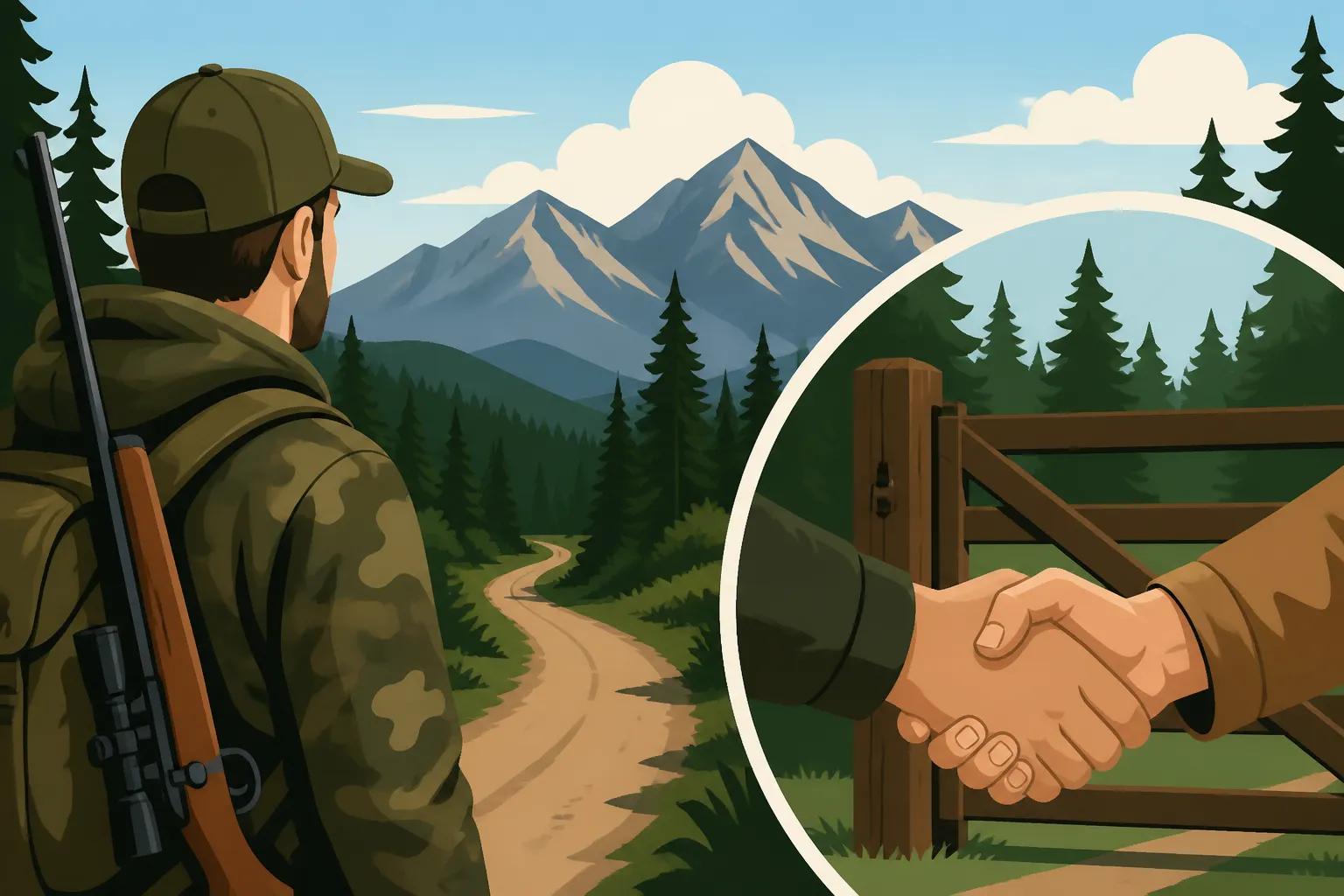
While corporate permits are a formal route, sometimes the most effective strategy is the oldest one in the book: simply asking for permission. This applies more to smaller private landowners, like ranchers with forested property adjacent to hunting areas, but can occasionally work with smaller forestry contractors or local site managers for larger companies. This is where Asking a British Columbia Rancher for Access comes into play.
If you can identify a local manager, foreman, or even a gate attendant for a forest company, a face-to-face conversation can sometimes yield positive results that a bureaucratic email might not. Introduce yourself, explain why you want access (e.g., to hunt grouse, scout for deer, etc.), and assure them you understand and will respect their rules. Offer to provide your vehicle make/model, license plate, and contact information. Emphasize that you will leave no trace, close all gates, and report any issues you observe, like downed trees or suspicious activity.
This approach builds trust, which is invaluable. A personal connection might open a gate that a general policy keeps shut. The worst they can say is no, but you might be surprised by the generosity of individuals when approached with respect and a genuine understanding of their concerns.
Leveraging Online Tools and Information
In the digital age, technology has become an indispensable tool for navigating land ownership and access. Services like onX Hunt and GoHunt have revolutionized how hunters research and plan their trips.
- onX Hunt: This app, available on smartphones and computers, layers property ownership data over detailed topographic maps. You can clearly see the boundaries between Crown land, private parcels, and even identify the owners of specific private tracts. This is huge for hunters, as it instantly clarifies where you can and cannot go without permission. You can identify private forest lands, note the company name, and then use that information to seek out their access policies or contact details. It's a game-changer for avoiding accidental trespass and focusing your efforts on land where access might be feasible.
- GoHunt: While GoHunt is primarily known for its draw odds and Western big game resources, it also offers valuable mapping features and data that can help identify land status. For British Columbia, while it might not have the same granular detail for private forest ownership as onX, it can complement your research by providing a broader context of land types and helping identify potential access points from public roads.
Beyond these dedicated hunting apps, general provincial land tenure maps, forest company websites, and local rod and gun club forums can also provide valuable clues. Sometimes, a regional recreation map or a specific forest district office will have updated information on private land access initiatives or closures. Always cross-reference information from multiple sources, as policies can change rapidly. Using these tools significantly reduces the guesswork and helps you focus your efforts on areas where access is genuinely possible. Being well-informed is your best asset when dealing with landowners.
Key Considerations for Hunters on Private Forest Land
Once you've managed to secure access to private forest land, your responsibility doesn't end there. In fact, it significantly increases. Hunting on private timberland comes with a unique set of ethical, safety, and regulatory considerations that are vital to uphold. Your actions directly reflect on the entire hunting community and can influence future access opportunities for everyone. Treat it as a privilege, not a right, and act accordingly.
Respecting Private Property and Company Rules
This cannot be stressed enough: absolute respect for the landowner's property and their stipulated rules is paramount. When you are granted access, you are a guest, and guests follow the host's rules. This means:
- Adhering to specific access times: If they say gates open at 6 AM and close at 6 PM, stick to it. Don't try to sneak in early or stay late.
- Staying within designated areas: If they've given you permission for a specific block or road, don't venture beyond those boundaries. Use your Reading a British Columbia LEH Zone Map skills to clearly delineate where you can and cannot go, even if it means using GPS on your phone with a mapping app like onX Hunt.
- No littering: Pack out everything you pack in, and then some. Leaving behind garbage is a surefire way to get access revoked for all.
- Closing gates: Always close and lock gates behind you, even if you found them open. This is for cattle, security, and safety.
- Vehicle etiquette: Drive slowly, especially on active haul roads. Give way to logging trucks and heavy equipment, as they always have the right of way. Park in designated areas and don't block access roads.
- Avoiding damage: Don't cut firewood, damage trees, or disturb equipment. Your permit is for hunting, not for harvesting other resources.
Any violation of these unspoken or explicit rules can lead to immediate revocation of your access and potentially jeopardize future access for other hunters. Word travels fast in rural communities, and a bad reputation is hard to shake.
Safety Protocols in Active Logging Areas
Hunting in areas with active logging operations presents significant safety risks. These are not quiet, serene backcountry trails; they are industrial work sites. Hunters must be acutely aware of their surroundings and prioritize safety above all else.
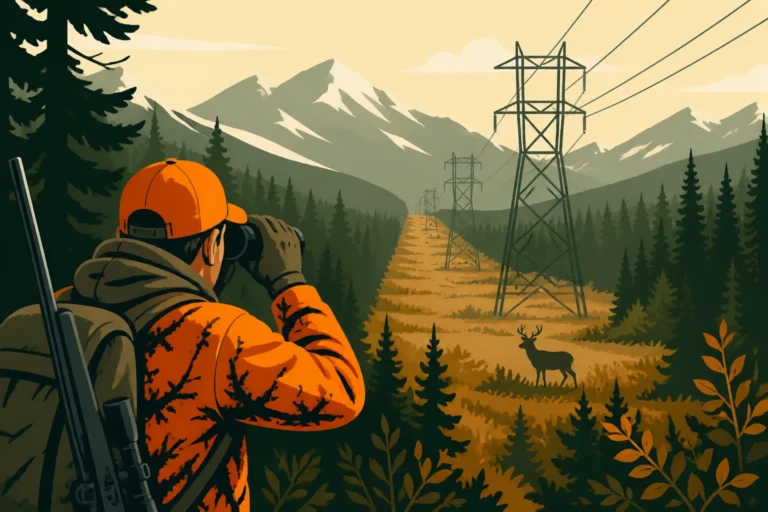
- Blaze Orange: Even if not legally mandated for all species, wearing bright blaze orange or other highly visible clothing is essential. You want to be as visible as possible to heavy equipment operators who might not be looking for hunters.
- Awareness of Heavy Equipment: Logging trucks and machinery can appear suddenly, often operating in dusty, noisy, or low-visibility conditions. Always assume they cannot see you. Move off the road and make eye contact with operators if possible.
- Falling Timber: Never enter an active felling area. Trees can fall without warning, and the sounds of chainsaws and falling timber are a clear signal to keep your distance.
- Radio Channels: Some companies require visitors to monitor specific radio channels to be aware of truck traffic and operations. If this is a condition of your permit, ensure you have a compatible radio and know how to use it.
- Emergency Preparedness: Cell service is often non-existent in these remote areas. Carry a satellite messenger or inReach device for emergencies. Let someone know your hunting plan, including your exact route and expected return time. Emergency Planning in British Columbia's Backcountry is vital.
It’s your responsibility to be informed about the specific hazards of the area you're entering. Ask about active operations when you obtain your permit, and always err on the side of caution.
Understanding Provincial and Company-Specific Regulations
Beyond the general ethics, you must also be fully compliant with both provincial hunting regulations and any specific rules laid out by the private landowner.
- Provincial Regulations: All British Columbia hunting regulations, including season dates, bag limits, antler point restrictions, compulsory reporting, and legal firearms, still apply on private land. You must hold valid British Columbia Hunting Licences and Fees and all required British Columbia's Species Licences and Tags. Don't assume that just because it's private, provincial rules are relaxed. They are not.
- Company Rules: Private landowners can impose additional restrictions beyond provincial law. This might include:
- Weapon Restrictions: Some companies might prohibit certain types of firearms or bows in specific areas, especially near infrastructure or residential zones.
- Vehicle Restrictions: Limits on ATV use, parking locations, or even total vehicle numbers might be in place.
- No Hunting Zones: There might be specific areas within their property where hunting is prohibited, perhaps near active work sites, residences, or sensitive environmental areas.
- Waste Disposal: Specific instructions on game waste disposal or gut pile locations might be given.
It is your duty to clarify all these rules before you enter. If something isn't clear, ask. Ignorance is no excuse, and violating either provincial law or company policy can result in fines, loss of hunting privileges, and permanent loss of access to private lands for yourself and potentially others. Being a good ambassador for hunting is crucial for maintaining and possibly expanding future access.
Here's a table summarizing common access methods for private forest land:
| Access Method | Description | Pros | Cons |
|---|---|---|---|
| Formal Permit System | Apply online or via phone/email to large forest companies for a permit to enter their lands. | Legal and sanctioned, often provides clear rules and maps. | Can be bureaucratic, specific areas/times may be restricted, not all companies offer them. |
| Direct Contact/Permission | Speak directly with a local manager, foreman, or landowner (e.g., rancher) to request access. | Personal connection, can open doors to otherwise closed areas, builds trust. | Relies on individual discretion, can be time-consuming to find the right person, not scalable for large companies. |
| Public Access Gates | Some private lands have designated gates that are open to the public during certain seasons or times. | Easiest access when available, often well-communicated if formal. | Very limited, often for non-hunting recreation, can close without warning, often don't provide deep access. |
| Hunting Leases | Pay an annual fee for exclusive or shared hunting rights on a specific parcel of private land. | Guaranteed access to a specific area, often well-managed for game. | Expensive, limited availability, primarily for larger groups or out-of-province hunters. |
Navigating private forest land in British Columbia requires diligence, respect, and a proactive approach. While it can be challenging, the rewards of accessing prime, less-pressured hunting grounds can be well worth the effort. Always be prepared, be safe, and be a good ambassador for hunters everywhere.
Disclaimer
This article is for general informational purposes only and does not constitute professional advice. Laws, prices and regulations vary by location and change over time. Consult a qualified professional for guidance on your specific situation.