British Columbia Guide Outfitter Territories Explained
Hunting in British Columbia is an incredible experience, but it can also be a maze of regulations, especially when you start looking at specific areas. One of the biggest points of confusion, for both residents and non-residents alike, often revolves around guide outfitter territories. It's frustrating to plan a trip, only to discover that the prime hunting grounds you had in mind are locked into a commercial guiding area. This guide is here to unravel the mystery of British Columbia's guide outfitter territories, helping you understand what they are, why they exist, and how they impact your hunting plans, so you can navigate the landscape with confidence.
What Exactly Is a Guide Outfitter Territory?
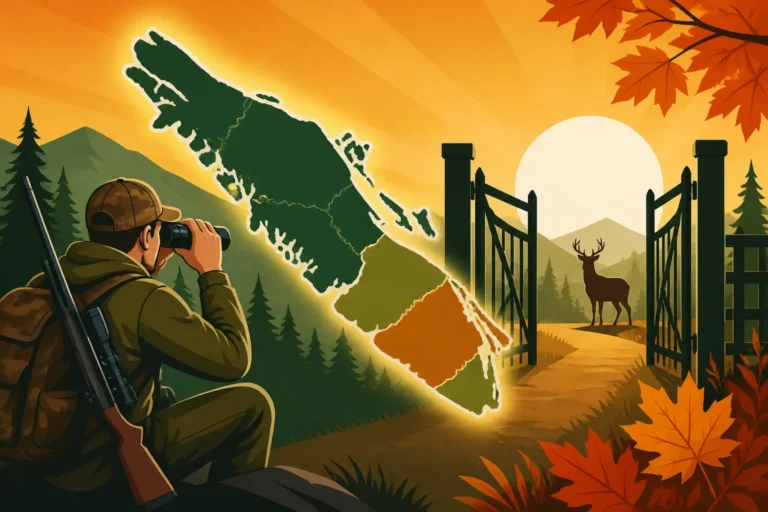
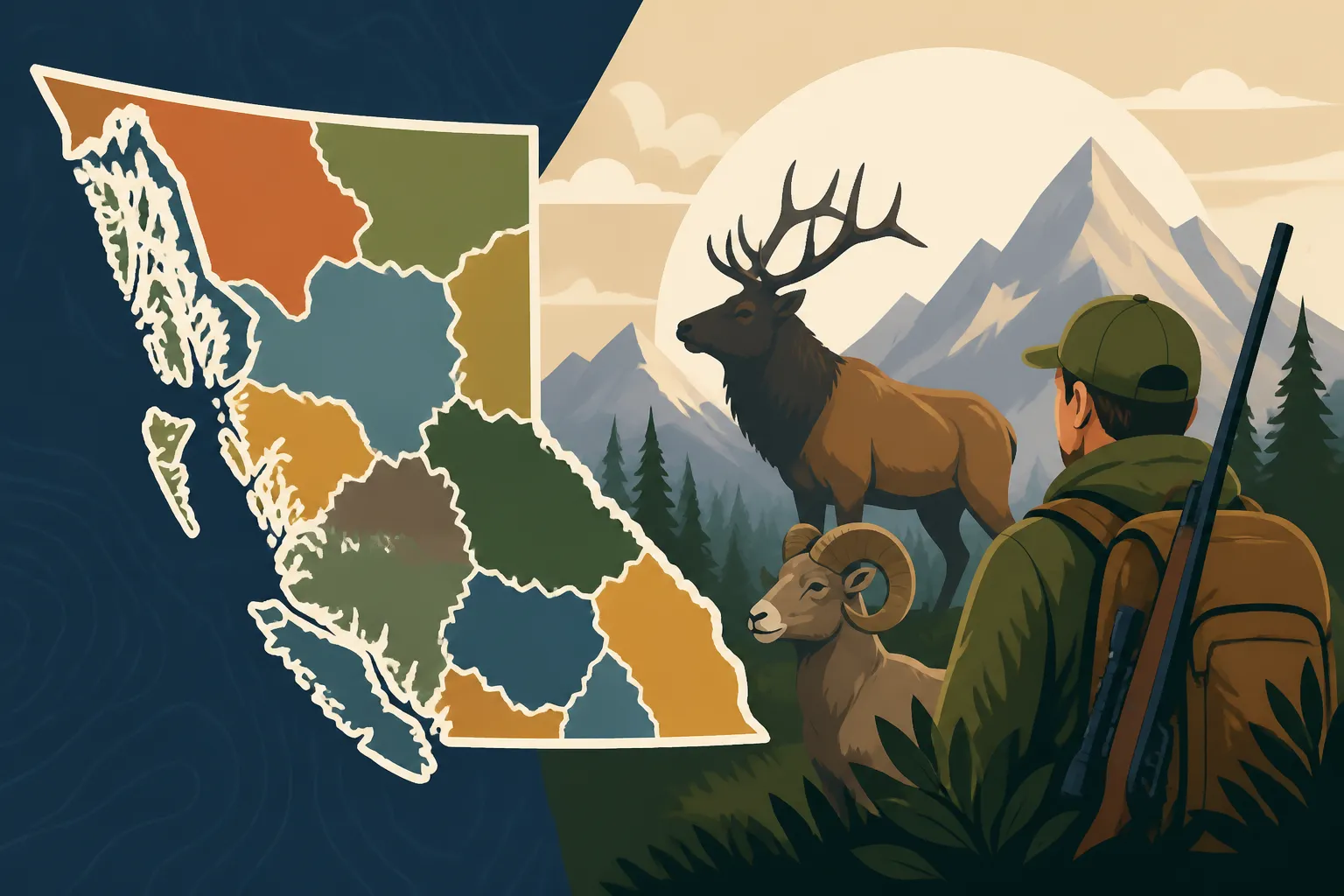
When you hear the term "guide outfitter territory" in British Columbia, it refers to a designated geographical area where a licensed guide outfitter holds the exclusive commercial right to guide non-resident hunters for specific big game species. These aren't just arbitrary lines on a map; they are formally recognized areas of Crown land, often encompassing vast tracts of wilderness, mountains, and forests. Think of it as a concession granted by the provincial government, designed to manage commercial hunting activities in a structured way.
These territories are established through a rigorous application and licensing process with the province. An outfitter doesn't just claim an area; they must demonstrate their capability, past performance, and adhere to strict operational guidelines. Once granted, a territory certificate essentially gives that outfitter the sole legal right to provide guided hunts to non-resident hunters within those boundaries. This exclusivity is a cornerstone of the guide outfitting industry here, ensuring that commercial operations are orderly and accountable.
It's important to differentiate these territories from general hunting regulations that apply to everyone. While species seasons, bag limits, and ethical hunting practices are universal, guide outfitter territories layer on an additional set of rules for non-resident hunters. For residents, you still have the right to hunt within these areas, provided you follow all general hunting regulations and do not interfere with an outfitter's operations. This distinction is crucial and often misunderstood, leading to unnecessary anxiety for resident hunters.
Why Do These Territories Exist?
The concept of guide outfitter territories in British Columbia isn't new; it has deep roots in the history of wildlife management and economic development in the province. Primarily, these territories were established to manage the commercial hunting of big game, especially for non-resident hunters, ensuring a sustainable and organized approach rather than a free-for-all that could deplete resources or lead to conflicts. The system provides accountability for commercial operations.
One of the key reasons for their existence is conservation. By allocating specific areas to licensed outfitters, the province can better monitor harvest rates, wildlife populations, and habitat health within those territories. Outfitters, having a long-term stake in their allocated areas, are often invested in responsible wildlife stewardship. They often act as extra eyes and ears on the ground, reporting poaching or unusual wildlife activity, which indirectly benefits all hunters.
Furthermore, these territories play a significant economic role, especially in remote and rural communities. Guide outfitters employ locals, purchase supplies, and contribute to the tourism sector, bringing vital revenue into areas that might otherwise have limited economic opportunities. They provide specialized services that attract international hunters, who often seek out unique British Columbia hunting experiences, from chasing Stone's sheep in the far north to bugling Roosevelt elk on the coast. These economic benefits are a strong driver for maintaining the system. Non-residents specifically need a guide to hunt most big game species, as detailed in Rules for Non-Residents Hunting British Columbia, making these territories essential for their access.
How Guide Outfitter Territories Impact Resident Hunters
While guide outfitter territories are primarily designed to regulate non-resident guided hunts, they absolutely have an impact on resident hunters, albeit a different one. The good news is that as a British Columbia resident, you retain the right to hunt within these territories, provided the area is Crown land and you adhere to all provincial hunting regulations. Your hunting licence and species tags grant you access to these public lands, regardless of whether a guide outfitter holds the commercial rights for non-residents.
However, "retaining the right" doesn't always translate to completely unimpeded access or experience. You might find areas that are heavily utilized by an outfitter during peak seasons, potentially leading to increased pressure on game or encounters with guided parties. While you are fully within your rights to hunt there, common courtesy and respect for other users of the land are always important. Sometimes, outfitters have established camps or maintained trails within their territories, which can sometimes be an unexpected benefit for resident hunters who can utilize these same access points, though without any services provided.
Another consideration for residents is the perception of exclusivity. While technically residents can hunt in these areas, the strong presence of guide outfitters, combined with often limited public access points, can make some territories feel less accessible or appealing. Many residents prefer to seek out areas with less commercial activity, simply for the peace and solitude of the backcountry experience. It's not about being legally excluded, but sometimes about choosing an experience less likely to involve commercial operations. For example, while Hunting British Columbia's Logging Road Network offers great access, some roads within territories might see more guide traffic.
Navigating Territories as a Hunter
Understanding where guide outfitter territories are located is the first crucial step in planning your British Columbia hunt. The province publishes maps and information detailing these boundaries, which are available through official government channels. It's your responsibility as a hunter to consult these resources before heading out. Don't rely solely on word-of-mouth or outdated maps; always verify the most current information. Modern mapping applications are invaluable here.
Tools like onX Hunt can be incredibly helpful for identifying different land statuses, including Crown land, which forms the basis of these territories. While onX Hunt is fantastic for identifying Crown land and private property boundaries, remember that guide outfitter territories add another layer of complexity that isn't always immediately obvious on every map. You'll need to cross-reference with the specific guide outfitter territory maps provided by the province to get the full picture. Similarly, when you're using resources like GoHunt to research draw odds and plan your application for areas with high success rates, it’s wise to also consider if those prime units fall within heavily guided territories, which might influence animal behaviour or distribution.
If you find yourself hunting within a guide outfitter territory as a resident, it's always a good practice to be aware and respectful. This isn't about asking for permission to hunt on public land, but about minimizing potential conflicts or misunderstandings. If you encounter a guided party, a friendly wave and a wide berth are usually all that's needed. Remember, outfitters are running a business, and disruption is something they naturally want to avoid. Being informed and courteous ensures a positive experience for everyone sharing British Columbia's incredible wild spaces. Knowing how to use Scouting a British Columbia Management Unit Online will allow you to overlay these territory maps with other vital information.
Resources for Identifying Territories
Identifying the exact boundaries of guide outfitter territories is paramount for responsible hunting in British Columbia. The provincial government's hunting and fishing regulations website is your primary source for this information. They provide detailed maps, often overlaid with management unit boundaries, allowing you to clearly see where these exclusive commercial guiding areas lie. These maps are updated periodically, so always ensure you are looking at the most current version. Downloading these maps to your phone or printing them out for offline use is a wise precaution, especially since cell service is often non-existent in remote areas.
Beyond official government maps, some private mapping services integrate guide outfitter territory boundaries into their platforms. As mentioned, while tools like onX Hunt excel at showing property lines and access, you may need to enable specific layers or consult supplementary resources to view the outfitter territories. This capability is constantly evolving, so always double-check the accuracy and completeness of any third-party mapping solution against official provincial data. The goal is to avoid any ambiguity, ensuring you know exactly where you are relative to any commercial guiding operations.
Finally, don't underestimate the value of local knowledge. Talking to other experienced resident hunters, especially those familiar with the specific management unit you plan to hunt, can provide invaluable insights. They might be able to share details about local access points, areas of heavy outfitter activity, or general etiquette when hunting in or near a territory. While regulations are absolute, practical advice from those who regularly navigate these areas can enhance your understanding and preparedness. Remember, responsible hunting is about preparation, respect, and staying informed.
Hunting Inside a Guide Outfitter Territory as a Resident
For British Columbia residents, hunting inside a guide outfitter territory is generally permissible on Crown land, provided you hold the correct licenses and tags, and adhere to all hunting regulations. You're not required to inform the outfitter of your presence, nor do you need their permission to hunt. Your rights as a resident hunter on public land remain intact. This is a common area of confusion, as many assume the territory means residents are excluded, which simply isn't the case for general open seasons. The rules for Hunting Inside a Guide Outfitter Territory further clarify this.
However, even with these rights, it’s prudent to exercise a high degree of situational awareness. If you encounter an outfitter's camp or a guided party actively hunting, consider giving them ample space. Respect their operations and avoid any actions that could be construed as interference. This might mean altering your planned route for the day or choosing a different drainage to hunt. It’s not about giving up your rights, but about practicing good etiquette and avoiding potential friction. Nobody wants their hunt ruined by unnecessary confrontation.
Ultimately, your experience as a resident hunter within a guide outfitter territory will often come down to the specific area, the time of year, and the level of outfitter activity. Some territories are vast and see minimal commercial pressure, while others might have very active operations during peak seasons for desirable species. Being informed about the territory boundaries and understanding the ethical considerations for shared land use will ensure a smoother, more enjoyable hunt for everyone involved. Planning your Emergency Planning in British Columbia's Backcountry becomes even more critical when sharing areas with others.
Resident vs. Non-Resident Hunting in Territories
The distinction between resident and non-resident hunters within British Columbia guide outfitter territories is fundamental to understanding the province's hunting regulations. It's not just a matter of different licence fees; it's about entirely different access requirements for commercial big game hunting.
Here's a breakdown of the key differences:
| Feature | British Columbia Resident Hunter | Non-Resident Hunter |
|---|---|---|
| Access to Crown Land | Generally unrestricted (with valid licence & tags) | Generally unrestricted (with valid licence & tags) |
| Hunting in Outfitter Territory | Permitted on Crown land (following all regulations) | Requires a licensed guide outfitter or What a Permit to Accompany Allows |
| Permit to Accompany | Not applicable for self-guided hunting | Required if hunting with a resident host instead of a commercial guide |
| Purpose of Territory | No direct impact on personal hunting rights | Defines exclusive commercial guiding rights for big game species |
| Targeted Species | All legal species as per regulations | Limited to species covered by outfitter's licence |
| Commercial Guiding | Cannot legally be commercially guided by another resident in a territory | Must use licensed guide outfitter in designated territory for specific species |
This table clearly illustrates why a non-resident cannot simply decide to hunt big game unguided in British Columbia's guide outfitter territories. The legal requirement for a guide (or a Permit to Accompany host) is firmly in place for their participation in big game hunting within these areas. For a deeper dive into the permit to accompany, see How Many People a Permit Covers.
Guide Outfitter Licensing and Requirements
Becoming a licensed guide outfitter in British Columbia is a rigorous process, designed to ensure professionalism, safety, and responsible wildlife stewardship. It's not simply a matter of wanting to take people hunting; there are significant financial investments, extensive experience requirements, and a deep understanding of wildlife, wilderness, and provincial regulations needed. The provincial government oversees this licensing, ensuring that outfitters meet high standards before they are granted a certificate for a territory.
Outfitters must demonstrate a comprehensive knowledge of British Columbia's hunting laws, ethical practices, and conservation principles. This includes understanding bag limits, season dates, species identification, and compulsory reporting requirements. They are also responsible for the safety of their clients, which means having wilderness first aid training, proper equipment, and emergency protocols in place for often remote and challenging environments. Their compliance helps uphold the integrity of the hunting industry in the province. More on this can be found in British Columbia Guide Outfitter Licensing Rules.
Furthermore, maintaining a guide outfitter licence involves ongoing responsibilities, including accurate harvest reporting, adherence to operational plans, and sometimes participating in wildlife surveys or habitat enhancement projects. These duties contribute to the overall management of British Columbia's wildlife populations, benefiting not just guided clients but all hunters. The system is designed to create a framework where commercial hunting supports, rather than detracts from, long-term conservation goals, making the outfitter a key partner in wildlife management.
Disclaimer
This article is for general informational purposes only and does not constitute professional advice. Laws, prices and regulations vary by location and change over time. Consult a qualified professional for guidance on your specific situation.