Why Beetle Kill Changed the Interior
If you've spent any time hunting or even just driving through the interior of British Columbia, you've witnessed it: vast, eerie swaths of grey, dead lodgepole pine forests stretching for miles. It’s a landscape that often leaves folks scratching their heads, wondering what happened to the vibrant green forests they once knew and, more importantly, what it means for the deer, moose, and bears they pursue. This guide dives deep into the profound impact of the mountain pine beetle epidemic and how it irrevocably changed the hunting landscape in our province's heartland.
Understanding the Mountain Pine Beetle Epidemic's Grip on the Interior
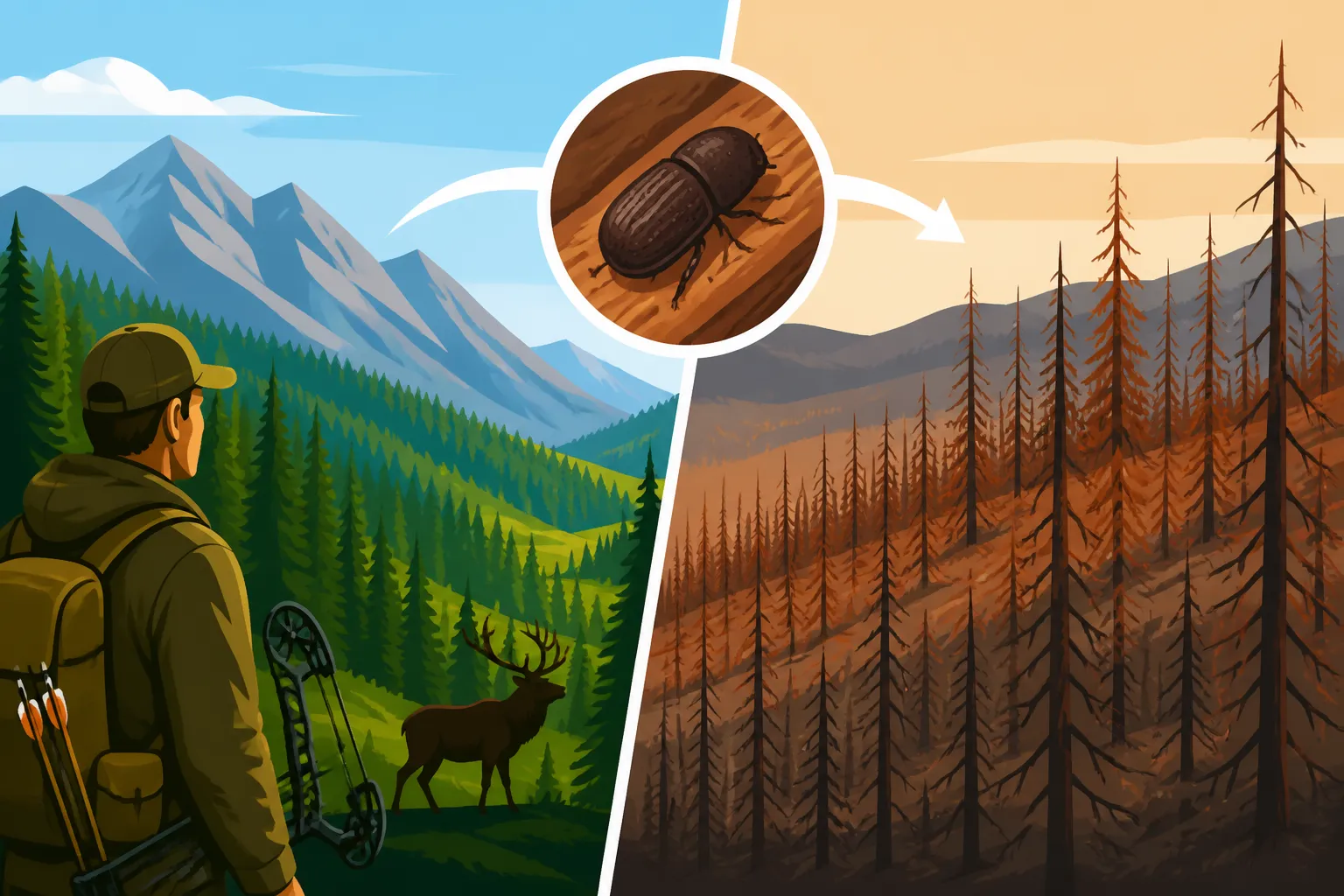
The mountain pine beetle (Dendroctonus ponderosae) is a tiny insect, no bigger than a grain of rice, but its impact on British Columbia's interior forests has been monumental. For centuries, these beetles were a natural part of the forest ecosystem, cycling through mature pine stands, selectively thinning older trees, and making way for new growth. It was a balance, a slow dance between insect and forest that maintained overall forest health.
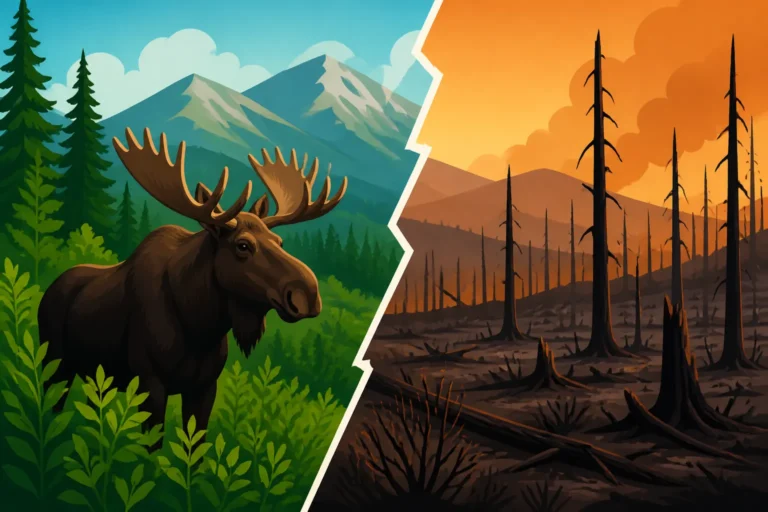
However, in the late 1990s and early 2000s, something shifted dramatically. A combination of mild winters, which failed to kill off beetle larvae, and prolonged drought stress on pine trees created the perfect storm for an unprecedented epidemic. Suddenly, the beetles weren't just thinning old trees; they were sweeping through entire landscapes with alarming speed, transforming millions of hectares of healthy green forests into a desolate, reddish-brown, and then grey, skeletal remains. The primary target was the lodgepole pine, a species that dominates vast areas of the central and northern interior. Imagine seeing mountainsides that were once a lush green suddenly turn the colour of rust, then bleach to a ghostly white and grey over just a couple of years. It was a stark, almost unbelievable change for anyone who lived or recreated in these areas.
The scale of the devastation was truly staggering. Areas from the Cariboo to the Omineca, and even parts of the Kootenays, were hit incredibly hard. What was once a mosaic of different forest ages and species became a monoculture of dead or dying pine. For us hunters, this wasn't just an ecological tragedy; it was a complete reshaping of the places we knew intimately. Our favourite deer runs, moose wallows, and bear feeding grounds were suddenly gone, replaced by an unfamiliar landscape that required a whole new approach to finding game.
Immediate and Long-Term Ecological Transformations
The beetle kill didn't just change the colour of the trees; it set off a chain reaction that continues to reshape the interior's ecology, creating both challenges and unexpected opportunities for wildlife and hunters alike.
The Immediate Aftermath: Deadfall, Fire Risk, and Early Browse
In the initial years following a beetle infestation, the most striking change is the sheer volume of standing dead timber. These "grey ghosts" eventually fall, creating massive amounts of deadfall. Navigating through these areas becomes incredibly difficult, sometimes nearly impossible on foot or with an ATV. We're talking about jack-strawed timber piled chest-high in places, forcing long detours or requiring serious chainsaw work just to get a few hundred yards in. This dense deadfall acts as an immediate deterrent for both animals and hunters, effectively creating impenetrable zones that restrict movement.
However, alongside the deadfall came another critical change: increased sunlight penetration to the forest floor. With the dense pine canopy gone, the ground below, once shaded and sparse, burst to life. Grasses, forbs, and deciduous shrubs like willow, aspen, and birch began to flourish, especially in the clearings where the dead trees eventually fell. This surge of new, succulent growth quickly became a vital food source. It's a classic example of early successional habitat, where disturbance creates conditions for pioneering plant species.
Furthermore, the dead timber vastly increased the risk of catastrophic wildfires. Imagine millions of hectares of dry, resin-rich fuel just waiting for a spark. The large fires that followed the beetle kill, while devastating in their own right, also contributed to the ongoing ecological transformation, often leading to a second wave of new growth in their wake. Hunting a British Columbia Burned Slope Two Years On explores how this dynamic can influence hunting opportunities.
Medium to Long-Term Changes: Regeneration, Cover, and Habitat Shifts
As the initial deadfall settles and decades pass, the landscape continues its transformation. The ground beneath the fallen pine gives rise to a completely different type of forest. Instead of replanting entirely with lodgepole pine, foresters and nature itself often favour more fire-resistant or shade-tolerant species like Douglas fir, spruce, and balsam. This means that over time, the interior forests will shift away from the pine monoculture that was so susceptible to the beetle.
In the mid-term, perhaps 5 to 20 years after the initial die-off, you'll see dense stands of young deciduous and coniferous growth. These areas, often referred to as "dog hair" thickets, provide incredible thermal and hiding cover for many big game animals. What was once open, easy-to-see-through pine forest becomes an impenetrable wall of young trees. This dense regeneration, while great for cover, can be incredibly frustrating for hunters who rely on long sightlines for glassing. It forces a much more intimate style of hunting, often requiring still-hunting or carefully walking edges. It also changes how animals move; deer and moose will use these thickets for bedding and security, venturing out into more open patches of browse. Hunting a Beetle-Killed Pine Flat dives deeper into these specific hunting considerations.
In the long term, we can expect a more diverse forest, less susceptible to a single pest species. This biological diversity is generally healthier for the ecosystem and provides a broader range of habitats for various wildlife. However, it's a slow process, unfolding over many decades, far beyond the lifespan of a single hunter.
How Beetle Kill Reshaped Big Game Habitat and Hunting
The ecological shifts caused by the mountain pine beetle epidemic have had profound and varied consequences for British Columbia's big game animals, forcing hunters to adapt their strategies dramatically.
Mule Deer: A Game of Hide and Seek
Mule deer, being creatures of edge habitat, initially experienced significant displacement. Their preferred open ponderosa pine stands and interspersed grasslands were either destroyed or became impassable due to deadfall. However, in the years following the initial die-off, mule deer began to take advantage of the burgeoning understory. The explosion of new grasses, forbs, and deciduous shrubs in the sun-drenched clearings provided a buffet of high-quality forage. This meant that while traditional areas might have seen a decline, new pockets of excellent deer habitat emerged.
Hunters often find that the deer might still be in the same general area, but their preferred bedding and feeding sites have shifted. They now often bed down in the dense new growth of conifers and deciduous trees that spring up amidst the fallen timber, using the thick cover for security. For a hunter, this means moving from long-range glassing of open slopes to meticulously still-hunting the edges of regenerating blocks. You might be able to spot them moving between cover and feeding areas at dawn and dusk, but during the day, they're often tucked away. Using a platform like GoHunt to analyze satellite imagery can sometimes help you identify these new, dense patches of cover that weren't there a few years ago, or find the new access corridors that deer might be using.
Moose: Shifting Browsing Patterns
Moose, known for their preference for willow, birch, and aspen, were also significantly affected. While the pine itself wasn't a primary food source, the change in the forest canopy and subsequent regeneration brought both challenges and opportunities. In areas where pine dominated and shaded out deciduous understory, the beetle kill allowed sunlight to penetrate, spurring the growth of their preferred browse. This can attract moose to areas that were previously less desirable.
However, navigating these beetle-killed areas for moose can be incredibly tough. Imagine trying to push through dense deadfall with an animal the size of a moose. They often stick to the perimeters of these areas or use old logging roads and game trails that cut through them. Knowing How Moose Use a Burn Three Years On can offer insights, as the post-beetle kill landscape shares some characteristics with burned areas in terms of regeneration patterns. Hunters targeting moose in these altered landscapes need to focus on identifying these regenerated pockets of deciduous growth and finding ways to access them, often relying on ATV trails, old skid roads, or simply toughing it out on foot.
Bears: Feast and Famine
Black bears, being opportunistic omnivores, have also seen their habits change. Initially, the destruction of berry-producing understory due to dense pine canopy might have negatively impacted some areas. However, with increased sunlight, berry-producing plants like huckleberries, saskatoons, and currants often thrive in the years following the beetle kill, especially in the sun-exposed clearings. This can lead to localized concentrations of bears feeding on these abundant new food sources. Hunting Fall Bears on British Columbia Berry Slopes becomes even more relevant in these regenerated areas.
Conversely, the sheer volume of deadfall and new growth can make finding bears more challenging, as they have more cover to move through undetected. Hunters often find success by glassing the edges of these regenerated areas, particularly early in the morning or late in the evening when bears are more active. The increased fire risk associated with beetle-killed areas also has implications for bear populations, as fires can create temporary displacement but eventually lead to new foraging opportunities. Bear Safety While Hunting in British Columbia is always paramount, especially in areas where new food sources might concentrate wildlife.
Challenges and Opportunities for the Hunter
Beyond specific species, the beetle kill has presented a unique set of challenges for every hunter in the BC Interior:
- Access: Many once-accessible areas have become impassable due to immense deadfall, forcing hunters to explore new routes or invest in clearing trails. On the flip side, sometimes new logging roads are punched through these areas for salvage operations, briefly opening up new country. Finding Open Forest Roads in British Columbia can be a real struggle in these zones.
- Visibility: In the immediate aftermath, visibility can be great due to standing dead trees, but as the understory explodes, it quickly becomes incredibly dense. This shifts hunting from long-range glassing to closer-quarters stalking.
- Navigation: Even familiar areas become disorienting. GPS and digital mapping tools like those offered by GoHunt become indispensable for keeping track of your location and navigating through the jumbled terrain. Marking trails and points of interest is critical.
- Fire Risk: Hunting during fire season in areas with extensive beetle kill carries an inherent, heightened risk. Always check fire bans and conditions before heading out.
Adapting Your Hunting Strategy to a Changed Landscape
Hunting in British Columbia's beetle-killed interior isn't about giving up on your favourite spots; it's about learning to read a new map and embracing a different approach. The landscape has changed, and so must our tactics.
Master the Art of Scouting and Reconnaissance
The days of assuming your old honey holes are still prime habitat are largely over in beetle-killed areas. Today, effective scouting is more critical than ever. This means not just walking the ground, but really utilizing modern tools before you even leave home. Satellite imagery on mapping apps like GoHunt can be invaluable. Look for patches of green regeneration within the grey swaths of dead timber – these are the areas where new browse is likely flourishing. Pay attention to how game trails might reroute around dense deadfall or into new pockets of cover. Identifying areas where new deciduous growth is taking hold, particularly willow, aspen, and birch, will be key for moose, while open, grassy patches and berry slopes will attract deer and bears.
Once on the ground, focus your efforts on the transition zones. Animals often stage on the edges of these dense, regenerating areas, moving in and out to feed. Instead of covering vast distances, focus on thoroughly working smaller, promising areas. Look for fresh tracks, rub lines, and droppings that indicate recent activity. Pay close attention to any areas that show signs of salvage logging, as new roads might offer temporary access and fresh disturbance, which often draws in game looking for new growth. Scouting a British Columbia Management Unit in a post-beetle kill world involves a lot more detective work and adaptability.
Navigating the Obstacles: Access and Movement
The immense deadfall in beetle-killed forests presents significant access challenges. What was once a short walk might now be an hour-long bushwhack through tangled timber. This often means embracing slower, more deliberate hunting. Consider smaller, lightweight chainsaws for clearing critical sections of old trails or de-activated roads if you plan to get deep into an area. For hunters with ATVs, dedicated trails can be opened up, but always be mindful of regulations regarding motorized access on Crown Land.
Movement within these areas demands robust gear. Good quality, puncture-resistant pants and sturdy boots are non-negotiable for pushing through thick brush and climbing over fallen trees. When you are moving, consider still-hunting rather than fast walking. The dense cover often means shorter sightlines, so moving slowly and deliberately, scanning constantly, is far more effective. Look for natural corridors, like old skid trails, dry creek beds, or slight rises in topography that might offer an easier path of travel. These are also places where animals are likely to move.
Prioritizing Safety in a Changed Environment
Safety takes on new dimensions in beetle-killed terrain. The most obvious concern is falling trees, often called "widowmakers." These dead snags can fall without warning, especially on windy days or after heavy snow. Always be aware of your surroundings, particularly when setting up camp or spending extended time in one spot. Avoid camping directly under standing dead timber.
The increased fire risk cannot be overstated. During dry periods, these forests become incredibly flammable. Always check current fire bans and conditions before heading out. Carry fire suppression tools, like a shovel and water, if permitted and practical. Be extremely cautious with any open flames, including campfires or cooking stoves.
Finally, navigating through dense regeneration and deadfall can lead to becoming disoriented much faster than in more open timber. Always carry a reliable GPS device, a compass, and a map. Share your hunt plan with someone responsible back home, including your intended route and return time. A satellite communication device is a smart investment for any remote hunting trip in these areas, as cell service is often non-existent.
Here's a quick overview of how the landscape changes and what it implies for your hunt:
| Aspect of Change | Immediate Impact (0-5 years) | Medium Impact (5-20 years) | Long-Term Impact (20+ years) | Hunting Implication |
|---|---|---|---|---|
| Forest Canopy | Open, standing grey snags | Dense young regeneration, fallen logs | Mixed conifer/deciduous forest | Increased visibility then reduced visibility; animal movement shifts to cover |
| Forest Floor Growth | Burst of new grasses, forbs, deciduous browse | Thick understory, saplings, dense brush | More varied understory, developing canopy | New feeding areas, challenging movement for hunters |
| Access | Impassable deadfall | Difficult to penetrate dense young growth | Improved with mature canopy, but still thick | Requires new routes, slower movement, tough gear |
| Fire Risk | Extremely High | High during dry periods | Returns to more natural levels | Constant vigilance, awareness of fire bans |
| Game Movement | Displaced, then attracted to new browse | Utilizes dense cover for bedding and security | More predictable patterns within new forest types | Focus on edges, still-hunting, glassing new openings |
Disclaimer
This article is for general informational purposes only and does not constitute professional advice. Laws, prices and regulations vary by location and change over time. Consult a qualified professional for guidance on your specific situation.