British Columbia’s CWD Surveillance Program
It's an unsettling feeling, isn't it? The thought that something unseen could be impacting the very wildlife we cherish and pursue in British Columbia. Hunters across the province have heard the whispers, seen the headlines from other jurisdictions, and felt that knot of worry about Chronic Wasting Disease (CWD) potentially reaching our pristine landscapes. This guide is here to cut through the uncertainty, explain exactly what British Columbia is doing about CWD, and empower you with the knowledge to be part of the solution, not just another worrier.
What is Chronic Wasting Disease CWD and Why Are We Worried?
For anyone who spends time in the British Columbia outdoors, particularly those of us who hunt deer, elk, or moose, the phrase "Chronic Wasting Disease" can send a shiver down your spine. It's not just another wildlife ailment; it's a persistent, fatal neurological disease that has devastated cervid populations in other parts of North America. Our concern here in B.C. is deeply rooted in wanting to protect our magnificent game animals and preserve our hunting heritage for generations to come.
The Basics of CWD and its Impact
At its core, CWD is a prion disease, similar to "mad cow disease" in cattle or Creutzfeldt-Jakob disease in humans, though there's no evidence it has ever jumped to humans. It affects cervids – that's our deer, elk, moose, and even caribou. What makes it particularly insidious is that it's always fatal, and it works slowly. An infected animal might not show symptoms for a year or more, during which time it can still spread the disease.
The disease attacks the brain and nervous system, leading to a host of distressing symptoms. You might see an animal that looks incredibly emaciated or "wasted," hence the name. They could also exhibit abnormal behavior, like excessive drooling, stumbling, a vacant stare, or a complete lack of fear of humans. Imagine seeing a beautiful bull moose, typically so wary, wandering aimlessly and looking utterly lost. It's heartbreaking to contemplate, and the long-term impact on a herd, where death is inevitable for infected animals, is devastating. We've seen the consequences in places like Alberta and Saskatchewan, where CWD is established, and it’s a future we desperately want to avoid for British Columbia.
How CWD Spreads and the Hunter's Role in Prevention
This isn't a simple virus that spreads with a cough. CWD prions are incredibly hardy and can persist in the environment for years, even decades. They spread through the bodily fluids of infected animals – saliva, urine, feces – and can contaminate soil, water, and plants. When an infected animal dies, its carcass, especially the brain and spinal cord, becomes a potent source of contamination. Another cervid then ingests these prions, often by grazing in contaminated areas, and the cycle continues.
This environmental persistence is why hunters have such a critical, active role to play in prevention. We are often the first eyes on the ground, traversing vast landscapes and interacting directly with game animals. Our movements, and how we handle harvested animals, directly influence the potential for CWD to spread if it ever makes its way into B.C. We hear a lot about What British Columbia's Four-Point Antler Restriction does for herd health, and CWD surveillance is another layer of proactive health management. If we bring an infected carcass part from an area where CWD exists into a clean area, we could inadvertently introduce the disease. That's a responsibility we all share.
British Columbia's Proactive CWD Surveillance Program
Given the very real threat, British Columbia hasn't been sitting idly by, hoping for the best. Our province has adopted a proactive and comprehensive CWD surveillance program designed to detect the disease early, should it ever arrive, and to understand if it's already here, even silently. This program is a testament to the dedication of wildlife biologists and, critically, the participation of B.C.'s hunting community.
The Core Strategy: Testing and Monitoring
The province's core strategy revolves around targeted surveillance. This means focusing efforts on specific areas and species where the risk of CWD introduction or presence is considered highest. These "high-risk" areas often include regions bordering provinces or states where CWD is already established, such as the Kootenays near Alberta and Montana, or the Peace Region near Alberta. While we're always thinking about Moose Hunting British Columbia's Interior, we also have to think about what factors might influence the health of those populations.
Wildlife biologists actively collect samples from road-killed cervids and animals submitted by hunters in these priority zones. The goal isn't just to find CWD, but to prove its absence in areas currently considered free of the disease, building a robust baseline of data. Early detection is absolutely paramount. If CWD is found in its initial stages, the chances of containing it or at least slowing its spread are significantly higher than if it's discovered years after it's been silently spreading through a herd. This is about being vigilant and proactive, not reactive.
How Hunter Submissions Drive the Program
This is where you, the hunter, become an indispensable part of British Columbia's defense against CWD. The vast majority of samples collected for the surveillance program come directly from hunters. You're out there, boots on the ground, successfully harvesting animals that are otherwise healthy and showing no symptoms. These "healthy" samples are crucial because CWD can be present for a long time before any visible signs appear.
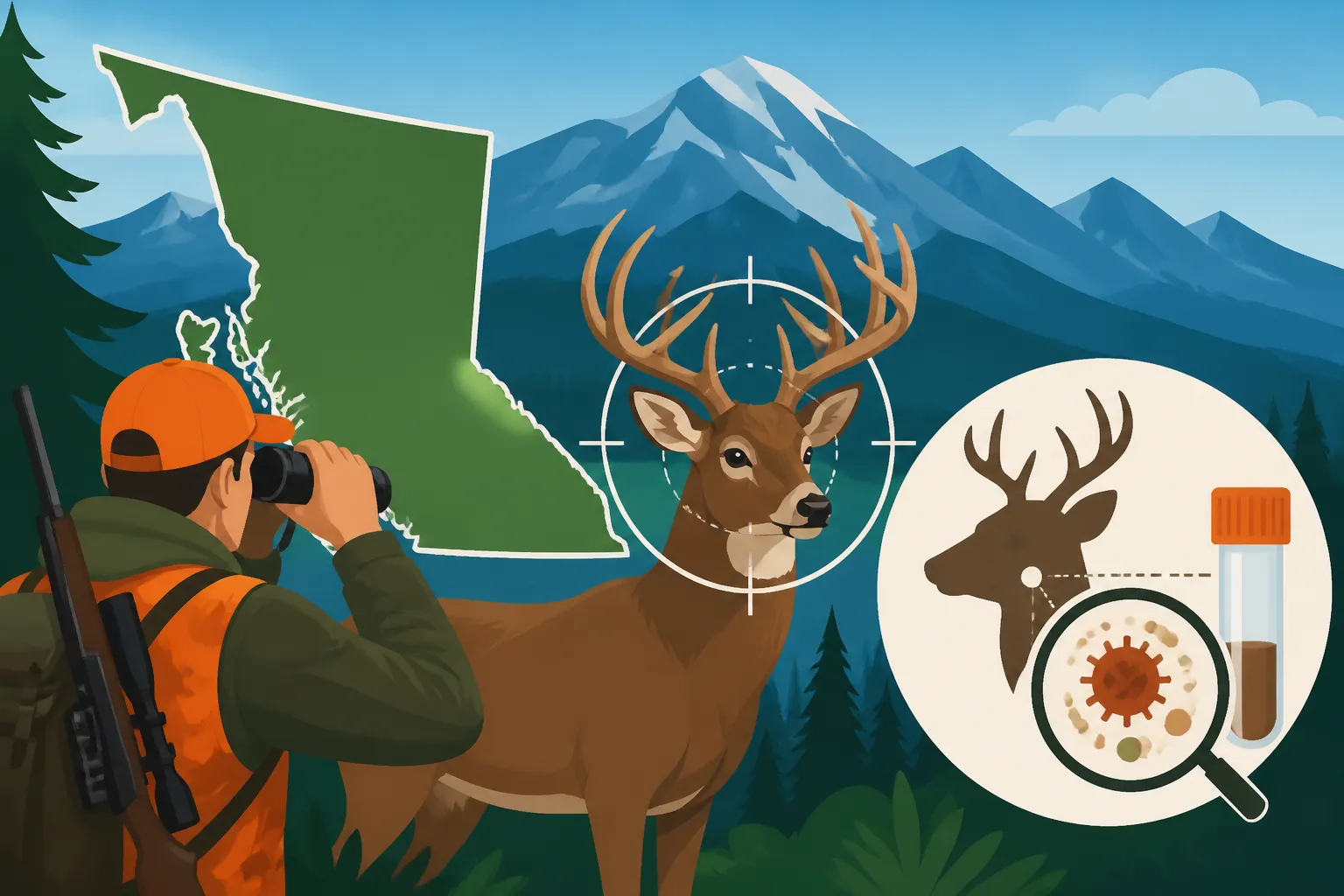
The process for submitting samples is made as straightforward as possible, recognizing the effort it takes. You'll typically need to locate a designated drop-off freezer or collection site, often found at regional Ministry of Forests offices, meat processors, or specific community hubs. The program focuses on collecting specific tissues: the obex (a part of the brainstem) and lymph nodes from the throat area. These are the tissues where CWD prions accumulate and are most reliably detected. You'll usually fill out a simple form, often available on the provincial wildlife website or even through apps like GoHunt, which can help you find submission points and report your harvest details, including mandatory elements like British Columbia's Compulsory Reporting Rules. The information you provide, linking the sample to the specific Management Unit and date of harvest, is vital for mapping any potential CWD presence. Your voluntary participation isn't just a nice gesture; it’s the backbone of the entire surveillance effort. Every sample submitted helps paint a clearer picture of CWD prevalence – or absence – in British Columbia.
The Science Behind the Samples: Lab Analysis
Once you've dropped off your sample, the real science begins. The collected tissue samples are sent to specialized laboratories equipped to test for CWD prions. These aren't just any labs; they have to meet stringent standards for handling and testing for prion diseases.
The process involves carefully extracting the specific tissues – the obex and retropharyngeal lymph nodes – from the submitted head. These tissues are then processed using techniques like immunohistochemistry (IHC) or enzyme-linked immunosorbent assay (ELISA) to detect the abnormal prion proteins. It’s a meticulous and time-consuming process, but it's incredibly accurate. If a sample tests positive, it triggers a cascade of further investigation, including confirmation testing and an immediate response plan to assess the extent of the infection. This scientific rigor ensures that any detection of CWD is confirmed and acted upon swiftly, protecting our wildlife and informing hunters about potential changes in areas like Hunting Mule Deer in the Okanagan Breaks.
Understanding the Risks and Hunter Responsibilities
The threat of CWD certainly feels abstract until you consider the potential consequences for our hunting experiences and the health of our wildlife. Being informed isn't just about knowing what the government is doing; it's about understanding what you can do, both ethically and practically, to be a responsible hunter in the face of this concern.
Practical Measures Hunters Can Take in the Field
While British Columbia currently has no detected CWD, taking preventative measures in the field is just plain smart. Think of it as an insurance policy for your hunting future. One of the most important things you can do is practice good carcass handling. This means minimizing the movement of high-risk parts, especially if you're hunting near a provincial border or in an area where surveillance is focused.
Consider these practical steps:
- Identify High-Risk Parts: The brain, spinal cord, eyes, spleen, and lymph nodes are considered the highest risk.
- Field Dress Carefully: If possible, field dress your animal where it falls. Remove the gut pile and leave it there. While gut piles aren't considered the highest risk, leaving them disperses some material.
- Bone Out Your Meat: If you plan to transport your animal across significant distances, especially if you're coming from or going into a high-risk area, bone out the meat. This leaves the skull, spinal column, and other high-risk parts in the field. This is good practice anyway, especially for Getting Meat Out of Steep British Columbia Country or when considering Meat Care in British Columbia's Warm Early Seasons.
- Clean Your Tools: Thoroughly clean all knives, saws, and processing equipment with soap and water, and ideally a diluted bleach solution, after handling any game animal.
- Dispose of Carcass Waste Responsibly: If you transport a head or other parts home for taxidermy or trophy care, dispose of any remaining high-risk waste (like brain tissue after caping) in a landfill, not just in your backyard.
These measures might seem a bit extra, but they're a small price to pay for protecting the health of our herds and ensuring the future of hunting in our beautiful province.
Staying Informed and Reporting Suspect Animals
One of the best defenses we have is an informed and vigilant hunting community. The provincial government's wildlife branch is the primary source for official updates on CWD. Their websites are regularly updated with information on surveillance efforts, any new detections, and changes to regulations. Keep an eye on the British Columbia's Two-Year Regulations Synopsis as well; any CWD-related rule changes would be prominently featured there.
Beyond official channels, local rod and gun clubs are fantastic resources. They often host informational sessions or circulate updates relevant to your specific hunting region. And don't forget platforms like GoHunt, which can aggregate news and provide direct links to official resources, helping you stay current on where and when to submit samples.
Most importantly, if you ever encounter an animal displaying symptoms consistent with CWD – severe emaciation, neurological signs, abnormal behaviour – do not harvest it. Instead, immediately report it to the Report All Poachers and Polluters (RAPP) line or your local conservation officer service. They will investigate and collect samples safely. Your keen eye in the field is invaluable in spotting potential problems before they become widespread.
The Importance of Regulations and Ethical Hunting
Every regulation in place, from antler point restrictions to compulsory reporting for species like moose, is designed with wildlife conservation and sustainable hunting in mind. CWD surveillance falls squarely within this ethical framework. By participating in the program, adhering to carcass transport rules, and staying informed, we're not just following rules; we're actively contributing to the health of our wildlife populations.
This commitment extends beyond CWD. It's about respecting the animals we pursue, the land we hunt on, and the privilege of hunting itself. Ethical hunting means taking every step to minimize suffering, utilize the animal fully, and contribute to sound wildlife management. Understanding and supporting the CWD program is a direct reflection of that commitment, helping to safeguard the very future of Rifle Hunting British Columbia's General Open Seasons and all our other pursuits.
What British Columbia's CWD Program Means for the Future of Hunting
The spectre of CWD looms large for hunters everywhere. While British Columbia remains CWD-free, the proactive surveillance program isn't just about detecting the disease; it's about preparing for its potential arrival and safeguarding the very future of our hunting traditions.
Potential Impacts if CWD Arrives or Spreads
If CWD were to become established and spread within British Columbia, the impacts would be profound and far-reaching. We've seen in other jurisdictions how CWD can lead to significant declines in cervid populations. Imagine vast tracts of our beautiful wilderness, like the Muskwa-Kechika Management Area, experiencing a widespread die-off of deer or moose. The ecological balance would be disrupted, and hunting opportunities would undoubtedly change drastically.
Hunters would likely face new and more restrictive regulations. This could mean mandatory testing of all harvested cervids, limitations on carcass transport, or even temporary closures of hunting seasons in affected areas. The joy of a successful hunt, whether for Mule Deer Hunting in British Columbia or Moose Hunting British Columbia's Interior, could be overshadowed by the anxiety of testing and the potential for a positive result. Beyond that, there's the psychological impact: a feeling of loss for the health of our wild places, and a constant worry about the meat we consume, even if scientific evidence suggests no human health risk. It's a future none of us want to see for our wild province.
Collaborative Efforts for Long-Term Management
The fight against CWD, or indeed any major wildlife health issue, isn't a battle that can be won by any single entity. It requires a truly collaborative effort from all stakeholders. The provincial government and its wildlife biologists are critical, providing the scientific expertise, coordination, and regulatory framework. However, they cannot do it alone.
Hunters are, and always will be, absolutely essential. As mentioned, your voluntary sample submissions are the bedrock of the surveillance program. Your eyes and ears in the backcountry are the first line of defense against sick animals. Indigenous communities, with their deep historical connection to the land and its wildlife, also play a vital role in monitoring and sharing traditional ecological knowledge. Researchers, conservation organizations, and even local communities all contribute to building a stronger, more resilient approach to wildlife health. It’s about everyone pulling in the same direction, recognizing that the health of our cervid populations is a shared responsibility. By working together, from submitting a sample to staying informed, we give British Columbia the best possible chance to keep CWD at bay and ensure healthy, huntable populations for the generations that follow us.
| Carcass Part | Risk Level | Handling Recommendation |
|---|---|---|
| Brain, Spinal Cord | High | Leave in the field where the animal was harvested. If removed for trophy, dispose of waste in landfill. |
| Eyes | High | Same as brain/spinal cord. Often removed during caping. |
| Lymph Nodes | High | Leave in the field. If submitting a head for CWD testing, these are specifically collected. |
| Spleen | High | Leave in the field with the gut pile. |
| Skull (if brain intact) | High | If skull is taken for a trophy, ensure brain material is removed and disposed of responsibly (landfill) after caping. |
| Bone (skeletal) | Medium | Bone-out meat and leave skeletal frame in the field. Avoid transporting large bone sections (e.g., vertebrae) if crossing zones. |
| Antlers | Low | Generally safe to transport. |
| Hides/Capes | Low | Generally safe to transport. |
| Deboned Meat | Low | Considered safest for transport and consumption. |
| Internal Organs (other than spleen) | Low | Leave in the field with the gut pile. |
Disclaimer
This article is for general informational purposes only and does not constitute professional advice. Laws, prices and regulations vary by location and change over time. Consult a qualified professional for guidance on your specific situation.