What Hoof Disease Does to Elk
It’s a heart-wrenching sight no hunter wants to see: an elk limping, struggling to keep up with its herd, or worse, standing alone, clearly in distress. The reality is, British Columbia's majestic elk herds, like wildlife across the continent, face a myriad of challenges, and one that causes particular concern is hoof disease. This guide will delve deep into what hoof disease means for elk, how it impacts their survival, and what every responsible hunter in British Columbia should know about identifying it and contributing to wildlife management efforts.
Understanding Hoof Disease in British Columbia Elk
When we talk about hoof disease in elk, we're not just discussing a minor ache or a chipped hoof. This is a serious, often debilitating condition that directly affects an animal's most fundamental means of survival: its ability to move. It's a complex issue, and while there's still much to learn, understanding the basics is crucial for anyone passionate about British Columbia's wildlife.
What is Hoof Disease?
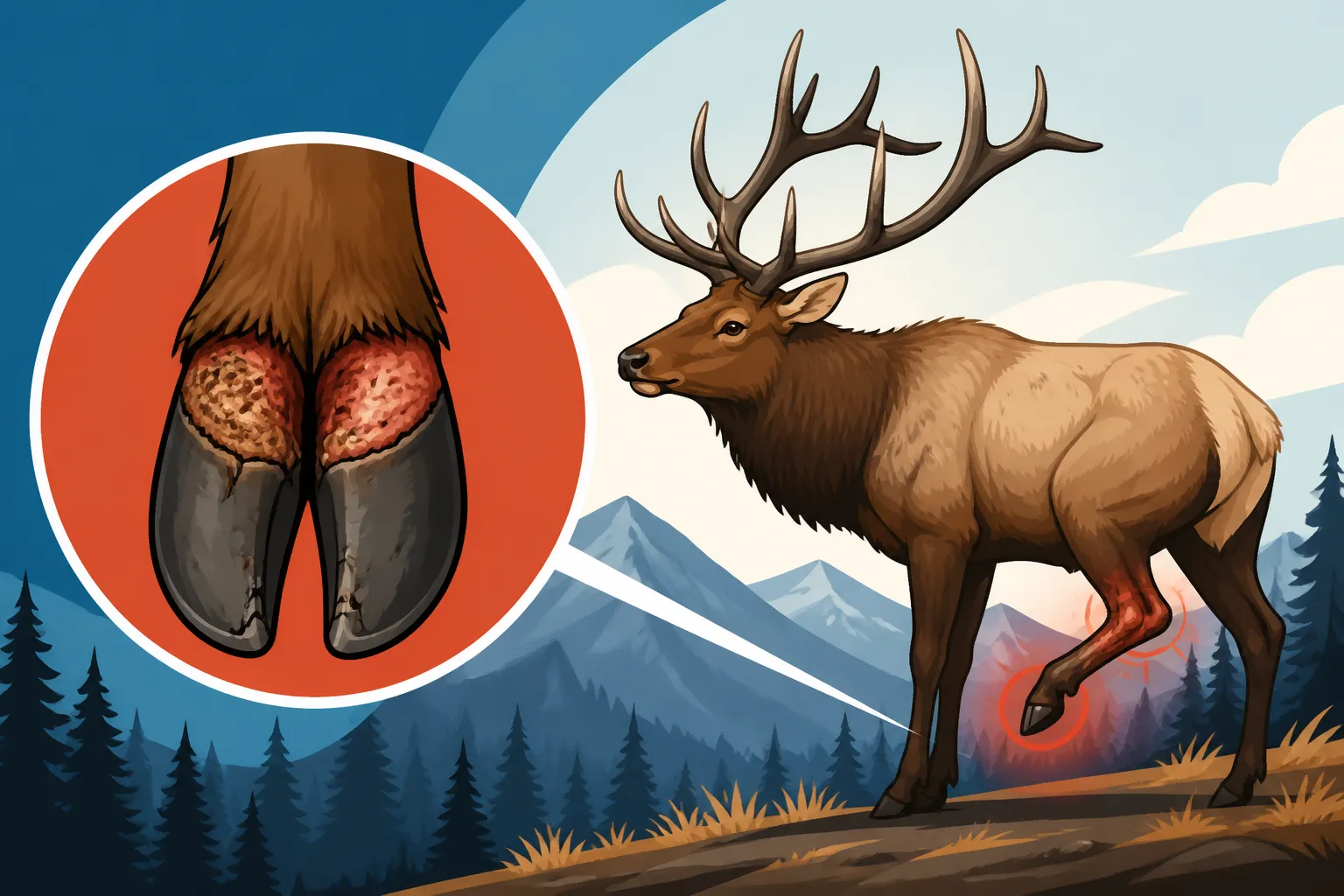
Hoof disease in elk, sometimes broadly referred to as elk hoof disease, often involves a bacterial infection that leads to severe deformities and lesions in the hooves. Think of it less like a simple bruise and more like a chronic, painful, and progressive destruction of the hoof structure. The bacteria, often from the Treponema genus (similar to those implicated in digital dermatitis in cattle), attack the delicate tissues of the hoof, causing them to grow abnormally, become overgrown, elongated, cracked, or even slough off entirely. It’s not uncommon to see hooves that look like gnarled, twisted clubs rather than healthy, well-formed digits.
Imagine trying to navigate the rugged terrain of the Kootenays or the steep slopes of Vancouver Island with perpetually sore, splintering feet. That's the reality for an elk afflicted with this condition. The pain is constant, and the physical damage makes every step a struggle. It's a relentless assault on their natural mobility, making them visibly lame. This isn't just a cosmetic problem; it's a critical health crisis for the individual animal, undermining its ability to perform basic life functions necessary for survival. The suffering is palpable, and for those who spend time observing elk, it's a stark reminder of the challenges these animals face.
How it Spreads and Factors Contributing to its Presence
The exact mechanisms of spread are still being studied, but it's believed that the bacteria responsible for hoof disease are present in the environment, likely in moist soil and vegetation. Elk can pick up the bacteria from contaminated ground, and direct contact between infected and healthy hooves can also play a role. The disease tends to thrive in certain conditions, particularly where elk densities are high, and the ground is consistently wet or muddy. Think of river bottoms, marshy areas, or places with heavy rainfall – these environments can become hotspots for the bacteria.
Once an animal is infected, it can become a source of further contamination, shedding bacteria into the environment and potentially infecting other elk in the herd. This makes it particularly challenging to manage in wild populations. Factors like habitat degradation, which might force elk into more confined or less suitable areas, could also contribute to increased stress and susceptibility. We're talking about a combination of environmental conditions, population dynamics, and the presence of specific bacterial strains that all align to create a perfect storm for the disease to take hold and spread. Understanding these factors is key to appreciating the complexity of this wildlife health issue.
The Devastating Impact on Elk Health and Survival
The consequences of hoof disease for an elk are profound and far-reaching, transforming a once robust animal into one struggling for its very existence. It impacts every aspect of their life, from finding food to escaping danger, ultimately compromising their survival in the wild.
Impaired Mobility and Foraging Ability
The most immediate and obvious impact of hoof disease is severe lameness. An elk with compromised hooves struggles to move, plain and simple. Imagine trying to make your way through thick timber, climb a steep ridge, or cross a rocky creek bed when every step causes excruciating pain. This isn't just about moving slowly; it's about being fundamentally crippled. They can't keep up with the rest of the herd, often lagging behind, or worse, becoming isolated. This isolation in itself is a huge risk factor.
This impaired mobility has a direct knock-on effect on their ability to forage. Elk need to cover significant ground to find adequate food sources, especially during lean times like winter. If they can't travel efficiently, they can't access prime feeding areas, leading to reduced food intake, weight loss, and a weakened overall condition. A cow elk, for example, needs to maintain good body condition to successfully carry a calf to term and nurse it. If she's struggling to feed herself, her reproductive success plummets. This is particularly critical when considering What British Columbia Elk Eat Through Winter, as deep snow and scarce forage already present immense challenges. A sick animal has little chance against these odds.
Increased Vulnerability to Predation and Harsh Conditions
An elk that can't run is an elk that can't escape. Hoof disease makes elk incredibly vulnerable to predators. A limping elk is essentially a neon sign for wolves, cougars, and even bears looking for an easy meal. Wolves in British Columbia and British Columbia's Cougar Population are formidable predators, and a weakened, slow-moving elk becomes an undeniable target. This isn't just theoretical; direct observations often show predators targeting these compromised animals.
Beyond predation, the disease makes elk less resilient to the harsh environmental conditions that are common in British Columbia. A weakened immune system due to chronic infection, coupled with poor body condition from lack of foraging, means they're less able to withstand cold temperatures, deep snow, or extended periods of wet weather. They might suffer from frostbite on exposed, damaged hooves, or simply succumb to exposure and starvation when healthy animals would easily survive. The disease effectively strips them of their natural defences, turning them into easy prey for both predators and the elements.
Reproductive Impacts and Herd Dynamics
The long-term health of an elk herd relies on successful reproduction, and hoof disease can have a subtle yet significant impact on this vital process. Severely affected cows are less likely to conceive, and if they do, their ability to carry a calf to full term or successfully raise it can be compromised. A cow struggling with chronic pain and malnutrition simply doesn't have the energy reserves needed for a healthy pregnancy and lactation. This can lead to lower birth rates and increased calf mortality, which, over time, can shift the age and sex structure of a local herd.
While not as dramatic as a mass die-off, a persistent decline in reproductive success due to hoof disease can slowly but steadily reduce herd numbers and genetic diversity. It can mean fewer young bulls entering the breeding pool and fewer calves surviving to adulthood. This slow erosion of herd health is a serious concern for wildlife managers, as it affects the overall vitality and sustainability of elk populations in affected areas. The health of individual animals directly translates to the health of the entire herd, and hoof disease is a constant drain on that collective well-being.
What Hunters Need to Know in the Field
As hunters, we are often the eyes and ears of wildlife management in the backcountry. Being able to recognize the signs of hoof disease and understanding what to do about it is a critical part of our responsibility to the resource.
Recognizing Signs of Hoof Disease
When you're out in the field, whether you're Hunting Rocky Mountain Elk in British Columbia or looking for Roosevelt elk on the coast, keep an eye out for these tell-tale signs:
- Limping or Abnormal Gait: This is the most obvious indicator. The elk might favour one leg, take short, choppy steps, or have an unsteady, rocking motion as it tries to avoid putting weight on an affected hoof. Sometimes, they might seem to stumble or fall more easily.
- Isolation: Sick or injured elk often separate from the main herd. If you see an elk alone, especially one that seems lethargic or reluctant to move, it's worth a closer look.
- Physical Appearance: While lameness is key, also note if the animal appears unusually thin, has a dull coat, or seems generally unwell. These are secondary signs of chronic illness.
- Examining Harvested Animals: If you harvest an elk, take a moment to inspect its hooves. Look for:
- Overgrowth and Deformity: Hooves that are excessively long, curved, or twisted.
- Cracks and Lesions: Deep cracks, fissures, or open sores on the hoof wall or between the digits.
- Sloughing: In severe cases, parts of the hoof wall or even the entire hoof can be detached or missing.
- Pus or Discharge: Any foul-smelling discharge from the hoof area is a strong indicator of infection.
Even subtle changes can be significant. By carefully observing both live and harvested animals, you provide valuable information to wildlife biologists.
Reporting and Management Efforts
Your role in managing hoof disease is incredibly important. Wildlife agencies rely on hunters to report observations, as they can't be everywhere all the time. If you observe an elk exhibiting signs of hoof disease, or if you harvest an animal with affected hooves, you should report it to the British Columbia Ministry of Forests, Lands, Natural Resource Operations and Rural Development (FLNRORD) or the BC Wildlife Federation.
Here's why reporting matters:
- Tracking Spread: Your report helps biologists track the geographical spread and prevalence of the disease. This data is essential for understanding where the disease is active and how quickly it might be expanding.
- Assessing Impact: By documenting observations, you contribute to a larger dataset that allows researchers to assess the disease's overall impact on local elk populations.
- Informing Management Decisions: While directly treating wild elk is often impractical, data from hunter reports can inform broader management strategies, such as herd health assessments, habitat improvements, or even specific hunting regulations in affected areas.
- Research: Reports often lead to further investigation, including sample collection for diagnostic testing, which helps in identifying the specific pathogens involved and understanding the disease's pathology.
While Which Species Still Need Compulsory Inspection might not currently include hoof disease, your voluntary reports are equally vital. Tools like GoHunt can often provide current information or direct you to official resources for reporting observations, helping you stay informed and connected to the wildlife management community. Always ensure you are following the proper channels for submitting What Information a Harvest Report Needs, and include any observations of disease.
Hunter Responsibility and Meat Handling
When encountering an animal with hoof disease, ethical considerations and proper handling are paramount. If you harvest an animal that appears to have hoof disease, it’s generally recommended to exercise caution.
Here are some key responsibilities:
- Ethical Harvest: If you encounter an elk severely impacted by hoof disease, to the point where its quality of life is severely diminished and it's suffering, a humane harvest can be an ethical decision, provided it is within all legal hunting regulations for that species and season. However, do not assume every limping animal is terminally ill; some may have minor injuries or less severe infections.
- Meat Safety: While hoof disease itself is not known to be transmissible to humans through consumption, any animal that is significantly ill, emaciated, or has widespread infection should be approached with caution regarding meat consumption. Severe infections can lead to a generally unhealthy animal. It's always best to be prudent. If there is any doubt about the health of the meat, it's advisable to consult with local wildlife officials or a veterinarian.
- Hygiene During Field Dressing: Practice excellent hygiene when field dressing any animal, but particularly one showing signs of disease. Wear gloves, and thoroughly clean all knives, tools, and surfaces afterwards. This prevents potential spread of bacteria to other animals or contamination of your gear. Proper Field Dressing in British Columbia's Wet Weather is always important, but even more so with a suspect animal.
- Disposal of Carcass Parts: Follow all regulations for carcass disposal, particularly for parts like hooves that might contain bacteria. Do not leave potentially infected parts where other wildlife or domestic animals could encounter them. This minimizes the risk of further spread in the environment.
Your actions in the field contribute directly to the health of the herd and the integrity of the hunting community. Being informed and acting responsibly ensures we protect both the wildlife and the hunting tradition.
Broader Implications for British Columbia's Elk Herds
The presence of hoof disease isn't just a concern for individual elk; it has wider implications for the entire elk population in British Columbia, influencing herd health, management strategies, and the overall ecological balance.
Regional Differences and Long-Term Outlook
Hoof disease doesn't affect all elk populations in British Columbia equally. Its prevalence can vary significantly depending on the specific region, local environmental conditions, and elk densities. For instance, areas with consistently wet conditions or particular soil types might see higher rates of infection. The challenges faced by Roosevelt and Rocky Mountain Elk in British Columbia can differ greatly due to their distinct habitats. Roosevelt elk on the coast, accustomed to heavy rainfall and lush, moist environments, might encounter different bacterial strains or environmental factors than Rocky Mountain elk in the drier interior.
The long-term outlook for affected herds is something wildlife biologists are constantly monitoring. While some local populations might experience a temporary dip in numbers or a shift in herd dynamics, others might be more resilient. The concern is that if the disease becomes widespread and chronic in critical habitats, it could lead to sustained declines in elk populations, impacting both ecological health and hunting opportunities. It's a slow burn, but one that warrants continuous vigilance and adaptive management strategies to ensure the health and stability of British Columbia's elk for future generations.
Research and Conservation Efforts
Fortunately, wildlife agencies and researchers are actively engaged in understanding and mitigating the effects of hoof disease. This includes everything from field observations and data collection (where your hunter reports are invaluable) to laboratory analysis of samples to identify specific pathogens and understand their biology. The goal is to piece together the full picture of the disease: how it spreads, what conditions favour it, and what its true impact on elk populations is.
Conservation efforts often focus on habitat management, which can indirectly help by reducing elk densities in vulnerable areas or improving overall herd health to make them more resilient. While there isn't a simple "cure" for hoof disease in wild populations, the collective knowledge gained from research and the consistent reporting by hunters allow for informed decisions and proactive measures. It's a collaborative effort, and hunters are crucial partners in these efforts. Staying informed, perhaps through resources or articles found on platforms like GoHunt, keeps you connected to the broader conservation conversation and ensures you can contribute effectively to the ongoing efforts to protect British Columbia's magnificent elk herds. Regularly checking British Columbia's Compulsory Reporting Rules and other wildlife health advisories ensures you are up-to-date on how best to contribute.
Hoof Disease in Elk: Signs and Potential Impacts
| Category | Signs to Look For (Live Elk) | Signs to Look For (Harvested Elk) | Potential Impacts on Elk Health & Survival |
|---|---|---|---|
| Mobility | Limping, abnormal gait, reluctance to bear weight, stumbling | N/A | Impaired foraging, reduced escape ability, difficulty navigating terrain |
| Hoof Appearance | N/A | Overgrown, twisted, gnarled hooves, cracks, lesions, sloughing, pus | Chronic pain, increased risk of secondary infections, lameness |
| Overall Condition | Isolation from herd, lethargy, emaciation, dull coat | Emaciation, signs of chronic illness on carcass | Weakened immune system, increased susceptibility to other diseases, starvation |
| Vulnerability | Lagging behind herd, slower reaction to threats | N/A | Increased predation risk, reduced ability to withstand harsh weather |
| Herd Dynamics | N/A | N/A | Reduced reproductive success, potential long-term population decline |
Disclaimer
This article is for general informational purposes only and does not constitute professional advice. Laws, prices and regulations vary by location and change over time. Consult a qualified professional for guidance on your specific situation.