The Muskwa-Kechika Management Area
The call of the truly wild places often comes with a whisper of warning, a promise of untamed beauty coupled with the immense challenge of self-reliance. Many of us dream of a hunt where the only sounds are nature's own, but the reality of finding such a vast, accessible wilderness in British Columbia can be daunting. This guide dives deep into the Muskwa-Kechika Management Area, an incredible expanse that offers just such an experience, laying out what makes it unique, how to prepare for its demands, and what you can expect when you venture into this truly special corner of BC.
What is the Muskwa-Kechika Management Area?
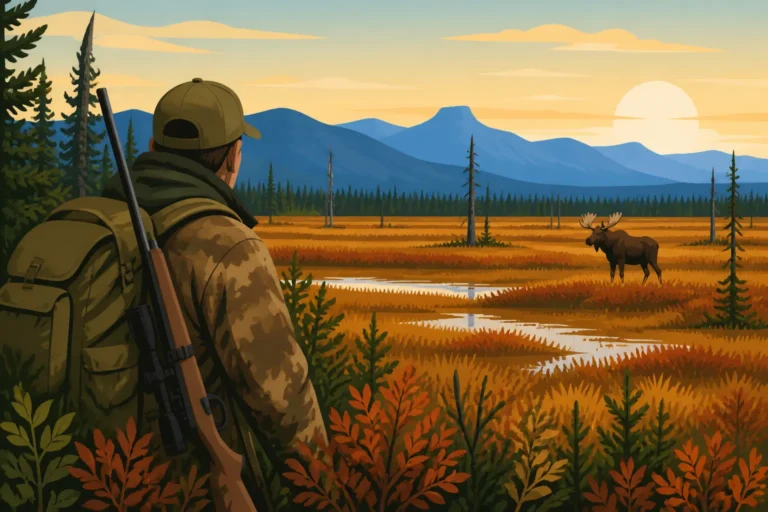
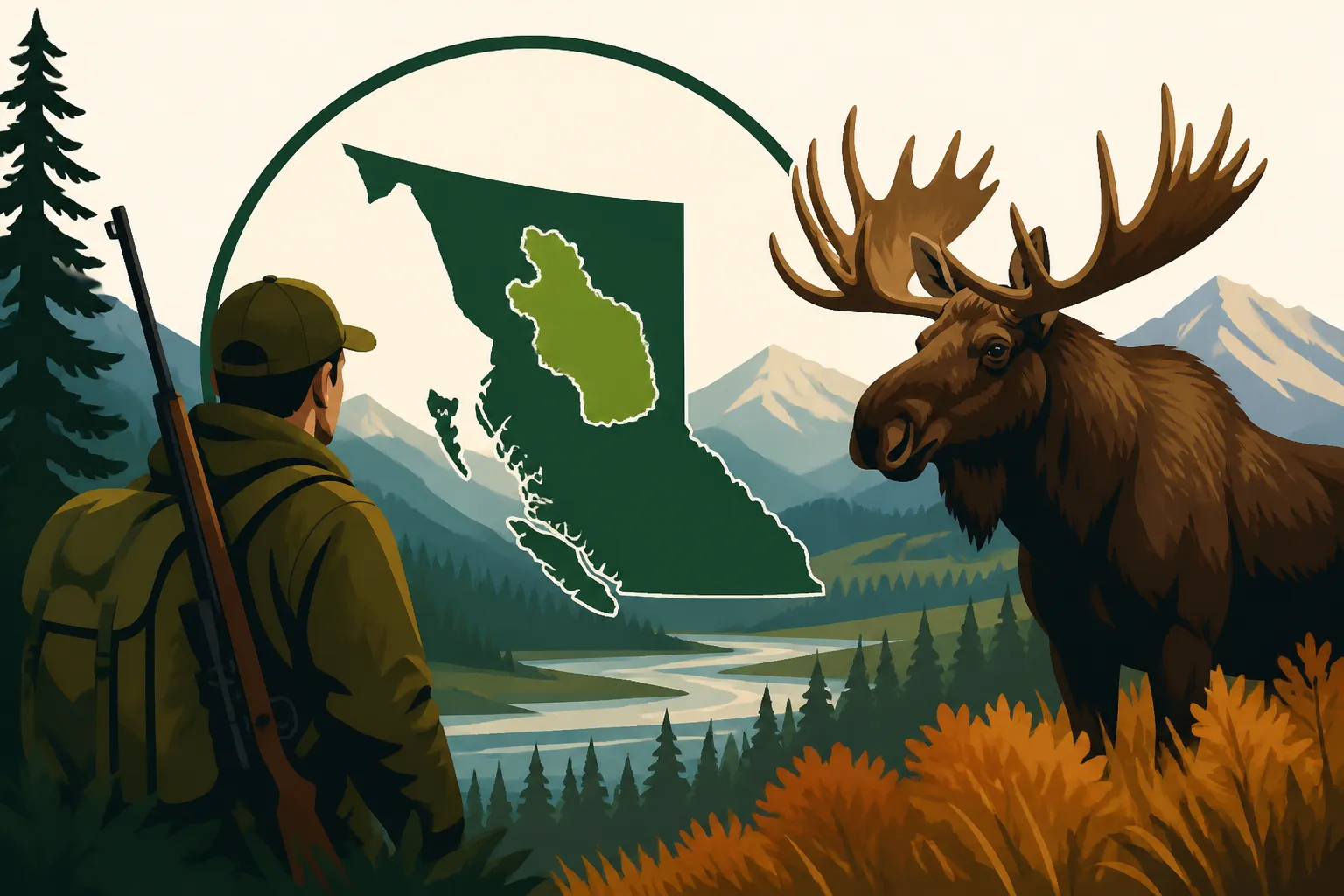
The Muskwa-Kechika Management Area (M-K) isn't just another patch of wilderness on a map; it's a globally recognized gem, often referred to as the "Serengeti of the North." It’s an enormous area, encompassing vast tracts of northern B.C. where the Northern Rockies meet the Boreal Plains, a breathtaking blend of towering peaks, alpine plateaus, expansive forests, and meandering rivers. Established with a unique management philosophy, the M-K aims to sustain its incredible wilderness character, maintain its biodiversity, and support healthy wildlife populations, all while allowing for carefully managed resource development and recreational opportunities, including hunting.
A Sanctuary for Wilderness and Wildlife
Imagine a place where the human footprint is intentionally light, where the sheer scale of the landscape dwarfs any individual. That’s the M-K. It was created through a collaborative effort to ensure that its ecological and cultural values are protected for future generations. For hunters, this translates into a unique opportunity to experience true backcountry hunting, far from the pressures and easy access of more populated areas. It’s a place where animal populations thrive in an intact ecosystem, a testament to thoughtful land management. When you step into the M-K, you’re not just entering a hunting zone; you’re entering a globally significant wilderness area that demands respect and careful stewardship from everyone who visits. The vastness here means that wildlife often behaves more naturally, less conditioned by constant human presence, which makes for an incredibly authentic and rewarding hunting experience for those willing to put in the effort.
Unique Management Objectives
The M-K operates under a specific framework that balances conservation, sustainable resource use, and recreational access. Unlike a provincial park, hunting and other forms of resource extraction are permitted, but they are managed under strict guidelines to uphold the area's ecological integrity. This means that access is often limited, development is carefully planned, and industrial activities are regulated to minimize impact on wildlife and their habitat. The intent is to maintain the M-K's "wild" character, ensuring that the remote nature and large, undisturbed areas continue to support robust populations of species like moose, elk, caribou, sheep, goats, and bears. Hunters benefit directly from these objectives, as it means higher quality habitat and less disturbed game animals, offering an unparalleled opportunity for a true wilderness hunt. It’s a delicate balance, but one that has largely succeeded in preserving this northern jewel.
Accessing the Muskwa-Kechika: Getting In and Around
One of the biggest factors that sets the M-K apart, and often intimidates potential visitors, is its remote nature. Getting into and navigating this vast wilderness is a significant undertaking, requiring careful planning, robust equipment, and often specialized transportation. This isn't a place you casually drive into for an afternoon hunt; it's an expedition.
Road and River Access
While the M-K is largely roadless, a few main arteries, primarily resource roads, provide the initial points of entry, often off the Alaska Highway. These roads are typically unpaved, often rough, and can be challenging to navigate, especially during wet weather or freeze-thaw cycles. They quickly transition from maintained routes to remote tracks, often requiring a high-clearance 4×4 vehicle, and sometimes even tracked vehicles or ATVs for deeper penetration into specific zones. River access is another critical component, with major waterways like the Muskwa, Kechika, and Fort Nelson rivers serving as natural highways. Jet Boat Access on British Columbia Rivers is a popular method for hunters to reach remote areas within the M-K, allowing for significant distances to be covered while carrying heavy gear. However, river travel comes with its own set of challenges, including fluctuating water levels, hidden hazards, and the need for specialized boat handling skills. Many hunters combine road access to a river launch point, then transition to boat travel, or even float planes, to truly get deep into the interior.
Air and Horseback Access
For those looking to reach the most remote corners of the M-K, or simply maximize their time on the ground, air access is often the preferred method. This typically involves chartering a float plane or bush plane to land on one of the many lakes or remote airstrips scattered throughout the management area. Flying Into a Remote British Columbia Camp is a common strategy for sheep, goat, or caribou hunts, dropping hunters into prime alpine country. This option, while costly, significantly reduces travel time and allows access to areas that would be otherwise unreachable. Once on the ground, or for those who prefer to traverse the landscape, horseback is an iconic and highly effective mode of transportation in the M-K. Outfitters often utilize pack strings to move camps, supplies, and harvested game deep into the backcountry. Horseback Hunting British Columbia's Backcountry offers a truly immersive experience, covering vast distances over rugged terrain while minimizing physical exertion compared to backpacking. It allows hunters to establish spike camps in new locations, following game sign and covering more ground efficiently.
Game Species and Hunting Opportunities
The Muskwa-Kechika Management Area is renowned for its diverse and healthy wildlife populations, offering some of British Columbia's most sought-after big game hunting opportunities. This vast, undisturbed ecosystem supports a wide array of species, making it a true big game hunter's paradise.
Big Game Species of the M-K
The M-K is home to robust populations of moose, elk, and various deer species, though mule deer are more common than whitetails in this northern expanse. Moose in British Columbia's Interior and North thrive in the riparian areas and willow flats, often growing to impressive sizes. For many, a Shiras moose from the M-K is a bucket-list animal. Rocky Mountain elk also inhabit parts of the region, particularly in the southern reaches and some of the lower valleys, offering thrilling bugle hunts in the fall. Black bears are ubiquitous, found throughout the diverse habitats from river bottoms to timbered slopes, providing excellent opportunities for both spring and fall hunts. Perhaps most famous, however, are the mountain dwelling species: Stone's sheep and mountain goats. The M-K is prime Stone's sheep country, drawing hunters from around the globe in search of these elusive rams. Hunting Stone's Sheep in Northern British Columbia is a true test of physical endurance and mental fortitude. Mountain goats cling to the steep, rocky cliffs and alpine zones, offering another incredibly challenging and rewarding hunt. Mountain Goats in British Columbia's Peaks are hardy, solitary animals that require serious effort to pursue.
Predator and Furbearer Hunting
Beyond the big game, the M-K also offers significant opportunities for predator and furbearer hunting. Wolves are prevalent throughout the region, often following the large ungulate herds. Their presence is a testament to the health of the ecosystem, and calling wolves can be an incredibly intense and rewarding experience. Calling Wolves in British Columbia requires patience and skill, but the payoff of interacting with these apex predators in their natural environment is immense. Black bears, as mentioned, are also considered big game but their populations offer abundant hunting opportunities. Lynx, wolverine, and various other furbearers also inhabit the area, though specific regulations and seasons apply, and they are often pursued by trappers. The M-K represents a functioning wild ecosystem, and hunting here is a chance to interact with that ecosystem at every level, from prey to predator. The sheer scale and intact nature of the M-K mean that these animals often display natural behaviours, uninfluenced by constant human presence, adding to the authenticity of the hunt.
Planning Your M-K Adventure: Logistics and Preparation
Embarking on a hunt in the Muskwa-Kechika is not a spur-of-the-moment decision. It requires meticulous planning, a deep understanding of regulations, significant physical and mental preparation, and the right gear to ensure both success and safety in this remote environment.
Licenses, Tags, and Regulations
Before you even dream of setting foot in the M-K, you need to ensure all your legal ducks are in a row. This starts with acquiring your British Columbia Hunting Licences and Fees and specific species tags for the animals you intend to pursue. The M-K falls under specific Management Units (MUs) and regions, and it’s critical to understand the regulations specific to those areas. Some hunts may be General Open Season (GOS), while others might be limited entry hunting (LEH) draws, requiring a successful application. Checking the latest British Columbia's Two-Year Regulations Synopsis is non-negotiable, as seasons, bag limits, and specific rules for the M-K can change. Remember, non-residents of British Columbia typically require the services of a licensed guide outfitter or a Permit to Accompany Explained host to hunt big game in the province, which applies strongly to the M-K given its remote nature. British Columbia's Compulsory Reporting Rules are also paramount; harvested animals must be reported within a specific timeframe, and some species may require compulsory inspection of the head or hide.
Physical Conditioning and Gear Essentials
The M-K is not for the faint of heart or the out of shape. Whether you're horseback hunting, backpacking into the alpine, or navigating rivers, a high level of physical fitness is essential. You'll be traversing rugged terrain, often carrying heavy loads, and potentially dealing with extreme weather conditions. Start a rigorous training regimen well in advance. Beyond physical preparation, your gear list is critical. Think durable, reliable, and redundant. Satellite communication devices are not optional; they are a necessity for Satellite Communication on a Remote Hunt in an area with virtually no cell service. A GPS unit with pre-loaded maps, along with a reliable compass and physical maps, is fundamental for navigation. Many hunters rely on apps like onX Hunt for detailed topography and land ownership information, which can be invaluable when navigating the vastness of the M-K, even on Crown land. Proper layering for fluctuating temperatures, robust rain gear, quality optics, and a well-maintained firearm or bow are just the start. Don't forget bear spray and a thorough understanding of Bear Safety While Hunting in British Columbia, as both black bears and grizzlies inhabit the region.
Navigating the M-K: Tools and Techniques
Once you're physically prepared and legally compliant, the next hurdle is effectively navigating the vast and often featureless landscape of the Muskwa-Kechika. This is where modern technology meets traditional bushcraft, ensuring you can find your way, locate game, and stay safe.
Maps, GPS, and Digital Aids
In the M-K, a map isn't just a suggestion; it's your lifeline. You should carry multiple forms of navigation. Traditional paper maps, like the BC Government's TRIM series or forestry maps, are indispensable as a backup, especially when paired with a reliable compass. For primary navigation, a robust GPS unit or a smartphone running an advanced mapping application like onX Hunt is highly recommended. These digital tools allow you to pinpoint your exact location, mark waypoints for camp, game sightings, and water sources, and track your progress over vast distances. Pre-downloading detailed topographical maps is crucial, as cell service is non-existent. These apps can overlay satellite imagery with contour lines, logging roads, and even designated trails, giving you a comprehensive view of the terrain. Some serious hunt planners also utilize platforms like GoHunt for pre-scouting, though its utility for specific M-K ground might vary depending on data availability. Reading a British Columbia management unit map effectively, both digitally and on paper, is a skill you'll need to master before you even leave home.
Scouting and Field Techniques
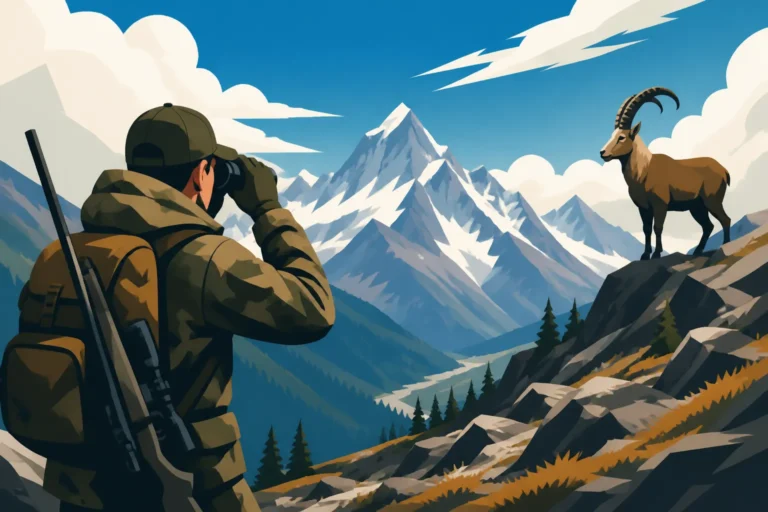
Scouting the M-K begins long before your boots hit the ground. Online research, studying satellite imagery, and pouring over topographical maps can help identify potential game habitat, travel corridors, and access points. Looking for old cutblocks, burn areas, or distinct geographical features like river benches and alpine basins is key. Once in the field, the sheer scale of the M-K necessitates efficient scouting techniques. For sheep and goats, extensive glassing of distant slopes and ridges with high-quality spotting scopes and binoculars is paramount. Glassing an Alpine Basin for Rams can save you countless miles of walking. For moose, focusing on willow-choked river bottoms, beaver ponds, and transition zones between forest and open areas is often productive. Glassing a Willow Flat for Moose at first light or last light can reveal the presence of a bull. For black bears, particularly in spring, finding south-facing slopes that green up early or checking old logging roads for fresh grass growth are classic tactics. Glassing Logging Roads for Spring Bears is a common and effective method. Remember that these animals live in a wild, unpressured environment, so they may not be as wary as game found in more accessible areas, but their home ranges are vast.
Respecting the Wild: Conservation and Ethics in the M-K
Hunting in the Muskwa-Kechika isn't just about pursuing game; it's about being a temporary guest in one of North America's most significant wilderness areas. This privilege comes with a profound responsibility to practice unwavering conservation ethics and ensure your presence leaves no trace.
Leave No Trace Principles
Adhering to Leave No Trace principles is absolutely critical in the M-K. This means planning and preparing thoroughly to minimize your impact. Pack out everything you pack in, including all garbage and even food scraps. Properly dispose of human waste, packing it out or burying it far from water sources and campsites. Travel and camp on durable surfaces to avoid damaging fragile vegetation or contributing to erosion. Minimizing campfire impacts, if fires are permitted and safe, is also important. The goal is that no one should know you were there after you leave. This applies not just to your camp, but to your entire hunting activity. When Quartering a Moose in Grizzly Country, for instance, ensure all meat, hide, and bones are handled responsibly and, if not packed out, dispersed in a manner that minimizes attraction to scavengers close to trails or water sources. Your actions, or inactions, can have a lasting impact on this sensitive ecosystem.
Wildlife Encounters and Responsible Hunting
In the M-K, encounters with all manner of wildlife, from ungulates to apex predators, are part of the experience. It's crucial to be wildlife-aware at all times. This includes understanding What to Do If You See a Grizzly and how to react appropriately to avoid conflicts. Carrying bear spray and knowing how to use it is non-negotiable. Ethical hunting practices are also paramount. This means making clean, humane shots, knowing your effective range, and diligently tracking any wounded animal. Waste of game meat is illegal and deeply unethical; Rules on Wasting Game Meat are enforced. Furthermore, demonstrating proof of sex and species of harvested animals, as required by Evidence of Sex Requirements, is a legal and ethical obligation. The remoteness of the M-K means there's often no quick help if something goes wrong, reinforcing the need for self-reliance, good judgment, and a strong commitment to responsible outdoor ethics. By upholding these principles, you not only protect the M-K but also uphold the reputation of all hunters.
| Aspect of M-K Hunting | Challenge | Solution / Best Practice |
|---|---|---|
| Access | Extremely remote, limited infrastructure | Plan well in advance; utilize charter flights, jet boats, or horses; have robust 4×4 for initial road access. |
| Navigation | Vast, often featureless terrain; no cell service | Carry multiple navigation tools (GPS, onX Hunt, paper map, compass); pre-download maps; learn to read topography. |
| Physical Demands | Rugged, steep, varied terrain; heavy pack-outs | Engage in rigorous physical training; select appropriate gear (e.g., quality boots, frame pack); be prepared for Packing Out of British Columbia's Steep Country. |
| Wildlife Encounters | High density of large predators (bears, wolves) | Carry bear spray; know bear safety protocols; travel in groups; make noise; properly secure food. |
| Weather | Unpredictable, rapidly changing mountain weather | Pack appropriate layered clothing for all conditions; monitor forecasts if possible via satellite device; be ready for Hunting British Columbia's Alpine in Cold Weather. |
| Regulations | Complex, specific to MUs and species | Thoroughly read the current British Columbia hunting synopsis; obtain all necessary licenses and tags; understand compulsory reporting requirements. |
| Logistics | Self-sufficiency required for extended periods | Plan all food, water, fuel, and emergency supplies; carry a satellite communication device; have an emergency plan. |
Why the Muskwa-Kechika Calls to the True Hunter
The Muskwa-Kechika Management Area is undeniably one of British Columbia's most challenging hunting destinations, yet it offers rewards that few other places can match. For many, it's the ultimate test of their skills, their gear, and their resilience. It’s where the landscape dictates the terms, and success is earned through sweat, dedication, and an unyielding spirit of adventure.
A Test of True Backcountry Skills
Venturing into the M-K pushes you to the limits of your backcountry capabilities. It's a place where every decision, from packing your frame pack to navigating across a river, carries significant weight. You learn to rely on your instincts, your preparation, and your partners. You discover the true meaning of self-sufficiency, often operating for days or weeks far from any form of civilization. The terrain itself, with its sprawling mountains, dense forests, and countless rivers, demands excellent physical fitness and navigational prowess. Getting game out of steep, rugged country, often many miles from a road or river, is an undertaking that will test your will and ingenuity. Getting Meat Out of Steep British Columbia Country after a successful hunt in the M-K is a rite of passage, turning a successful harvest into an epic logistical challenge. This crucible of challenge is precisely why so many dedicated hunters are drawn to its vast, untamed reaches.
An Unforgettable Wilderness Experience
Beyond the challenge of the hunt itself, the M-K offers an immersive wilderness experience that is increasingly rare in today's world. This is a place where you can truly disconnect from the modern world and reconnect with nature on a profound level. The solitude is palpable, the views are endless, and the sense of awe is constant. You might witness a herd of elk grazing in an alpine meadow, listen to the haunting calls of wolves under a star-filled sky, or spot a grizzly ambling across a distant slope. The M-K provides a backdrop for memories that will last a lifetime, regardless of whether you punch a tag. It's a journey into the wild heart of British Columbia, a place that leaves an indelible mark on those fortunate enough to experience it. For the hunter seeking not just an animal, but a profound connection to the wild, the Muskwa-Kechika is a destination that truly delivers.
Disclaimer
This article is for general informational purposes only and does not constitute professional advice. Laws, prices and regulations vary by location and change over time. Consult a qualified professional for guidance on your specific situation.