When British Columbia’s Elk Rut Peaks
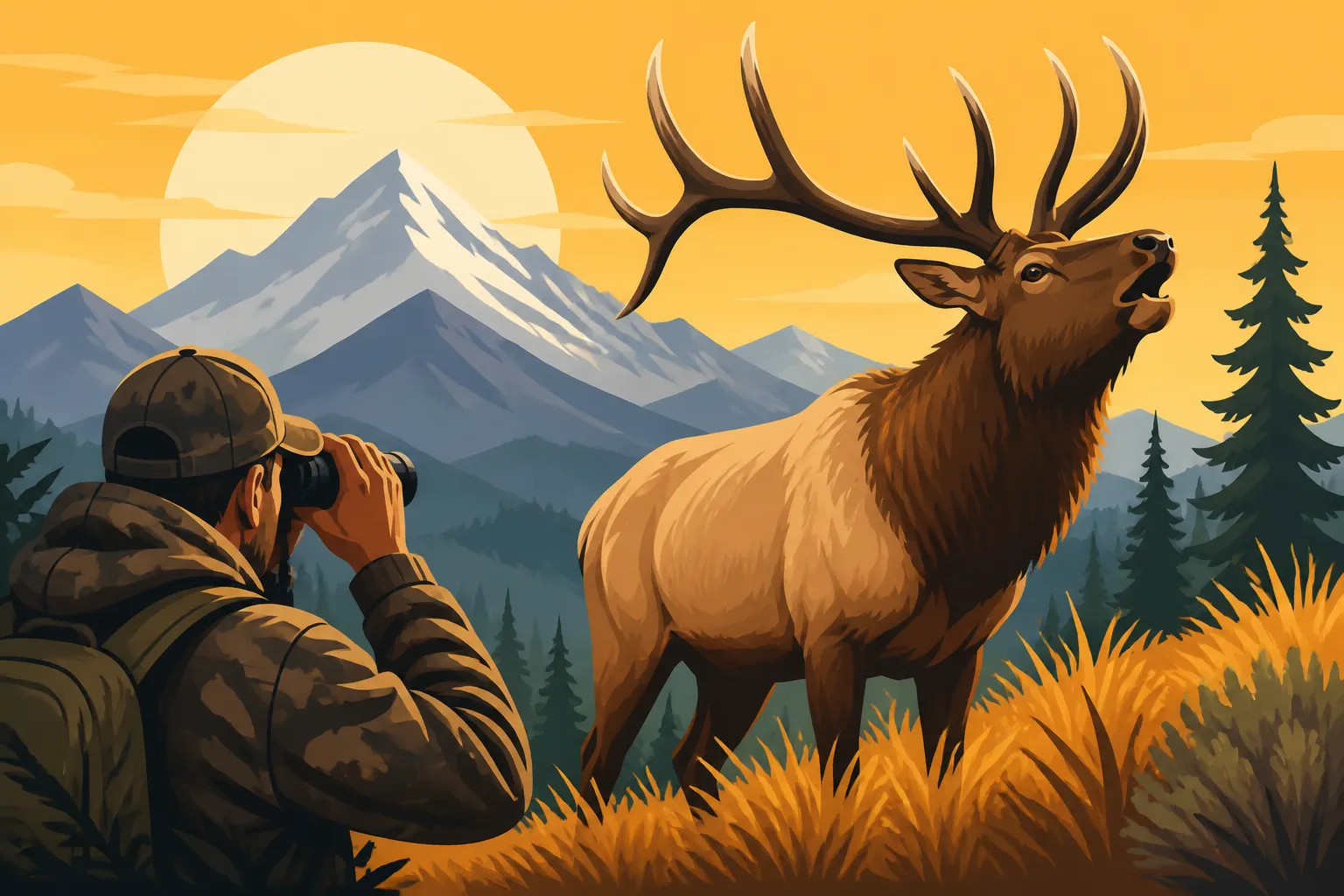
Ah, the elk rut. It's that magical time of year when the mountains of British Columbia come alive with bugles, a sound that gets every hunter's blood pumping. But let's be real, timing it perfectly can feel like trying to catch smoke, especially with our diverse landscapes and two distinct elk species. This guide is all about helping you nail down exactly when British Columbia's elk rut peaks, so you can be in the right place at the right time, whether you're chasing the majestic Roosevelt or the robust Rocky Mountain elk. We'll dive into the nuances of their breeding cycles, the factors that nudge them earlier or later, and how to use this knowledge to maximize your time in the field.
Understanding British Columbia's Elk: Species and Their Ruts
British Columbia is home to two impressive elk species: the Roosevelt elk, found primarily along the coast, and the Rocky Mountain elk, which inhabit the interior and eastern parts of the province. While both are undeniably elk, their habitat, behaviour, and even the precise timing of their rut can differ slightly, making it crucial to understand which one you're pursuing.
These magnificent animals are driven by a primal urge to breed, a cycle that culminates in the dramatic displays of the rut. Bulls, normally solitary or in small bachelor groups, become highly vocal and aggressive, challenging rivals for access to cows. This is the period when their characteristic bugles echo through the valleys, creating an unforgettable experience for anyone lucky enough to witness it. Understanding the general timelines for both species is your first step to planning a successful hunt.
The Roosevelt Elk Rut on the Coast
Roosevelt elk, often called "Coastal Elk," are primarily found along British Columbia's coast, including Vancouver Island and the mainland's Great Bear Rainforest. These are the largest subspecies of elk in North America, known for their immense body size, which is an adaptation to the lush, temperate rainforest environment they call home. The dense vegetation and often rugged terrain mean their rutting behaviour can sometimes be harder to observe than their Rocky Mountain cousins.
Typically, the rut for Roosevelt elk begins in late August, building in intensity through early to mid-September. The peak activity, with the most aggressive bugling, sparring, and herding of cows, usually occurs during the second and third weeks of September. As you move into late September and early October, the rut activity starts to taper off, with bulls becoming less vocal and cows beginning to spread out. Hunters often find that the dense timber of the coast makes close-quarters calling and still-hunting particularly effective during this period, especially when chasing a bugling Roosevelt elk on the coast.
The Rocky Mountain Elk Rut in the Interior
In contrast, the Rocky Mountain elk are found throughout the interior, particularly in the Kootenay region, but also spreading into areas like the Peace Country and the Okanagan. These elk are generally smaller in body size than the Roosevelt elk, but they can carry impressive antlers. Their habitat often features more open forests, grasslands, and extensive cutblocks, which can sometimes make locating and observing them a bit easier, though still a significant challenge.
The rut for Rocky Mountain elk generally follows a similar but sometimes slightly later timeline than the Roosevelt elk. You'll start to hear initial bugles in late August, but the real action usually kicks off in early September. The peak rut for Rocky Mountain elk typically hits from mid-September to the first week of October. This is when the most intense bugling, fighting, and herding behaviour is observed. After the first week of October, things gradually quiet down, and bulls, exhausted from weeks of exertion, will start to separate from the cows. If you're planning on hunting Rocky Mountain elk in British Columbia, keeping these peak weeks in mind is absolutely essential.
Pinpointing the Peak: General Timelines and Influencing Factors
Knowing the general window for the elk rut is one thing, but pinpointing the exact peak can feel like a moving target. It’s not a switch that flips on a specific calendar date; rather, it’s a dynamic process influenced by a mix of biological triggers and environmental cues. Understanding these factors can help you make more informed decisions about when to be in the woods, giving you a better chance at success.
Remember, even during the peak, elk activity isn't constant. There will be high-activity periods, often at dawn and dusk, interspersed with quieter times when elk are bedded down or feeding. Being patient and adapting your strategy to the animals' behaviour is key. Many hunters find that resources like GoHunt, with their detailed mapping and data analysis, can provide valuable insights into specific management units and historical animal behaviour, aiding in better planning.
The Pre-Rut Build-Up
The pre-rut is that exciting period just before the full-blown chaos of the peak rut erupts. It typically starts in late August for both species. During this time, bulls begin to feel the hormonal surge, leading them to shed their velvet and start rubbing their antlers on trees and bushes, a clear sign of their increasing aggression and readiness. They'll start to vocalize with soft, tentative bugles, often testing the waters and establishing their presence. Bachelor groups might start to break up, and bulls will begin to drift towards areas where cow herds are typically found.
Cows, on the other hand, are still mostly focused on feeding and tending to their calves. They haven't quite entered estrus yet, so while bulls are eager, the cows aren't receptive. This phase is characterized by increasing anticipation; you might hear sporadic bugles, see fresh rubs, and encounter bulls trying to establish dominance hierarchies. It's a great time for scouting and listening, trying to locate active bulls before the intense pressure of the peak rut sets in.
The Intensity of the Peak Rut
This is the golden window every elk hunter dreams about. For Roosevelt elk, it's generally the second and third weeks of September, and for Rocky Mountain elk, it's typically mid-September to the first week of October. During the peak rut, the woods are electric with activity. Bulls are constantly bugling, challenging one another, and relentlessly herding cows. Cows are entering estrus, making them receptive to breeding, which further fuels the bulls' frenzy. This is when you'll hear the most aggressive "chuckle" calls after a bugle, indicating a bull with his harem.
Physical confrontations, though not always full-blown fights, are common, as bulls jostle for dominance. The sheer volume of vocalizations makes it easier to locate elk, and calling strategies become incredibly effective. Bulls are less cautious, more focused on their reproductive urges, and more likely to respond aggressively to a challenging bugle or a seductive cow call. This is the prime time to be in the field if you're looking for a high-energy, responsive hunt.
The Waning Days of the Post-Rut
As the peak rut fades, usually by early October for Roosevelt elk and mid-October for Rocky Mountain elk, things begin to quiet down. Many cows have been bred, and the intense hormonal drive of the bulls starts to subside. You'll notice a significant decrease in bugling activity. Bulls are utterly exhausted, having spent weeks without much rest or feeding, and will start to seek out secluded areas to recover and replenish their energy.
Some younger, satellite bulls might still be looking for a late-estrous cow, so you might hear occasional, weaker bugles. However, the dominant herd bulls are largely done. This phase can still offer hunting opportunities, especially if you focus on locating these worn-out bulls in their post-rut recovery areas. They'll be feeding heavily, trying to put weight back on before winter. Hunting during this time often requires more glassing and stealth, as the vocal cues are much less frequent.
Environmental Variables at Play
While the biological clock provides a general framework, Mother Nature often throws a wrench in the works. Several environmental factors can subtly shift the peak of the rut, sometimes by a few days, which can make all the difference for a hunter.
- Weather: A sudden cold snap or early snowfall can sometimes kick-start rut activity, pushing bulls into higher gear. Conversely, unseasonably warm weather might delay the peak or make elk less active during the day, pushing their rutting activities more into the cooler hours of the night. Hunting British Columbia's alpine in early September can sometimes mean encountering these early cold fronts. Heavy rain can also suppress vocalizations, making it harder to hear and locate elk, particularly when hunting in British Columbia's coastal rain.
- Moon Phases: This is a perennial debate among hunters. Some swear by the "dark of the moon" for peak activity, believing elk are more active and vocal when there's less moonlight. Others find little correlation. While not a definitive factor, it's worth noting if you're planning specific dates.
- Hunting Pressure: In areas with high hunting pressure, elk might become more nocturnal or move into thicker cover earlier in the season, even during the peak rut. This can make them harder to find and call, even if the biological rut is in full swing. Being aware of areas that might have more hunters can help you plan your approach.
- Overall Herd Health: A healthy, robust elk population with a good bull-to-cow ratio often exhibits a more pronounced and intense rut. Conversely, stressed herds, perhaps due to drought or harsh winters, might have a less vigorous rut. What drought does to British Columbia game, for example, can impact herd health.
Here's a quick overview of the typical rut timing:
| Species | Pre-Rut (Initial Bugles, Velvet Shed) | Peak Rut (Intense Bugling, Herding) | Post-Rut (Waning Activity, Recovery) | Primary Region |
|---|---|---|---|---|
| Roosevelt Elk | Late August | Mid-September to Late September | Early October | Coastal BC, Vancouver Island |
| Rocky Mountain Elk | Late August / Early September | Mid-September to Early October | Mid-October | Interior BC, Kootenays, Peace River |
Hunting Strategies During the Rut in British Columbia
Successfully hunting elk during the rut requires more than just knowing when it peaks; it demands a strategic approach tailored to the unique behaviours of this time. Whether you're a seasoned caller or new to elk hunting, adapting your tactics to the specific phase of the rut and the local conditions is paramount. Remember that these animals are incredibly intelligent, and their instincts during the rut can make them both vulnerable and highly challenging.
Being prepared for the unexpected is key. British Columbia's terrain can be unforgiving, and the weather can change rapidly. Always have your emergency planning in British Columbia's backcountry in mind, and consider satellite communication on a remote hunt, especially if you're venturing deep into the mountains where cell service is non-existent.
Effective Calling Through the Rut Phases
Calling is perhaps the most iconic and exciting aspect of rut hunting.
- Pre-Rut: During the pre-rut, soft cow calls and subtle locator bugles are generally more effective. Bulls aren't in full fighting mode yet, so an aggressive challenge might spook them. Instead, try to sound like a lonesome cow or a non-threatening bull. You're trying to gauge their interest and locate them without being too pushy.
- Peak Rut: This is when you can be more aggressive. A loud, challenging bugle can often bring a herd bull storming in, ready to defend his cows. Combining bugles with excited cow calls and even raking a tree to simulate a bull thrashing his antlers can be incredibly effective. Pay attention to the intensity of the bull's bugle; a deep, throaty chuckle after a bugle usually means he's serious and likely has cows. Learning to identify these nuances in elk vocalizations is crucial. If you're going after Roosevelt elk, learning to adapt your calls for the dense coastal rainforest, as covered in topics like Bugling Roosevelt Elk on the Coast, is a skill worth developing.
- Post-Rut: As the rut winds down, aggressive calling becomes less effective. Bulls are tired and wary. Switch back to softer cow calls, trying to mimic a late-estrous cow. Sometimes a soft chuckle or grunt can pique the interest of a lone, lingering bull, but generally, expect less responsive animals.
Always remember wind direction! Elk have an incredible sense of smell, and a single whiff of human scent will send them packing, regardless of how perfectly you've timed your call.
Scouting and Locating Elk During Peak Activity
Even with the increased vocalizations, finding elk during the rut in British Columbia still demands smart scouting and observation. During the peak rut, elk tend to congregate in traditional breeding grounds. These often include areas with a good mix of feed, water, and cover – think subalpine basins, open timber edges near meadows, or river bottoms.
Look for fresh sign: wallows where bulls have rolled, fresh rubs on small trees, and abundant tracks and droppings. During the peak, these signs will be everywhere. Listening is, of course, critical. Get to a high vantage point before dawn and listen for the first bugles. Often, the most dominant bulls will be the most vocal. Once you pinpoint an area with active bugling, plan your approach carefully, always keeping the wind in your favour.
Using digital mapping tools like GoHunt can be invaluable for pinpointing potential elk hotspots. You can use their satellite imagery to identify likely bedding areas, feeding grounds, and travel corridors. This can significantly cut down on blind wandering and help you focus your efforts where elk are most likely to be. Prior to your hunt, dedicate time to scouting a British Columbia management unit, both online and on the ground if possible, to get a sense of the terrain and where the elk might be holding.
Utilizing Resources for Rut Prediction and Planning
Beyond understanding the general patterns and environmental factors, there are some great resources available to help you fine-tune your rut predictions.
- Local Knowledge: Talk to local hunters, wildlife biologists, or even folks who live in the area. They often have invaluable insights into historical rut timing and recent elk activity. Local hunting forums or social media groups can also provide real-time updates on activity.
- Online Resources and Apps: Beyond GoHunt's detailed maps and data layers, many weather apps and moon phase calendars can help you track potential influencing factors. Some even offer predictive models for animal activity, though these should always be taken with a grain of salt and combined with your own observations. For example, knowing what British Columbia elk eat through winter can inform where they might be feeding in early fall before the deep snows arrive, which in turn can influence where rutting activity occurs.
- Regulation Synopses: Always, always check the current British Columbia Big Game Season Dates. The season dates are set years in advance, and while they generally align with parts of the rut, they won't always perfectly coincide with the absolute peak. Knowing the specific season dates for your chosen management unit and species (Roosevelt or Rocky Mountain elk) is non-negotiable. Be aware of British Columbia's Limited Entry Hunting Draws, as many of the prime elk hunting opportunities, especially for big bulls, are managed through this system, meaning you might need a special authorization to hunt during the rut.
By combining foundational knowledge, careful observation, and modern resources, you can significantly increase your chances of being in the right place at the right time when British Columbia's elk rut peaks. Good luck out there!
Disclaimer
This article is for general informational purposes only and does not constitute professional advice. Laws, prices and regulations vary by location and change over time. Consult a qualified professional for guidance on your specific situation.