Hunting Stone’s Sheep in Northern British Columbia
Hunting Stone's Sheep in Northern British Columbia is a dream for many, but the sheer remoteness, challenging terrain, and the incredibly difficult odds of drawing a tag can make it feel like an impossible quest. This guide is here to demystify the process, offering a realistic look at what it takes to pursue these magnificent animals in one of the wildest corners of North America, from understanding their habitat to planning your expedition and executing a successful hunt.
Understanding Stone's Sheep and Their Northern BC Habitat
Chasing Stone's Sheep means immersing yourself in some of British Columbia's most rugged and breathtaking landscapes. These hunts are as much about the journey and the experience of true wilderness as they are about the animal itself. Before you even think about packing a bag, it’s crucial to understand the sheep you’re pursuing and the formidable environment they call home.
The Elusive Stone's Sheep: Biology and Behavior
Stone's Sheep (Ovis dalli stonei) are a distinct subspecies of thinhorn sheep, renowned for their dark, slate-grey to black bodies contrasted with white patches on their rump, belly, and inside of their legs. Unlike their pure white Dall's sheep cousins, Stone's sheep present a striking appearance that blends remarkably well with the shadowed cliffs and scree slopes of their high-altitude domain. Rams possess magnificent, curling horns that can grow into impressive full-curl trophies, a testament to years of survival in a harsh environment. They are typically smaller than Bighorn sheep, but their agility and ability to navigate extreme vertical terrain are unparalleled.
Their behavior is intrinsically linked to survival in a world of predators and sparse resources. Stone's sheep are primarily grazers and browsers, moving between alpine meadows and lower subalpine areas to feed on grasses, sedges, and forbs. They are incredibly wary animals, with exceptional eyesight, making them notoriously difficult to approach. During the summer and early fall, rams often separate from ewe-lamb bands, forming bachelor groups that move higher into the most inaccessible peaks. Understanding their seasonal movements and preferred escape routes is paramount to any successful hunt. For example, they'll often bed in areas offering thermal advantage or security from predators, using cliffs and broken terrain to their advantage.
Prime Stone's Sheep Terrain in Northern British Columbia
Northern British Columbia holds some of the last truly wild Stone's Sheep populations, largely due to the sheer vastness and inaccessibility of their habitat. The primary range for these sheep stretches across the northern Interior and mountainous regions, with notable populations found in the Cassiar Mountains, the Spatsizi Plateau Wilderness Park, and the areas surrounding the Tuchodi Lakes. These aren't your easily accessible foothills; we're talking about jagged peaks, sprawling alpine basins, deep valleys, and endless expanses of tundra and rock.
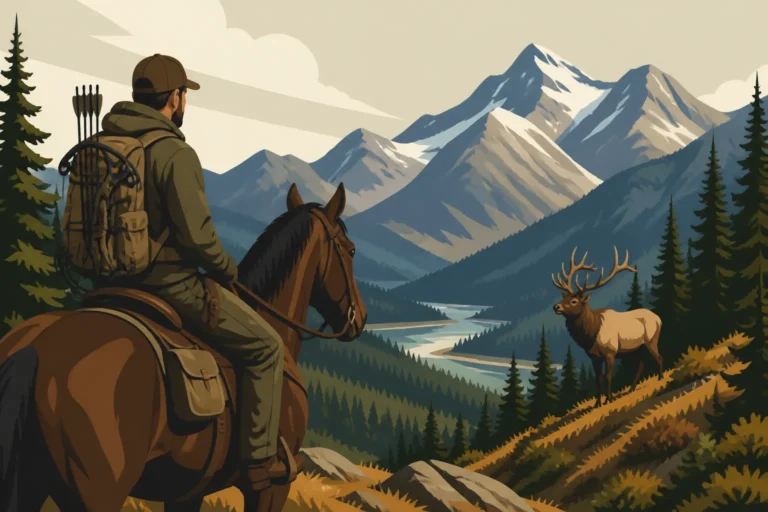
This terrain is characterized by its high elevation, ranging from subalpine forests to barren alpine tundra above the tree line, often exceeding 6,000 to 8,000 feet. The weather is unpredictable and can change dramatically within hours, swinging from warm sunshine to freezing rain or heavy snow, even in August or September. Access to these prime areas is generally extremely difficult, often requiring bush planes, helicopters, or extensive horseback journeys. There are very few roads that penetrate deep into true sheep country, meaning you're looking at significant logistical challenges and considerable financial investment, whether you're going guided or on a rare self-supported expedition. Understanding where British Columbia's Wild Sheep and Where They Live is the first step in pinpointing potential areas.
Planning Your Northern BC Stone's Sheep Hunt
A Stone's Sheep hunt is not something you decide to do on a whim. It demands meticulous planning, from navigating the complex licensing system to assembling the right gear and ensuring you're physically capable of the challenge. This is where most aspiring sheep hunters spend years, if not decades, preparing.
Licenses, Tags, and the LEH System
Before you can even dream of spotting a ram, you need to navigate British Columbia's intricate hunting regulations. For a resident hunter, you'll need a valid British Columbia hunting licence and then the specific Stone's Sheep species tag. However, the vast majority of Stone's Sheep hunting opportunities for residents fall under the Limited Entry Hunting (LEH) system. This means you'll be applying for a specific draw, often with odds that are incredibly low, sometimes less than one percent, depending on the management unit and the type of permit.
Non-residents face an even stricter set of rules. As a non-resident of British Columbia, you are legally required to hunt with a licensed British Columbia guide outfitter, or under a Permit to Accompany a resident hunter. This dramatically increases the cost and complexity of the hunt. Non-residents cannot apply for LEH draws themselves; their guide outfitter secures the necessary allocations. It's critical to understand the nuances of British Columbia's Limited Entry Hunting Draws, as well as British Columbia Hunting Licences and Fees, well in advance. Application deadlines for the LEH system are typically in May, with results released in June, so planning needs to start almost a year in advance for residents. For non-residents, booking a British Columbia Sheep Hunt with a reputable outfitter often requires booking years, sometimes even a decade, in advance.
Essential Gear for a Remote Mountain Hunt
The gear you bring on a Stone's Sheep hunt is not just about comfort; it's about survival and success. Lightweight, durable, and high-performance equipment is non-negotiable. Optics are your most critical tool for finding sheep in vast landscapes. A high-quality spotting scope (e.g., 20-60x or 25-75x) with a sturdy tripod, coupled with powerful binoculars (10×42 or 15×56), will be invaluable. Brands like Swarovski, Zeiss, and Kowa are popular among sheep hunters for a reason – their clarity and light gathering capabilities are unmatched.
Your clothing system needs to be versatile for rapidly changing weather, utilizing a layering approach with merino wool or synthetic base layers, insulating mid-layers, and a bomb-proof rain shell. Expect to encounter everything from sun to sleet in a single day. Sturdy, broken-in mountain boots with excellent ankle support are paramount for traversing rocky, uneven terrain, as are gaiters to keep scree and snow out. Navigation tools like a reliable GPS unit (Garmin inReach or similar satellite messenger for communication), maps, and a compass are essential, especially when off-trail in remote areas. Consider utilizing digital mapping tools like GoHunt, which can help you research specific areas, analyze terrain, and even look at past draw statistics for certain zones, even if you’re booking a guided trip. Finally, your rifle should be accurate and capable of ethical shots at longer distances, paired with lightweight, reliable ammunition. For those undertaking a Backpacking Into British Columbia Sheep Country, every ounce counts, so meticulous gear selection is crucial.
| Gear Category | Essential Items | Key Considerations |
|---|---|---|
| Optics | Binoculars (10x-15x), Spotting Scope (20-60x), Tripod | Lightweight, durable, high-quality glass for clarity |
| Clothing | Layering system (base, mid, outer), Rain Gear, Gaiters | Merino wool/synthetics, waterproof/breathable, quiet |
| Footwear | Sturdy Mountain Boots, Camp Shoes, Extra Socks | Broken-in, good ankle support, waterproof |
| Shelter & Sleep | Lightweight Tent, Sleeping Bag (down to -10C), Pad | Compact, four-season capable, good warmth-to-weight ratio |
| Navigation | GPS device, Satellite Messenger, Maps, Compass | Redundancy, reliable communication, offline capabilities |
| Firearms & Ammo | Rifle (.270, .30-06, 7mm Mag), Ammunition, Cleaning Kit | Accurate, reliable, suitable for mountain game |
| Food & Water | High-calorie dehydrated meals, Water Filter/Purifier | Lightweight, easy to prepare, adequate supplies |
| Safety & First Aid | First Aid Kit, Bear Spray, Signalling Mirror, Knife | Comprehensive, accessible, knowledge of use |
| Backpack | Internal Frame Pack (60-80L), Day Pack | Comfortable, capable of packing heavy loads, durable |
Strategies for a Successful Stone's Sheep Hunt
Actually being in sheep country is only half the battle. Finding and successfully harvesting a Stone's Sheep requires incredible patience, physical endurance, and a deep understanding of mountain hunting tactics.
Scouting and Approaching Sheep Country
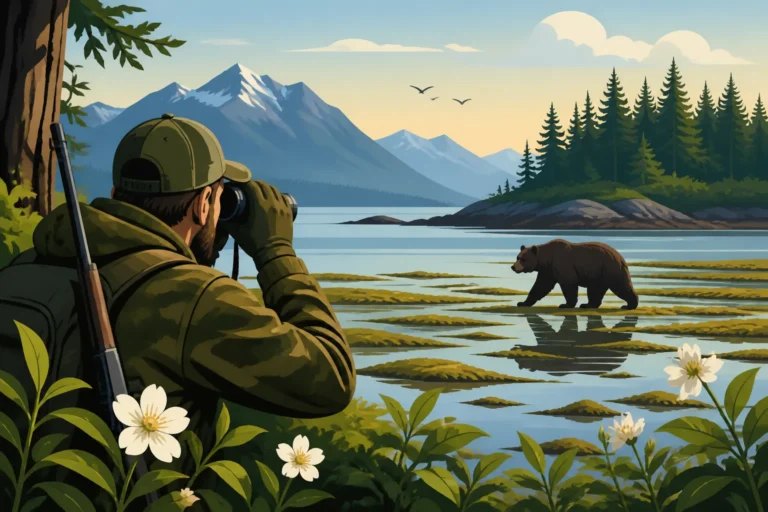
Successful sheep hunting starts long before you set foot on the mountain. Pre-season scouting involves poring over maps, satellite imagery, and topographic data to identify potential sheep habitat, escape routes, bedding areas, and access points. Tools like Google Earth, Gaia GPS, and GoHunt's map layers can be invaluable for identifying key features such as south-facing slopes (where snow melts faster, providing early forage), broken cliffs for security, and accessible ridgelines for travel. Once in the field, the mantra is "hunt with your optics." Finding a good vantage point – often a high ridge or peak that allows you to Glassing an Alpine Basin for Rams – is crucial. From here, you'll systematically grid the landscape, looking for any sign of sheep. This is not a fast-paced hunt; you'll spend hours, sometimes days, glassing before you even spot an animal.
Approaching sheep country requires stealth and careful planning. Sheep have exceptional eyesight, so using terrain and vegetation to break up your silhouette is essential. Always move slowly and deliberately, taking frequent breaks to glass ahead and ensure you haven't spooked any unseen animals. The wind is another critical factor; always try to keep it in your favour, as sheep have a keen sense of smell. Getting into position often means traversing incredibly steep and physically demanding terrain, often at first light when sheep are most active, or last light when they move to bed.
The Stalk: Closing the Distance and Shot Placement
Once you've spotted a ram you want to pursue, the real chess match begins. The stalk on a Stone's Sheep can be one of the most challenging in North American hunting. It involves meticulously planning your route to use every fold in the terrain, every rock, and every patch of scrub to remain out of sight. Wind direction is paramount; a sudden shift can blow your cover. You might spend hours, or even an entire day, slowly working your way into shooting range, only to have the sheep move, forcing you to adjust or even abandon the stalk. Often, the final approach will be on your hands and knees or belly-crawling across exposed ground.
When you finally get within range, often 200-400 yards, patience is key. Wait for the sheep to present a clear, ethical shot. Mountain hunting often involves shooting uphill or downhill, which can affect your bullet's trajectory, so knowing your ballistics is critical. Practice shooting from various positions – prone, kneeling, off your pack – as a bench rest might not be an option. Aim for the vitals (heart/lungs), recognizing that a follow-up shot might be difficult or impossible in steep terrain. Understanding how to execute a clean shot under pressure, and where to place it, is the culmination of all your preparation. For more specific guidance, see "Judging a Full-Curl Ram in the Field" to ensure you're targeting a legal animal.
Packing Out and Meat Care in the Backcountry
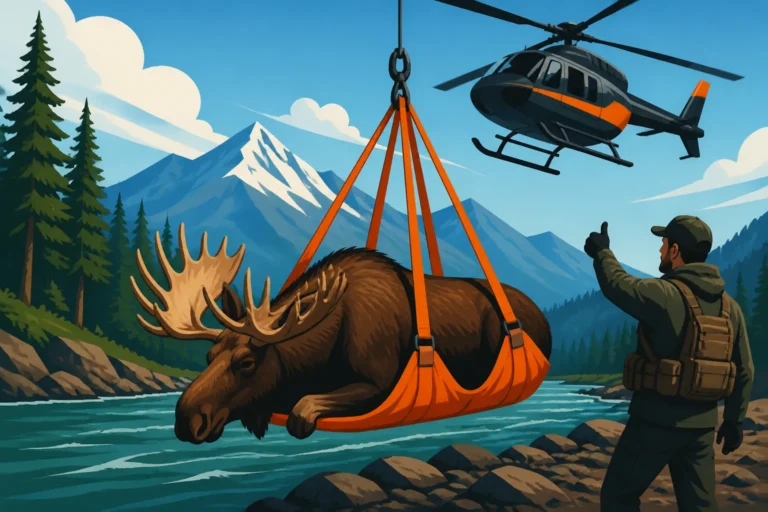
Successfully harvesting a Stone's Sheep is an incredible achievement, but the work is far from over. The real challenge for many hunters begins after the shot: getting the animal off the mountain. Stone's Sheep often expire in extremely remote and rugged locations, making the pack out a truly monumental task. You'll need to field dress and quarter the animal quickly, especially in warmer conditions, to begin the cooling process and reduce the weight. Be prepared to bone out the meat if necessary to lighten the load even further.
The terrain will dictate the difficulty. Expect to navigate steep scree slopes, boulder fields, and possibly even glaciers or snowfields. A sturdy internal frame pack, capable of comfortably carrying heavy, awkward loads, is absolutely essential. Many hunters will make multiple trips, packing out meat and hide in stages. If you’re utilizing a guided service, especially one that incorporates Horseback Access to British Columbia's Alpine or even fly-in camps, the logistics might be less strenuous for the hunter, but it's still a physically demanding process. Proper meat care in the backcountry, especially for a large animal in variable temperatures, is vital to preserve your harvest. This is where all your physical training and preparation for "Packing Out of British Columbia's Steep Country" will be tested to its limits.
What to Expect and Common Challenges
Hunting Stone's Sheep in Northern BC is not for the faint of heart. It's a journey into true wilderness that will test your limits mentally and physically, often throwing unexpected challenges your way.
Weather, Terrain, and Physical Demands
The weather in Northern British Columbia's mountains is notoriously unpredictable. A sunny, mild morning can quickly turn into a howling blizzard or a cold, driving rain by afternoon, even in the late summer or early fall. Hunters must be prepared for all four seasons in a single day, carrying appropriate gear for extreme cold, wind, and wet conditions. Hypothermia is a genuine risk if you're not adequately prepared. Navigating the terrain itself is a constant battle. You'll encounter steep, unstable scree slopes, treacherous boulder fields, dense subalpine scrub, and potentially dangerous creek crossings. Every step is deliberate, and falling can have serious consequences.
The physical demands of a Stone's Sheep hunt are immense. You'll be covering vast distances on foot, often at high altitudes, carrying heavy packs up and down steep inclines. This isn't a hunt where you can rely on a road system. It requires peak physical conditioning, including excellent cardiovascular fitness, strong legs, and a resilient mindset. Many outfitters recommend a year-long physical training regimen just to prepare for the rigors of a sheep hunt. This is truly where the mental game becomes as important as the physical.
Remote Access and Logistical Hurdles
One of the biggest hurdles to hunting Stone's Sheep is simply getting there. Many prime areas are so remote they are only accessible by bush plane or helicopter, flying you into a British Columbia backcountry airstrip or lake. This adds significant cost and complexity to the hunt, as weather can ground flights for days, causing delays at both the start and end of your trip. Other areas might be reached after days of travel via ATV or by utilizing horses for a true Horseback Hunting British Columbia's Backcountry experience. Remember, non-residents must hunt with a licensed British Columbia guide outfitter, which means your logistics will be handled by them, but you still need to be aware of the process.
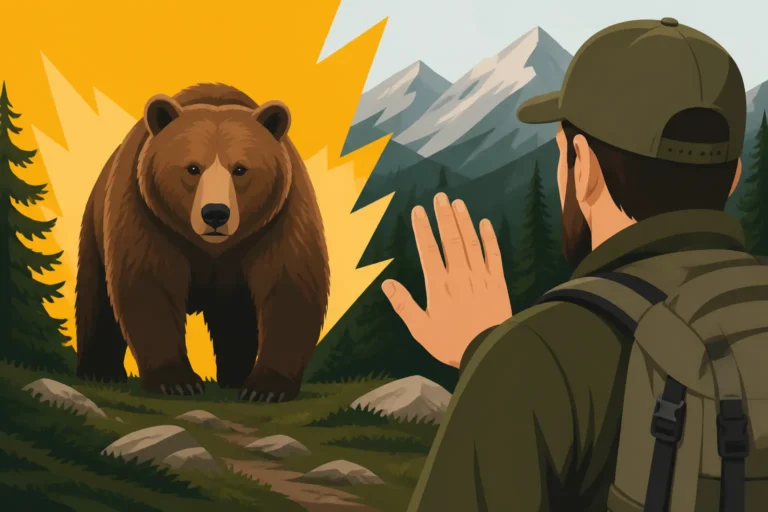
Even with an outfitter, you'll be dealing with wilderness logistics. There's no cell service in most sheep country, making satellite communication devices like Garmin inReach or Iridium satellite phones essential for safety and emergency communication. Grizzly bears are present in Northern BC, requiring constant vigilance and proper bear safety protocols, including carrying bear spray and knowing how to use it. Setting a Spike Camp Above Timberline means you're entirely self-sufficient in a remote and potentially dangerous environment. Understanding Emergency Planning in British Columbia's Backcountry is not just good practice, it's a necessity for any hunt in this wild region. These logistical challenges, combined with the low draw odds for residents and the high cost for non-residents, contribute to the legendary status of Stone's Sheep hunting.
Disclaimer
The information provided in this guide is for general informational purposes only and does not constitute legal advice. Hunting regulations, fees, and requirements in British Columbia are subject to change. It is the responsibility of every hunter to consult the most current British Columbia Hunting Regulations Synopsis and obtain all necessary licenses and tags before undertaking any hunting activity. Always prioritize safety, ethical hunting practices, and respect for wildlife and the environment.