The Kermode Bear and Why It Is Protected
You're out there, deep in the British Columbia wilderness, maybe Hunting a Coastal Inlet From a Boat or still-hunting through some old growth, and you suddenly catch a glimpse of white through the emerald canopy. Your heart races. Is it an albino? A polar bear far from home? The truth is, you might have just encountered one of BC's most unique and revered creatures: the Kermode bear, affectionately known as the Spirit Bear. This guide isn't about hunting them, because you can't, but rather understanding these incredible animals, why they're so special, and the protections that keep them safe in their coastal rainforest home.
Unpacking the Mystery of the Spirit Bear
For many, the idea of a white bear in a temperate rainforest seems almost mythical. Yet, in a very specific corner of our province, these ethereal creatures roam. They're not figments of legend, but very real, very unique members of British Columbia's diverse wildlife. Understanding what sets them apart is the first step in appreciating their significance.
What Exactly is a Kermode Bear?
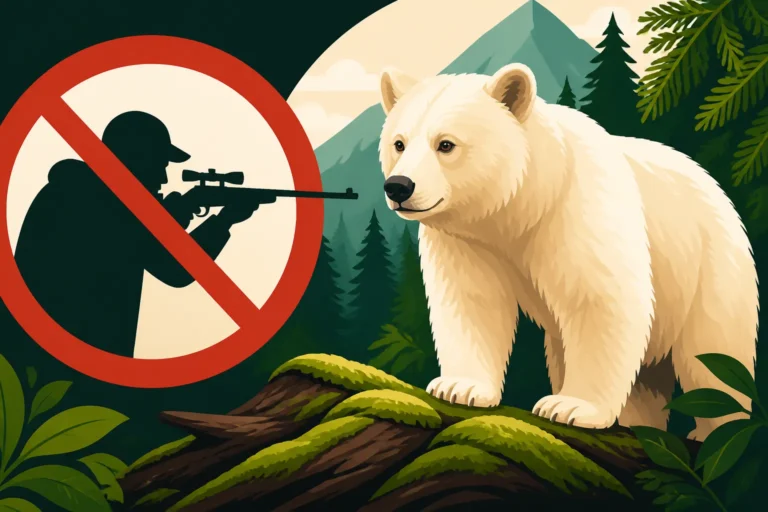
Let's clear up some common misconceptions right off the bat. A Kermode bear, despite its pale coat, is not an albino. It’s also definitely not a polar bear, no matter how much the stunning white fur might suggest otherwise. What we're talking about here is a rare subspecies of the American black bear, Ursus americanus kermodei, distinguished by a recessive genetic trait that results in a white or cream-coloured coat. Think of it like a blonde-haired child born to two brown-haired parents – it’s a genetic lottery, not a different species.
This unique genetic marker means that both parents must carry the recessive gene for a cub to be born with the white fur, even if the parents themselves are black. It’s a fascinating biological quirk, one that has captivated scientists and nature enthusiasts for generations. While Colour Phases in British Columbia Black Bears can vary widely, from jet black to cinnamon brown, the Kermode stands out as a stark, beautiful contrast to its darker relatives. The scientific community continues to study these bears, delving into the intricacies of their genetics and population dynamics to ensure their long-term survival.
Where Do These Ghostly Bears Call Home?
The Kermode bear's habitat is as unique as the bear itself. These bears are found almost exclusively in a specific region of British Columbia's central and north coast, particularly within the ancient, sprawling expanse known as the Great Bear Rainforest. This isn't just any forest; it's one of the largest intact temperate rainforests on Earth, a mosaic of towering old-growth cedars, Sitka spruce, and hemlocks, crisscrossed by countless salmon-rich rivers and estuaries.
The isolation and unique ecological conditions of this coastal zone have likely played a significant role in the persistence of the recessive gene responsible for their white fur. Over millennia, distinct populations in this region have maintained this trait, making it a true natural wonder. When you're Hunting in British Columbia's Coastal Rain, you quickly realize just how vast and untamed this environment is, providing the perfect sanctuary for these elusive animals. The sheer scale of their territory underscores the importance of large-scale conservation efforts to protect both the bears and the critical ecosystem they depend on.
The Cultural and Ecological Significance
Beyond their striking appearance, Kermode bears hold a profound place in both the cultural heritage of British Columbia's Indigenous peoples and the intricate web of the rainforest ecosystem. Their presence speaks to ancient wisdom and critical ecological balance.
More Than Just a Rare Sight: Indigenous Perspectives
For the Gitga'at, Kitasoo/Xai'xais, and other First Nations peoples whose ancestral territories lie within the Great Bear Rainforest, the Kermode bear is far more than a biological curiosity. They are known as "Moksgm'ol" – the Spirit Bear – and are revered as sacred beings, holding deep spiritual significance. Legends tell of the Raven, who made one in ten black bears white as a reminder of the last Ice Age, an everlasting symbol of peace and harmony.
This spiritual connection has instilled a powerful sense of stewardship, driving local communities to protect these bears and their habitat for generations. The cultural narratives surrounding the Spirit Bear emphasize respect, balance, and the interconnectedness of all living things. These traditional values are now at the forefront of modern conservation efforts, demonstrating how Indigenous knowledge and practices are vital in protecting vulnerable species and their environments. Supporting these local initiatives is a powerful way for anyone to contribute to the Spirit Bear's future.
A Keystone of the Rainforest Ecosystem
The Kermode bear, like its black bear relatives, plays a crucial role as a keystone species within the Great Bear Rainforest. What does that mean? It means their presence and actions have a disproportionately large impact on the health and structure of the entire ecosystem. One of their most vital contributions revolves around the annual salmon runs. When British Columbia bears leave their dens in spring, many head straight for the salmon-rich rivers. As they feast on the abundant fish, they drag carcasses into the forest, dispersing vital marine nutrients far inland. This nutrient transfer fertilizes the ancient trees, fostering a rich undergrowth that supports countless other species.
Without bears, the forest's ability to recycle these precious marine nutrients would be severely hampered, affecting everything from insects to the towering cedars themselves. They're also important seed dispersers, helping to propagate various berry bushes and other plants that form the foundation of the forest's food web. Understanding What Bears Eat on a Coastal Estuary or how they interact with their environment really highlights their essential role in keeping this incredible ecosystem thriving.
Why British Columbia Protects the Kermode Bear
Given their rarity and profound significance, it's perhaps not surprising that Kermode bears enjoy a special protected status in British Columbia. This isn't just about preserving a beautiful animal; it's about safeguarding a unique genetic lineage and respecting the cultural values it embodies.
Legal Frameworks and Conservation Designations
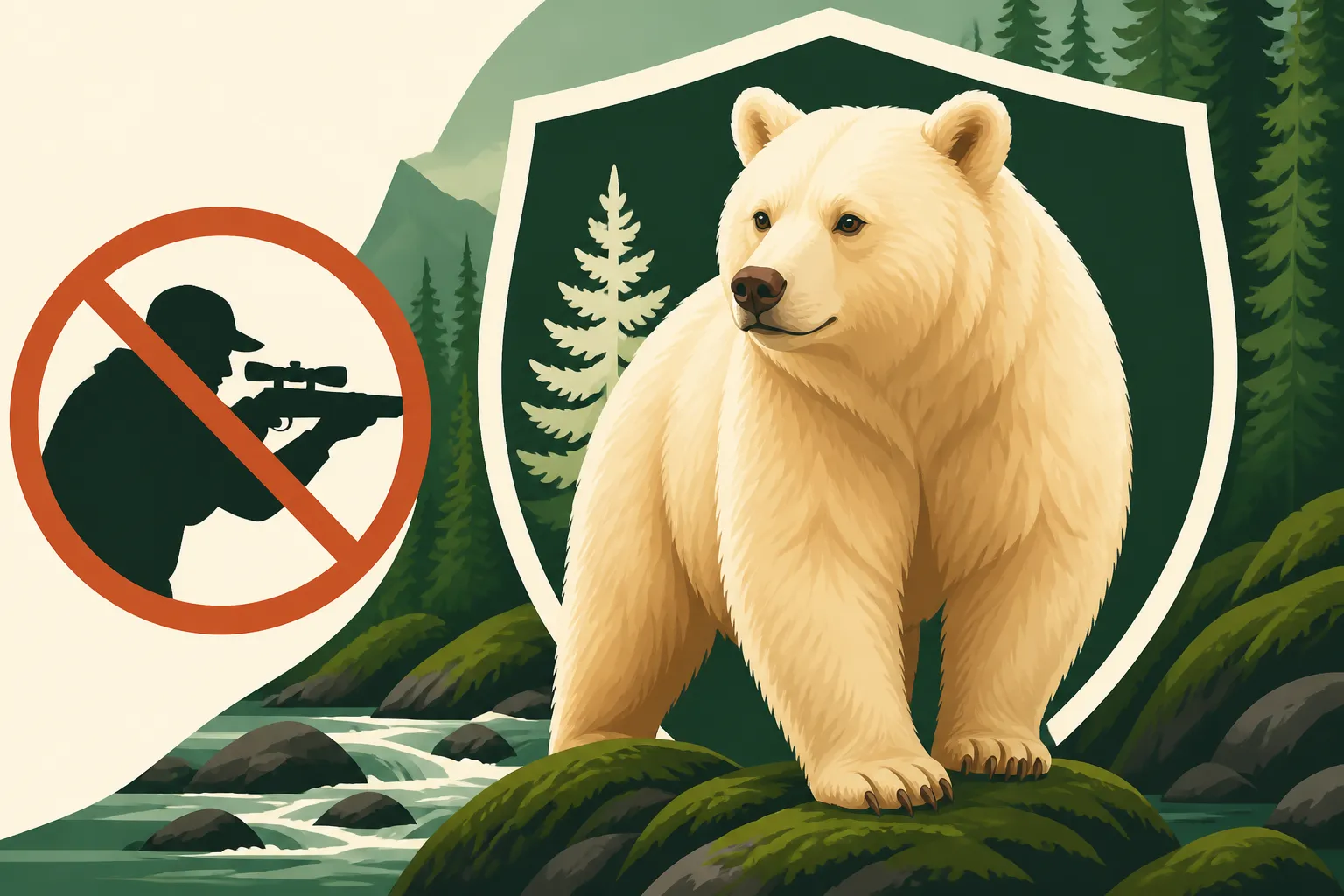
Unlike the general black bear population across the province, the Kermode bear is legally protected from hunting. This means that within their designated range, particularly in the core areas of the Great Bear Rainforest, targeting or harvesting a white-phased black bear is strictly prohibited. These protections are enshrined in provincial wildlife regulations, making it clear that these bears are off-limits to hunters. While British Columbia black bear season dates and British Columbia Bear Bag Limits apply to black bears in general, they do not extend to the Spirit Bear.
This protective status is a testament to significant lobbying efforts by Indigenous communities, environmental groups, and concerned citizens who recognized the intrinsic value and vulnerability of these unique animals. Specific conservation areas and wildlife management zones have been established to further bolster these protections, ensuring that the Kermode bears have secure habitats where they can thrive undisturbed. Hunters must be acutely aware of these distinctions, and exercise extreme caution and good judgment when hunting in areas where Kermodes may also be present.
The Role of Ecotourism and Scientific Research
The Spirit Bear's unique allure has also fostered a thriving ecotourism industry in the Great Bear Rainforest. People travel from all over the world, often on specialized wildlife viewing tours, hoping to catch a glimpse of these ghostly giants. This industry provides significant economic benefits to local communities, offering a powerful incentive for continued conservation efforts. It demonstrates that the bears are worth far more alive than otherwise.
Alongside tourism, intensive scientific research plays a critical role. Researchers, often supported by organizations like the Spirit Bear Research Foundation or the Pacific Wild Alliance, monitor Kermode populations, study their genetics, track their movements, and assess the health of their habitat. This ongoing work helps inform conservation strategies, identify threats, and ensure that management decisions are based on the best available science. For serious backcountry enthusiasts, resources like GoHunt can be invaluable for understanding regional wildlife distribution and conservation efforts, even for species that aren't huntable. This blend of scientific inquiry and economic motivation creates a robust framework for their protection.
Understanding the Conservation Challenges
Despite their protected status and the dedicated efforts of many, Kermode bears and their habitat face a variety of ongoing threats. Conservation is rarely a simple task, and these unique bears are no exception, grappling with challenges that require constant vigilance and proactive solutions.
Habitat Loss and Human Encroachment
The biggest threat to Kermode bears, like so many other wildlife species, is habitat loss and degradation. While large tracts of the Great Bear Rainforest are protected, logging, mining, and other industrial developments can still impact crucial areas. Roads built for resource extraction, for instance, can fragment habitats, increase human access, and disturb sensitive wildlife corridors.
Climate change also looms large. Altered weather patterns can affect salmon runs, a critical food source for all bears in the region, including Kermodes. Changes in precipitation and temperature can also shift vegetation zones, impacting the availability of berries and other forage. These cumulative pressures make the Kermode bear’s existence precarious, emphasizing the need for comprehensive land-use planning that prioritizes ecological integrity. If you're passionate about preserving BC's wild spaces for future generations of hunters and wildlife enthusiasts, staying informed about these issues is key.
The Threat of Hybridization and Misidentification
Another nuanced challenge for the Kermode bear population is the potential for hybridization and, consequently, genetic dilution. Since Kermodes are a colour phase of the black bear, they can and do interbreed with black-phased black bears. While this is natural, a significant increase in the black bear population relative to the white-phased individuals in certain areas could potentially dilute the recessive gene over many generations, making the white coat even rarer.
Additionally, misidentification, while less of a direct threat under strict protection, is always a concern. While hunters are absolutely prohibited from harvesting a white-phased bear, proper identification is paramount for anyone venturing into Kermode territory. Understanding What a Coastal Black Bear Weighs and how to judge body characteristics is generally useful for hunters, but in the Spirit Bear's range, precise colour identification is critical to avoid any potential breaches of their protected status. Educating both residents and visitors about these unique bears and their distinct characteristics is an ongoing effort.
How Hunters and Outdoor Enthusiasts Can Help
Even though Kermode bears are not a huntable species, those of us who spend time in British Columbia's wild places, whether hunting Mule Deer Hunting in British Columbia in the Interior or hiking coastal trails, have a vital role to play in their conservation. Our presence in the backcountry means we have a responsibility to be informed, respectful, and proactive stewards of the land and its wildlife.
Responsible Practices in the Backcountry
When you're out in the Great Bear Rainforest, or any area where black bears are common, practicing responsible backcountry etiquette becomes even more important. This means strict adherence to "leave no trace" principles, proper food storage to avoid habituating bears, and generally minimizing your impact on their habitat. If you're fortunate enough to encounter any bear, especially a Kermode, observe from a respectful distance. Never approach, feed, or harass wildlife.
For hunters, specifically, it means being absolutely certain of your target. Before you pull the trigger on any black bear in a region known for Kermodes, take that extra moment to verify its colouration. Even a fleeting glimpse can be enough to make a mistake, and the consequences for a Spirit Bear could be devastating. Familiarize yourself with bear safety, including Bear Safety While Hunting in British Columbia, and carry bear spray. Knowing what to do if you encounter a bear unexpectedly is crucial for both your safety and the bear's.
Supporting Conservation Initiatives
There are many ways to support the ongoing conservation of Kermode bears and their precious rainforest home. You can consider donating to organizations that are actively working on the ground in the Great Bear Rainforest, such as the Raincoast Conservation Foundation or the Spirit Bear Research Foundation. These groups conduct scientific research, advocate for stronger protections, and work with local Indigenous communities to implement conservation strategies.
Another way is simply by spreading awareness. Educate your friends, family, and fellow outdoor enthusiasts about the Kermode bear's unique status and the importance of its habitat. Share what you’ve learned about Hunting British Columbia's Great Bear Rainforest and the incredible biodiversity it holds. Every voice that speaks up for conservation helps amplify the message and strengthens the collective effort to protect these magnificent animals for future generations. GoHunt, with its focus on hunting and conservation, often shares information on habitat protection, which can indirectly benefit non-hunted species like the Kermode bear as well.
Summary of Kermode Bear Distinctions
Here's a quick look at what sets the Kermode bear apart:
| Feature | Kermode Bear | General Black Bear |
|---|---|---|
| Scientific Name | Ursus americanus kermodei (subspecies) | Ursus americanus |
| Colouration | White or cream fur | Varies (black, brown, cinnamon, blonde) |
| Cause of Colour | Recessive genetic mutation | Melanin production determines standard dark coats |
| Habitat | Primarily coastal BC (Great Bear Rainforest) | Widespread across North America and BC |
| Hunting Status | Legally Protected (no hunting allowed) | Huntable in designated seasons with proper tags |
| Cultural Status | Revered as "Spirit Bear" by First Nations | Important game and wildlife species |
| Rarity | Extremely rare, estimated to be only 400-1000 | Common, robust populations |
Being aware of these key differences is essential for anyone spending time in the wilderness, especially in regions where both black bears and Kermodes coexist. Remember, responsible outdoor practices and a deep respect for wildlife are crucial for everyone, whether you're carrying a rifle or just a camera.
Disclaimer
This article is for general informational purposes only and does not constitute professional advice. Laws, prices and regulations vary by location and change over time. Consult a qualified professional for guidance on your specific situation.