British Columbia Bear Bag Limits
Trying to make sense of British Columbia's hunting regulations can often feel like navigating a dense, uncharted forest, especially when it comes to specific details like bag limits for bears. It’s frustrating when you just want a clear answer, but the rules seem to change depending on the region, the season, and even the specific management unit you're eyeing. This comprehensive guide will clear up the confusion around British Columbia's bear bag limits, helping you understand not just the numbers, but the nuances that ensure you stay legal and ethical in the field.
Understanding British Columbia's Hunting Regulations for Bears
Before we dive into the nitty-gritty of how many bears you can harvest, it's crucial to understand the framework within which these limits are set. British Columbia's wildlife management is a complex system, designed to conserve species while providing sustainable hunting opportunities. This means regulations can, and do, vary significantly across the province.
The Importance of the Annual Synopsis
Every year, the provincial government publishes the British Columbia Hunting and Trapping Regulations Synopsis. This document is your absolute bible for all things hunting in BC, including bear bag limits. I cannot stress this enough: always, always check the current synopsis for the year you plan to hunt. While I can give you a solid overview here, things can change. A specific example of the dynamic nature of these regulations is the recent updates often highlighted in the "Where the Two-Year Synopsis Changed" section, showing how adaptable the system needs to be. The synopsis breaks down regulations by species, region, and management unit (MU), offering specific opening and closing dates, legal methods of harvest, and yes, those all-important bag limits. Don't rely solely on word-of-mouth or last year's knowledge; the synopsis is the definitive source. It’s also where you'd find details on things like British Columbia's Four-Point Antler Restriction for deer, which highlights the specific nature of these rules depending on the species.
General Open Seasons Versus Limited Entry for Bears
Most bear hunting in British Columbia operates under a General Open Season (GOS), meaning that if you hold the correct licenses and tags, and the season is open in your chosen Management Unit, you can hunt. This is different from a Limited Entry Hunting (LEH) draw, which is used for species or areas where harvest needs to be tightly controlled, such as for moose in certain zones or for specific elk hunts. While grizzlies historically had some LEH opportunities, black bears are generally managed through GOS. However, even within GOS, there can be specific restrictions, such as sex-specific seasons (e.g., only "any bear" or "bull moose"). The beauty of British Columbia's system, and sometimes its complexity, is that it allows for this granular control. For those new to understanding these distinctions, reading about "General Open Season Versus Limited Entry" can be incredibly helpful.
Specific Bear Bag Limits in British Columbia
Now, let's get to the core question: what are the bear bag limits in British Columbia? For resident hunters, the regulations primarily focus on black bears, given the long-standing closure of the grizzly bear hunt.
Black Bear Bag Limits
For black bears, the general province-wide bag limit for resident hunters is two (2) black bears per license year.
However, it's crucial to understand that this is a general limit, and it comes with very important caveats:
- Species Specificity: This limit applies only to black bears. You cannot substitute a grizzly for a black bear, even if the grizzly hunt were open (which it is not, as discussed below).
- Timing: Often, these two bears can be harvested across two distinct seasons: a spring season and a fall season. For example, you might harvest one bear during the British Columbia Spring Bear Season Dates, and another during the Fall Bear Season Dates by Region. This allows hunters to participate in both opportunities if available in their chosen MUs.
- Regional and Management Unit Variations: While the province-wide limit is two, some specific Management Units might have more restrictive limits. You might find an MU where the limit is only one black bear, or where the season is shorter. For instance, some areas might only allow for a single "any black bear" harvest during a specific period. It is paramount to check the regulations for the specific management unit you intend to hunt. Resources like GoHunt can be invaluable for quickly cross-referencing these localized rules before you even leave the house.
- No Cubs or Sows with Cubs: Regardless of the bag limit, it is universally illegal and highly unethical to harvest a bear cub or a sow accompanied by cubs. This is a fundamental principle of ethical bear hunting aimed at preserving the population and ensuring future generations of bears. Hunters must be diligent in Judging a Boar From a Sow With Cubs, especially during the spring season when sows often emerge with their young.
The Grizzly Bear Hunting Closure
Perhaps the most significant aspect of bear hunting limits in British Columbia in recent years is the permanent closure of the grizzly bear hunt for both resident and non-resident hunters. This decision, effective in 2017, dramatically altered the landscape of bear hunting in the province.
Prior to this closure, grizzly bears were managed through a highly regulated Limited Entry Hunting (LEH) draw system, with very specific bag limits, often one grizzly per hunter over a lifetime, and strict conservation objectives. However, due to various factors, including public and scientific concerns, the provincial government decided to end the hunt. This means that, currently, the bag limit for grizzly bears is effectively zero for all hunters in British Columbia. This decision, and the reasons behind it, are detailed in sections like "Why Grizzly Hunting Ended in British Columbia." It's a critical piece of information for anyone considering hunting bears in BC. Hunters need to be hyper-aware of "What to Do If You See a Grizzly" when hunting black bears, as encounters are possible and identification is paramount.
Factors Influencing Bear Bag Limits and Hunting Opportunities
British Columbia's diverse geography and varied bear populations mean that bag limits aren't just a single, static number. They are a reflection of intricate ecological and management considerations.
Regional and Management Unit Variations
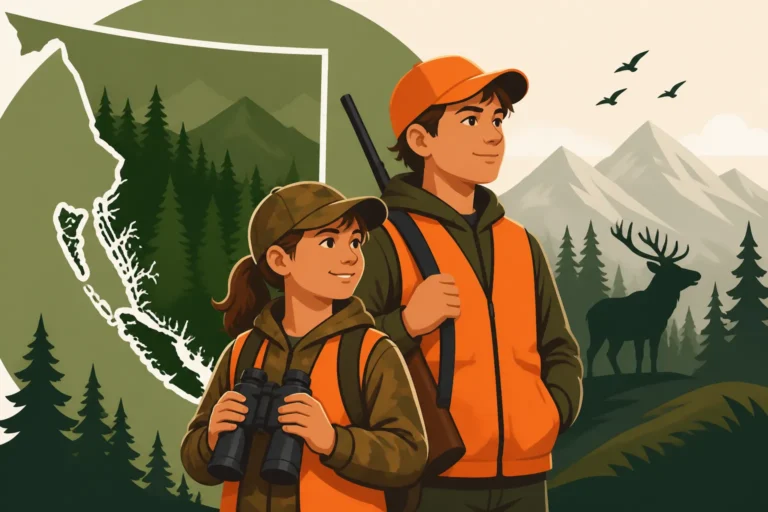
British Columbia is divided into nine administrative hunting regions, and within these regions, there are hundreds of individual Management Units (MUs). Bear populations, habitat quality, and human-wildlife conflicts can vary significantly from one MU to another. Therefore, bag limits and season dates are often tailored to these local conditions.
For instance, a coastal MU might have a more liberal black bear season and limit, given robust populations and prime habitat, such as those found during "Hunting Bears on a Coastal Estuary in May." Conversely, an interior MU, perhaps one impacted by recent wildfires or habitat changes, might have a more restrictive season or a limit of only one bear. These differences are vital for sustainable management. You might find a general season open for black bears in Region 7 (Omineca) with a limit of two, but a nearby MU in Region 5 (Cariboo) could have a limit of one or different season dates. This granular approach requires hunters to diligently check the specific regulations for the "British Columbia's Management Units and Regions" they plan to hunt. Tools like the official BC hunting online map or apps that integrate these boundary layers are indispensable for verifying these details.
Antlerless/Any Animal Rules and Bear Hunting
While the concept of "antlerless" or "any animal" usually applies to deer, elk, and moose, it's worth noting that for black bears, the season is typically for "any black bear" (excluding cubs and sows with cubs). There isn't usually a distinction between male (boar) or female (sow) black bears in the bag limits, beyond the prohibition on harvesting sows with young. The focus for black bears tends to be on overall numbers and ensuring ethical harvest of independent animals. This is in contrast to, say, "British Columbia's Four-Point Antler Restriction" for mule deer, which specifically targets older, more mature males for harvest. The absence of such sex-specific restrictions (beyond avoiding sows with cubs) for black bears simplifies the bag limit understanding, yet still requires careful judgment in the field.
The Role of Conservation in Bag Limits
The underlying principle behind all bag limits in British Columbia is conservation. Wildlife biologists and managers continuously monitor bear populations, habitat conditions, and harvest rates. Data gathered from compulsory reporting (which we'll cover next) plays a critical role in informing these decisions.
If a specific population appears to be declining or facing increased pressure, bag limits might be reduced, or seasons shortened, or even closed entirely, as was the case with grizzly bears. Conversely, healthy and robust populations may sustain the current limits. Factors like food availability (e.g., berry crops, salmon runs), predation, disease, and habitat loss all influence population dynamics. When considering "British Columbia's Grizzly Population Estimate" or "What a Coastal Black Bear Weighs," these are all metrics used to ensure the long-term health of these incredible animals. The decision to maintain a limit of two black bears per year for most of the province reflects a confidence in the overall health and resilience of the black bear population across much of British Columbia.
Beyond the Limit: Responsible Bear Hunting Practices
Knowing the bag limit is just one part of being a responsible bear hunter. Ethical conduct, adherence to reporting rules, and proper game care are equally vital.
Compulsory Reporting Requirements
In British Columbia, harvesting a bear, particularly a black bear, comes with compulsory reporting obligations. This isn't just a suggestion; it's a mandatory part of the hunting process, crucial for wildlife management.
Here's a breakdown:
- Black Bear Compulsory Reporting: You are generally required to report the harvest of a black bear online within a specific timeframe (often 30 days) of the animal being killed. This report typically includes details like the date and location (Management Unit) of the kill, the sex of the bear, and whether it was accompanied by cubs. This data is invaluable for tracking harvest rates, understanding population trends, and informing future bag limits and season structures. Failing to report can result in fines and penalties. Hunters can learn more about "British Columbia's Compulsory Reporting Rules" and the "The Thirty Day Reporting Deadline" to ensure they comply.
- Grizzly Bear (Historical): When the grizzly hunt was open, there were often additional compulsory inspection requirements, meaning hunters had to present the skull and hide to a conservation officer for examination. While not applicable now, it highlights the type of strict oversight that can be implemented for certain species.
Ethical Harvest and Meat Care
Ethical hunting extends far beyond just staying within the bag limit. It encompasses respectful and responsible practices from shot placement to meat utilization.
- Clean Kills: Always strive for a quick, humane kill. This means taking shots only when you have a clear, ethical opportunity.
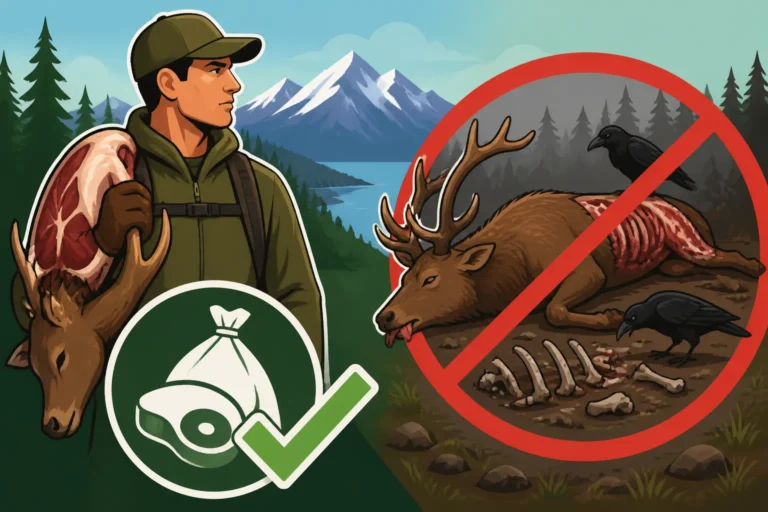
- Meat Care: Bears are excellent table fare, and wasting edible meat is both unethical and illegal in British Columbia. This is detailed in the "Rules on Wasting Game Meat." After a successful harvest, particularly in warmer spring or early fall conditions, proper and immediate meat care is essential. This includes skinning, quartering, and cooling the carcass as quickly as possible. For those "Keeping Meat Cool in an Early Season," practical steps like hanging the meat in the shade or using game bags are critical. Don't underestimate the size of a black bear; "What a Coastal Black Bear Weighs" can be substantial, making the pack out and processing a significant task.
Bear Safety in the Field
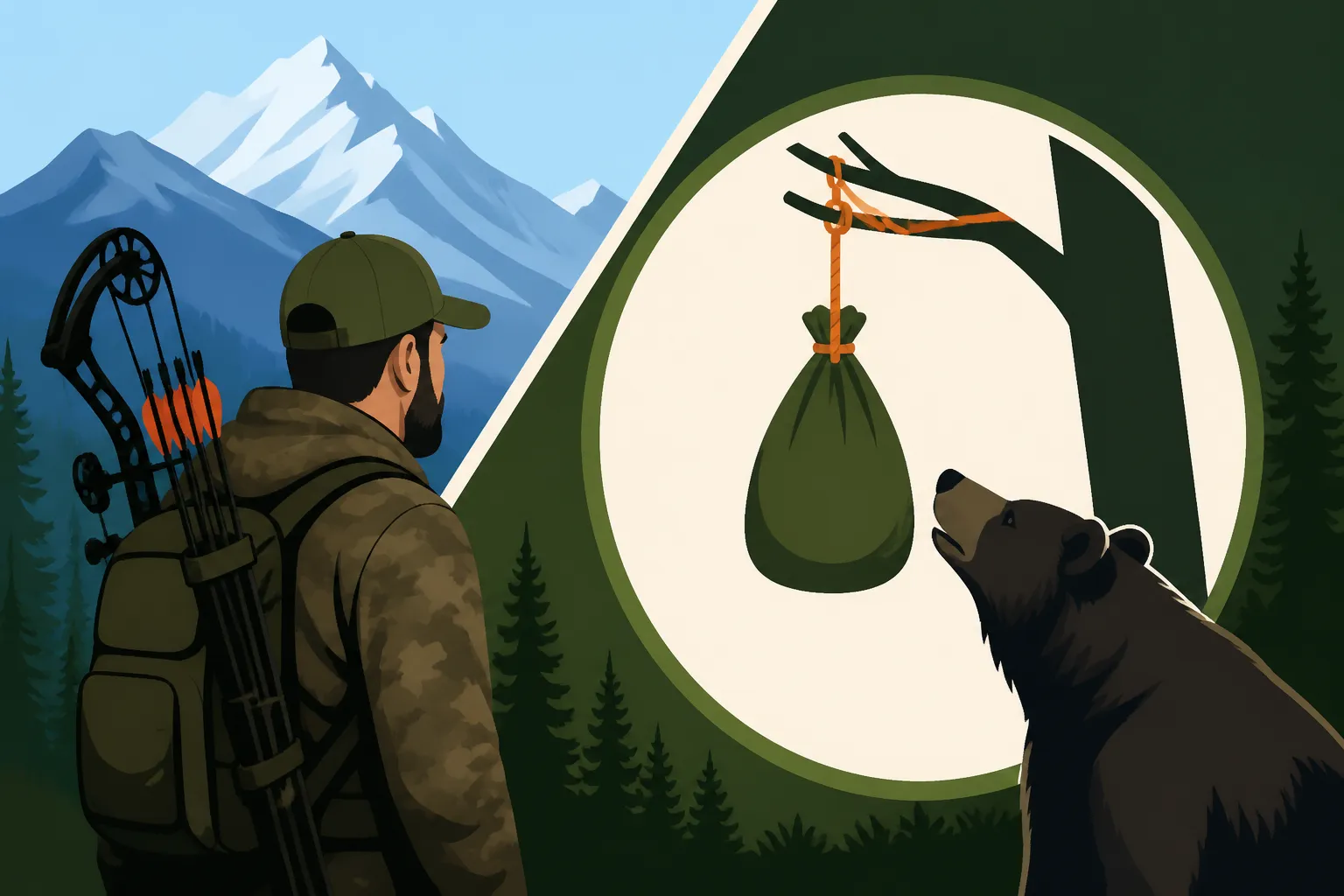
While discussing bag limits, it’s also important to touch on safety when hunting bears. British Columbia is bear country, home to both black bears and grizzlies. Even when hunting black bears, encountering a grizzly is a real possibility.
- Awareness: Always be aware of your surroundings, especially in dense cover or near food sources like berry patches or salmon streams.
- Bear Spray: Carrying bear spray and knowing how to use it is non-negotiable for safety.
- Identification: Learn to confidently distinguish between black bears and grizzlies, as the latter are protected. Differences in size, shoulder hump, facial profile, and claw length are key indicators. Even the colour phases in British Columbia Black Bears can sometimes be confusing, with bears appearing brown or blonde. Prioritize positive identification.
- Group Hunting: Often, hunting with a partner provides an extra layer of safety and efficiency, especially when packing out a harvested animal. For more comprehensive information, hunters should review "Bear Safety While Hunting in British Columbia."
Navigating the Regulations: A Practical Table
To help consolidate some of this information, here’s a quick reference table for British Columbia bear bag limits and key considerations. Remember, this is a general guide; always consult the current year's British Columbia Hunting and Trapping Regulations Synopsis for specific, up-to-date information for your chosen hunting area.
| Species | General Resident Bag Limit (per year) | Key Considerations | Current Status |
|---|---|---|---|
| Black Bear | 2 (two) | No cubs or sows with cubs. Check MU-specific rules. | General Open Seasons (GOS) |
| Grizzly Bear | 0 (zero) | Permanently closed to all hunting for residents & non-residents. | Hunting is prohibited |
Disclaimer
This guide is intended for informational purposes only and should not be considered legal advice. Hunting regulations in British Columbia are complex and subject to change. Always consult the most current British Columbia Hunting and Trapping Regulations Synopsis and relevant provincial government resources before planning or embarking on any hunting trip. It is the hunter's responsibility to know and comply with all applicable laws and regulations.