British Columbia Recreation Sites for Hunters
It can be a real headache trying to figure out where to base yourself for a British Columbia hunting trip, especially when you're watching your budget and want to stay close to the action. Finding a spot that offers a bit of comfort without breaking the bank, and that's actually accessible to your hunting grounds, often feels like a puzzle. This guide will walk you through everything you need to know about British Columbia's recreation sites, proving why they are an absolute game-changer for resident hunters looking for a practical and enjoyable camp.
What Exactly Are British Columbia Recreation Sites?
When you're dreaming of hunting in British Columbia, your mind probably goes to vast tracts of wilderness, winding logging roads, and untouched mountainsides. But where do you actually stay? While random camping on Crown land is always an option, British Columbia Recreation Sites offer a fantastic middle ground – a step up in amenities and usually more designated, but still deeply embedded in the backcountry experience. These aren't your typical RV parks with full hookups and manicured lawns; think of them as rustic, government-maintained campgrounds primarily designed for outdoor enthusiasts, and that includes us hunters.
Understanding Their Purpose and Management
British Columbia's recreation sites are managed by Recreation Sites and Trails BC (RSTBC), an agency dedicated to providing outdoor recreation opportunities across the province. Their main goal is to offer readily accessible, basic facilities for activities like camping, fishing, hiking, and, of course, hunting. These sites are strategically placed, often along British Columbia's Forest Service Road Network, near lakes, rivers, or at trailheads that lead deeper into prime wilderness. Unlike provincial parks where hunting is generally restricted or entirely prohibited, recreation sites are typically located on British Columbia's Crown Land Access, making them ideal staging areas for your hunting adventures. They represent a commitment to public access for outdoor pursuits, a refreshing contrast to areas where access might be more controlled or privatized.
What this means for a hunter is a network of thousands of sites, ranging from a single picnic table and fire ring to small campgrounds with a dozen or more designated spots. The management aims to keep these areas clean and safe, often relying on user fees and dedicated caretakers to maintain them. These sites aren't just for tourism; they are fundamental infrastructure for anyone wanting to immerse themselves in BC's wild spaces. It's a system built on the principle of providing simple, functional access to the vast natural playground that British Columbia offers, and for hunters, that means unparalleled opportunities to set up camp right where you want to be.
Key Features and Amenities Hunters Can Expect
Forget fancy washrooms or internet access; recreation sites are all about the basics. What you'll typically find at most sites includes a cleared tent pad or space for a small RV/truck camper, a picnic table, and a fire ring. Many also have an outhouse (usually a pit toilet), and some might have a hand pump for water, though it's always wise to filter or boil any water from these sources or bring your own. Garbage bins are sometimes provided, but often it's a "pack it in, pack it out" policy.
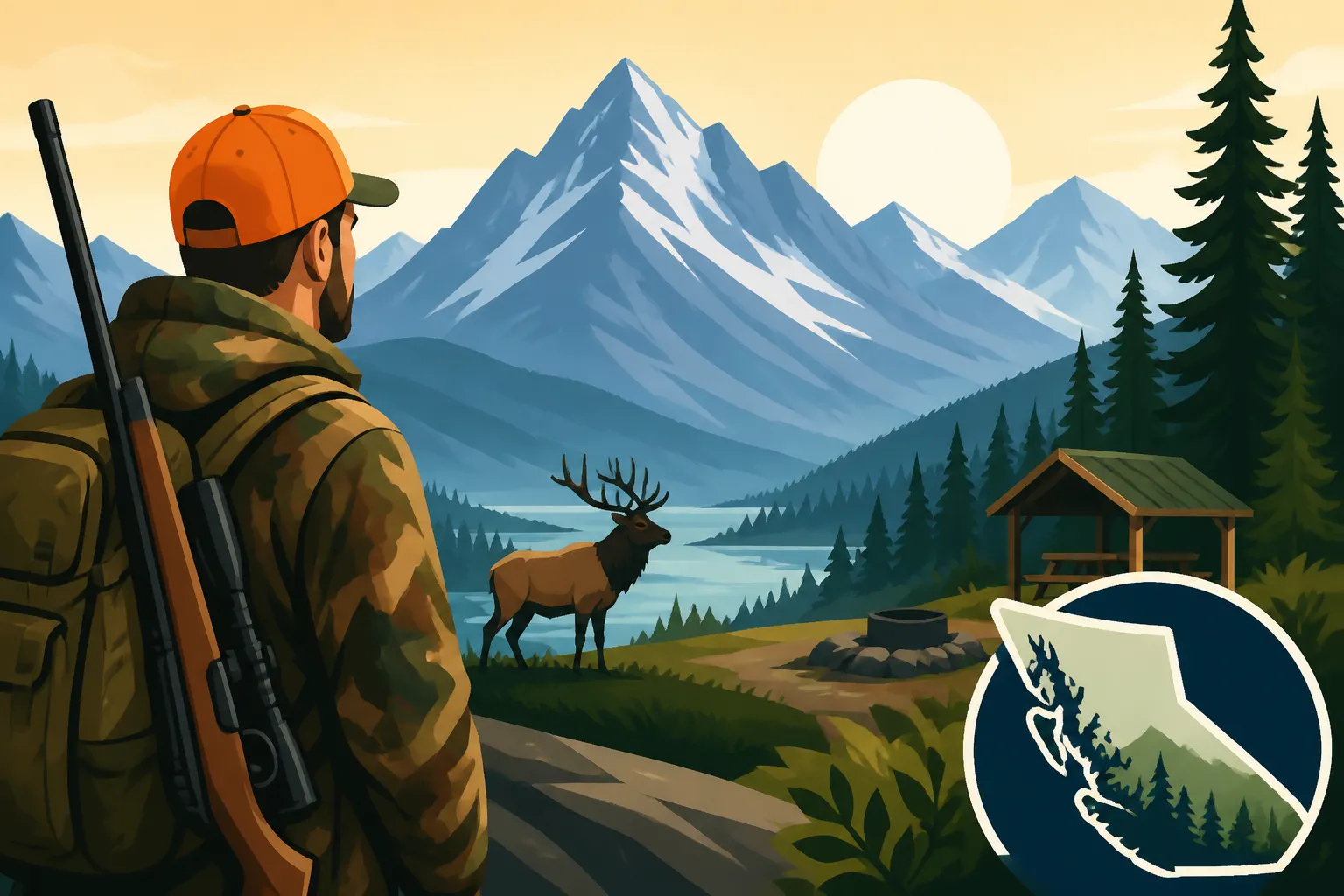
The charm of these sites lies in their simplicity and location. You're rarely far from a lake, river, or a network of trails or old logging spurs. This rustic setup is precisely what makes them perfect for hunters. You're not paying for amenities you don't need, and you're surrounded by the environment you came to experience. Imagine finishing a day of scouting a new British Columbia Management Unit, then returning to a ready-made camp with a fire pit to cook your dinner. While they might seem primitive to some, for many hunters, they represent the ideal blend of convenience and immersion, offering just enough to make a multi-day hunt comfortable without detaching you from the wild.
Why Recreation Sites are a Hunter's Best Friend
Finding suitable accommodations that align with the true spirit of a backcountry hunt can be challenging. Lodges are expensive, hotels are far from the action, and while random camping has its place, sometimes you just want a designated spot with a few basic comforts. This is where British Columbia Recreation Sites shine, offering a unique blend of affordability, accessibility, and strategic placement that makes them invaluable for hunters.
Cost-Effectiveness and Accessibility
Let's face it, hunting can be an expensive passion. Licenses, gear, fuel, food – it all adds up. The beauty of recreation sites is their incredible affordability. Many sites are free, especially those that are more remote or have fewer amenities. For those that do charge a fee, it's often a nominal amount, typically a fraction of what you'd pay for a private campground or a hotel room. This cost-effectiveness allows you to allocate more of your budget to other essential aspects of your hunt, like better optics or extra fuel to explore more territory.
Beyond the financial savings, recreation sites are designed for accessibility. They are almost exclusively found along gravel roads and active or deactivated Finding Open Forest Roads in British Columbia, meaning you can usually drive right to them with a truck or SUV. This direct access is crucial for hunters who need to transport gear, camp setup, and, hopefully, game meat. Unlike wilderness areas that require extensive hikes or specialized transport, recreation sites allow you to keep your vehicle close, acting as a convenient base camp for forays into the surrounding forests and hills. This blend of low cost and high accessibility makes them incredibly practical for planning extended hunting trips without breaking the bank or requiring expedition-level logistics.
Strategic Locations Near Prime Hunting Areas
One of the most significant advantages of British Columbia Recreation Sites for hunters is their placement. These sites aren't randomly scattered; they're often situated in areas known for their natural beauty, which frequently overlaps with excellent wildlife habitat. You'll find them nestled beside productive rivers for moose, on the edge of expansive cutblocks favoured by deer, or at the base of mountains where sheep and goats roam. They essentially provide a ready-made launchpad for your hunt.
Consider a situation where you're targeting elk in the Kootenays or moose in the Cariboo. A quick look at a map, perhaps using mapping tools like onX Hunt or GoHunt, will often show recreation sites dotted precisely in the General Open Season areas or even bordering Hunting a Limited Entry Hunting Zone where you hold an authorization. This means less driving time each morning to get to your hunting spot and more time actually hunting. You can scout the surrounding areas, set up stands or blinds, and return to a familiar camp each night. This strategic positioning means you're not just camping; you're establishing a tactical base from which to operate, maximizing your time in the field and minimizing logistical headaches.
Community and Safety Aspects
While hunting can be a solitary pursuit, camping at a recreation site can also offer a sense of community, or at least proximity to other like-minded individuals. You'll often find other hunters, anglers, or outdoor enthusiasts sharing the site. This can be beneficial for a few reasons. Firstly, it offers a degree of safety. If you're hunting alone, having other people nearby can provide a sense of security, knowing there's someone around in case of an emergency. This can be a huge comfort, especially when dealing with potential wildlife encounters, like bears, which are a very real concern in British Columbia. Bear Safety While Hunting in British Columbia is always paramount, and a shared camp can feel safer than being completely isolated.
Secondly, there's the potential for camaraderie and shared knowledge. You might strike up conversations with other hunters, sharing tips on local conditions, animal movements, or even just swapping stories around a campfire. This informal exchange can be incredibly valuable, particularly if you're hunting an unfamiliar area. Of course, respect for others' space and quiet enjoyment is key, but the option for connection is there. This balance between solitude in the field and the option of low-key community in camp makes recreation sites a uniquely appealing choice for many British Columbia hunters.
Navigating the Regulations and Responsibilities
Hunting and camping in British Columbia, particularly on Crown land and at recreation sites, comes with a set of rules and responsibilities. These aren't just bureaucratic hurdles; they're in place to protect the environment, ensure safety, and maintain the quality of the outdoor experience for everyone. Understanding these regulations is crucial for a smooth and enjoyable trip, and for staying on the right side of the law.
Fees, Permits, and Reservation Realities
While many recreation sites are free, a significant number, particularly the more developed or popular ones, do charge a nightly fee. These fees are usually paid on-site, often through an envelope system where you deposit cash into a secure box, or increasingly, through online payment portals for specific, busier sites. It’s always best to check the Recreation Sites and Trails BC website or a local forestry office for the specific site you plan to visit to confirm if a fee is required and how to pay it. Unlike private campgrounds, reservations are rare for most recreation sites. It's largely a first-come, first-served system, especially for the more remote locations. This means flexibility is key, particularly if you're planning a trip during peak hunting seasons or long weekends.
However, the lack of a reservation system also means you have more freedom. If your hunting plans change at the last minute or you discover a better area to set up camp, you're not tied to a pre-booked spot. This flexibility is a huge boon for hunters who often need to adapt to weather, animal movements, or scouting discoveries. Be aware that popular sites can fill up, especially during the early archery seasons or rifle openers, so having a backup plan or arriving early can save you a headache. Understanding Camping Rules on British Columbia Crown Land in general will provide a good foundation for navigating specific site rules.
"Leave No Trace" and Ethical Camping for Hunters
The "Leave No Trace" principles are not just suggestions when you're using British Columbia's recreation sites; they're an ethical imperative. As hunters, we pride ourselves on our connection to the land and our respect for wildlife, and this extends to how we treat our campsites. This means packing out everything you pack in – including all garbage, food scraps, and even spent casings. If a site has outhouses, use them, but be prepared with your own toilet paper and hand sanitizer. For sites without facilities, learn how to properly dig a cathole far from water sources and trails.
Proper food storage is another critical aspect, especially in bear country. Secure all food, garbage, and scented items in bear-resistant containers, hung from a tree, or locked in your vehicle to avoid attracting wildlife. This isn't just about protecting your food; it's about protecting the animals and future campers. An animal that learns to associate humans with food can become a problem animal, often with tragic consequences. By adhering to these principles, we ensure that these valuable resources remain pristine and accessible for generations of hunters and outdoor enthusiasts to come.
Fire Restrictions and Wildlife Encounters
Fire is an integral part of the camping experience for many, especially on a cool autumn evening after a long day of hunting. However, British Columbia experiences significant wildfire risk, and fire restrictions are common, particularly in the dry summer and early fall months. Always check the current fire danger rating and any bans in effect for the region you're hunting. These bans can range from campfires only in designated fire rings to complete bans on all open fires, including propane campfires. Ignoring these rules can lead to significant fines and puts vast tracts of forest and wildlife habitat at risk.
Beyond fire, wildlife encounters are an inherent part of the British Columbia experience. While most animals will avoid human contact, it's essential to be prepared. This includes knowing What to Do If You See a Grizzly or black bear, carrying bear spray, and understanding how to act responsibly in their habitat. Keeping a clean camp, as mentioned earlier, is your first line of defense. Respecting wildlife means giving them space and never feeding them. Being proactive about wildlife safety ensures a safer and more harmonious trip for both you and the creatures sharing the landscape.
Finding and Planning Your Hunt Around a Recreation Site
The vastness of British Columbia can be intimidating, and trying to pinpoint the perfect hunting spot and accompanying camp can feel like searching for a needle in a haystack. Thankfully, with modern tools and a methodical approach, integrating recreation sites into your hunting plan becomes much more manageable and efficient.
Using Online Resources and Mapping Tools
The internet has revolutionized hunting trip planning, and finding British Columbia Recreation Sites is no exception. The primary resource is the official Recreation Sites and Trails BC website, which offers an interactive map and detailed information on thousands of sites across the province. You can filter by region, amenities, and even specific activities. This is your first stop to get a general overview of what's available in your target hunting area.
However, for a hunter, integrating this information with detailed land access and topographical maps is where the real power lies. This is where tools like onX Hunt and GoHunt become incredibly useful. These platforms allow you to overlay recreation site locations with features like private land boundaries, Crown land access, topography, roads (including deactivated ones), and even satellite imagery. Imagine being able to see a recreation site nestled right where a logging road meets an old burn, prime habitat for Hunting Mule Deer on a British Columbia Burn, and knowing that the site is on Crown land with easy access to your desired hunting zone. These apps often update road conditions and closures, too, which is vital when navigating British Columbia's Logging Road Network. They transform abstract planning into a visual, tactical strategy, letting you virtually scout potential camps and hunting areas from the comfort of your home.
Scouting and Site Selection for Different Hunts
Choosing the right recreation site isn't just about finding the closest one; it's about strategic selection based on your hunt's specific needs. Are you targeting early season black bears on a coastal estuary or late-season moose in a frozen willow flat? The ideal camp will look different for each. For a mountain goat hunt, you might want a site that provides quick access to a trailhead leading into the alpine. For a whitetail hunt in a valley bottom, a site near a river crossing or agricultural edge might be perfect.
When you're Scouting a British Columbia Management Unit Online, pay close attention to the topography surrounding potential recreation sites. Look for features like elevation changes, timber type transitions, proximity to water, and escape routes for game. Using your mapping app, you can identify potential travel corridors, bedding areas, and feeding zones relative to your chosen camp. Consider how the site's layout will accommodate your group size, vehicle, and any specific needs like hanging game meat. A recreation site near a main forest service road might offer easier access, but one further in on a deactivated spur might provide more solitude and be closer to less pressured hunting grounds. Think about egress too; getting a moose out of heavy timber and back to a road where your camp is located is a major consideration. Getting a Moose Out on a British Columbia River can be a complex operation, and a well-situated camp can make all the difference.
Seasonal Considerations and Popularity
The timing of your hunt profoundly impacts the availability and conditions of recreation sites. During the prime fall hunting seasons, especially around the British Columbia October Rifle Opener or When British Columbia's Archery Season Opens, popular sites can fill up quickly. Weekends will almost always be busier than weekdays. If you're hunting during these high-pressure times, consider arriving a day early to secure a spot, or look for more remote, less-serviced sites that are less likely to be full.
Conversely, early spring bear hunts or late-season deer hunts might find many sites empty, but you could also encounter sites that are still snow-bound or inaccessible due to muddy roads. Weather can drastically change access and comfort levels. Always check local road conditions and weather forecasts. A site that looks perfect on a map in July might be under several feet of snow in November. Understanding these seasonal nuances is key to selecting a site that will truly enhance your hunting experience rather than create unforeseen challenges.
Maximizing Your Experience at a British Columbia Recreation Site
Camping at a British Columbia recreation site is about more than just having a place to sleep; it's about embracing the outdoor lifestyle and making your base camp a functional, comfortable, and enjoyable part of your hunting adventure. With a little planning and the right mindset, you can elevate your experience significantly.
Camp Setup and Essential Gear for Comfort
Even though recreation sites offer basic amenities, your own gear makes all the difference for comfort and functionality. A sturdy tent or a well-equipped truck camper is paramount, providing shelter from British Columbia's unpredictable weather, which can range from Hunting in British Columbia's Coastal Rain to crisp alpine nights. Don't skimp on a good sleeping pad and sleeping bag appropriate for the expected night temperatures. Even in early seasons, temperatures can drop significantly.
For your "kitchen," a portable stove is essential for cooking, especially if fire bans are in effect. Bring a good cooler, and for longer trips, consider one that holds ice for an extended period, which is crucial for Keeping Meat Cool in an Early Season. A comfortable camp chair makes a huge difference after a long day of hiking. Good lighting, whether headlamps, lanterns, or solar-powered string lights, can transform a dark campsite into a welcoming evening retreat. While some sites have picnic tables, bringing a small folding table can be invaluable for food prep or organizing gear. Remember, this is your home away from home for a few days or weeks, so prioritize items that contribute to your well-being and efficiency in camp.
Balancing Hunting Activities with Other Users
Recreation sites are often multi-use areas, shared by hunters, anglers, hikers, and other outdoor enthusiasts. Maintaining a respectful balance is key to ensuring a positive experience for everyone. While your primary purpose is hunting, remember that others may be there for different reasons, and their peaceful enjoyment should be considered. This means keeping noise levels down, especially during quiet hours, and being mindful of your actions.
For hunters, specific courtesies include properly handling game meat away from common areas if possible, and ensuring any harvested animals are discreetly managed. While you're proud of your harvest, some other users might not appreciate seeing a deer being quartered near the main camp area. If you've been successful, consider moving game processing a short distance away or waiting until other campers are not present. Always be courteous and friendly; a simple wave or a polite conversation can go a long way in fostering a positive atmosphere. Remember, we all share these wild spaces, and mutual respect ensures continued access and enjoyment for all users.
When a Recreation Site Might Not Be the Best Fit
While recreation sites are fantastic, they aren't always the perfect solution for every hunting scenario. There are times when their convenience might be outweighed by other factors, and knowing when to opt for an alternative is part of being an experienced British Columbia hunter. For instance, if you're chasing extremely remote game, such as Hunting Stone's Sheep in the Far North or deep backcountry mountain goats, a recreation site might still be too far from your target area. In these cases, a spike camp or true British Columbia Random Camping on Crown Land might be necessary to get you closer to the action, reducing daily travel time and increasing your effective hunting hours.
Similarly, if you're seeking absolute solitude and silence, a recreation site, even a quiet one, might not cut it. The presence of other campers, even if respectful, means you're not truly alone in the wilderness. For those who crave complete isolation, pushing further into the backcountry, away from any designated sites, could be a better choice. Finally, if you have specific needs that basic sites can't meet – such as power hookups for medical devices or large RVs that require extensive maneuvering – you might need to look at private campgrounds or more developed options. Understanding the limitations, as well as the benefits, of recreation sites allows you to choose the best base camp for your unique British Columbia hunting adventure.
Disclaimer
This article is for general informational purposes only and does not constitute professional advice. Laws, prices and regulations vary by location and change over time. Consult a qualified professional for guidance on your specific situation.