Hunting the Muskwa-Kechika Wilderness
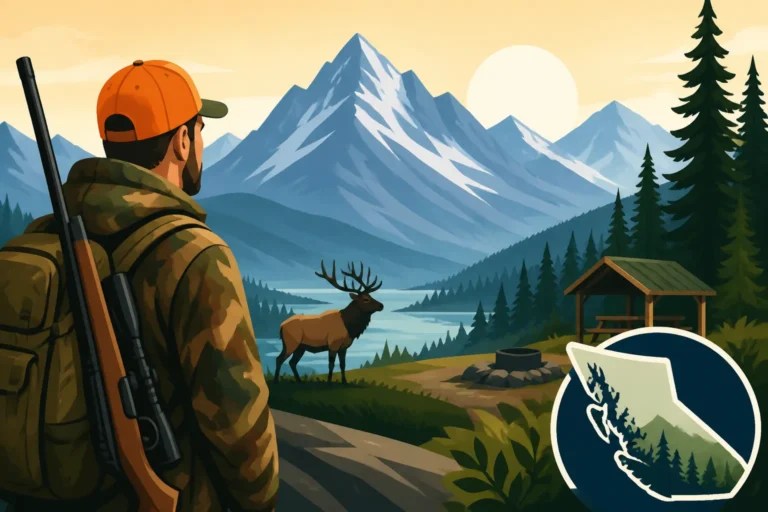
For many hunters, the very idea of the Muskwa-Kechika Wilderness conjures images of untouched landscapes, monumental big game, and the kind of profound solitude that's increasingly rare in our modern world. Yet, the vastness and extreme remoteness of this northern British Columbia gem can feel incredibly daunting, leaving many wondering how one even begins to plan a hunting trip there. This guide aims to pull back the curtain on hunting the legendary Muskwa-Kechika, providing the crucial insights and actionable advice you'll need to transform this bucket-list dream into a tangible, deeply rewarding experience.
The Unparalleled Wild: What Defines the Muskwa-Kechika Wilderness
The Muskwa-Kechika, often affectionately called the "M-K" by those who know it, isn't just another hunting area; it's a globally significant wilderness spanning over 6.4 million hectares (roughly 16 million acres) in northeastern British Columbia. To put that into perspective, it's larger than many European countries. This is a place where human impact is minimal, and the wild reigns supreme. Understanding what makes the M-K so unique is the first step in appreciating the scale of the adventure you're contemplating.
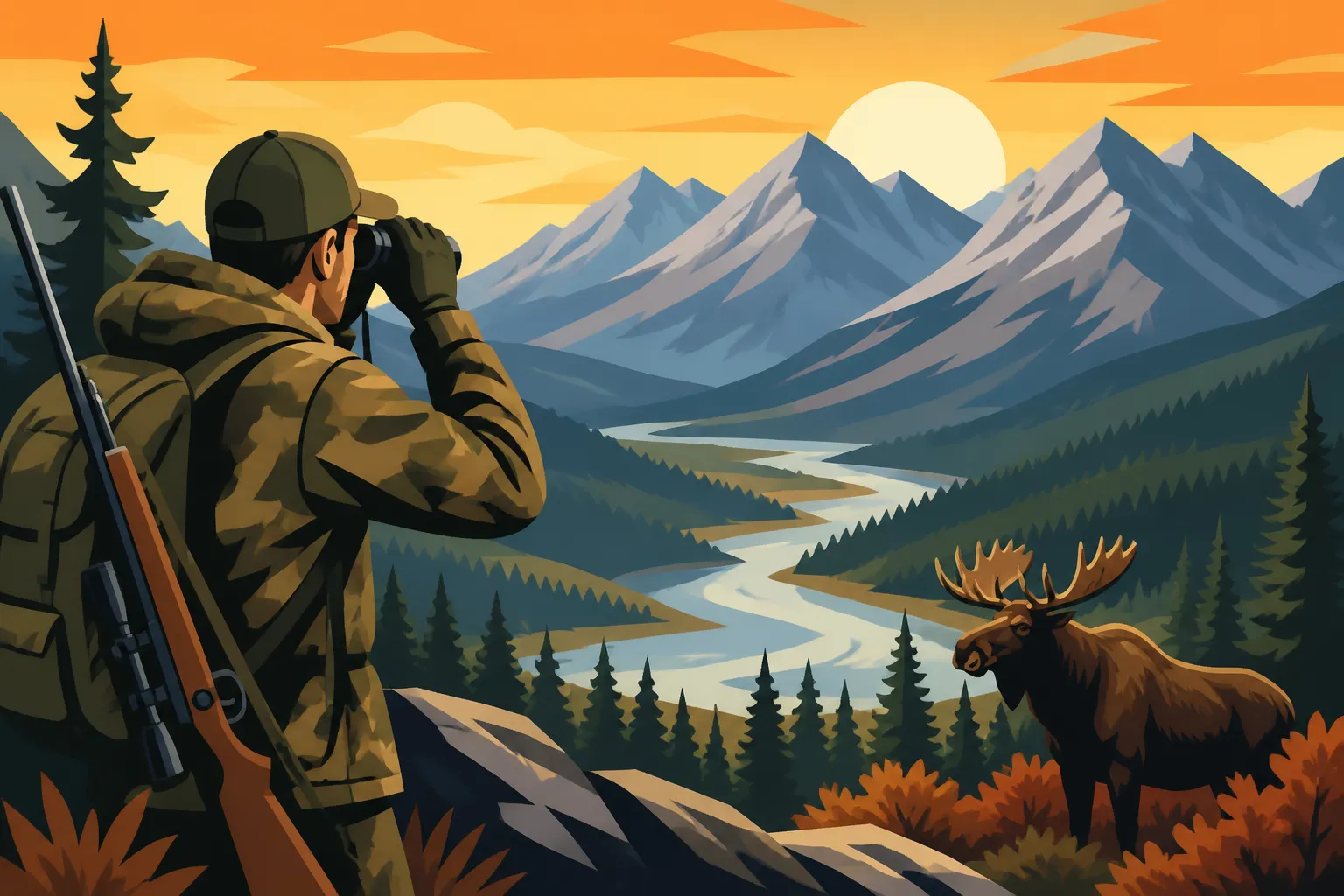
The M-K’s terrain is a breathtaking tapestry of towering peaks, vast boreal forests, winding rivers, alpine plateaus, and deep valleys. It includes portions of the Rocky Mountains and the vast Interior Plateau, creating a diverse range of habitats for an incredible array of wildlife. When you're standing deep within the M-K, often the only sounds you'll hear are the wind, the rush of a distant river, or perhaps the distant bugle of a bull moose. This profound solitude is one of its greatest draws, but it also underscores the self-reliance and preparedness required for any venture here.
One of the primary reasons hunters are drawn to the M-K is its robust populations of iconic northern big game species. It's renowned for its incredible moose hunting, particularly for those seeking a true wilderness experience for record-class bulls. You'll also find healthy herds of Rocky Mountain elk, often in the more open valleys and foothills. However, for many, the M-K is the ultimate destination for sheep and mountain goat. The rugged mountains provide ideal habitat for both Stone's sheep and, in some areas, Rocky Mountain bighorns, as well as abundant mountain goats clinging to the precipitous cliffs. Black bears are common, and while grizzly hunting is now closed in BC, understanding Bear Safety While Hunting in British Columbia is paramount due to their presence in the M-K. The predator populations, including wolves and cougars, are also strong, playing a vital role in maintaining the ecosystem's balance.
Crafting Your Expedition: Planning and Logistics for an M-K Hunt
Venturing into the Muskwa-Kechika requires meticulous planning far beyond a typical road-accessible hunt. This isn't a place you just "show up" to; it's a full-scale expedition that demands attention to every detail, from access to permits.
Navigating Access and Permitting
Access to the M-K is perhaps the biggest hurdle and the most critical planning component. The vast majority of this wilderness area is inaccessible by conventional road. This means you're typically looking at fly-in charters via bush plane, jet boat travel up one of the major rivers, or extensive horseback packing. Each method has its own set of challenges, costs, and advantages.
For non-residents of British Columbia, the law is clear: you must be accompanied by a licensed BC resident with a valid "Permit to Accompany" or hunt with a licensed British Columbia Guide Outfitter. This isn't just a recommendation; it's a legal requirement designed to manage access and ensure responsible hunting practices in such a sensitive area. For many, especially those from outside Canada, booking with a reputable outfitter is the most straightforward path, as they possess the local knowledge, equipment, and permits necessary to operate in these remote regions. They are experts in navigating British Columbia's Guide Outfitter Territories which are especially extensive in the north.
Permits and tags are another layer of complexity. While some species might be available through general open seasons, many of the highly sought-after species, particularly moose, elk, sheep, and goat, are predominantly managed through the British Columbia's Limited Entry Hunting Draws. You'll need a valid BC hunting licence and the appropriate species tags. Researching the specific Management Units (MUs) within the M-K for draw odds and season dates years in advance is highly recommended. Websites like GoHunt can be an invaluable resource for analyzing past draw data and unit information, helping you make informed decisions about where and when to apply. Remember, even if you draw a tag, the logistics of reaching that remote MU remain a significant undertaking.
Essential Gear and Trip Planning Considerations
The M-K will test your gear like no other place. Forget light-duty equipment; everything needs to be robust, reliable, and capable of performing in extreme conditions. Your packing list will differ based on your chosen mode of access and target species, but some core items are universal:
- Navigation: While an outfitter will handle primary navigation, having your own backup is non-negotiable. A reliable GPS unit, a satellite communication device (like an InReach or Garmin Messenger), and paper maps are essential. Apps like onX Hunt can be incredibly powerful for showing property boundaries (Crown land is vast here, but knowing where you are relative to parks or private parcels is still critical), topographical features, and even tracking your movements. In a place where getting lost means real trouble, redundant navigation tools are peace of mind.
- Shelter and Sleep System: Whether it's a canvas wall tent, a lightweight backpacking tent, or a spike camp, your shelter needs to withstand fierce winds, heavy rain, and potentially early snow. A sleeping bag rated well below anticipated nighttime temperatures and a good sleeping pad are crucial for warmth and recovery.
- Clothing: Think layers, and think synthetics or wool. The weather in northern BC, especially at elevation, can change dramatically in hours. Waterproof and windproof outer layers are non-negotiable. Don't forget gaiters, sturdy hunting boots suitable for steep terrain and stream crossings, and plenty of warm socks.
- Food and Water: While an outfitter will provide food, self-guided trips require careful planning for caloric intake, weight, and shelf-stability. Water filters or purification tablets are a must.
- Field Care and Packing Out: This is where many hunts fall apart in remote areas. You will be quartering your animal in the field, and you will need to pack it out, often over considerable distances and difficult terrain. Bone saws, game bags, quality knives, and a sturdy Packing Meat With a Frame Pack are non-negotiable. Consider the implications of Meat Care in British Columbia's Warm Early Seasons even in the north, as early fall can still see surprisingly warm temperatures.
The timeline for planning an M-K hunt is extensive. Many outfitters book several years in advance, especially for highly sought-after sheep or goat hunts. Draw applications also have strict deadlines, usually in May. Factor in time for physical conditioning – this is not a hunt for the faint of heart or unfit. British Columbia's Compulsory Reporting Rules also apply, meaning you'll have administrative duties even after you've left the wilderness.
Here's a simplified comparison of access methods often used in the M-K:
| Access Method | Pros | Cons | Best For |
|---|---|---|---|
| Bush Plane | Fastest, accesses deepest wilderness | Weather dependent, weight limits, expensive | Remote alpine hunts, quick access |
| Jet Boat | Accesses river corridors, carries weight | Limited to navigable rivers, noisy, fuel needs | River valley moose/elk, large camps |
| Horseback | Traditional, covers ground silently | Slow, requires experienced outfitter/wranglers | Extended backcountry hunts, sheep/goat hunts |
| Backpacking | Ultimate self-reliance, no mechanicals | Extremely physically demanding, low gear capacity | Spike camps, highly fit hunters |
Survival and Success: On the Ground in British Columbia's Last Frontier
Once you're actually in the Muskwa-Kechika, the real adventure begins. But it’s an adventure that demands constant awareness, adaptability, and a deep respect for the unforgiving nature of true wilderness. Success here isn't just about tagging an animal; it's about making it home safely, having learned and grown from the experience.
Facing the Elements and Wildlife
The weather in the M-K is famously unpredictable. A sunny, crisp morning can quickly turn into a driving rainstorm or even a snow squall, even in early September. Hunting British Columbia's Alpine in September means being ready for anything. Hypothermia is a real danger, so staying dry and maintaining core body temperature is paramount. River crossings can become treacherous with heavy rain, and trails can turn into muddy bogs. You must be prepared to make sound decisions based on rapidly changing conditions, and sometimes, that means waiting out a storm or adjusting your plans entirely.
The wildlife in the M-K isn't just your target species; it's an entire ecosystem, and you are a visitor. Grizzly bears are present, and while hunting them is prohibited, encounters are a possibility. Carrying bear spray, knowing how to use it, and practicing proper food storage in camp are essential. Never assume you're alone; this is their home. Having a solid understanding of Bear Safety While Hunting in British Columbia is critical for your group's well-being.
Self-Reliance and Emergency Preparedness
In such a remote area, self-reliance isn't just a virtue; it's a necessity. You are often days, or even weeks, from any form of conventional help. Minor injuries can become major problems without proper medical supplies and wilderness first aid knowledge. Communications devices are vital, but understand that even satellite communicators can have dead spots in deep canyons. Have a clear Emergency Planning in British Columbia's Backcountry strategy in place, including check-in schedules, designated emergency contacts, and a detailed trip plan left with someone reliable.
The physical demands of M-K hunting are immense. Whether you're slogging through muskeg, climbing steep scree slopes for sheep, or packing out a bull moose from a remote cutblock, your body will be pushed to its limits. Adequate physical conditioning before your hunt is non-negotiable. Training with your actual pack weight, doing elevation gains, and building stamina will directly impact your safety and enjoyment.
Ultimately, hunting the Muskwa-Kechika Wilderness is about embracing the challenge and immersing yourself in an environment few people ever get to experience. It’s an endeavour that demands respect, meticulous preparation, and a willingness to be truly humbled by the wild. If you approach it with the right mindset and preparation, it promises to be the hunt of a lifetime.
Disclaimer
This article is for general informational purposes only and does not constitute professional advice. Laws, prices and regulations vary by location and change over time. Consult a qualified professional for guidance on your specific situation.