Hunting an Old Growth Edge
British Columbia old growth edges attract deer and elk with food and cover, offering hunters prime wildlife viewing and tracking.
Close the distance.
Archery, muzzleloader, and firearm techniques — calling, stand placement, still-hunting, spot-and-stalk, and the weapon rules that change at the state line.
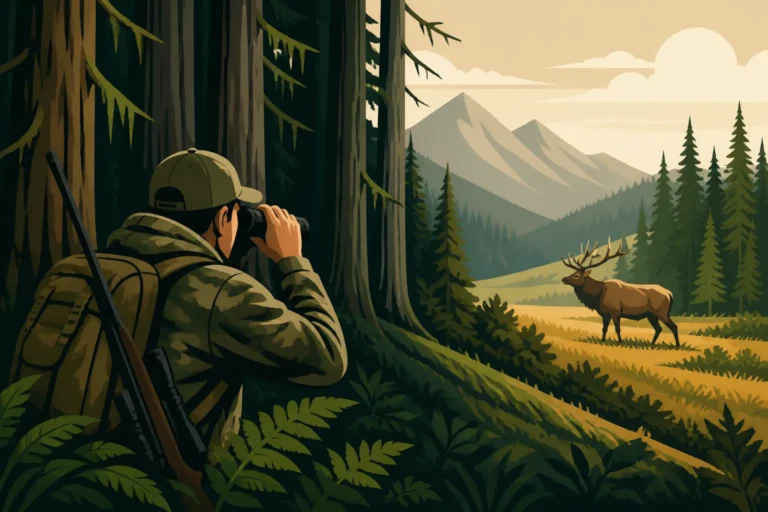
British Columbia old growth edges attract deer and elk with food and cover, offering hunters prime wildlife viewing and tracking.
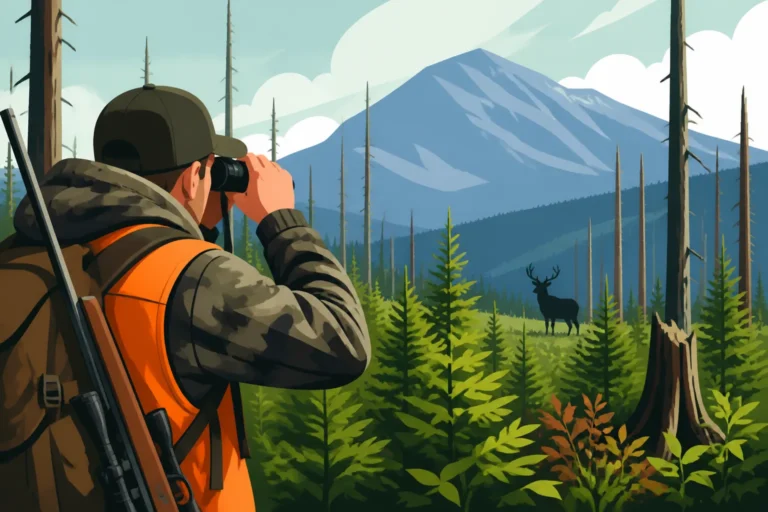
British Columbia hunters find deer and elk inside dense second growth timber blocks using satellite imagery and scouting strategies.
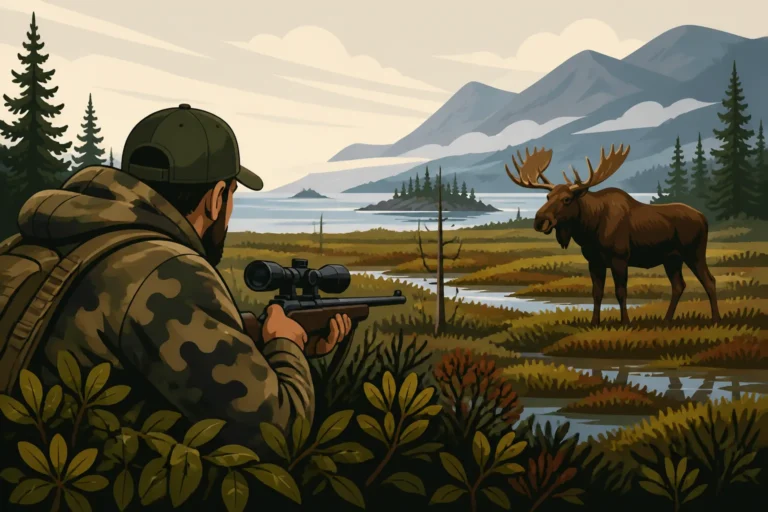
British Columbia coastal bogs offer hunters challenging wetland terrain, raised and blanket formations, and specialized vegetation.
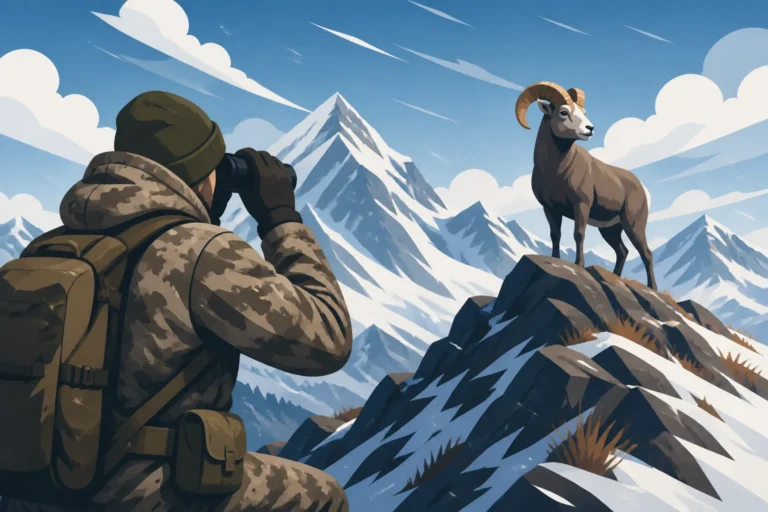
Cold weather hunting in British Columbia high alpine environments presents severe challenges, including biting wind and rapidly changing storms.
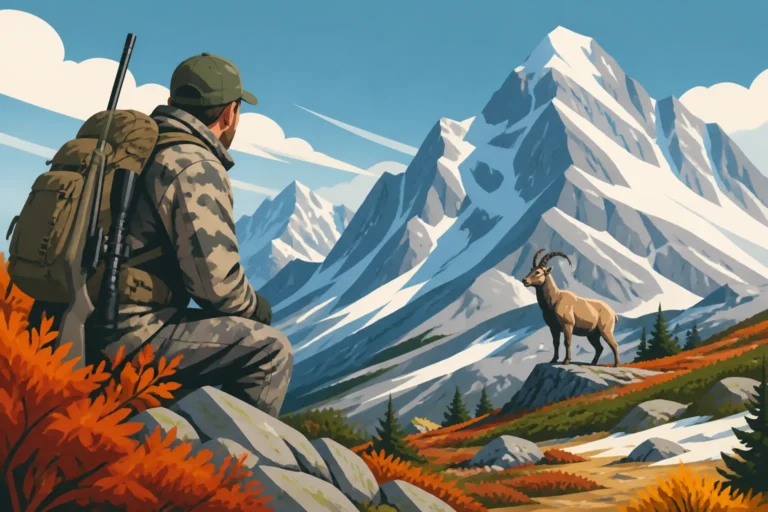
British Columbia alpine hunting in early September offers prime conditions for harvesting mountain goat, bighorn sheep, mule deer, and elk.
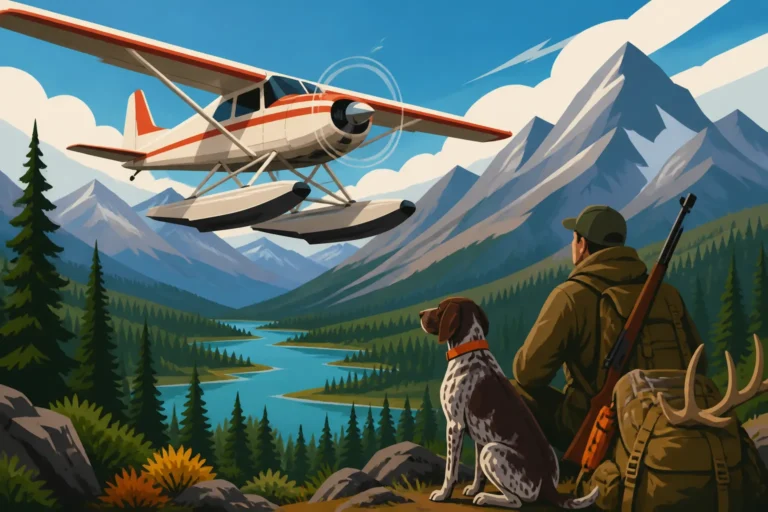
Fly-in hunting across British Columbia unlocks remote wilderness areas covering over 944,000 square kilometres of untouched terrain.
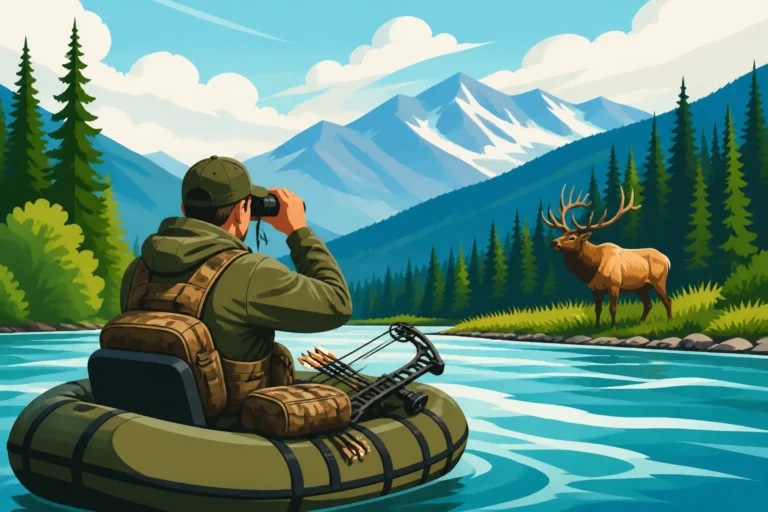
Float hunting a British Columbia river provides access to remote game habitats for moose and elk while enabling efficient backcountry travel.
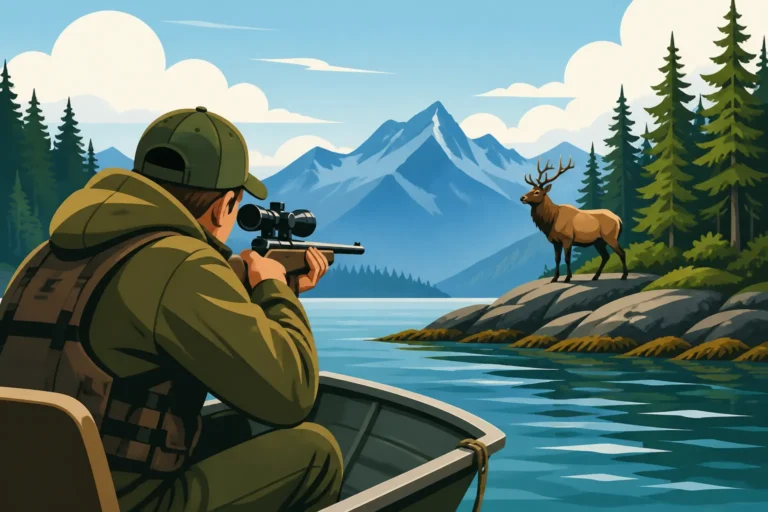
Coastal boat hunting in British Columbia lets hunters reach remote blacktail deer, bears, and goats safely and legally.
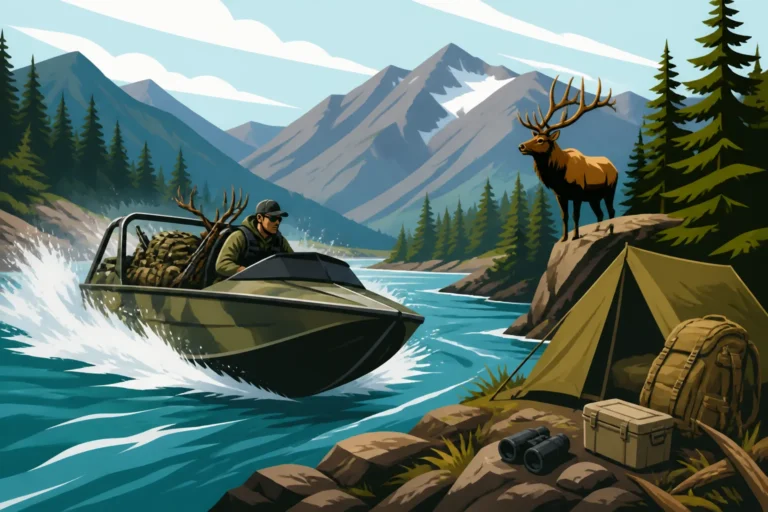
Jet boating in British Columbia rivers enables hunters to reach remote wilderness, haul heavy camp gear, and retrieve game.
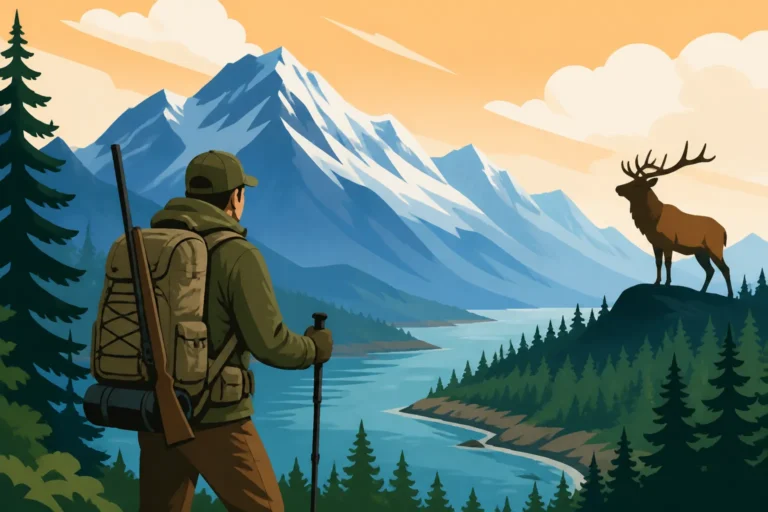
Alternative transportation methods and practical strategies let hunters access British Columbia wilderness areas without owning a heavy-duty truck.