Hunting a Beetle-Killed Pine Stand
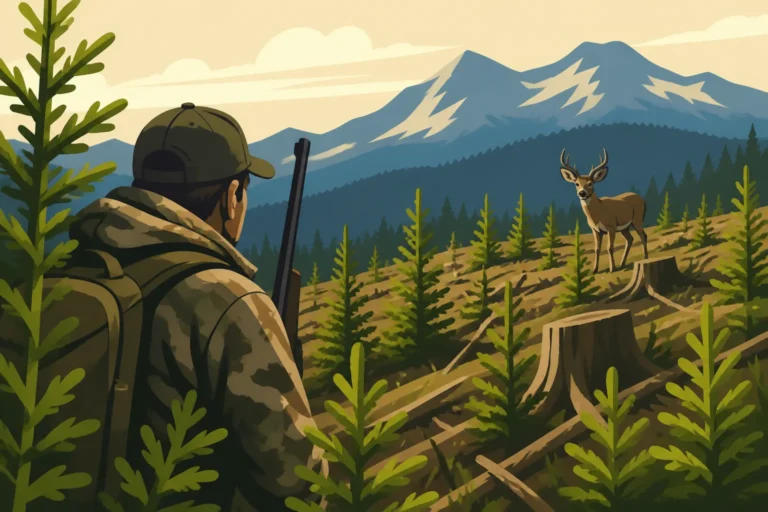
Beetle-killed pine stands in British Columbia offer hunting opportunities as ecosystems regenerate and provide new forage for wildlife.
Close the distance.
Archery, muzzleloader, and firearm techniques — calling, stand placement, still-hunting, spot-and-stalk, and the weapon rules that change at the state line.
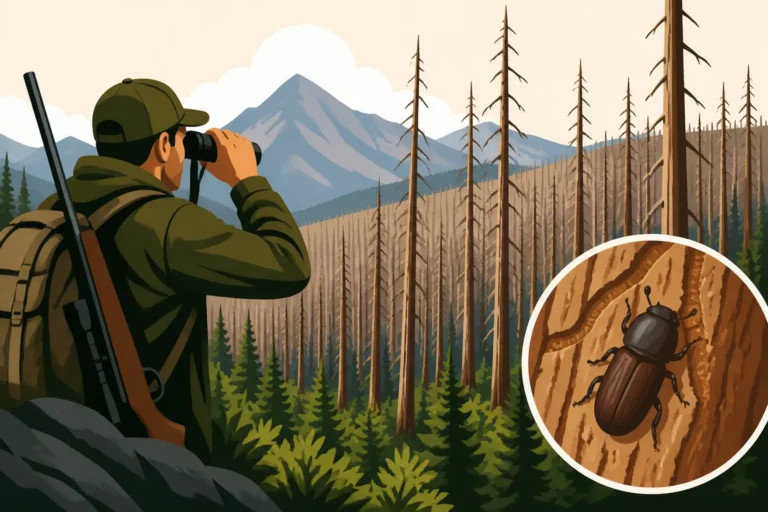
Beetle-killed pine stands in British Columbia offer hunting opportunities as ecosystems regenerate and provide new forage for wildlife.
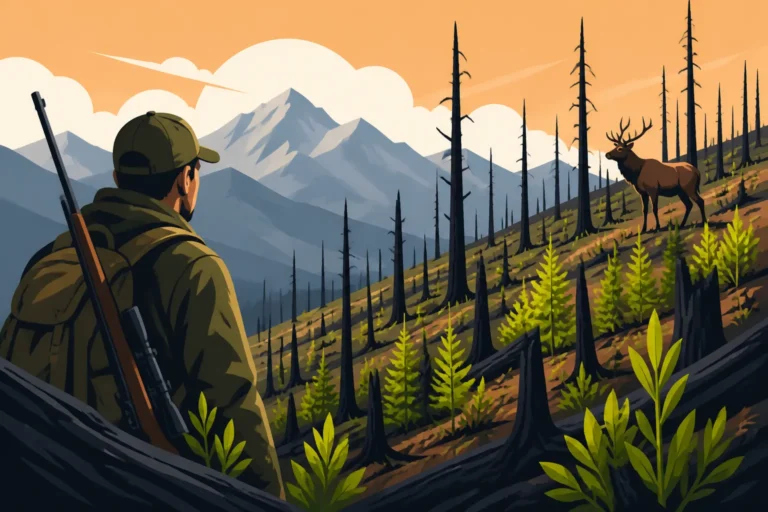
Hunting a burned slope in British Columbia two years post-fire explains how deer and moose utilize fresh deciduous growth for food.
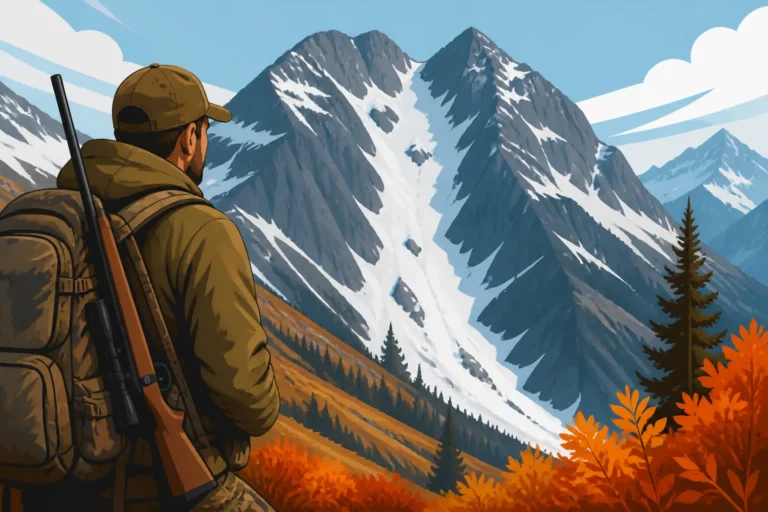
Early fall avalanche chutes in British Columbia provide abundant food and shelter for big game, offering prime hunting opportunities.

Subalpine basins in British Columbia provide prime feeding grounds and security cover for mule deer and elk during early morning hunts.
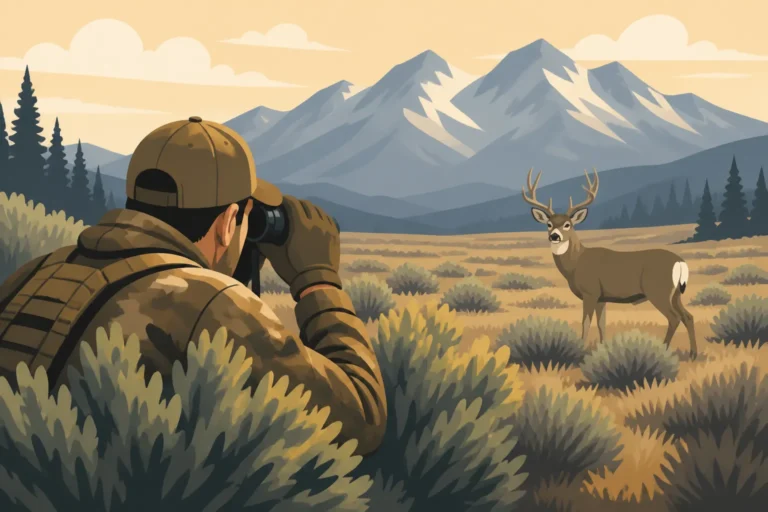
British Columbia sagebrush flats offer unique challenges for finding mule deer using seasonal patterns and glassing techniques.
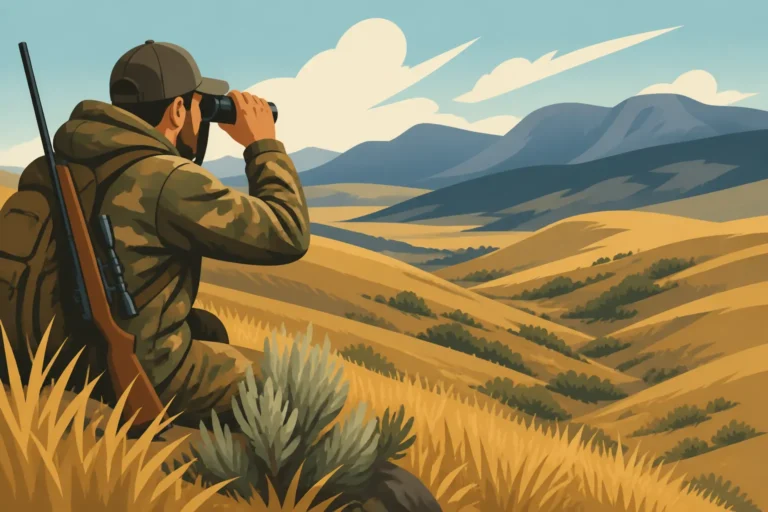
Okanagan grassland draws provide mule deer with critical cover and food, acting as vital survival corridors and bedding sanctuaries.
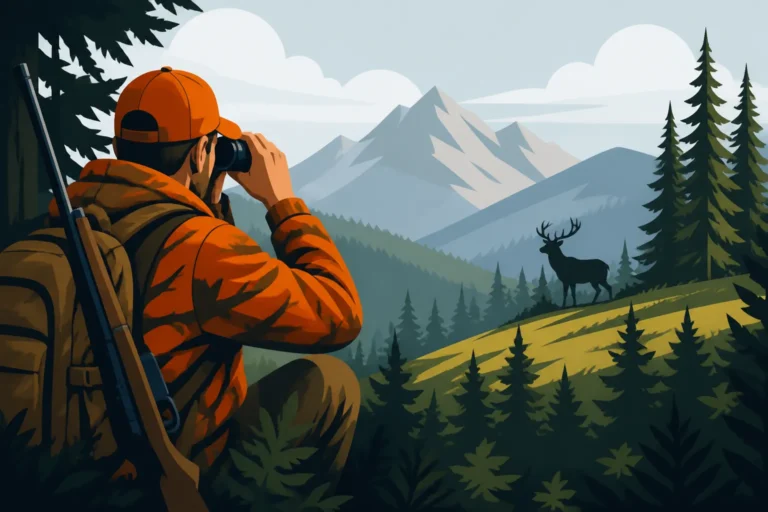
British Columbia interior Douglas fir benches provide thermal cover and food sources for mule deer, elk, and black bears.
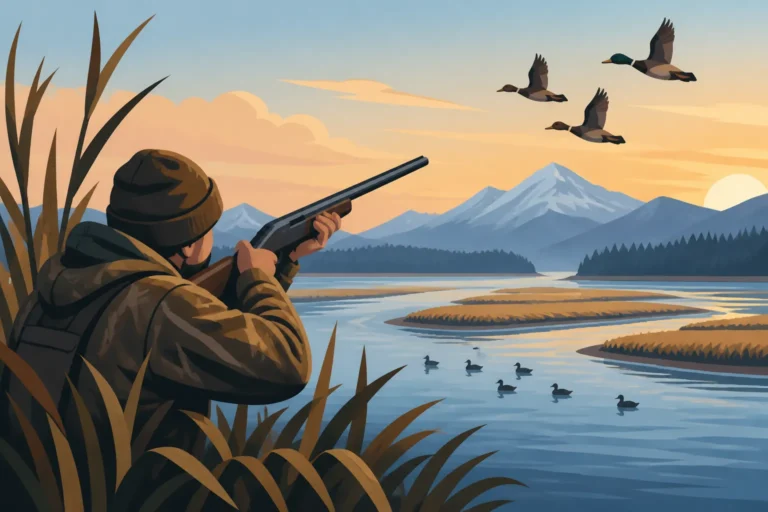
British Columbia river estuary hunting presents unique tidal and habitat challenges for hunters seeking waterfowl, deer, and bears.
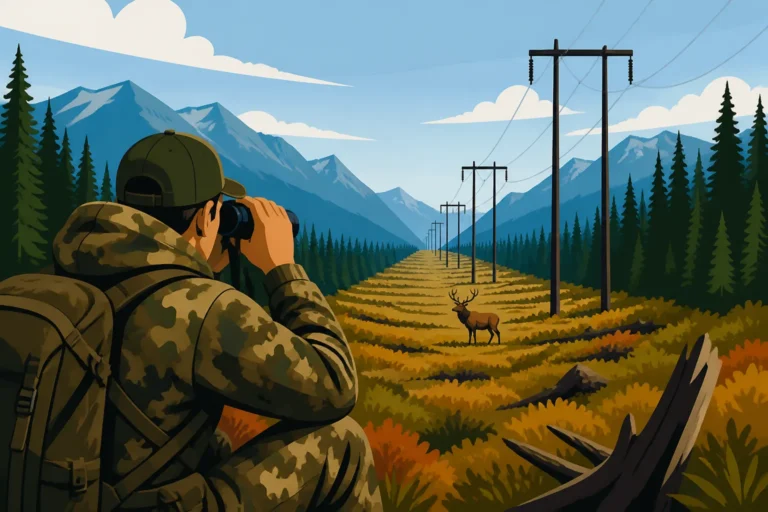
Cleared utility corridors in British Columbia offer hunters unique linear edges, permanent habitats, and consistent game movement patterns.
British Columbia third-year cutblocks provide deer, moose, and bear abundant forage and cover for successful hunters.