Where Chukar Live in the Dry Interior
If you've ever dreamt of chasing chukar in British Columbia, you've likely pictured rugged, arid landscapes where these feisty game birds thrive. But actually finding them in BC's vast, dry interior can feel like searching for a needle in a haystac k. It's tough, physical hunting, but the reward of a covey exploding from a rocky slope is unparalleled. This guide will walk you through precisely where these tenacious birds call home and how to zero in on their preferred habitats.
The Chukar's Preferred Playground: Why British Columbia's Dry Interior?
Chukar aren't native to British Columbia; they're an introduced species that has found a surprisingly perfect niche in some of the province's harshest, driest environments. Their natural range spans from southeastern Europe to central Asia, places renowned for their stark, mountainous, and incredibly dry conditions. When you look at the dry interior of British Columbia, you start to see why these birds have adapted so well. It’s a challenging environment, but one that rewards a specific kind of toughness.
A Brief History of the Chukar in British Columbia
Chukar partridge were first introduced to North America in the late 1800s, with various releases occurring across the continent throughout the 20th century. In British Columbia, introductions primarily focused on the dry, open country that mimicked their native steppes and rocky foothills. Unlike some introduced species that struggle to establish self-sustaining populations, chukar found the arid grasslands and canyon lands of BC's interior to be remarkably similar to their ancestral homes. They didn't just survive; they truly carved out a permanent residency. This history is important because it tells us a lot about what kind of habitat they need to thrive here – it's all about mimicking that original environment.
The Ideal Habitat Recipe
So, what exactly makes a piece of BC's dry interior prime chukar country? It boils down to a specific recipe of topography, climate, and vegetation. Think steep, rocky slopes, often with a south or west-facing aspect that catches plenty of sun. This ensures the ground is dry, warm, and relatively free of heavy snow in winter. The arid climate means sparse vegetation – not dense forests or lush meadows. Instead, you'll find sagebrush, bitterbrush, cheatgrass, and various bunchgrasses that offer both cover and food. These plants are tough, just like the chukar. Elevations can vary, but generally, you'll find them in the foothills and lower mountain slopes, avoiding the deep valley bottoms where agriculture might be too intensive, and the high alpine where the snow lingers too long. And critically, they need water. Even in dry country, a nearby seep, spring, or small pond is non-negotiable for chukar survival. Without it, even perfect terrain won't hold birds.
Pinpointing Chukar Hotbeds: Specific Regions in British Columbia
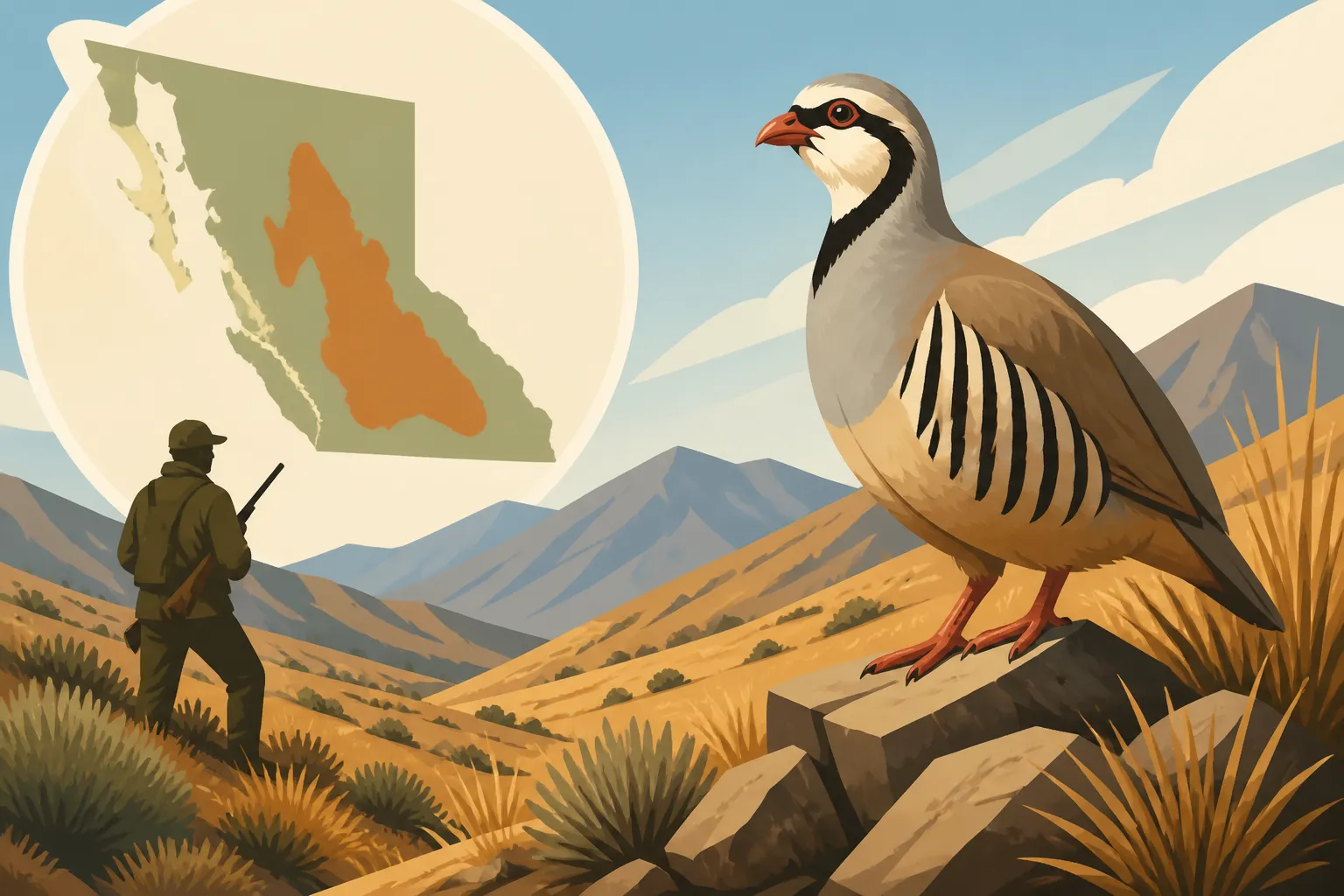
While "dry interior" covers a large swath of British Columbia, not all of it is chukar paradise. These birds are particular, and their populations tend to concentrate in specific regions that offer the right blend of their preferred habitat components. If you're looking to hunt chukar, knowing these core areas is your first step to success.
The Okanagan Valley and Thompson Region
When most hunters think of chukar in British Columbia, their minds immediately go to the Okanagan Valley and the adjacent Thompson Region. These areas are characterized by vast expanses of sagebrush-dotted hills, deep canyons, and prominent basalt bluffs. The climate here is notoriously dry, with hot summers and relatively mild, open winters, which is exactly what chukar prefer. You'll often find them on steep, south-facing slopes overlooking the large lakes and rivers like the Okanagan Lake, the Thompson River, or even parts of the Similkameen. The ground is typically loose rock and gravel, perfect for their powerful legs to scramble up and down. Areas with patchy cheatgrass mixed with sagebrush offer both forage and escape cover. If you're using a tool like GoHunt to scout, look for those sharp elevation changes and rocky outcrops in these regions. Finding accessible public land can be a challenge here, but it's not impossible if you do your homework. These birds are experts at living where the going is tough for humans. You might even find yourself in an area that reminds you of Hunting a Sagebrush Flat for Mule Deer, though chukar prefer even steeper and rockier terrain.
The Kootenays and Boundary Country
Further east, in the Kootenays and Boundary Country, you'll also find some solid chukar populations, though perhaps less widespread than in the Okanagan. Here, the landscape takes on a slightly different flavour, but the core elements remain: dry, south-facing slopes, often within the rain shadow of larger mountain ranges. Look for specific drainages and river valleys that have significant areas of open, rocky ground and sparse timber. The Grand Forks and Osoyoos areas are good starting points, as are some of the lower benches along the Columbia River. These areas might see a bit more snowfall than the Okanagan, but critical chukar habitat will still shed snow quickly, keeping winter range accessible. Just like in other regions, water sources like small springs or creeks are magnets for chukar, especially in the late season.
Fraser Canyon and Other Arid Pockets
Don't overlook the dramatic landscapes of the Fraser Canyon. While it might not immediately come to mind for chukar, the steep, dry sidehills and rocky bluffs that plunge down to the Fraser River offer classic chukar habitat. The climate here is significantly drier than the coastal regions to the west, creating isolated pockets of arid conditions. Access can be challenging due to the rugged terrain and private land holdings, but for the adventurous hunter, these areas can hold surprising numbers of birds. Beyond these major regions, small, isolated populations might exist in other extremely arid pockets of the interior plateau where conditions happen to align, often tied to specific river breaks or dry coulees that mimic the larger hotbeds. It’s always worth checking your maps for similar terrain features, even in less obvious areas.
Here's a quick look at how these regions generally compare for chukar hunting:
| Region | Key Terrain Features | Primary Vegetation | Accessibility | Hunter Pressure |
|---|---|---|---|---|
| Okanagan Valley | Steep, rocky canyons, basalt bluffs, open hillsides | Sagebrush, cheatgrass | Moderate-Hard | High |
| Thompson Region | River breaks, dry benches, rolling sagebrush hills | Sagebrush, bunchgrass | Moderate | Medium |
| Kootenays / Boundary | South-facing slopes, specific river valleys, dry draws | Grasslands, sparse timber | Moderate-Hard | Medium |
| Fraser Canyon | Steep canyon walls, rocky sidehills, river proximity | Sagebrush, dry grasses | Hard | Low-Medium |
Decoding the Landscape: Finding Chukar Sign and Water Sources
Chukar hunting is less about stumbling upon birds and more about understanding their environment and knowing exactly where to look. These birds are masters of camouflage and escape, making reading the landscape your most critical skill.
Terrain Features to Scout
Chukar love elevation and ruggedness. They thrive on steep, rocky slopes, preferring ground that's too difficult for most predators (and hunters!) to navigate easily. When you're scouting, whether online with satellite imagery or with your boots on the ground, look for areas with significant vertical relief. Think sharp ridgelines that drop into deep draws, extensive rock slides, and exposed bluffs. They'll often use these features as escape routes, running uphill or across a slope at incredible speed before taking flight. South and west-facing slopes are particularly attractive because they warm up faster in the morning and offer more open ground free of snow. Consider how chukar would use the topography for both thermal regulation (basking in the sun) and evasion. A good mapping app like GoHunt can be invaluable here, letting you analyze contours and aspects long before you ever set foot in the field. This also helps in understanding Scouting a British Columbia Management Unit Online.
Key Vegetation Indicators
The vegetation in chukar country is rarely lush. Instead, you'll be looking for signs of arid, sparse plant life. Cheatgrass is a common indicator, often growing in disturbed areas or old burns, providing both feed and low cover. Sagebrush and bitterbrush are staples, offering denser cover patches within the open landscape. You might also find various bunchgrasses. The key is to look for a mosaic of these plants – not a dense monoculture. Too much thick timber or tall brush means it's likely too wet or too cold for chukar. They need open ground to run, but just enough low-lying vegetation to hide in when a hawk flies overhead or a hunter approaches. They're not forest birds; they're birds of the open, sun-baked hills.
The Allure of Water
This might be the single most critical factor in consistently finding chukar in British Columbia's dry interior. Chukar need water, especially during hot, dry periods. Even if the terrain looks perfect, if there isn't a reliable water source nearby, you're unlikely to find birds. Look for seeps, small springs, shaded creek bottoms (even if they're mostly dry), or stock ponds. These water sources often create a small oasis of slightly greener vegetation, which can also attract other game. Chukar will typically come to water in the early morning or late afternoon, and these spots can be prime locations to ambush birds or at least confirm their presence. In very dry areas, chukar might travel a considerable distance to a water source, so expanding your search outward from known water is a smart strategy. Don't forget that even in the toughest areas, animals need to drink, and chukar are no exception.
Visual and Auditory Cues
Beyond the habitat, look and listen for actual chukar sign. Their distinctive call, a loud "chuk-chuk-chukar," is unmistakable and can often be heard echoing through the canyons, especially at dawn and dusk. Learning to recognize this call will save you countless miles. On the ground, look for tracks in dusty areas near water or on game trails. Chukar tracks are similar to other game birds, but seeing several together suggests a covey. Droppings, which resemble small pellets, are another good indicator, often found in concentrated areas where birds roost or dust-bathe. Dust baths, shallow depressions in soft dirt where birds roll around to clean their feathers, are also a clear sign of recent activity. Keep an eye out for these subtle clues; they tell a story about where the birds have been and where they might be headed.
Strategies for Success: Hunting Chukar in Challenging Terrain
Hunting chukar in British Columbia's dry interior is one of the most physically demanding upland hunts you can undertake. These birds live in rugged country, and they're notoriously wary. Success isn't just about finding them; it's about being prepared and employing smart tactics.
Pre-Season Scouting and Mapping
Before you even tie your boots, dedicate significant time to pre-season scouting. Start with digital mapping tools. Platforms like GoHunt are invaluable for identifying promising habitat. You can layer satellite imagery with topographical maps, allowing you to pick out steep, south-facing slopes, rocky areas, and potential water sources. Look for subtle benches, draws, and ridgelines that might hold birds. Identify potential access points, whether they're old logging roads, game trails, or just areas where the terrain looks slightly less daunting. Pay close attention to public land boundaries, as chukar habitat often borders private property. This detailed online reconnaissance will narrow down your search areas immensely and give you a huge advantage before you hit the field. It’s similar to how one might go about Finding Open Forest Roads in British Columbia to access remote hunting grounds.
On-the-Ground Tactics
Once you're in chukar country, your strategy needs to be calculated. Chukar have an uncanny ability to run uphill faster than you can climb, so often, the best approach is to hunt up to them. Start at the bottom of a slope and work your way upwards, pushing the birds higher where they're more likely to flush rather than just run. Walk ridgelines, allowing your dog (if you have one) to work the slopes below you. When a covey flushes, mark where they land – chukar will often fly a short distance, land on a distant ridge, and immediately start running again. Patience is key. Sometimes, sitting quietly and listening for calls can reveal their location. Stealth is also important; these birds have exceptional eyesight and are quick to react to perceived threats. Think about how you would stalk a mule deer in open country; a similar cautious approach is needed for chukar. For instance, the same meticulous approach used for Hunting a Grassland Draw in the Okanagan can apply here, albeit in much steeper terrain.
Gear and Preparedness
This isn't a casual stroll. Chukar hunting demands peak physical condition and the right gear. Investing in high-quality, ankle-supporting boots with excellent traction is non-negotiable. You'll be traversing loose rock, steep grades, and uneven ground all day. Hydration is paramount in the dry interior; carry more water than you think you'll need. A good pair of binoculars will help you spot birds on distant slopes, saving you unnecessary climbs. A GPS device or a reliable mapping app like GoHunt on your phone (with downloaded offline maps) is crucial for navigation in often trackless terrain. Don't forget a first-aid kit, a whistle, and essentials for any backcountry travel. The remoteness and difficulty of the terrain mean that being self-sufficient and prepared for unexpected challenges, much like Emergency Planning in British Columbia's Backcountry, is critical. The rewards, however, are immense: the sheer beauty of the landscape, the intense challenge, and the delicious table fare make every strenuous step worthwhile.
Disclaimer
This article is for general informational purposes only and does not constitute professional advice. Laws, prices and regulations vary by location and change over time. Consult a qualified professional for guidance on your specific situation.