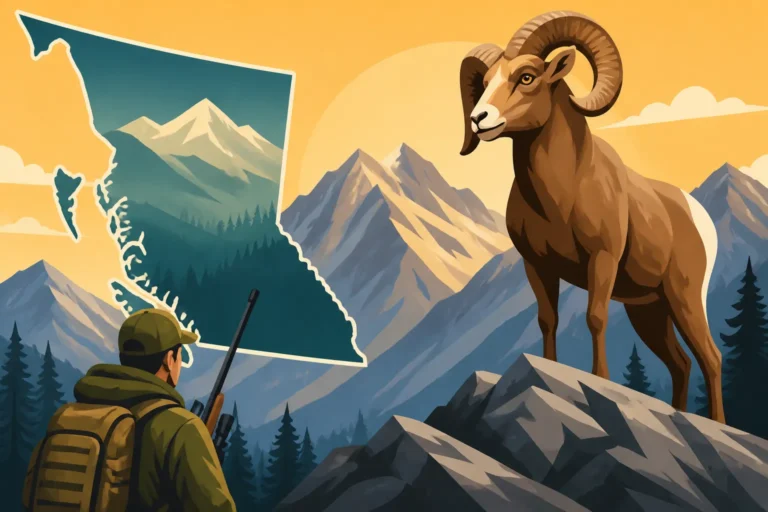
British Columbia’s Rocky Mountain Bighorns
Many hunters dream of the high peaks and the chance to chase British Columbia's iconic Rocky Mountain Bighorns, but figuring out where these magnificent animals live, understanding their complex seasons, and the sheer effort involved can be incredibly intimidating. The thought of navigating the rugged terrain, deciphering the draw odds, and planning a truly ethical mountain hunt often stops people before they even begin. This comprehensive guide is here to demystify the world of B.C.'s Rocky Mountain Bighorns, providing you with detailed insights into their biology, habitat, and the realities of pursuing them.
The Majestic Rocky Mountain Bighorn in British Columbia
Rocky Mountain Bighorn sheep (Ovis canadensis canadensis) are truly the embodiment of the wild, rugged landscapes they inhabit here in British Columbia. For many, just seeing these incredible animals with their massive, curled horns is a bucket-list experience. Their presence signifies healthy, undisturbed mountain ecosystems, and they serve as a powerful symbol of the challenges and rewards that come with exploring B.C.'s vast backcountry. Understanding these sheep starts with recognizing what makes them unique in our diverse province.
Distinguishing Features and Physical Traits
When you first lay eyes on a Rocky Mountain Bighorn, there's no mistaking it. These are robust animals, typically larger than many people expect, especially the rams. An adult ram can weigh anywhere from 200 to over 300 pounds, standing about three feet tall at the shoulder. Their coats are generally a beautiful chocolate brown, sometimes fading to a lighter, almost greyish-brown in winter, with a distinctive creamy white rump patch that acts like a beacon in their rocky domain. This light rump patch is often the first thing you'll spot on a distant hillside.
The most striking feature, of course, is the horns. Rams sport heavy, spiralling horns that curl back, down, and then forward, often forming a "full curl" or more with age. These horns are permanent structures, growing throughout the ram's life, with annual growth rings (annuli) that can be used to estimate their age. Ewes also have horns, but theirs are much shorter, lighter, and more slender, usually just slightly curved daggers. Their powerful legs and specialized hooves, which combine a hard outer rim with a soft, grippy inner pad, allow them to navigate incredibly steep and treacherous terrain with remarkable agility, often leaving hunters breathless trying to keep up.
Bighorns Versus Other BC Sheep Species
British Columbia is a truly special place, being home to not one, but three distinct species of wild sheep: the Rocky Mountain Bighorn, the California Bighorn, and the Stone's Sheep. While all are incredible animals that capture the imagination of mountain hunters, there are clear differences that help distinguish them in the field. Rocky Mountain Bighorns are generally larger and darker than their California Bighorn cousins, though there is some overlap in range and appearance that can sometimes lead to confusion. The most reliable way to tell them apart, aside from their range which often dictates which species you're looking at, is the robustness of the horns. Rocky Mountain Bighorn rams tend to have thicker, more heavily ridged horns.
Then there's the magnificent Stone's Sheep, found much further north in the province. Stone's Sheep are part of the thinhorn sheep family, which also includes Dall's Sheep. They are typically lighter in body build and have horns that are less massive and more flared than bighorns, often a beautiful amber or dark grey color. The most obvious difference is their coat colour. Stone's Sheep range from a salt-and-pepper grey to almost black, with varying degrees of white on their rump, belly, and legs, a stark contrast to the uniform brown of the Rocky Mountain Bighorns. Understanding these distinctions is crucial not only for appreciating the biodiversity but also for complying with specific hunting regulations, as seasons and tags often differentiate between species. If you're planning a trip, familiarizing yourself with Telling a Bighorn From a Stone's Sheep can save you a lot of headache and ensure you're targeting the right animal.
Prime Habitat: Where Bighorns Thrive in British Columbia
To truly understand Rocky Mountain Bighorns, you need to immerse yourself in their world – the dramatic, vertical landscapes they call home. These aren't creatures of the deep forest or open prairie; they are masters of the high country, where the air is thin, and the terrain demands respect. Their habitat dictates their movements, their diet, and their very survival, making it crucial for anyone hoping to glimpse or hunt them.
Geographic Distribution and Key Ranges
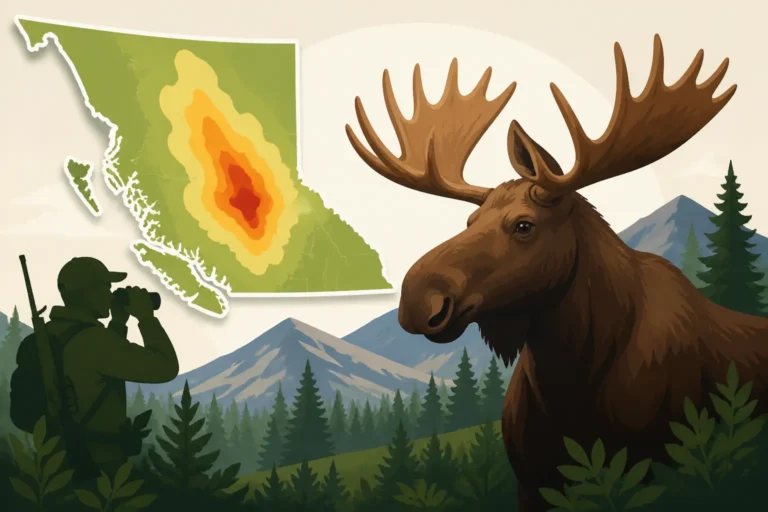
In British Columbia, Rocky Mountain Bighorns are predominantly found in the southeastern and central parts of the province, primarily concentrated in the Rocky Mountain Trench and surrounding ranges. Think of areas like the East Kootenay region, stretching from the US border north towards Cranbrook, Kimberley, and Radium Hot Springs, and even into parts of the Elk Valley and Flathead Drainage. This region offers the perfect mix of steep, rocky slopes for escape terrain, interspersed with grassy benches and alpine meadows for foraging. Historically, their range extended more broadly, but populations have fragmented over time.
You'll also find some pockets further west in the Okanagan and Similkameen valleys, where they overlap with California Bighorns, but the true strongholds of the Rocky Mountain Bighorns remain firmly rooted in the eastern mountains. These areas are characterized by dry, open forests of Douglas fir and ponderosa pine at lower elevations, transitioning to alpine tundra and exposed rock at higher altitudes. Knowing these core areas is the first step in locating viable sheep populations and understanding the British Columbia's Management Units and Regions where you might find them.
Preferred Terrain and Seasonal Movements
Bighorns are obligate grazers, meaning grass forms the cornerstone of their diet. They need open, expansive areas to feed, but these feeding grounds must always be in close proximity to steep, broken escape terrain. This combination of forage and security is non-negotiable for their survival against predators like wolves, cougars, and even grizzly bears. You'll often find them on south-facing slopes, which tend to melt out earlier in the spring, providing crucial green-up, and remain snow-free longer in the fall, extending their foraging season.
Their seasonal movements are driven primarily by food availability and predator avoidance. In spring, as the snow recedes, they'll follow the green growth up the mountainsides, spending the summer months in high alpine meadows. As autumn approaches and snow begins to fall at higher elevations, they'll typically descend to lower, south-facing slopes where forage is still accessible. However, they rarely stray far from their preferred escape cover. During the rut, which typically occurs from October through December, rams can become quite active, moving between ewe groups and challenging rivals, often making them more visible. Understanding these patterns is key to scouting and hunting success, as you need to be where they need to be. Knowing how to effectively use tools like GoHunt can provide invaluable insights into historical animal movements within specific management units, helping you predict where sheep might be at different times of the year.
Life on the Ledge: Biology and Behaviour of Bighorns
The life of a Rocky Mountain Bighorn is a testament to resilience, adaptation, and an intricate social structure forged in the crucible of mountain survival. From their herd dynamics to their reproductive cycles, every aspect of their biology is finely tuned to the demanding environment they call home. These aren't just animals; they are complex beings with fascinating behaviours that reflect their ancient lineage.
Social Structures and Herd Dynamics
Bighorns are highly social animals, though their social structures vary by sex and age. Ewes and their lambs, along with yearlings and some younger rams, typically form nursery herds. These herds are highly cohesive, with older ewes often leading the group and providing protection for the younger members. This group dynamic offers safety in numbers, as more eyes and ears are available to spot danger, and the herd can react collectively to threats.
Rams, on the other hand, often form bachelor herds. These groups of rams, particularly the older, larger individuals, tend to be less cohesive than ewe herds and will typically occupy higher, more rugged terrain for much of the year, only joining the ewes during the rut. Within ram herds, a strict dominance hierarchy is established through a series of head-butting clashes, especially prominent leading up to and during the breeding season. These spectacular displays, often heard echoing through the valleys, determine breeding rights and ensure only the strongest genes are passed on. As a hunter, observing these social dynamics can give you clues about the health of the herd and the presence of mature rams.
Diet, Reproduction, and Survival Strategies
Rocky Mountain Bighorns are true herbivores, primarily grazing on grasses, forbs, and sedges. Their digestive systems are highly efficient at extracting nutrients from tough, fibrous plant material, allowing them to thrive in areas where other species might struggle. In winter, when fresh forage is scarce, they will browse on shrubs and even lichen, adapting their diet to whatever is available. Access to mineral licks, rich in essential nutrients, is also critical for their health and horn growth.
Reproduction is a crucial annual event, usually peaking in late fall or early winter (the rut, as mentioned earlier). Rams will fiercely compete for breeding access to ewes, leading to the spectacular head-butting contests. After a gestation period of about 180 days, ewes typically give birth to a single lamb in late spring, usually in May or June. Lambing occurs in isolated, precipitous areas, often on cliffs or steep rock faces, providing maximum protection from predators. The lambs are incredibly precocial, able to stand and follow their mothers within hours of birth, a vital adaptation for survival in their harsh world. The early weeks are critical, and the ability of the ewe to find high-quality forage directly impacts the lamb's survival rate. What a Hard Winter Does to Sheep is a stark reminder of the challenges these animals face; prolonged periods of deep snow and limited forage can severely impact lamb survival and overall herd health.
Conservation Efforts and Population Health
The story of Rocky Mountain Bighorns in British Columbia, like many wild ungulates, is one of historic decline and ongoing recovery efforts. They are sentinel species, indicators of the health of our mountain ecosystems, and their well-being is a concern for conservationists and hunters alike. Understanding the challenges they face and the efforts being made to protect them is crucial for their long-term survival.
Historical Declines and Recovery Efforts
At the turn of the 20th century, Rocky Mountain Bighorn populations across North America, including in British Columbia, faced severe declines. This was primarily due to uncontrolled market hunting, habitat loss, and perhaps most devastatingly, diseases transmitted from domestic sheep. Bighorns have very little natural immunity to pathogens like Mycoplasma ovipneumoniae (M. ovi), which can cause catastrophic pneumonia outbreaks in wild sheep populations, leading to high mortality rates, especially among lambs.
Thankfully, extensive conservation efforts, largely funded by hunter-conservationists, have helped bring bighorns back from the brink. Habitat protection, translocation projects moving sheep into historical ranges, and strict hunting regulations have all played a part. In British Columbia, these efforts have focused on maintaining viable populations, managing disease risks, and ensuring connectivity between herds. Organizations like the Wild Sheep Foundation and local conservation groups are instrumental in raising funds and executing on-the-ground projects, often working closely with government agencies to monitor populations and identify critical habitats.
Current Challenges Facing Bighorn Populations
Despite these successes, Rocky Mountain Bighorns in British Columbia continue to face significant challenges. Habitat fragmentation due to human development, logging, and infrastructure projects remains a persistent threat, isolating herds and limiting their genetic diversity. The encroachment of domestic sheep into bighorn range continues to pose a major disease risk; even brief contact can decimate a bighorn herd. Climate change also plays a role, with altered weather patterns affecting forage availability and increasing the frequency of extreme weather events that can impact lamb survival.
Predation is a natural part of the ecosystem, but in some areas, particularly where bighorn populations are stressed by other factors, high predator numbers can hinder recovery. Wildlife managers must constantly balance these complex factors. Monitoring programs, often supported by telemetry collars and aerial surveys, are vital for understanding herd health, identifying threats, and guiding management decisions. It's a continuous, dynamic process, and even with the best intentions, maintaining healthy, robust bighorn populations in the face of a changing landscape is a monumental task. The Why Goat Populations Are Sensitive post, though about goats, highlights similar vulnerabilities that apply to sheep regarding habitat disturbance and environmental changes.
Navigating British Columbia's Bighorn Hunting Landscape
For many, a British Columbia bighorn sheep hunt is the ultimate challenge and a lifetime aspiration. It's not just about the harvest; it's about the journey, the physical and mental demands, and the sheer wilderness experience. But before you even lace up your boots, you need to understand the highly regulated and complex process of hunting these animals in British Columbia.
Limited Entry Hunting (LEH) and Application Strategy
Hunting Rocky Mountain Bighorns in British Columbia is almost exclusively managed through a Limited Entry Hunting (LEH) draw system. This means you can't just buy an over-the-counter tag and go hunting; you must apply for a specific hunt in a specific Management Unit (MU) during a designated application period. The number of tags available each year is extremely limited, often just one or two tags for an entire large MU, making the odds of drawing a tag incredibly low. This scarcity is a direct reflection of the desire to manage populations sustainably and provide a high-quality, wilderness hunting experience.
The LEH application period typically runs from late April to late May each year, with results usually released in June. Many hunters will accumulate "points" over years of applying without success, which can slightly increase their odds in subsequent draws, though it's never a guarantee. It's a game of patience and perseverance. Before applying, serious hunters meticulously research historical draw odds, population trends, and accessible MUs. Resources like GoHunt can be invaluable for analyzing draw data, understanding success rates, and identifying potential hunt units based on past results. Furthermore, familiarizing yourself with How British Columbia's LEH System Works and Reading LEH Odds Before You Apply is essential for developing a strategic application.
Gear, Tactics, and Ethical Considerations for the Hunt
Once you've beaten the odds and drawn that coveted tag, the real planning begins. A Rocky Mountain Bighorn hunt is arguably one of the most physically demanding hunts in British Columbia, requiring peak physical fitness and mental fortitude. You'll be climbing thousands of feet in elevation, often with heavy packs, over loose scree, treacherous rock, and through alpine basins. Your gear needs to be top-notch: a quality backpack, sturdy mountain boots, layered clothing for variable alpine weather, a reliable spotter and binoculars, and an accurate rifle capable of ethical long-range shots are all non-negotiable.
Tactically, it's a spot-and-stalk game. Hunters spend countless hours glassing expansive landscapes, often using high-power optics to pick apart distant slopes for any sign of sheep. Once located, an often arduous stalk begins, navigating difficult terrain to get into a shooting position. This is where patience, stealth, and a deep understanding of sheep behaviour come into play. Glassing an Alpine Basin for Rams is a skill that takes years to master, but it's fundamental to sheep hunting.
Ethical considerations are paramount. Given the rarity of a tag and the challenges involved, ensuring a clean, humane harvest is critical. This means extensive shooting practice in field conditions, knowing your limits, and being prepared for a potentially difficult pack-out. It's also vital to understand and respect British Columbia's specific regulations regarding horn curl and age, as judging a ram for legal harvest requires a keen eye and experience. Check out Judging a Full-Curl Ram in the Field to understand these requirements. This is truly a hunt where the journey and the challenge are as significant as the outcome.
The Unforgettable Experience of a Bighorn Hunt
Beyond the technicalities and the regulations, a Rocky Mountain Bighorn hunt in British Columbia offers an experience that transcends mere hunting. It's a profound immersion in the wild, a test of character, and a deep connection with some of the most awe-inspiring landscapes on earth. This isn't just a pursuit of an animal; it's a journey into yourself and the untamed heart of the mountains.
Physical and Mental Demands of Sheep Hunting
Let's be brutally honest: sheep hunting is hard. It's not for the faint of heart or the out of shape. The physical demands are immense – long days of strenuous climbing, often at high altitudes, carrying heavy packs loaded with optics, water, and emergency gear. You'll navigate boulder fields, slippery scree slopes, and endure rapid weather changes from baking sun to sudden snow squalls. Your legs will burn, your lungs will ache, and every muscle will protest.
But the mental demands are arguably even greater. The sheer patience required to glass for hours, day after day, often seeing nothing but rocks, can be soul-crushing. The disappointment of a blown stalk after an all-day climb, or the challenge of making critical decisions under extreme fatigue, tests your resolve. You need resilience, a stubborn refusal to give up, and the mental toughness to push through discomfort and doubt. Many seasoned hunters will tell you that a sheep hunt breaks you down and builds you back up, revealing strengths you didn't know you possessed. Proper preparation, including months of rigorous training and scouting, is essential. For those considering this adventure, reading up on Backpack Hunting British Columbia's Sheep Country can provide valuable insights into what to expect and how to prepare.
The Reward Beyond the Harvest
While the goal is ultimately to harvest a magnificent ram, the true reward of a British Columbia bighorn hunt extends far beyond the actual kill. It's in the breathtaking sunrises over jagged peaks, the crisp, clean alpine air filling your lungs, and the profound silence of true wilderness. It's in the camaraderie shared with hunting partners, pushing each other to new limits, and the stories forged through shared hardship and triumph.
Even if you don't fill your tag, the experience of having immersed yourself in the bighorn's domain, of having matched wits and endurance with the mountains themselves, is an accomplishment in its own right. It's an opportunity to witness incredible wildlife, to test your limits, and to forge an unbreakable bond with the wild places that British Columbia is so famous for. The lessons learned, the views observed, and the character built will stay with you long after the pack is lightened and the boots are put away. It’s an adventure that leaves an indelible mark on your soul, reminding you of the raw beauty and unforgiving nature of our province's high country.
Rocky Mountain Bighorn Hunt Overview
To give you a clearer picture of what a typical Rocky Mountain Bighorn hunt in British Columbia might entail, here's a brief overview. Keep in mind that specific details can vary greatly depending on the management unit, weather, and individual hunt plan.
| Aspect of Hunt | Description |
|---|---|
| Season Dates | Generally late August through mid-October, but specific dates vary by LEH zone. Always consult the current British Columbia Hunting Regulations Synopsis. |
| Access | Primarily foot access, often requiring multi-day backpack trips into remote, rugged terrain. Some areas may have limited ATV or horse access to trailheads, but the majority of hunting is done on foot in the high country. Horseback Hunting British Columbia's Backcountry can be an option for initial access in some regions. |
| Average Success Rate | Very low for resident LEH draws, typically in the single digits (e.g., 1-5%). Guided non-resident hunts might have slightly higher rates due to experience and resources, but bighorns remain one of the most challenging animals to harvest. |
| Physical Demands | Extremely High. Requires excellent cardiovascular fitness, strength, and endurance for climbing steep ascents with heavy packs. Months of prior physical training are essential. |
| Key Equipment | High-quality optics (spotting scope 60-80x, binoculars 10-15x), durable mountain boots, layered clothing (rain gear is vital), lightweight backpack, GPS/satellite communication device, accurate rifle (.270, 7mm, .300 magnums are popular), trekking poles, sufficient food and water. |
| Hunting Strategy | Predominantly spot-and-stalk. Long hours of glassing from vantage points, followed by strategic and often grueling stalks to get within ethical shooting range. |
| Average Cost | For residents, mostly tag fees and personal gear costs. For non-residents, a fully guided hunt can range from $30,000 – $60,000+ USD, making it one of the most expensive hunts available. Don't forget the costs for British Columbia's Species Licences and Tags and potentially travel. |
| Trophy Quality | British Columbia is renowned for producing exceptional Rocky Mountain Bighorn rams, with genetics to grow massive horns. However, trophy quality is secondary to the overall experience for many hunters. The Why British Columbia Ranks for Sheep Records article explains more about the province's reputation for record sheep. |
Disclaimer
The information provided in this guide is for general informational purposes only and is not intended as legal or professional advice. Hunting regulations in British Columbia are complex and subject to change. It is the responsibility of every hunter to consult the most current British Columbia Hunting and Trapping Regulations Synopsis, available from the provincial government, before planning or undertaking any hunting activity. Always prioritize safety, ethical hunting practices, and respect for wildlife and the environment.