British Columbia’s California Bighorn Range
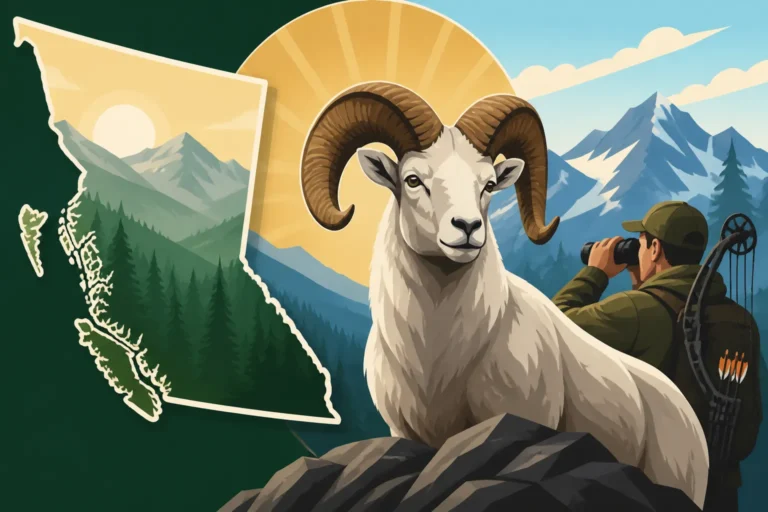
There's something truly majestic about bighorn sheep, isn't there? That impressive curl, that sheer tenacity to thrive in some of the most unforgiving landscapes – but finding them, especially the elusive California bighorns in British Columbia, can feel like searching for a needle in a haystack. Many hunters struggle to pinpoint exactly where these incredible animals thrive, often wasting precious time in less productive areas. This guide is dedicated to pulling back the curtain on the specific ranges where British Columbia's California bighorns make their home, helping you understand their preferred habitat and increase your chances of a meaningful experience.
Unpacking British Columbia's California Bighorn Heartland
When we talk about California bighorn sheep in British Columbia, we're really focusing on a few distinct, often rugged, pockets where these magnificent animals have managed to hold their own. Unlike the Rocky Mountain bighorns that frequent the eastern slopes, California bighorns are predominantly found in the drier, more arid interior regions, often associated with specific river breaks and grasslands. For hunters and wildlife enthusiasts alike, understanding these core areas is the first step toward appreciating their unique ecology and planning a potential hunt. It's not just about pointing to a dot on a map; it's about understanding the entire ecosystem that supports them.
The Iconic Fraser Canyon and Surrounding Breaks
Perhaps the most famous stronghold for California bighorns in British Columbia is the dramatic Fraser Canyon. This isn't just a scenic drive; it's a critical, specialized habitat. The sheep here cling to the steep, sun-drenched slopes and rocky outcrops overlooking the Fraser River, particularly from just north of Hope all the way up past Lytton and Lillooet. The canyon walls provide natural escape terrain from predators, while the sparse vegetation on the benches and draws offers crucial forage. This is a landscape of extremes, with scorching summers and sometimes surprisingly mild, open winters on those south-facing aspects.
These sheep are masters of navigating incredibly precipitous terrain. You'll often find them on slopes that would make a mountain goat pause, using every small ledge and scrubby bush for footing and cover. Their coloration blends perfectly with the grey-brown rock and sun-bleached grass, making them incredibly difficult to spot even with good optics. Hunters often spend days glassing these vast, broken landscapes, trying to pick out the subtle movement or the tell-tale gleam of a ram's horn against the rock. Access to these areas can be tricky, often involving navigating a mix of active and deactivated logging roads, or even more remote hike-in routes off major highways. Scouting tools like GoHunt can be invaluable here for identifying potential access points and understanding the topography before you even set foot on the ground.
The Okanagan, Similkameen, and Thompson Valleys
Moving east from the Fraser Canyon, the dry Interior Plateau continues to offer pockets of suitable habitat for California bighorns. The Okanagan Valley, particularly its steep, dry benches and bluffs overlooking Okanagan Lake and its tributaries, is another key area. Similarly, the Similkameen Valley, with its sagebrush flats giving way to steep, rocky hillsides, supports healthy populations. The Thompson River drainage, linking the Fraser Canyon to the Kamloops area, also boasts significant bighorn presence, especially in the canyons and breaks where the river has carved through the landscape.
These valleys share similar characteristics with the Fraser Canyon: low annual precipitation, south-facing slopes that melt off snow quickly, and a mosaic of open grasslands, sagebrush steppe, and sparse ponderosa pine or Douglas fir stands. This open country allows the sheep to spot predators from a distance, while the broken terrain offers immediate refuge. In these regions, a keen eye and powerful binoculars are your best friends. Understanding Glassing an Interior Hillside for Mule Deer can often translate to spotting bighorns in similar, albeit steeper, environments. The challenge here is often finding undisturbed areas, as many of these valleys also have significant human settlement and agricultural activity. Identifying public land and understanding access is paramount.
The Chilcotin Plateau and Cariboo Region
Further north and west, into the sprawling Chilcotin Plateau and parts of the Cariboo Region, you'll find more isolated, yet significant, populations of California bighorn sheep. These areas are generally higher in elevation than the valley bottoms, but they maintain the characteristic dry, open character that these sheep prefer. Think rolling grasslands, scattered timber, and deeply incised river canyons like those of the Chilcotin and Chilko rivers. While perhaps not as densely populated as the Fraser Canyon, these regions offer a sense of remote wilderness that appeals to many hunters.
The sheep here often move across larger tracts of land, making them even more challenging to locate. Their winter ranges are typically lower-elevation, snow-free slopes, while summer sees them spreading out into higher country. For a hunter, this means covering a lot of ground and being prepared for extended periods in true backcountry. Horseback Hunting British Columbia's Backcountry is often a viable method for covering the vast distances required to access prime sheep country in these remote areas. Being self-sufficient and having excellent navigation skills are not just assets; they're necessities when hunting these more isolated herds.
Essential Habitat Characteristics for California Bighorns
Beyond just naming geographic areas, it’s crucial to understand why California bighorns choose these specific places. Their survival is intricately linked to a very particular set of environmental conditions that provide them with both sustenance and protection. It's a delicate balance of food, water, and escape terrain, all working together to create an ideal home.
Steep, Broken Terrain for Escape
The number one characteristic of California bighorn habitat is steep, broken terrain. We're talking cliffs, rocky bluffs, deep canyons, and steep, unconsolidated slopes. These features provide them with unparalleled escape cover from predators like cougars, wolves, and bears. They can scale and traverse ground that most predators simply cannot follow, giving them a vital edge in survival. This means that if you're looking for bighorns, you should be looking up and into the steepest, most rugged parts of the landscape.
Imagine the view from a sheep's perspective: an expansive vista from a high ledge, allowing them to spot danger well before it approaches. When threatened, they simply drop into the safety of vertical rock faces. This reliance on escape terrain also dictates their movements; they rarely stray far from these safe havens. Hunters often find themselves navigating similar treacherous ground, making physical fitness and appropriate gear, like sturdy boots and trekking poles, absolutely non-negotiable. It’s not just a preference; it's a fundamental survival strategy that defines their range.
Arid Grasslands and Sagebrush Steppe for Forage
While the steep terrain provides safety, the adjacent grasslands and sagebrush steppe provide the necessary groceries. California bighorns are primarily grazers, preferring grasses and forbs, though they will browse on shrubs like sagebrush, bitterbrush, and serviceberry, especially during leaner times or in winter. These dry interior environments, with their relatively sparse tree cover, allow sunlight to reach the ground, fostering a rich diversity of nutritious forage.
The quality and availability of forage can fluctuate significantly with rainfall and seasonal changes. Drought conditions can stress these populations, as can overgrazing by domestic livestock in some areas. When you're scouting, look for evidence of grazing – clipped grasses, sheep droppings, and rubbed horns on small bushes. The balance between open grazing areas and proximity to escape cover is key. You'll often find sheep feeding on lower benches and then retreating to the higher, rockier areas to bed down or escape the mid-day sun. Understanding What British Columbia Elk Eat Through Winter or What Mule Deer Eat in the Dry Interior gives you a sense of the broader ecosystem, but remember that sheep are more specialized grazers.
South-Facing Slopes for Winter Survival
During British Columbia's winters, snow can be a major challenge for many species. California bighorns, however, often rely on south-facing slopes. These aspects receive the most direct sunlight, meaning snow melts faster, exposing critical forage sooner. This is particularly important for ewes and lambs, who need accessible nutrition to maintain condition through the harsh months. These sun-exposed slopes can act as natural snow-shedders, providing consistent access to food even when north-facing slopes are buried deep.
This preference for south-facing slopes can significantly compress their winter range, making these areas vital for their survival. Hunters planning late-season or early-season hunts should pay close attention to these areas, understanding that sheep might be concentrating there. However, it also makes them more vulnerable to disturbance. Responsible hunting practices and respect for their winter refugia are paramount to ensuring healthy populations. Being aware of What a Hard Winter Does to Sheep helps frame the importance of these specific wintering areas.
Conservation, Management, and Hunting Opportunities
The presence of California bighorns in British Columbia is a conservation success story in many ways, but it’s an ongoing effort. Understanding the management strategies and how they influence hunting opportunities is crucial for anyone interested in these remarkable animals. It’s not a free-for-all; it’s a carefully managed resource, and rightly so.
Limited Entry Hunting (LEH) for Bighorns
Hunting for California bighorns in British Columbia is exclusively managed through the Limited Entry Hunting (LEH) system. This means you cannot simply buy a tag over the counter and go hunt them in a general open season. Instead, you must apply for a specific LEH draw, typically in the spring, for specific Management Units (MUs) that have a bighorn quota. This system is designed to control hunter numbers and harvest pressure, ensuring that populations remain healthy and sustainable.
The odds of drawing a California bighorn tag can be quite long, reflecting the limited number of tags available and the high demand. Many hunters accumulate "points" over years of applying, hoping their luck will eventually turn. This makes every drawn tag incredibly precious. Understanding How British Columbia's LEH System Works and Reading LEH Odds Before You Apply is fundamental if you aspire to hunt these sheep. While it can be frustrating to apply year after year without success, this restrictive approach is precisely what allows these populations to thrive and offers a high-quality hunting experience for those who do draw.
| Region/Valley | Primary Habitat Type | Key Features for Sheep | Hunting Access Considerations |
|---|---|---|---|
| Fraser Canyon | Steep, arid canyon slopes, sagebrush | Vertical escape terrain, low snowpack | Mix of road access (FSRs) and hike-in |
| Okanagan/Similkameen | Dry benches, rocky bluffs, grasslands | South-facing winter range, good forage | Close to settlements, need to find public land |
| Thompson Valleys | River breaks, dry hillsides, grasslands | Steep cliffs, diverse forage | Good road network, but can be busy |
| Chilcotin/Cariboo | Rolling grasslands, deep river canyons | Remote, expansive summer/winter ranges | Often requires extensive backcountry travel |
Threats and Conservation Efforts
California bighorns face several threats, including habitat loss due to human development, disease transmission from domestic sheep, and predation. They are also sensitive to severe winters and drought, which can impact forage availability and overall herd health. Consequently, conservation efforts are ongoing, focusing on habitat protection, disease monitoring, and careful population management. This often includes limiting disturbance in key wintering areas and monitoring herd demographics closely.
The province regularly reviews population data and habitat conditions to set LEH quotas. This proactive approach ensures that hunting remains a sustainable activity, contributing to conservation funding through licence sales and fees. Organizations like the Wild Sheep Society of BC also play a critical role, undertaking projects like habitat enhancement, transplanting sheep to augment smaller herds, and advocating for bighorn interests. For a deeper dive into the species, checking out British Columbia's California Bighorns can provide additional context on these amazing animals. Hunters are often some of the most dedicated conservationists, understanding that their privilege to hunt is tied directly to the health of the species.
Distinguishing from Rocky Mountain Bighorns
While our focus is on California bighorns, it's worth a quick mention that British Columbia also hosts Rocky Mountain bighorns. They are distinct subspecies, though both are impressive. Rocky Mountain bighorns are found primarily in the southeastern part of the province, in the Rocky Mountain Trench and surrounding ranges, like the East Kootenays. Their habitat tends to be higher elevation and more forested than that of the California bighorns, often associated with alpine and subalpine environments, though they also utilize steep rocky terrain.
Visually, there are subtle differences in horn shape and body size, though it can be hard to tell them apart in the field without a trained eye or good comparative photos. The key distinction for hunters, however, is geographical range. If you're hunting in the Fraser Canyon or Okanagan, you're looking for California bighorns. If you're in the Kootenays, it's Rocky Mountain bighorns. Understanding these geographic separations is crucial for correct species identification and adhering to the specific regulations for each. For a broader overview, British Columbia's Wild Sheep and Where They Live is an excellent resource.
Navigating the landscape of British Columbia in pursuit of the California bighorn is more than just a hunt; it's an immersive experience into some of the province's most dramatic and challenging ecosystems. By understanding their specific range, habitat preferences, and the conservation efforts protecting them, hunters can approach these majestic animals with the respect and knowledge they deserve. Tools like GoHunt can certainly help with the planning, but ultimately, it's your boots on the ground, your patient glassing, and your dedication to responsible hunting that will define your journey in California bighorn country.
Disclaimer
This article is for general informational purposes only and does not constitute professional advice. Laws, prices and regulations vary by location and change over time. Consult a qualified professional for guidance on your specific situation.