British Columbia Bear Season Dates
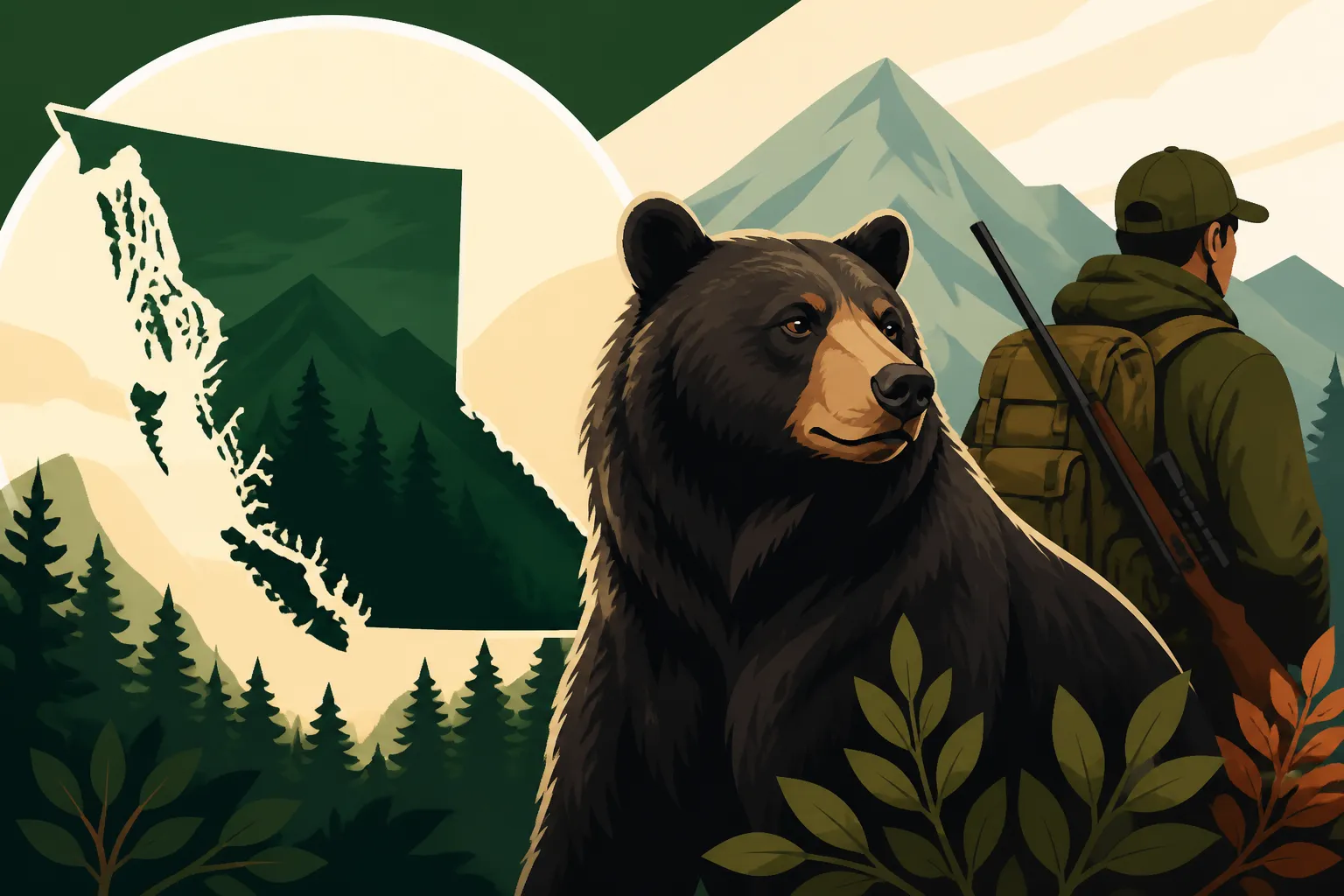
Trying to pin down the exact bear season dates in British Columbia can feel like an exercise in frustration. With a province as geographically diverse and expansive as ours, regulations aren't a one-size-fits-all deal. What might be open in the Kootenays could be entirely different on Vancouver Island, leaving many hunters scratching their heads and worried about inadvertently breaking a rule. This comprehensive guide aims to demystify British Columbia's black bear hunting seasons, breaking down the regional variations, important regulations, and how to find the most current, accurate information so you can plan your hunt with clarity and confidence.
Understanding the British Columbia Black Bear Seasons
British Columbia offers hunters some truly incredible opportunities for black bear, but it's crucial to understand that these opportunities are split into distinct seasons: spring and fall. Each has its own rhythm, challenges, and rewards, and the specific dates vary significantly depending on where you plan to hunt within the province. Black bears are found across nearly all of British Columbia, adapting to diverse habitats from coastal rainforests to interior drylands and northern boreal forests, making them one of our most accessible big game animals.
Spring Black Bear Hunting Opportunities
The spring bear hunt is often considered one of British Columbia's most exciting big game seasons. As the snow melts and the first green shoots emerge, bears are leaving their dens, hungry and often predictable. Typically, spring seasons open in April or May and can run through to June or even July in some northern management units. These dates are generally designed to coincide with bears emerging from hibernation and seeking out new growth and protein-rich food sources after months of fasting.
You'll often find bears grazing on fresh green grasses in avalanche chutes, along logging roads, or on south-facing slopes. This behavior makes them more visible and can lead to excellent spot-and-stalk opportunities. The challenge, however, can be the variable spring weather – one day it's glorious sunshine, the next it's a deluge of rain, especially on the coast. Understanding the nuances of British Columbia Black Bear Hunting British Columbia's Spring means being prepared for anything and knowing where bears will concentrate their feeding efforts. The window is relatively short but intense, offering a unique chance to target bears before they become more nocturnal and secretive in the heat of summer.
Fall Black Bear Seasons Across the Province
While spring gets a lot of attention, the fall black bear season is equally, if not more, popular for many resident hunters. These seasons usually open in late August or early September and can extend right through to November or even early December in some areas, overlapping with many other big game hunts. The start of the fall season often finds bears focusing on berry patches – huckleberries, cranberries, and saskatoons are all high on their menu – as they try to pack on as much weight as possible before winter.
As the season progresses and temperatures drop, bears transition to other food sources, including fallen apples in old orchards, acorns, and even scavenging for carrion. This is also a time when bears are actively breeding in some areas, adding another dynamic to their movement patterns. Hunting Fall Bears on British Columbia Berry Slopes can be incredibly productive, but it requires patience and often a good understanding of local food sources. The extended timeline of the fall season allows for more flexibility and combinations with other species, making it a favourite for many who are also pursuing deer or elk.
The Grizzly Bear Hunting Closure
It's absolutely critical to address the elephant in the room when discussing bear seasons in British Columbia: grizzly bears. As of 2017, grizzly bear hunting is entirely closed in British Columbia. This decision was made to ensure the long-term conservation of grizzly populations and reflect public values.
This means that while you may encounter a grizzly bear in the backcountry, it is strictly illegal to hunt them. Hunters must be able to accurately identify black bears from grizzly bears, a skill that is paramount for ethical and legal hunting in British Columbia. While we love to share the landscape with these magnificent animals, hunters need to be hyper-aware of their presence and avoid any situation that could lead to mistaken identity. For more details on the rationale and specifics, you can look into British Columbia's Grizzly Bear Closure.
Navigating Regional and Management Unit Variations
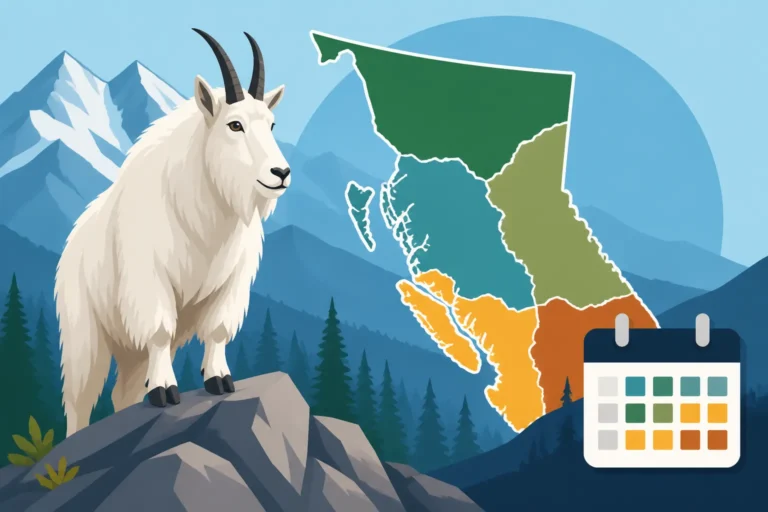
One of the biggest hurdles for hunters, especially those new to British Columbia, is understanding how dramatically bear season dates can change from one region or even one management unit (M.U.) to the next. British Columbia is divided into nine administrative regions, and within those, hundreds of smaller management units, each with its own specific regulations. It's not enough to know the general season for a region; you must drill down to the specific M.U. you intend to hunt.
Coastal Bear Seasons and Habitat
British Columbia's coast, stretching from the Lower Mainland up to the North Coast and encompassing Vancouver Island and the myriad of smaller islands, offers a unique black bear hunting experience. Here, seasons often open earlier in the spring (think late March to April) due to the milder climate, which brings out greenery sooner. Fall seasons on the coast also tend to be quite lengthy, often running into late November or early December.
Coastal bears, especially on Vancouver Island, are known for their size and often have a rich, dark coat. Their habitat is primarily dense temperate rainforest, clearcuts, and estuaries where they feed on sedges and salmon. Understanding How Coastal Rain Changes Animal Behaviour is crucial here, as bears often move to higher, drier ground during heavy downpours. Access can be a challenge, often requiring boats, float planes, or navigating extensive private forest lands with access gates. Hunters often find themselves hunting a British Columbia Island Clearcut Edge or Glassing for Bears on a Coastal Estuary in May.
Interior Plateau and Kootenay Bear Dates
The vast Interior Plateau, including the Cariboo, Thompson-Okanagan, and Kootenay regions, presents a completely different set of season dates and hunting environments. Spring seasons here often kick off a bit later than the coast, typically in May, and can run until mid-June. Fall seasons generally open in September and continue into October or early November, often coinciding with deer and elk seasons.
Bears in these regions use a mix of forested areas, open grasslands, and burned slopes. In the spring, they frequently target south-facing slopes, old burns, and riparian areas for new growth. Fall sees them moving through timbered areas, feeding on berries and other mast crops. Hunters in the Kootenays might find themselves hunting a Kootenay Creek Draw, while those in the Okanagan could be hunting a Sagebrush Flat for Mule Deer where bears also roam. The variability in elevation and habitat type means that even within a single region, specific M.U. dates can differ, so always double-check.
Northern British Columbia's Expansive Seasons
Heading north into regions like Omineca, Skeena, and Peace, you'll encounter some of the longest black bear seasons in the province. Spring hunts can begin in May and stretch well into July in some remote northern units, offering extended opportunities for those willing to venture further afield. Fall seasons are similarly generous, often starting in August and lasting through November.
Northern British Columbia is characterized by vast wilderness, boreal forests, and extensive networks of logging roads. Bears here can be abundant and often grow to impressive sizes, benefiting from diverse food sources and less hunting pressure in many areas. Hunters often access these regions via the extensive British Columbia's Forest Service Road Network. The sheer scale of the landscape means bears might be found on a British Columbia Lakeshore for Moose, in willow flats, or along the edges of vast cutblocks. Due to the shorter growing season, bears in the north are often intensely focused on feeding whenever food is available, making timing your hunt with specific food sources key.
Key Regulations Beyond Just Dates
Knowing the season dates is only one piece of the puzzle. British Columbia has several other crucial regulations that every black bear hunter must adhere to. Ignoring these rules can lead to serious penalties, fines, and even the loss of hunting privileges. These regulations are in place to ensure ethical hunting practices, aid in wildlife management, and maintain healthy bear populations for future generations.
Black Bear Bag Limits and Antlerless Rules
For black bears, the typical bag limit across most of British Columbia is one black bear per hunter per licence year. However, it's absolutely vital to confirm this in the current hunting regulations synopsis for your specific management unit, as limits can occasionally vary. While we don't have "antlerless" rules for bears, there are strict prohibitions against taking sows with cubs or yearlings.
Spotting a sow with cubs means you must hold your shot and let them pass. This is a non-negotiable ethical and legal requirement designed to protect the reproductive future of our bear populations. A common frustration is encountering a large boar only to find it's accompanied by cubs you didn't see initially. Patience and thorough glassing are your best friends here. You need to be 100% certain of what you're seeing before you even consider raising your rifle or bow. Always remember, if there's any doubt about a bear's status, let it walk. You can read more about British Columbia Bear Bag Limits in the regulations.
Compulsory Reporting and Inspection Requirements
After successfully harvesting a black bear in British Columbia, you are required to report your kill. This isn't just a suggestion; it's a mandatory step in the wildlife management process. All black bears require compulsory reporting within 30 days of the kill. This reporting is done online through the BC Hunting website or through a designated vendor.
In some specific management units or for certain species, compulsory inspection might also be required, where you take the skull and hide to a designated Compulsory Inspection Station. While black bears generally only require reporting, it's crucial to confirm if your specific M.U. has any additional inspection requirements. This information is always clearly outlined in the British Columbia's Compulsory Reporting Rules section of the hunting synopsis. Reporting provides valuable data on harvest rates, population trends, and overall bear health, contributing directly to sustainable wildlife management.
Evidence of Sex and Other Legal Necessities
When you harvest a black bear, you must retain "evidence of sex" naturally attached to the hide until the animal is processed and stored at your ordinary residence. This typically means keeping a portion of the external genitalia attached. This regulation allows conservation officers to confirm the sex of the harvested animal, which is critical for enforcing regulations like not harvesting sows with cubs.
Beyond evidence of sex, hunters must also be aware of other legal necessities. You must possess a valid British Columbia hunting licence, a black bear species licence (tag), and a Firearm User Identification (FWID) if you're a resident, or appropriate non-resident licenses and permits if you're visiting. Always ensure your tags are filled out immediately and correctly upon harvest. Additionally, familiarize yourself with British Columbia Blaze Orange and Safety Rules, as these apply to all big game hunts. Understanding and adhering to these details ensures your hunt is both legal and ethical from start to finish.
Finding the Most Up-to-Date Information
Given the complexity and regional variations of British Columbia's hunting regulations, relying on old information or hearsay is a recipe for disaster. The regulations can change from one hunting cycle to the next, and staying current is your responsibility as a hunter. Fortunately, there are reliable resources available to ensure you have the most accurate information at your fingertips.
Official Regulations Synopsis: Your Primary Source
The absolute, undisputed primary source for all British Columbia hunting regulations, including bear season dates, is the official British Columbia Hunting and Trapping Synopsis. This document, published annually (or every two years, as is often the case with British Columbia's Two-Year Regulations Synopsis), contains all the legal parameters for hunting in the province. It details season dates, bag limits, compulsory reporting requirements, restricted areas, and much more, broken down by region and management unit.
You can typically find this synopsis online on the BC government's hunting regulations website, or pick up a physical copy at most outdoor retailers, fishing and hunting licence vendors, or Service BC centres. While it can seem dense and a bit overwhelming at first, learning how to navigate this document is a fundamental skill for any British Columbia hunter. Always ensure you are consulting the most recent version, as outdated information can lead to costly mistakes.
Online Tools and Resources for Hunters
Beyond the official synopsis, several online tools and resources can help hunters visualize and understand the regulations. Websites like the Freshwater Fisheries Society of BC's GoFishBC, or third-party mapping applications like GoHunt, offer interactive maps and layers that can help you cross-reference management unit boundaries with season dates. These tools can be incredibly helpful for planning, especially when you're looking at specific M.U.s and trying to understand their particular openings and closures.
Many of these platforms allow you to overlay hunting regulations directly onto topographical maps, making it much easier to see which areas are open or closed, and what the specific dates are for a given location. While these tools are fantastic for visualization and convenience, always remember to verify any critical details with the official government synopsis. Think of them as excellent complementary resources that make the often-complex regulations more digestible and user-friendly.
Understanding Management Unit Maps
A significant part of understanding British Columbia's bear seasons, or any hunting season for that matter, is being able to read and interpret Management Unit (M.U.) maps. British Columbia is carved into hundreds of these units, each with its own specific number (e.g., 8-15, 4-05). These M.U. boundaries dictate where specific regulations apply.
When looking at the regulations synopsis, you'll see season dates listed for particular species within specific M.U.s. Therefore, knowing exactly which M.U. you are in or planning to hunt is paramount. Digital mapping applications (like those offered by GoHunt mentioned earlier) have made this much easier, allowing you to pinpoint your exact location and see the M.U. boundaries in real-time. However, always carry a physical map or ensure your digital map is downloaded for offline use, as cell service is non-existent in much of British Columbia's backcountry. Understanding How Management Unit Numbers Work is the first step to confidently navigating the regulations.
Planning Your British Columbia Bear Hunt
Once you've wrapped your head around the season dates and regulations, it's time to start planning the actual hunt. British Columbia offers some truly wild and rewarding black bear hunting experiences, but successful trips are built on solid preparation. From understanding how weather impacts bear behaviour to strategic scouting, every detail contributes to your chances of success.
Weather and Bear Activity Considerations
Weather is a huge factor in British Columbia, particularly during the spring and fall bear seasons. In spring, a sudden cold snap or heavy snow can delay bears emerging from their dens or push them back to lower elevations. Conversely, an early warm spell can bring them out sooner. When Glassing Logging Roads for Spring Bears, you'll notice that sunny, mild days are often the most productive, as bears will be out feeding in the open.
In the fall, heavy rain can drive bears into dense cover, making them harder to spot. Early snow can push them down from the high country or encourage them to den up earlier than expected. Always check local weather forecasts and understand how typical conditions for the area you're hunting might affect bear activity. Bears are opportunistic and driven by food, so understanding how weather influences their food sources and comfort levels is a game-changer. For example, during hot periods, bears may become more nocturnal, feeding primarily in the cooler hours of dawn and dusk.
Scouting and Pre-Season Preparation
Effective scouting is paramount for a successful British Columbia bear hunt. This means more than just driving roads; it means understanding the local landscape, identifying food sources, and recognizing bear sign. In spring, focus on south-facing slopes, avalanche chutes, and green-ups along logging roads. Look for fresh tracks, scat, and overturned rocks. In fall, identify prime berry patches – huckleberries, saskatoons, and cranberries are key.
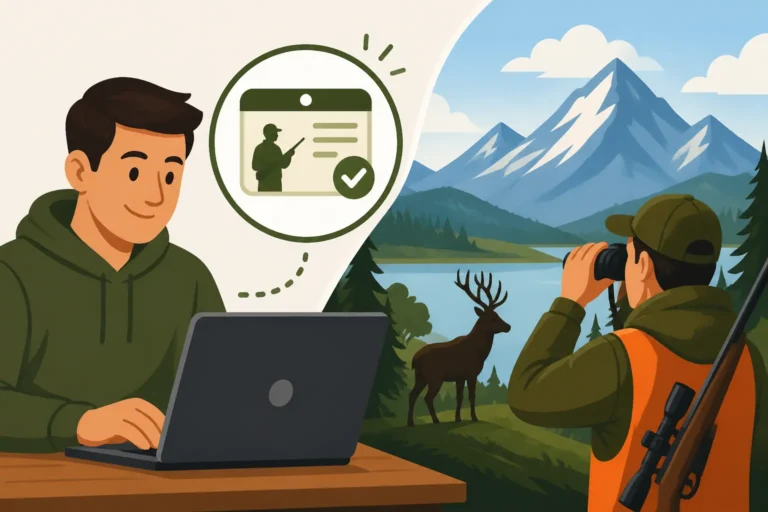
Pre-season preparation should also include physical conditioning, especially if you plan on backpack hunting or accessing remote areas. British Columbia's terrain can be incredibly challenging, with steep slopes, dense bush, and unpredictable weather. Knowing your gear inside out, practicing with your rifle or bow, and having a solid emergency plan are all critical. Remember to review the British Columbia's CORE Exam and FWID requirements and ensure all your licences and tags are in order well before you head out. Don't forget bear spray and know how to use it; bear safety is always a top priority in British Columbia's backcountry.
Timing Your Hunt for Success
While the season dates give you the window, timing your specific hunt within that window can significantly impact your success. For spring bears, the "sweet spot" is often a few weeks after the initial emergence from dens, when bears are actively feeding on readily available greens but before the vegetation becomes too dense. This window often aligns with late May to early June in many interior areas. For coastal bears, it might be mid-April to mid-May.
In the fall, an early season hunt might target berry patches, while a later hunt could focus on lower elevations and other food sources like acorns or salmon streams. The peak of the fall rut for black bears (which varies geographically but often falls in June/July, meaning cubs are born the following winter/spring) isn't a hunting consideration as it is for deer or moose, but bear activity is still influenced by food availability. Consider the specific M.U. you plan to hunt and research the historical patterns of bear movement and food availability for that area. Utilizing tools like GoHunt can help you track previous years' harvest data and understand common patterns. Ultimately, the best time to hunt is when you can dedicate focused effort, but aligning your efforts with peak bear activity around their primary food sources will always give you an edge.
| Region | General Spring Black Bear Season | General Fall Black Bear Season | Key Considerations |
|---|---|---|---|
| Vancouver Island (Region 1) | April 1 – June 15 (approx.) | Sept 1 – Dec 10 (approx.) | Early green-up, dense rainforest, boat access, high bear density. |
| Lower Mainland (Region 2) | April 1 – June 15 (approx.) | Sept 1 – Dec 10 (approx.) | Similar to Van. Island, but more access restrictions due to population. |
| Thompson-Okanagan (Region 3) | May 1 – June 15 (approx.) | Sept 1 – Nov 15 (approx.) | Diverse habitat, clearcuts, grasslands, burns. Variable weather. |
| Kootenays (Region 4) | May 1 – June 15 (approx.) | Sept 1 – Nov 15 (approx.) | Mountainous terrain, timber, berry slopes. |
| Cariboo (Region 5) | May 1 – June 15 (approx.) | Aug 15 – Nov 15 (approx.) | Vast, diverse, logging roads, strong berry crops. |
| Skeena (Region 6) | May 1 – July 15 (approx.) | Aug 15 – Nov 30 (approx.) | Remote, long seasons, larger bears, coastal and interior influences. |
| Omineca (Region 7) | May 1 – July 15 (approx.) | Aug 15 – Nov 30 (approx.) | Extensive wilderness, boreal forest, good road access in many areas. |
| Peace (Region 7B) | May 1 – July 15 (approx.) | Aug 15 – Nov 30 (approx.) | Farmland edges, boreal forest, remote areas. |
| North (Region 8) | May 1 – July 15 (approx.) | Aug 15 – Nov 30 (approx.) | Northernmost parts, very long seasons, remote, potentially massive bears. |
Note: These dates are approximate and for general guidance only. Always consult the most current British Columbia Hunting and Trapping Synopsis for precise dates for your specific Management Unit.
Disclaimer
The information provided in this guide is for general informational purposes only and is not intended as legal advice. Hunting regulations in British Columbia are subject to change and vary significantly by region and management unit. Hunters are solely responsible for consulting the most current British Columbia Hunting and Trapping Synopsis and understanding all applicable federal, provincial, and local laws before engaging in any hunting activities. Failure to do so may result in fines or other penalties.