When British Columbia’s Elk Season Runs
One of the most common headaches for hunters looking at British Columbia is trying to decipher the complex hunting regulations, especially when it comes to coveted species like elk. It's not as simple as a single start and end date for the entire province; instead, you're faced with a patchwork of seasons that vary by region, management unit, weapon type, and even the specific species of elk. This guide is here to untangle that web, helping you understand precisely when British Columbia's elk season runs so you can plan your next big adventure.
The General Lay of the Land for British Columbia Elk Seasons
Hunting elk in British Columbia is a dream for many, but the first step is always understanding the seasons. It can feel like you need a degree in regulatory interpretation just to figure out when you can actually be in the woods! The reality is that British Columbia's elk seasons are a dynamic beast, influenced by everything from population management to local conservation efforts and the specific biology of the two elk species we have: Rocky Mountain Elk and Roosevelt Elk.
Generally, elk seasons in BC typically kick off with archery opportunities in late August or early September, often running into mid-September. Rifle seasons usually follow closely behind, opening from mid-September and extending through October, with some limited opportunities stretching into November or even December in certain regions. But these are just broad strokes, and getting into the specific dates requires a bit more digging. You'll quickly learn that "British Columbia Elk Season Dates" is not a singular concept. The provincial synopsis is your ultimate authority, but understanding the nuances can make all the difference when you're planning.
Archery Versus Rifle Openings
For many, the first hint of elk season approaching is the quiet whir of an arrow. Archery seasons for elk often provide an earlier, more serene hunting experience compared to the later rifle seasons. This early period usually coincides with the pre-rut or the very beginning of the rut, offering exciting opportunities to call bulls before they become heavily pressured. Typically, you'll see archery seasons opening in the last week of August or the first week of September in many elk-rich areas like the Kootenays or parts of Vancouver Island.
Rifle seasons, on the other hand, tend to pick up steam from mid-September onwards, aligning more directly with the peak of the rut in many regions. These seasons can be longer and more varied, often with specific antler point restrictions (like "spike-fork," "3-point," or "6-point or greater") designed to manage herd health and age structure. The choice between archery and rifle often comes down to personal preference, the type of hunt you're after, and the specific regulations for your chosen management unit. Knowing these dates is critical, as showing up a week too early or too late can mean the difference between a legal hunt and a costly mistake.
General Open Season Realities
While Limited Entry Hunting (LEH) draws get a lot of attention for prime elk opportunities, many regions in British Columbia also offer General Open Seasons (GOS) for elk. These GOS tags are purchased over-the-counter and don't require you to be drawn, making them more accessible for hunters. However, GOS opportunities for elk are often much more restricted in terms of dates and antler requirements. For instance, you might find a GOS for spike-fork bull elk only, or a very short window for any bull elk in a specific, less-pressured area.
These GOS hunts are often shorter, sometimes only a week or two, and can occur outside of the peak rut, making success more challenging. You might find a GOS in October or early November, long after the main rut has quieted down. It’s crucial to scrutinize the synopsis for your chosen management unit, as GOS dates can vary dramatically even between adjacent units. While they offer a more flexible option for securing an "British Columbia Elk and Deer Tags," managing expectations and understanding the specific GOS rules for antler restrictions and timing is paramount.
Regional Elk Seasons and Species Specifics
British Columbia is a vast and ecologically diverse province, which means elk seasons are not uniform. The timing and regulations for hunting elk are heavily influenced by the specific species found in a region – primarily Rocky Mountain Elk in the interior and Roosevelt Elk along the coast – and the unique management needs of their respective populations. Understanding these regional distinctions is key to successfully planning your hunt.
It's common for hunters to get lost in the sea of regional regulations. You might hear about a fantastic rut hunt in the Kootenays, only to realize the season for Roosevelt elk on Vancouver Island is entirely different. This localized approach is critical for sustainable wildlife management, but it places the onus on the hunter to be incredibly diligent in their research. Tools like GoHunt can be helpful for cross-referencing information and visualizing potential hunt areas, but always confirm with the official BC regulations.
Rocky Mountain Elk Seasons in the Interior
The interior of British Columbia, particularly regions like the Kootenays, Peace River, and parts of the Omineca and Cariboo, is prime country for Rocky Mountain Elk. These areas typically see seasons that align with their distinct rut period and migratory patterns. In many Kootenay units, for example, archery seasons for Rocky Mountain Elk can begin in late August or early September, often followed by rifle seasons that open in mid-September and run through much of October. There are sometimes late-season opportunities in November or even December, particularly for antlerless elk or specific antler-restricted bulls, often tied to agricultural depredation or specific herd objectives.
These interior seasons are highly sought after, especially during the peak of the rut, which generally falls from the last week of September through the first two weeks of October. Hunters targeting "Rocky Mountain Elk in British Columbia's East" will find various regulations, some allowing for "any bull" via LEH, while GOS often have 6-point or greater restrictions. The diverse terrain, from open grasslands to dense timber and high alpine, means that hunting strategies, and thus season structures, are tailored to these specific environments.
Coastal Roosevelt Elk Opportunities
On the other side of the province, along the rugged coast and particularly on Vancouver Island, you'll find the majestic Roosevelt Elk. These are North America's largest elk subspecies, and hunting them presents a unique set of challenges and opportunities. Due to their denser habitat, often within thick second-growth forests and old-growth timber, and the notoriously wet coastal weather, the hunting experience is very different. Roosevelt elk seasons typically open with archery in early September, sometimes a bit later than their Rocky Mountain cousins, and rifle seasons usually follow in mid-September, extending through October and sometimes into November.
Many of the best "Roosevelt Elk on British Columbia's Coast" opportunities, especially for mature bulls, are managed through the LEH system due to population sensitivity and habitat constraints. When "Hunting Roosevelt Elk in British Columbia Old Growth" or in the dense coastal rainforest, the focus often shifts from long-range glassing to still-hunting and tracking. Season dates here might also be adjusted to minimize conflict with other user groups or to respond to specific conservation concerns related to limited accessible habitat.
Decoding Limited Entry Hunting for Elk
For many hunters, the ultimate British Columbia elk experience involves drawing a Limited Entry Hunting (LEH) tag. This system is in place to manage pressure on specific game populations, ensuring sustainable harvests and providing higher quality hunting experiences for those who draw a tag. While the process can seem daunting, it often provides access to prime areas or allows for hunting during more desirable times, such as the peak of the rut, with fewer hunters.
The frustration of applying year after year without success is a common lament among BC hunters. It’s a game of odds, often influenced by your priority points and the popularity of the unit you apply for. But understanding "British Columbia's Limited Entry Hunting Draws" is your first step to increasing those odds, or at least making an informed decision about where to apply. Don't be discouraged by past rejections; a strategic approach to LEH can eventually pay off with that coveted elk tag.
Understanding the LEH Draw for Elk
The LEH system is fundamentally a lottery. Hunters apply for specific management units (MUs) or portions of MUs, for a specific species (like elk), for a specific sex/class (e.g., any bull, antlerless), and for a specific season date range. The application period for LEH draws typically opens in the spring (often late April or early May) and closes a few weeks later. Results are then usually released in June.
It's vital to recognize that most of the "any bull" or "6-point or greater" elk opportunities during the peak of the rut fall under LEH. This means if you dream of bugling in a mature bull during late September or early October, an LEH tag is likely your only path. The draw system ensures that only a set number of hunters pursue elk in these sensitive periods or areas, protecting the resource. For detailed information on the mechanics, diving into "How British Columbia's LEH System Works" is essential.
Maximizing Your LEH Chances
While it’s a lottery, there are strategies to consider that can subtly tip the odds in your favour. First, thoroughly research potential MUs. Look at historical success rates, hunter pressure, and, importantly, the draw odds for each available hunt code. Platforms like GoHunt offer detailed analyses and statistics that can help you gauge your chances. Sometimes, applying for a less popular unit or a less sought-after tag (e.g., antlerless elk in a specific unit) can increase your likelihood of success, even if it's not your dream "any bull" tag.
Another aspect to consider is party applications. If you hunt with a group, applying as a party can pool your odds, but if one person draws, everyone in the party draws. This can be great for group hunts, but it also means if one person has very low priority, it can drag everyone else down. Many hunters spend considerable time pouring over data, trying to find that sweet spot between desirable hunting and realistic draw odds. Remember, "Reading LEH Odds Before You Apply" is not just about raw numbers; it’s about understanding the nuances of hunter behaviour and herd management.
Key Considerations for Timing Your Elk Hunt
Beyond merely knowing the opening and closing dates, a truly successful British Columbia elk hunt hinges on understanding the nuances of timing. The animals themselves don't just follow a calendar; their behavior is heavily influenced by biological cycles like the rut, and external factors such as weather, snow lines, and hunting pressure. A savvy hunter knows that when you hunt within the open season can be just as important as where you hunt.
Many hunters experience the frustration of being in the field during an open season but seeing very little game. This often boils down to being there at the wrong time of year for animal movement or activity patterns. To avoid this, consider these crucial factors that go beyond the printed season dates and delve into the heart of elk behavior and environmental conditions.
The Allure of the Elk Rut
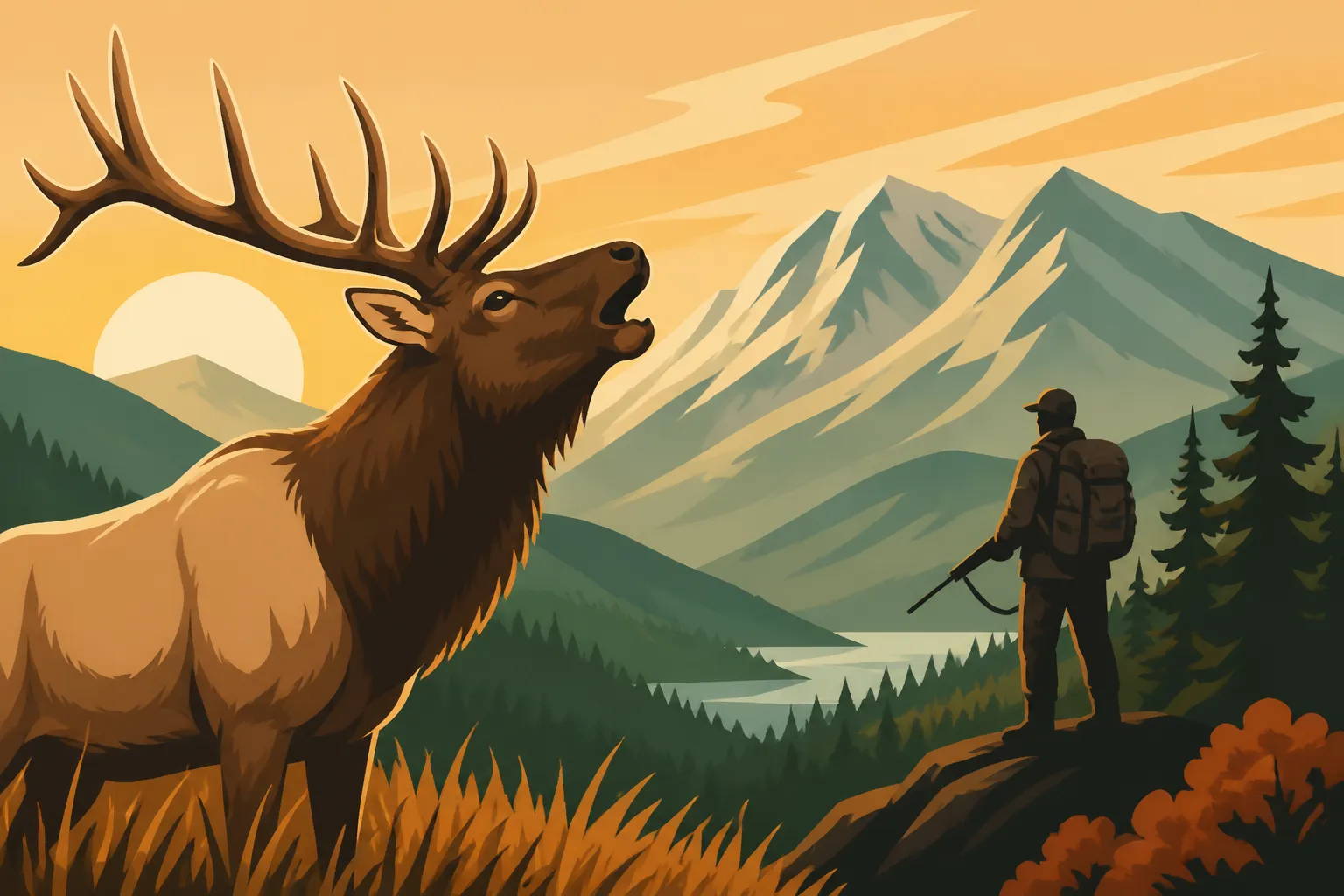
For many, the ultimate elk hunting experience revolves around the rut. This is the period when bull elk are most vocal, aggressive, and responsive to calling, making for some of the most exciting and challenging hunts. In British Columbia, the peak of the elk rut typically falls from the last week of September through the first two weeks of October. During this time, the bugling of a bull echoing through the mountains is an unforgettable sound that can draw hunters in like a magnet. The seasons, particularly LEH opportunities, are often strategically set to coincide with these high-activity periods.
Hunting during the rut often involves more calling, covering ground to find active herds, and being prepared for intense encounters. While it's exhilarating, it's also a busy time, and animals can be on edge. Understanding "When British Columbia's Elk Rut Peaks" can help you identify if an open season falls within this coveted window, allowing you to tailor your scouting and hunting tactics accordingly. Even if you're not specifically targeting a bugling bull, knowing the rut's timing helps predict where and why elk might be moving.
Weather, Access, and Late Season Hunts
British Columbia's weather is famously unpredictable, and it plays a massive role in elk movement and hunter access. Early season hunts (late August/early September) can be warm, making meat care a critical consideration. As the season progresses into October and November, colder temperatures and snow become significant factors. Early snowfalls can push elk down from higher elevations, concentrating them in more accessible valley bottoms, but they can also close forest service roads, making vast areas suddenly inaccessible to vehicles.
Late season hunts, often in November or December, capitalize on these weather-driven movements. Elk, especially cows and calves, will be seeking out winter range, often at lower elevations with better forage and less snow. While calling might be less effective then, tracking in fresh snow can be highly productive. However, hunters need to be prepared for harsh conditions and potential logistical challenges like "Hunting British Columbia Late When Snow Closes Roads." Always check weather forecasts, road conditions, and have a solid backup plan if your primary access route becomes impassable.
Preparing for a Successful Elk Season
Beyond just the dates, a successful elk hunt requires diligent preparation. Start your research early, not just on season dates but also on the specific management unit you plan to hunt. "Scouting a British Columbia Management Unit Online" can provide invaluable insights into terrain, access points, and potential elk habitat long before you set foot in the field. Using mapping tools to overlay season data with actual topography can reveal critical information.
Understanding the specific antler regulations for your chosen season is also non-negotiable. British Columbia employs various restrictions (e.g., 3-point, 6-point, spike-fork), and misidentifying an animal can lead to severe penalties. Take the time to practice judging elk in the field. For those relying on LEH, meticulously "Reading a British Columbia LEH Zone Map" and understanding its boundaries is paramount. Physical fitness is another key factor, as elk hunting in BC often involves steep terrain and long hours. Make sure you're up to the challenge, and your gear is ready for whatever BC throws your way.
Here's a generalized table illustrating typical elk season windows in British Columbia. Always consult the current BC Hunting & Trapping Regulations Synopsis for exact dates and specific management unit rules.
| Species/Region | Season Type | Typical Archery Dates | Typical Rifle Dates | Antler Restrictions (Common) | Notes |
|---|---|---|---|---|---|
| Rocky Mountain Elk (Kootenays, Peace) | General Open | Late Aug – Mid-Sept | Mid-Sept – Early Oct; Late Nov – Dec | Spike-fork, 6-point+ | Often short windows; later for cows/spikes |
| Rocky Mountain Elk (Interior LEH) | LEH | Early Sept – Mid-Oct | Mid-Sept – Mid-Oct; Late Oct – Nov | Any Bull, 6-point+ | Prime rut hunts; high demand |
| Roosevelt Elk (Vancouver Island) | General Open | Early Sept – Mid-Sept | Mid-Sept – Early Oct | Spike-fork, 3-point+ | Limited GOS opportunities |
| Roosevelt Elk (Coastal LEH) | LEH | Early Sept – Mid-Sept | Mid-Sept – Mid-Oct | Any Bull, 3-point+ | Dense timber hunts; weather dependent |
| Elk (Various Regions) | Antlerless/Cow | N/A | Oct – Dec | Antlerless | Often LEH, sometimes GOS in specific areas |
Disclaimer
The information provided in this guide is for general informational purposes only and does not constitute legal advice. Hunting regulations in British Columbia are subject to change, and specific dates, restrictions, and requirements can vary significantly by region, management unit, and year. It is the sole responsibility of the hunter to consult the most current British Columbia Hunting & Trapping Regulations Synopsis, available from the provincial government, before planning or engaging in any hunting activity. Failure to comply with all applicable regulations can result in severe penalties.