British Columbia Assistant Guide Licences
For many who spend their lives immersed in British Columbia’s vast wilderness, the idea of turning that passion into a profession, specifically as an assistant guide, is a natural progression. But let's be honest, figuring out the exact steps, the training needed, and the official hoops to jump through can feel like navigating a dense, unmapped forest. This comprehensive guide is designed to demystify the process of obtaining and maintaining a British Columbia Assistant Guide Licence, giving you a clear trail map from aspiring enthusiast to licensed professional.
Understanding the Role of an Assistant Guide in British Columbia
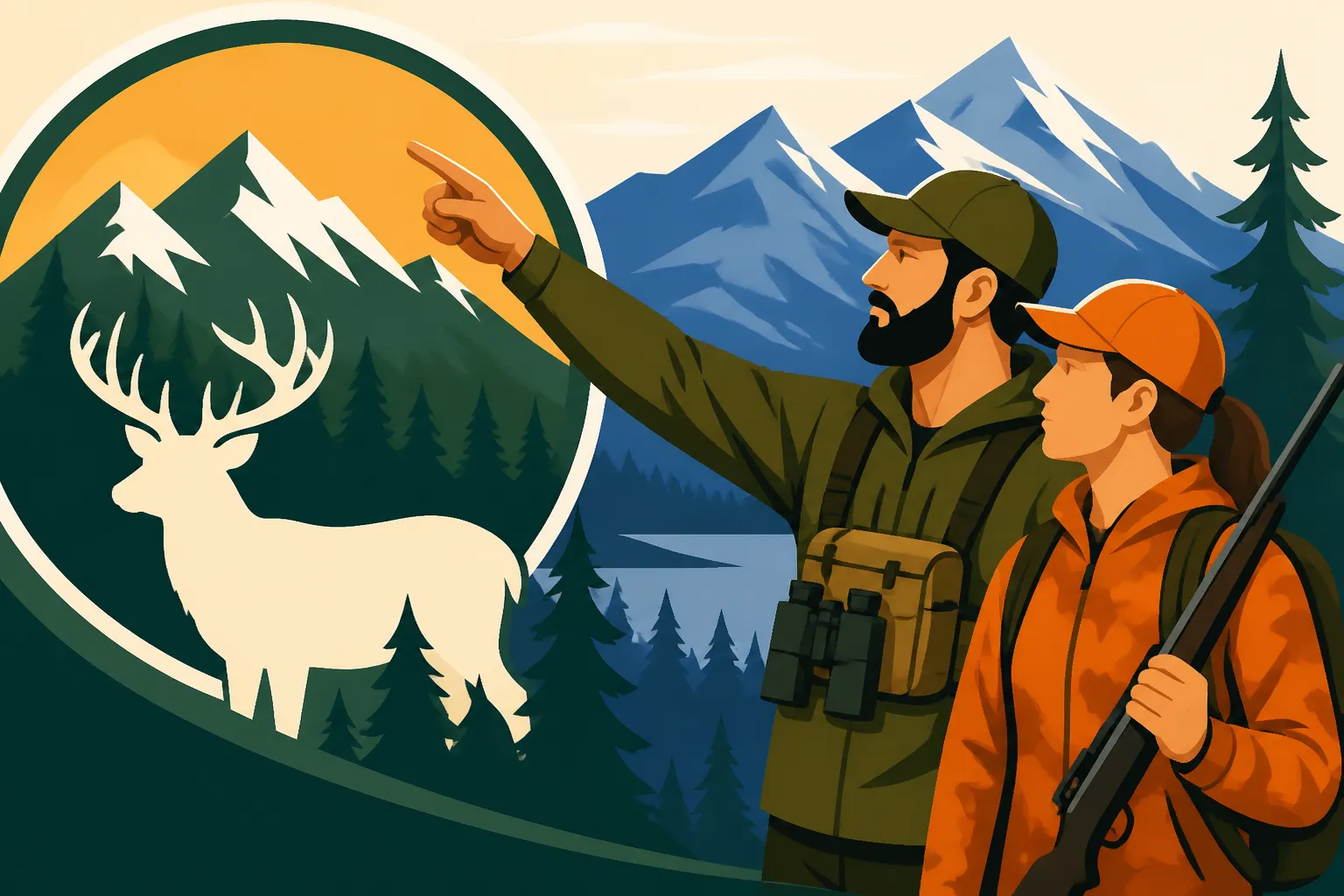
Becoming an assistant guide isn't just about tagging along on a hunt; it's about stepping into a critical support role that ensures the safety, success, and enjoyment of clients under the direct supervision of a licensed Guide Outfitter. It's the essential groundwork for anyone serious about a career in the professional guiding industry here in British Columbia, offering a firsthand look at the realities of the job without the full burden of responsibility. For many, it's a proving ground, a mentorship opportunity, and an invaluable educational experience wrapped into one.
The Responsibilities of an Assistant Guide
As an assistant guide, your day-to-day duties are incredibly varied and demanding, requiring a blend of outdoor skills, strong communication, and an unwavering commitment to safety. You'll often be the first one up, preparing camp, checking equipment, and making sure everything is ready for the day's adventure. This could mean setting up wall tents in a remote alpine basin, ensuring the horses are packed correctly for a long push into the backcountry, or getting the jet boat fueled and ready for a river trip.
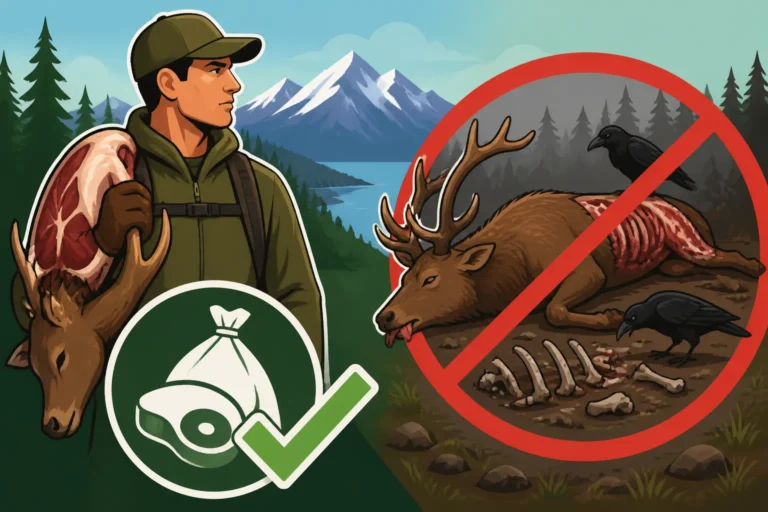
Out in the field, you're the extra set of eyes and ears, constantly glassing hillsides, tracking game, and helping clients with their gear. When success happens, you'll be heavily involved in the challenging work of field dressing, caping, and packing out game, often in difficult terrain and sometimes in less-than-ideal weather conditions. It’s physically taxing work, but incredibly rewarding. You'll learn firsthand the best practices for Field Dressing in British Columbia's Wet Weather or how to manage meat in warm early seasons.
Safety is paramount, and assistant guides are instrumental in upholding safety protocols. This includes everything from ensuring clients are aware of their surroundings to being proficient in wilderness first aid and, crucially, knowing how to handle potential wildlife encounters. You'll be the one reminding clients about Bear Safety While Hunting in British Columbia and demonstrating proper storage of food in camp. Client interaction is also a huge part of the job; you're there to manage expectations, answer questions, and generally contribute to a positive and memorable experience. You’ll learn the art of reading people as much as reading animal sign.
The Relationship with the Guide Outfitter
An assistant guide always operates under the direct supervision of a fully licensed Guide Outfitter. This isn't just a suggestion; it's a legal requirement mandated by British Columbia's Wildlife Act and its guiding regulations. The Guide Outfitter holds the primary licence for the guiding territory and is ultimately responsible for all aspects of the hunt. You are essentially their right hand, executing tasks and supporting their decisions. This hierarchical structure is in place to ensure accountability and maintain high standards of professionalism and safety within the industry.
For non-residents looking to hunt in British Columbia, the "Permit to Accompany" system is often discussed, but it's important to understand how an assistant guide fits into this. A non-resident hunting on a Permit to Accompany is being accompanied by a resident hunter, not necessarily a professional guide. While an assistant guide might be a resident, their role is specifically to work for a Guide Outfitter, serving clients who are paying for a guided hunt. The intricacies of What a Permit to Accompany Allows are quite different from the responsibilities of a professional guide.
There are also clear legal limitations on what an assistant guide cannot do. You cannot independently conduct guided hunts or operate outside the explicit direction and presence (or close proximity, depending on the specific regulations and the outfitter's policy) of the licensed Guide Outfitter. You cannot sign off on compulsory inspection forms as the primary guide, nor can you make executive decisions regarding the hunt plan without the outfitter's approval. Your licence is a support role, a crucial stepping stone, but not a standalone authorization to operate a guiding business.
The Path to Becoming a Licensed Assistant Guide
Embarking on the journey to become a licensed assistant guide in British Columbia requires dedication, a genuine love for the outdoors, and a commitment to learning. It’s not just about knowing how to track an elk; it's about understanding the legal framework, mastering essential skills, and proving your capability. The process is structured to ensure that only competent and responsible individuals are entrusted with client safety and the province's wildlife resources.
Eligibility and Prerequisites
Before you even think about formal training, you need to meet some fundamental eligibility criteria. First and foremost, you must be at least 18 years of age. Residency requirements are also strict; to be an assistant guide, you must be a resident of British Columbia, meaning you have lived in the province for at least six months of the preceding 12-month period and are a Canadian citizen or permanent resident. This is a foundational rule designed to ensure guides have intimate knowledge of the local landscape and regulations.
A clear criminal record is another critical prerequisite. You'll be working in a position of trust, often in remote areas with clients who depend on your judgment. As such, a criminal record check is a mandatory part of the application process. Furthermore, demonstrating proficiency in first aid is non-negotiable. Most Guide Outfitters will require, at minimum, a Standard First Aid with CPR-C certification, but many prefer or even mandate Wilderness First Aid or an equivalent, given the remote nature of many guiding operations.
If you plan to handle firearms on behalf of clients or even carry one for bear protection, a valid Possession and Acquisition Licence (PAL) is absolutely essential. While not strictly required for the licence itself if you're not handling firearms, it's a practical necessity for nearly all guiding scenarios. Many aspiring guides will also have completed their British Columbia Conservation and Outdoor Recreation Education (CORE) program and possess a valid FWID number. Although the CORE exam is primarily for those seeking a basic hunting licence, it provides a solid foundation in wildlife management, outdoor ethics, and safety that is invaluable for any guide. You can learn more about getting your British Columbia's CORE Exam and FWID through various local courses. When looking for current information on these requirements or even finding potential outfitters, platforms like GoHunt can be helpful resources to start your research.
Required Training and Certification
Once you meet the basic eligibility, the next step is acquiring the necessary training and certification. While there isn't one single "assistant guide school" in British Columbia, specialized training programs and practical experience are key. The Guide Outfitters Association of British Columbia (GOABC) plays a significant role here, offering resources and sometimes directly coordinating training programs. They often recommend specific courses or competencies that align with industry standards.
A significant portion of your training will focus on developing robust outdoor skills. This includes advanced navigation using maps, GPS, and compass, which is crucial for operating safely in diverse and often unmarked territories. Bushcraft skills like fire-starting, shelter building, and primitive tool use are not just impressive party tricks; they are vital survival tools in a true wilderness emergency. Game identification, tracking, and understanding animal behaviour are also fundamental, allowing you to interpret signs, anticipate movements, and effectively locate game for clients.
Perhaps the most valuable training comes from hands-on experience and mentorship. Many assistant guides start by volunteering or taking entry-level positions with experienced Guide Outfitters. This allows them to learn the ropes directly from seasoned professionals, absorbing practical knowledge that no classroom can fully replicate. Think of it as an apprenticeship. You'll learn how to set a successful camp, manage logistics, and handle unexpected challenges in real-time. This practical, in-the-field experience is often what truly prepares you for the demanding world of guiding. For more details on formal training options, you might look into what's available for British Columbia Guide Training and Certification.
Applying for and Maintaining Your Assistant Guide Licence
With the necessary skills and prerequisites under your belt, the actual application for your Assistant Guide Licence in British Columbia is the administrative hurdle to clear. It’s a process that ensures all provincial requirements are met and that you are officially recognized as part of the professional guiding community. Getting the licence is only half the battle, however; maintaining it year after year requires adherence to regulations and ongoing commitment.
The Application Process and Fees
The application for a British Columbia Assistant Guide Licence is typically submitted through the provincial government's natural resource ministries, often handled by FrontCounter BC. This is your one-stop service for permits, licences, and authorizations relating to natural resources. You’ll need to complete an official application form, which will ask for your personal details, residency verification, and declarations regarding any criminal history.
Beyond the form, you’ll be required to provide supporting documentation. This usually includes copies of your first aid certificates, proof of your PAL (if applicable), and confirmation of your criminal record check. It's a meticulous process because the province wants to ensure that individuals guiding others are thoroughly vetted. Make sure all your certifications are current and ready to submit.
There are specific fees associated with obtaining and renewing an Assistant Guide Licence. These fees can change, so it's always wise to check the most current British Columbia hunting regulations synopsis or the FrontCounter BC website for the exact amounts. These fees contribute to the administration and oversight of the guiding industry, ensuring regulatory compliance and support services.
Here's a general idea of the costs involved, though you should always verify current figures:
| Item | Description | Estimated Cost (CAD) |
|---|---|---|
| Assistant Guide Application Fee | Initial application for the licence. | $50 – $100 |
| Annual Assistant Guide Licence | Annual renewal fee. | $100 – $150 |
| Criminal Record Check | Fee for the background check. | $20 – $50 |
| First Aid Certification | Cost of a Standard/Wilderness First Aid course (varies by provider). | $150 – $500 |
| CORE Hunter Education | Cost of the course and exam (if not already completed). | $100 – $200 |
| Firearms Licence (PAL) | Application fee (valid for 5 years). | $60 – $80 |
Keep in mind that these are estimates and can fluctuate. It's crucial to consult official provincial sources or the Guide Outfitters Association of British Columbia for the most up-to-date information. Utilizing resources like GoHunt can also help you stay current on regulatory updates or find contact information for relevant government bodies.
Maintaining Your Licence and Ethical Conduct
Once you've secured your Assistant Guide Licence, the work isn't over. You'll need to renew it annually, typically before the start of the primary hunting seasons. This renewal process usually requires a shorter form and payment of the annual fee, but it's essential not to let it lapse. Allowing your licence to expire can lead to penalties or a more complex reapplication process.
Maintaining your licence also means adhering strictly to the British Columbia Wildlife Act, its regulations, and the specific terms of your licence. This includes knowing and following all bag limits, season dates, and ethical hunting practices. The reputation of the entire guiding industry rests on the shoulders of every individual guide, assistant or otherwise. Any violation can jeopardize your licence and reflect poorly on your outfitter and the industry as a whole. Staying informed about changes is crucial; regularly reviewing British Columbia's Two-Year Regulations Synopsis is a must for any hunter or guide.
Ethical conduct extends beyond just legal compliance. It encompasses responsible hunting practices, respectful interaction with clients and other wilderness users, and a deep commitment to conservation. The Guide Outfitters Association of British Columbia (GOABC) sets a high standard for its members and their employees, promoting professionalism and integrity. Assistant guides are expected to uphold these standards, acting as ambassadors for sustainable hunting and responsible outdoor recreation. Continuously educating yourself, staying sharp on your skills, and upholding these values are all part of being a successful and respected assistant guide in British Columbia. For insights into the industry and continuing education, platforms like GoHunt can provide relevant news and professional development opportunities.
The Benefits and Challenges of Being an Assistant Guide
The life of an assistant guide in British Columbia is not for everyone. It’s a calling that combines a profound connection to nature with hard work, long hours, and significant physical demands. However, for those passionate enough to pursue it, the rewards can be immense, offering unique opportunities and experiences that few other careers can match.
Rewards and Opportunities
One of the most significant rewards of being an assistant guide is the opportunity to gain invaluable experience and mentorship. You get to work alongside seasoned professionals, learning tricks of the trade that are passed down through generations of wilderness experience. This mentorship can be crucial for skill development, from advanced tracking techniques to nuanced client management. It's an unparalleled education in the wild, often providing the foundation needed to eventually pursue a full British Columbia Guide Outfitter Licensing Rules or even your own territory.
You’ll also build an incredible network within the hunting industry. You’ll meet other guides, outfitters, suppliers, and a diverse range of clients from all walks of life and corners of the globe. These connections can open doors for future career progression, collaborative ventures, or simply lifelong friendships forged in the crucible of a challenging backcountry hunt. Many aspiring guides leverage their assistant guide experience as a stepping stone to becoming fully licensed or even managing their own operations someday, as explored in articles like Hunting Guides and Outfitters in British Columbia.
Beyond the professional development, there's the sheer privilege of exploring some of the most remote, wild, and breathtaking parts of British Columbia. From the coastal rainforests to the vast northern Rockies and the interior plateaus, you’ll witness landscapes and wildlife that most people only dream of. The satisfaction of helping a client achieve their hunting dream, the camaraderie around a crackling campfire after a successful day, and the profound sense of accomplishment from navigating demanding wilderness are all deeply rewarding aspects of the job.
Common Challenges and Hardships
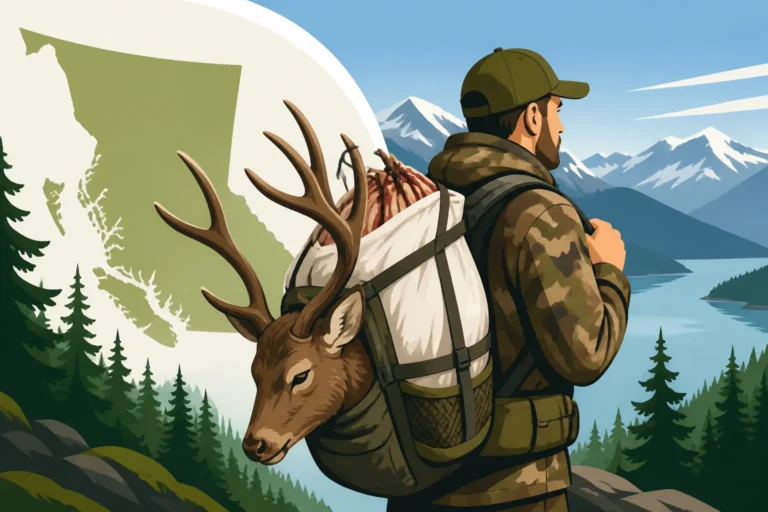
It’s crucial to be realistic about the hardships that come with the assistant guide role. This is not a glamourous job; it's often grueling. Expect long hours, starting before dawn and often ending long after dark. The work is incredibly physically demanding, involving heavy lifting, arduous hikes with significant weight on your back, and constant exertion. You need to be in top physical condition to meet the demands of British Columbia's steep and rugged country. This often includes packing out heavy loads, a task that has earned stories and respect throughout the guiding community. Find out more about the physical demands and how to manage them in posts like Packing Out of British Columbia's Steep Country.
Unpredictable weather is another constant challenge. British Columbia's diverse climate means you could be sweltering one day and battling freezing rain or snow the next, even in early seasons. Being prepared for anything, from the Hunting British Columbia's Alpine in September to torrential coastal downpours, is part of the job description. The right gear, knowledge of What to Wear for British Columbia's Coastal Rain, and mental fortitude are essential. The financial investment in quality gear, from rainproof layers to reliable optics and tough boots, is significant.
Managing client expectations and personalities can also be a delicate balance. Clients come with varying levels of experience, fitness, and sometimes, unrealistic expectations. It’s part of the assistant guide’s role to help bridge these gaps, ensure safety, and still deliver a positive experience. The seasonal nature of the work also means that income might not be consistent year-round, requiring careful financial planning. Despite these challenges, for those truly committed to the wilderness and the hunting lifestyle, the opportunity to work as an assistant guide in British Columbia remains an incredibly fulfilling pursuit. Understanding Weather Windows in British Columbia's Mountains and adapting to them is not just a skill but a way of life in this profession.
Becoming a licensed Assistant Guide in British Columbia is a journey of dedication, learning, and immense satisfaction for those called to the wilderness. It's a foundational step, building the skills, knowledge, and relationships necessary to thrive in British Columbia's vibrant guiding industry. The path is challenging, but the rewards—from profound personal growth to unforgettable experiences in some of the world's most stunning landscapes—are truly unparalleled. If you have the passion and commitment, the mountains are calling.
Disclaimer
The information provided in this guide is for general informational purposes only and does not constitute legal advice. Hunting regulations and licensing requirements in British Columbia are subject to change. It is the responsibility of the individual to consult the most current British Columbia Wildlife Act, its regulations, and official government sources (such as FrontCounter BC and the Guide Outfitters Association of British Columbia) to ensure full compliance. Always verify all information before making decisions related to hunting or guiding activities.